

A ticket for window tint is stressful to receive, and if you're like most drivers, your first worry is probably about your insurance record. Traffic violations can tack on hundreds of extra dollars to your annual premium pretty fast when your rates jump up, so it makes sense to be concerned.
California has pretty strict laws on window tint, and plenty of drivers don't actually know what's legal, or they just go darker anyway. An officer can pull you over if your windows appear too dark, and they'll measure your tint with a light meter right at your car to check if you're within the legal limits. California law says that your front side windows need to allow more than 70% of visible light through, and the only tint that you're allowed on your windshield is a non-reflective strip on the top 4 inches of the glass.
Window tint tickets in California are a bit of a pain, and for most drivers, the question is whether their insurance company is actually going to care about it. Insurance providers don't treat all traffic violations the same way, so tint citations don't fall into the same category as your usual moving violations. Your driving record is going to show some of the tickets. But not every violation will trigger a rate increase. Some infractions get ignored by insurers, and others will cause your premiums to jump for sure. Tint tickets have their own way of being handled by insurers. Understanding where they fall can save you some of the worry and maybe some money.
Here's how window tint tickets might affect your insurance rates in California!
Your Guide to California Window Tint Laws
California's window tint laws are pretty simple for the front side windows on your vehicle. State law says that these windows need to allow at least 70% of light to pass through. Flip that percentage around, and the darkest legal tint you can apply will block as much as 30% of incoming light.
The back windows work a little differently than the front ones. With those, you're actually allowed to go as dark as you want with your tint, and you'll stay within the law. The windshield is where the restrictions are the most strict out of the three. On that one, you can only apply a tint to the top 4 inches of the glass.
These limits are in place for a couple of important safety and visibility reasons. Police officers need to see what's inside your vehicle when they approach your car during a traffic stop - it's how they can size up the situation before they come too close to your window. Other drivers on the road also need to be able to see you through your windows, and when you can make eye contact at intersections and stop signs, it's actually a large part of how we all communicate and stay safe as we drive.
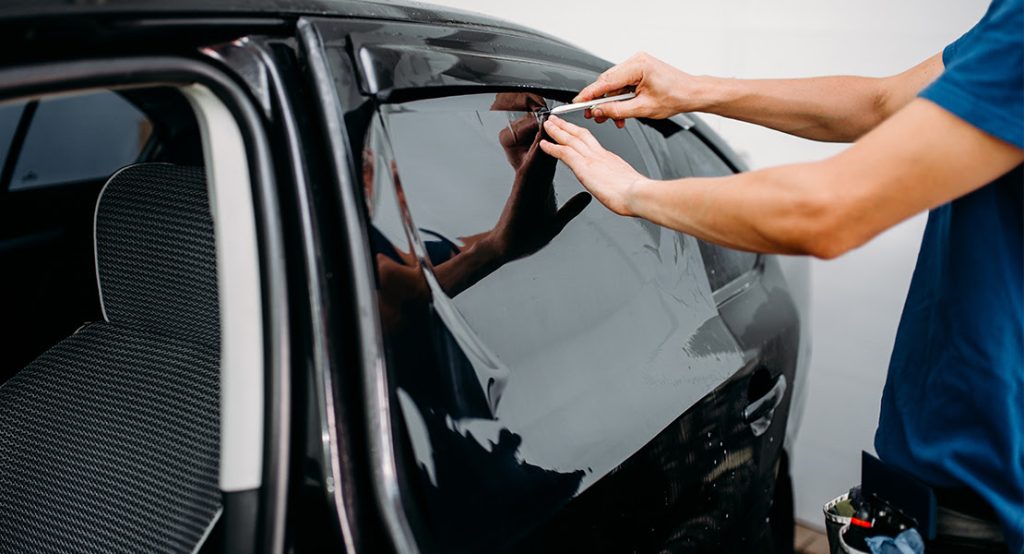
Officers can't simply eyeball it and tell at a glance, though. Most departments issue their patrol officers a small handheld meter that can tell them just how much light is passing through your glass, and it only takes them a few seconds to get a reading. The number determines if you're legal or not.
Illegal tint fines start at around $25 for your first offense. Court fees and other related costs will bump that number up quite a bit, and you could pay $197 or more when all is said and done.
The Two Types of Traffic Violations for Insurance
Insurance companies want to know what type of driver you are, and the easiest way for them to figure that out is to pull up your driving record and see what's on there. Insurance companies divide traffic violations into two main categories, and each one of these can have a big effect on your rates. Moving violations are just what they sound like - you break a traffic law as you're on the road. A red light violation would fall into this category, or maybe you were clocked going 20 miles over the speed limit. In either case, your insurance company records it. When they review moving violations on your record, it shows them that you might have picked up some risky habits behind the wheel, and those habits could lead to an accident.
Equipment violations are handled a bit differently. Your car doesn't actually have to be moving for you to get one of these tickets, and that's why they're sometimes called non-moving violations. A window tint ticket is one of these. Other equipment violations that you might see include issues like a cracked taillight or an expired registration sticker still sitting on your license plate.

Insurance companies treat these two types of violations very differently from one another. Moving violations tell them that you made a bad call behind the wheel. That matters to them because drivers who make poor decisions on the road are a lot more likely to wind up filing claims down the line. Equipment violations get treated more like basic maintenance problems that slipped through the cracks. These violations don't tell your insurance company much about whether you're a safe driver or if you have safe habits on the road.
Your insurance company is going to ask for a copy of your driving record when it's time for your policy to renew. What they want to see is if you have any habits or patterns on there that might mean that you're more likely to be in an accident. Multiple speeding tickets in just a few months are going to be a red flag for them. Any other traffic violations that point to risky driving behavior are going to be red flags as well.
An equipment violation doesn't tell the same story, though. What it means is that something on your vehicle didn't meet the code at some point (maybe a broken taillight or worn-out tires), but it doesn't say anything about how you actually drive or if you follow the traffic safety laws.
Why Multiple Violations Start to Matter
A single window tint ticket usually won't affect your insurance rates at all. Most carriers just don't care enough about one minor violation like that and won't change your premiums. Multiple violations for the same issue are a different story - if you get cited for illegal tint over and over again, that's when your insurance company might actually start to pay attention and see it as a pattern worth doing something about.
Insurance carriers care a lot more about the patterns on your driving record than they do about one-off incidents. Rack up three or four tint tickets, and you start to paint a picture of yourself - just not a flattering one. To an insurance company, multiple tint violations might make them think you don't take traffic laws seriously, or maybe you don't stay on top of vehicle maintenance the way you should. Window tint tickets aren't moving violations, and that works in your favor. What matters most is that a pattern of repeated tickets will still attract the attention of underwriters when they are figuring out how risky you are to insure.
Some insurance providers actually go a step further. Instead of sorting your violations into different categories, they just count everything on your record as one running total. A couple of tint tickets, along with a handful of parking violations, and maybe one other minor infraction, all get added together into a single number. Once it hits a certain threshold, it triggers a flag in their system. Your rates might not jump up right away. But you've landed on their radar, and that isn't where you want to be.
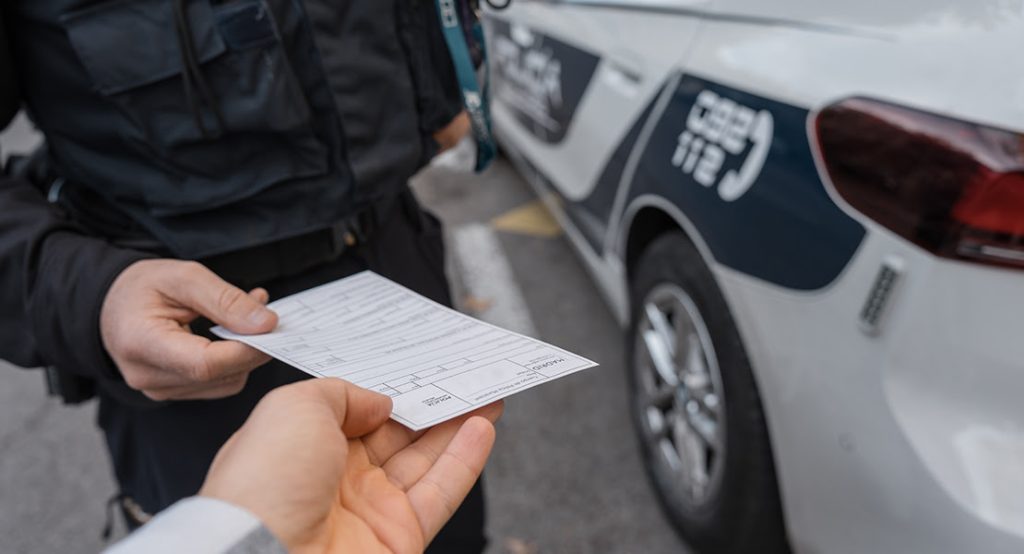
Insurance carriers can be pretty inconsistent with the way they treat fix-it tickets. Some carriers will ignore them and won't even factor them in when they calculate your premiums. Others are going to track everything that shows up on your MVR, no matter how small. There's no standard way that insurance carriers deal with minor violations like this - each carrier has its own system and policy.
Multiple window tint citations (or just a handful of different minor violations that add up over time) can start to look like a big problem to your insurance company. At some point, they'll pay more attention to the pattern that they see compared to what any single ticket actually means on its own.
Fix It Tickets and Your Insurance Record
A window tint ticket won't stay on your record forever. California will actually let you fix it and get rid of it completely.
A window tint ticket is going to give you about 30 days to fix the problem and get that illegal tint removed from your windows. The exact timeline could be a bit different depending on where you live. But 30 days is what most jurisdictions give you to work with. You'll need to peel off any film that's darker than what your state lets you use. When the tint is gone, and your windows are back within legal limits, you can take your car to a local law enforcement station, where they'll do a quick inspection to verify that everything now meets the legal requirements.
The officer is going to check your windows and make sure that they meet the legal requirements for your state. If everything checks out, they'll sign off on your paperwork to show that you've corrected the issue, and you can submit that signed document to the court as proof of the correction. They should go ahead and dismiss it without any more action needed on your part.
Tickets that get dropped usually won't appear on your driving record at all, and that's why the process matters. Your insurance company will check your driving record when it's time to calculate your rates. As long as it never makes it onto that record, it's not going to have any effect on your premiums.
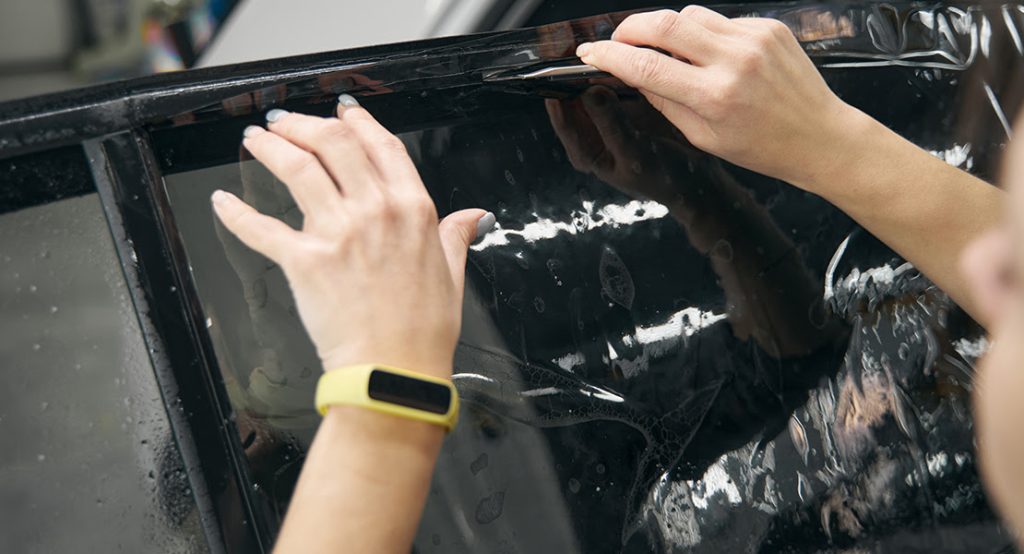
This process isn't free, and the costs can change quite a bit. The tint removal itself will usually run between $25 and $200, and the final price depends on the number of windows that need to be done. Some shops will charge you for each window individually, and others will just give you one flat rate for the entire vehicle. Some courts will ask you to pay a small correction fee as well. But not every jurisdiction will actually need one.
These early costs save you quite a bit of money over time. If that ticket stays on your record, your insurance rates are going to climb - and they'd stay high for years. Take care of it now, and you'll skip that whole problem.
The 30-day window gives you a chance to resolve this and move on without any permanent marks showing up on your insurance rates or your driving record.
Medical Exemptions That Protect You
California does have a medical exemption program for drivers who need darker window tints compared to what's normally allowed under state law. Medical conditions like lupus or a bad sensitivity to the sun can make you eligible for this exemption and let you legally use tint levels that would otherwise be against the standard requirements. That medical exemption in hand means you won't have to worry about tickets from law enforcement, and it keeps you out of any complications with your insurance company.
The first step is always a visit to your doctor. You'll need official medical records that show why your condition needs the extra protection from the sunlight and the UV exposure. When you have that paperwork in order, you can submit your application to the DMV along with the forms from your doctor. The DMV will take some time to review your case and then tell you if you qualify for the exemption certificate.

After the DMV approves your application, you'll have to keep that exemption certificate in your vehicle at all times as you drive. Police officers can pull you over to ask questions about your window tint, and this does happen from time to time. Whenever this comes up, you just need to present the certificate as proof of your medical exemption. This paperwork is what makes your darker tint legal, and it's also what protects you from getting any tickets or citations later.
Legal protection like this covers the insurance angle, too. No tickets for your window tint means you won't have anything to report to your insurance company. At that point, the darker tint is another feature of your car that works for your medical needs!
Your exemption stays valid as long as your medical condition is still there and your documents stay current. Make sure to keep that medical certificate somewhere that you can grab it quickly if you ever need to show it, and it's worth a check every now and then to make sure your doctor still has everything on file. As long as the paperwork is where it needs to be, you can drive with whatever level of tint your health condition needs without worrying about tickets or any issues with your insurance company.
Transform Your View with Professional Tinting
California drivers can relax about window tint tickets. These fall under equipment violations - not moving violations. Insurers are far more interested in how you actually drive compared to what your windows look like. They look at your driving record - speeding tickets, accidents and reckless behavior behind the wheel. These violations tell them if you're likely to cost them money. A ticket for window tint that's slightly too dark tells them almost nothing about your driving habits. Multiple violations over time could eventually raise some questions. The fix-it ticket system works in your favor and gives you an easy way to take care of everything before it turns into a bigger problem.
A professional installation is going to make the difference when you're looking for window tint that actually looks great and keeps you on the right side of California law. OC Tint Shop has handled tint jobs for thousands of drivers in Orange County who need quality work that follows the state's laws while still giving them actual benefits like cooler interiors, UV protection and added privacy. My team knows the ins and outs of California's tint laws, and we only work with premium materials that are designed to hold up for years. Ready to upgrade your car without taking any shortcuts? Schedule a free consultation with us and find out why so many drivers from Newport Beach to Anaheim trust us for window tinting, ceramic coatings and paint protection done right.