
California drivers run into a genuine dilemma with window tint - everyone wants to get some relief from the scorching sun. But the modern window film creates complications with the ADAS sensors. Your lane departure warnings might stop working properly, and other safety features can malfunction after you apply the film to your windows. Newer cars from the 2023 model year are especially vulnerable to calibration problems, and the data shows that nearly 9 out of 10 of them are going to need a full ADAS recalibration after any type of windshield service. Small differences to the material between your camera system and the road ahead can affect how reliably these safety features perform.
These safety systems need very particular wavelengths of light to get their job done correctly (this has to be exact). If your camera's aim is off by even a small amount, the whole system can fail right when you need it most. To put this in perspective, a car traveling at just 30 mph needs around 89 feet to come to a stop on dry pavement. If your automatic emergency braking system is trying to figure out if it should engage or not, that margin could be the difference between a close call and a collision.
Here's how window tinting changes your vehicle's advanced safety camera systems!
How ADAS Cameras See Through Glass
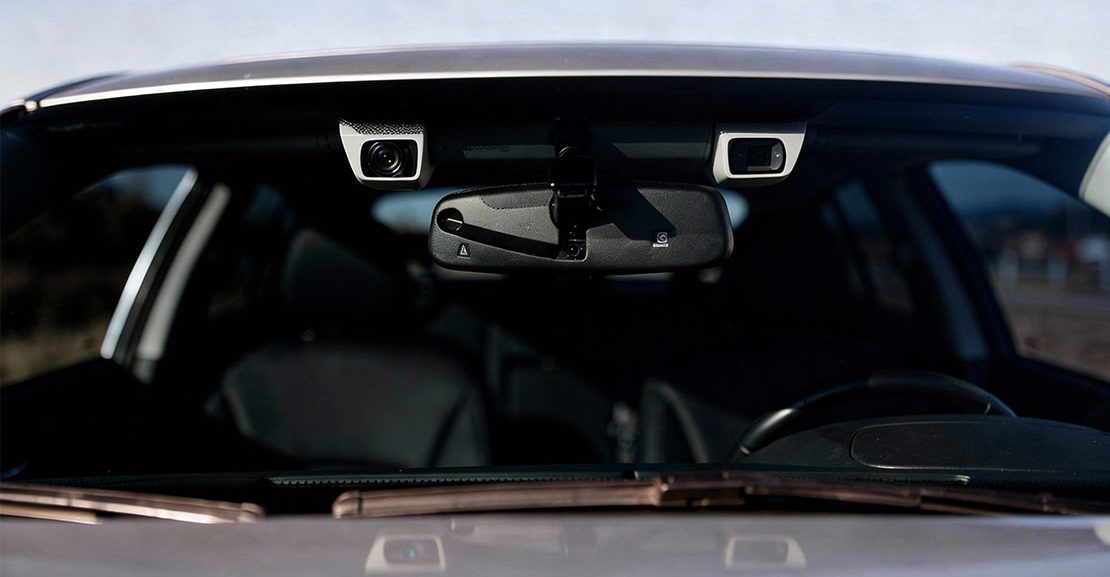
ADAS cameras sit behind your windshield where they watch the road ahead for you - it's what powers the safety features in newer vehicles. The cameras have to see well through the glass if you want everything to work the way it should. The technology inside them needs light at particular wavelengths to pass through the windshield - it's how the camera can pick up the images it's supposed to get.
Manufacturers usually mount these cameras in the upper center part of the windshield, right behind the rearview mirror - this is a choice because it gives the camera an unblocked view of the road and traffic ahead. The dashboard and other interior parts won't block what it needs to see from that position.
These cameras need two different types of light to work correctly - visible light (what we can see) and infrared light (what we can't). Infrared is the main component here, and most of these systems are designed to detect wavelengths between 850 and 950 nanometers. When a windshield blocks or distorts the light in that particular range, the camera just can't get enough usable data to work the way it's supposed to.
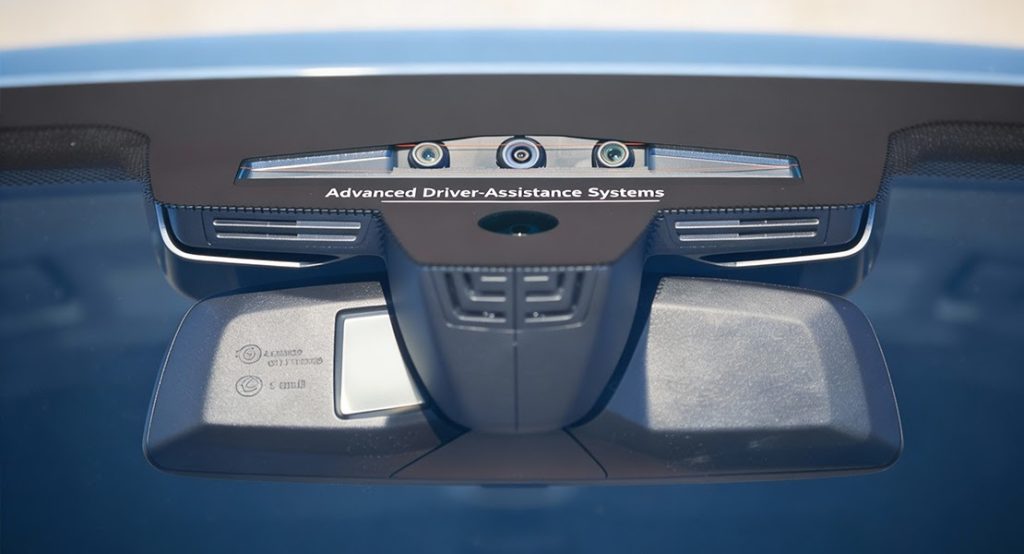
Your car's safety features are only as reliable as what the camera sees. Automatic emergency braking has to see vehicles or obstacles in your path before it can respond. Lane departure warnings work by watching the painted lines on either side of your lane. Adaptive cruise control needs to track the space between your vehicle and the car directly in front of you. These systems depend on having an unblocked view to work the way they should.
The camera has to be able to make out objects and read road markings in all kinds of different lighting conditions - it has to work during the bright afternoon sun, and it also has to work at night when headlights create harsh contrast and shadows. Anything that blocks the light or distorts it before it reaches the camera lens can get in the way of how well the camera reads what's actually happening on the road around you. When the windshield blocks too much light, the system can't work the way it should.
The camera needs visibility to work right, and if it doesn't get enough light through the glass, it might miss what it should detect or fail to turn on the safety features when you need them.
California Has Simple Rules for Windshield Tint
California has laws for windshield tinting that are pretty easy to follow. You're allowed to add a tinted strip along the top of your windshield. But it can only extend down 4 inches from the top edge, or down to the AS-1 line - whichever comes first. The AS-1 line is a small marking that gets etched right into the glass when your windshield is made, and it's there to show you how far down you can legally apply your tint. California has these limits in place for a few reasons. Drivers have to be able to see the road well through most of the windshield, and officers have to be able to see inside your vehicle when they make a traffic stop.
It's all laid out in the particulars, and if your tint goes past that 4-inch mark or drops below the AS-1 line, you're going to get a fix-it ticket and some fines on your hands.
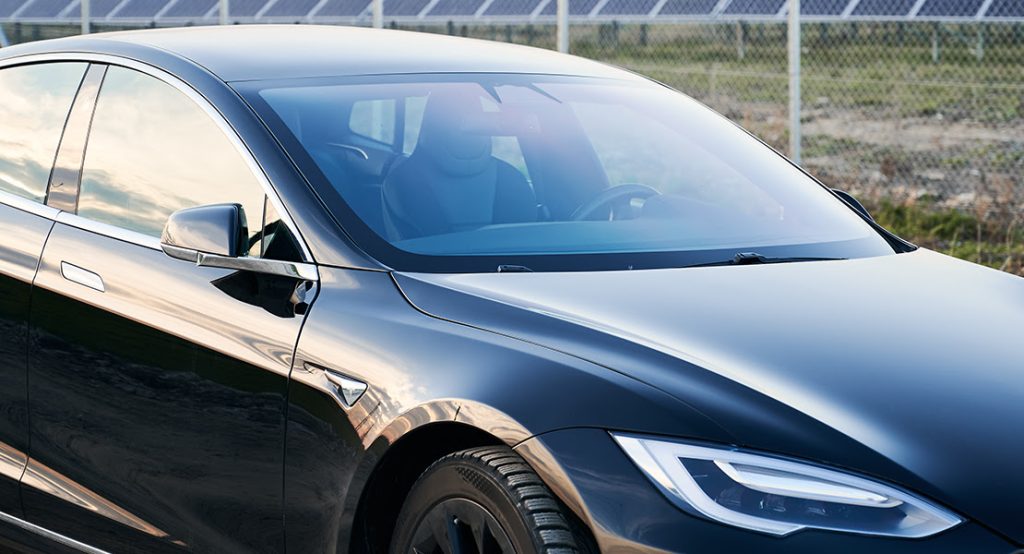
This works out well for drivers because manufacturers mount ADAS cameras in the upper portion of the windshield where the window tint is actually legal. Most vehicles have the camera positioned right behind the rearview mirror. That legal tint strip and the camera location usually line up well, and it makes life much easier if you want to add tint without interfering with the system.
California Highway Patrol officers are going to check on your windshield tint if they pull you over for any reason. They'll look at where your tint ends and compare that point to the AS-1 line on your windshield, or they might just measure down from the top edge to double-check. Officers can usually tell if you're over the legal limit just from their walk to your vehicle and from a quick glance at your windshield. The law actually doesn't specify what type of tint material you'll have to use in that top strip - it just sets a limit on how far down your windshield the tint can go. Stay within that 4-inch or the AS-1 line, and you'll be fine. Another nice part is that your ADAS system stays protected because the camera sits in an area where the state law already permits some level of window treatment.
How Films Block Your Safety Cameras
California's windshield tint laws are pretty obvious about light transmission levels. But compatibility with modern car cameras goes a bit deeper than just meeting those standards. Different types of film work with the light range differently, and those interactions can affect how well your cameras perform.
Modern car cameras use infrared wavelengths to detect objects and to measure the distance between your vehicle and whatever's around it. Ceramic and metallic films block between 20% and 50% of that infrared light, and these films will look almost see-through if you're just looking at them with your own eyes. Your cameras will start to struggle when they can't get the infrared data they need for their job.
Most of the uncertainty around their use comes from the way window film makers market their products - and it's usually focused on heat control. A standard film might only cut down the visible light by a small amount. But at the same time, it may be blocking massive amounts of infrared radiation (which is what keeps your car's interior cooler). It sounds like the perfect answer, except there's a problem - your forward collision system and lane departure warnings actually need those infrared wavelengths to work the way they're supposed to. When the film blocks heat, it's also blocking the same light that your safety systems depend on.
Window film manufacturers have started working on this problem over the past few years. Makers like 3M and LLumar now make ADAS-compatible films, and they're built to let the camera wavelengths through while still blocking UV rays and heat. These newer films use different materials that target the infrared heat you actually feel without interfering with the wavelengths that your camera systems need to work.
All this matters because you can't look at a window film and know if it's going to cause problems with your ADAS cameras or not. Two different films might look identical to you. But they work with infrared light in very different ways. One film could allow your cameras to work just fine, while the other one might stop them from detecting pedestrians or reading road signs the way they should.
How Tint Can Void Your Warranty
Car manufacturers usually have strong opinions about windshield tint and what it might do to driver assistance features. Tesla has been fairly direct about this concern - the Autopilot manual has a warning that aftermarket tint can affect camera performance.
BMW and Mercedes have released official service bulletins that address this exact problem. The advice in them is fairly easy - if you add windshield tint after you buy your vehicle, it could void the warranty coverage on your ADAS parts. Audi has similar warnings in their technical documentation as well.
The warranty issue is a bigger deal. Dealers have been known to deny warranty claims when aftermarket tint seems to affect camera or sensor systems. A common scenario goes something like this - the owner decides to add a dark tint to their windshield, and then a few weeks later, their lane departure warnings or automatic emergency braking start to malfunction. The dealer takes a look at the vehicle and determines that the tint blocks too much light from reaching the camera sensors. Once this happens, you're stuck with paying for the repair costs out of your own pocket.
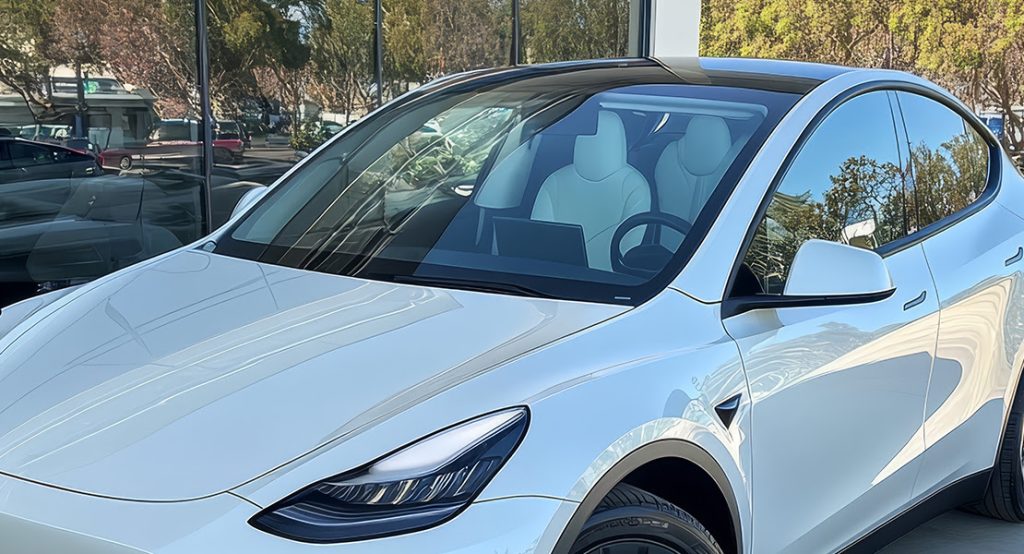
ADAS camera replacement is one repair that can pile up fast. The camera parts themselves usually run you a few thousand dollars - it's not even counting the calibration work that has to be done after the new camera gets installed.
The industry has started to make some progress on this problem. A handful of car manufacturers are now partnering directly with window film makers to create products that come pre-approved for their vehicles. What they're after is a tint option that can stay within the legal darkness limits and also let those advanced safety cameras work the way they're supposed to. Most of these manufacturer-approved films either use a different type of material to achieve this balance, or they just feature lighter tint levels in the exact areas where the cameras sit behind the windshield.
But most manufacturers are still being pretty careful about this whole situation. They design and calibrate their systems to work specifically with the original glass that comes installed from the factory. Changing that glass in any way (adding a tint, putting on a film or replacing it with a different type of glass) brings a variable into the equation that they haven't tested for and can't account for in their calibrations.
Test Your Cameras after Window Tinting
Any trusted tint installer who's familiar with ADAS technology is going to test your system before they put any film on your windshield - this gives them a baseline reading of how your cameras and sensors are performing under normal conditions. After they apply the tint, they'll go back and run through the same tests to make sure everything is still working the way it's supposed to.
You can test your ADAS at home as another way to confirm everything is still working the way it should be. Get your car on the road and drift toward the lane markers for a bit to see if the departure warnings still activate. Speed limit signs and other road markers are a great test for your traffic sign recognition system - it should still pick them up just like it did when the windshield was new. Automatic high beams need a nighttime test, so wait until after dark and drive around to make sure that they're still switching between high and low beams when other cars get close.
Your car will usually tell you if the tint is interfering with the safety systems, and a few telltale signs are worth watching for. Response time is a big one - if your forward collision warning used to activate straight away but now there's a delay before it kicks in, that's a sign that the camera has a hard time seeing through the film. Your dashboard might also start throwing up error messages about the system. That means something isn't working the way it's supposed to.
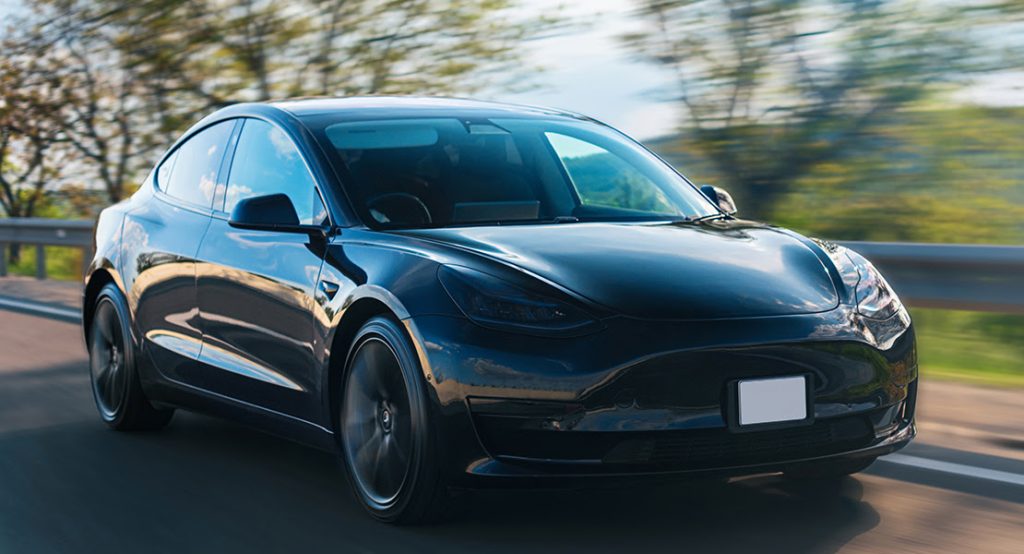
Some tint shops actually have equipment that can measure how much infrared light passes through the film - this type of testing gives them data about whether a particular tint is going to affect your cameras or not. Most shops don't have access to this sort of technology, so if you find one that does, that's usually a strong sign that they know what they're doing and care about doing it right.
A tint shop that knows what they're doing with ADAS systems will talk about testing before they start on your car. Any trusted installer should be happy to test everything once the work is done and they need to stand behind it if something goes wrong later on. The right installer cares just as much about your safety systems and if they stay functional as they do about how great your windows look.
Transform Your View with Professional Tinting
The part that matters is to find an installer who actually knows how window tint works with the tech in modern cars. A quality installer will take the time to make sure that your safety systems still work once the film is on. Lane departure warnings, automatic braking and collision detection - these systems are keeping you and your family safe on the road, and nothing should get in the way of them. You want to get this done right, and you'll have to work with an installer who cares about these kinds of facts.
OC Tint Shop has been helping Orange County drivers to get the right balance of comfort and safety for years. Our team stays on top of the latest ADAS tech and California laws because after we tint your windows, your safety cameras and sensors still need to work just like they should. We pick films that work well with modern camera systems and sensors, and before you drive off, we always run through your ADAS features to make sure everything is still working the way it's supposed to. Whether you're in Newport Beach, Anaheim or anywhere else around here, we can get you the sun protection you're after without interfering with any of the safety tech that your car relies on.
Schedule a free consultation with us to get your windows tinted by a shop that actually understands how your vehicle's technology works and find out why thousands of local drivers come to OC Tint Shop for tint jobs that look great and work even better.