
California has some of the strictest window tint laws in the country, and they enforce them a lot, too. Getting pulled over with illegal tint will run you $25 for your first ticket, with the fine going up each time you get caught again after that. Anyone with a medical condition that makes sunlight painful or dangerous to be around is looking at a real dilemma with these restrictions - the drive to work can hurt, and even a quick trip outside to run errands can become a genuine health concern.
Plenty of drivers who have photosensitive conditions will usually just put up with the pain or face the fines, mostly because they have no idea that a darker tint can be legal with the right paperwork. Others will apply for a medical exemption, only to have their application rejected because the doctor's letter didn't include the information that the DMV needs, or maybe they requested a shade that's still too dark for what California permits, even with medical documentation. Law enforcement has stepped up enforcement, and that means tint inspections are now a lot more common than in previous years.
California actually has a medical exemption process in place that lets drivers with certain health conditions get a darker window tint installed without any legal problems. The state needs some very comprehensive paperwork for this exemption, only recognizes a limited number of medical conditions, and even after you get approved, you'll still have restrictions on just how dark you can go. It definitely pays to learn what's needed before you submit your application - you'll avoid a rejection, and you won't waste money on tint that doesn't follow state guidelines, and you won't get pulled over every other week!
Let's go over the steps to get your medical tint exemption in California!
Which Medical Conditions Qualify for Exemptions
California does allow for medical exemptions for window tint. But you won't qualify just by asking for one. Exemptions are only granted for health conditions where sun exposure causes harm. The program was built for photosensitive disorders - legitimate medical problems where you need a darker tint to protect your health and stay safe.
Lupus is one of the main medical conditions on the approved list. Having lupus means sunlight exposure can set off some pretty rough flare-ups that make life pretty miserable. Albinism is another condition that's covered. With albinism, your skin and your eyes are extremely vulnerable to UV damage, and even normal sun exposure can cause some pretty bad problems.
Some skin conditions can qualify you for a medical exemption as well. Diseases like porphyria and xeroderma pigmentosum make the approved list because they cause strong reactions when your skin gets exposed to light. Your doctor is going to need to send in official documentation that shows your particular condition causes a genuine sensitivity to light exposure and that a darker tint on your vehicle windows would give you real and measurable protection for your health.
Eye problems can also be a valid medical reason to get one. Extreme cases of dry eye and certain retinal conditions might qualify you if the light sensitivity gets bad enough that it makes safe driving harder. For these, an ophthalmologist or optometrist can take care of the medical documentation and paperwork you'll need to submit with your application.
A handful of prescription medications can make your skin a lot more sensitive to UV light. This condition is called photosensitivity, and it's actually one of the accepted reasons to request an exemption. To get approved for an exemption based on medication-related photosensitivity, your doctor is going to need to write up some documentation that covers which prescription you're currently on and how it changes your skin's reaction to the sun exposure.
California has a fairly narrow list of approved conditions, and that's by design. Medical necessity is the main factor that they care about when they go through the applications. The exemptions are there for drivers who actually need them for health and safety reasons. Your best move is to have a conversation with your doctor first to see if your condition matches what California actually looks for when they review these requests.
What Medical Records You Will Need
Your doctor should be willing to explain how bright light and UV exposure might affect your health, and they need to take the time to make sense of what that means for your goals. Your doctor also has to include the exact percentage of tint they're recommending. The DMV takes that exact number and uses it to figure out what level of window tint you'll be allowed to have on your vehicle. Vague language won't cut it with the DMV - your doctor needs to write down a percentage, or else the application probably won't go through.
Optometrists are qualified to certify eye conditions if you need a tint exemption. Dermatological conditions and other types of medical problems are going to need records from a physician instead. Before you schedule any appointments or start the whole process, make sure to double-check that you're planning to see the right type of doctor for whatever condition you have.
Most doctors aren't familiar with the medical exemption process in California, and that creates some unique problems during your application. What tends to happen is they'll write a letter that describes your medical condition. But they don't make the connection between that condition and why you actually need darker window tint. The DMV wants to see that connection spelled out. If it's not there, they're going to reject your application. When that happens, you have to start the entire process over from scratch.

Once you go to see your doctor, try to bring along some information about what the DMV asks for with these medical exemptions. Your doctor needs to write a statement that connects your diagnosis to the medical need for the darker window tint compared to what's normally allowed. A sample format or template can make this whole process much easier for your physician since most doctors don't write these types of letters that much.
Applications get rejected at a pretty high rate. In my experience, most of the denials happen because the medical records lack information or the paperwork is incomplete. It's not usually about the condition itself not qualifying.
How to Apply at the DMV
After your doctor approves everything and signs off on it, your next stop is the DMV office near you. You'll need to fill out Form REG 256A, and it's easy enough to track down. Any DMV location will have copies at the counter, or you can download the form directly from the DMV website and skip the extra trip.

The application fee is pretty cheap; between $6-10 to submit the form, depending on any processing fees. Cash is fine if you plan to visit a DMV office in person. Checks and money orders are also accepted, and you can use either one for walk-in visits or mail-in applications. Credit cards are an option as well. But they have one limitation - you can only use them if you show up at an office in person.
You'll need to submit your application in one of two ways. Many applicants mail everything in because it saves time and helps them skip those infamous DMV lines. Fill out your REG 256 form, add your doctor's letter and your payment, seal it all up in an envelope and send it to the address printed right on the form. Any DMV field office can also help you in person if you'd rather go that way.
Once your application makes it to the DMV, the approval process will usually take between 4 and 6 weeks. After they review everything and approve your exemption, they'll send you an official certificate in the mail. Make sure to hold onto this certificate in your vehicle at all times because any officer who pulls you over is going to ask to see it right away. Each exemption is valid for two years after you get the approval. You're responsible for renewing it before those two years run out, so you should watch that expiration date. A quick calendar reminder will help you avoid an expired exemption.
Delays do happen from time to time. The DMV might need some extra information from your doctor, or a section on your form might not have been filled out completely. Make sure your phone number and mailing address are accurate on your application - this way, the DMV can reach you if they have any questions about anything.
Tint Rules With These Exemptions
A medical exemption in California won't give you the freedom to tint your windows as dark as you'd like. You'll still have to follow the legal limits even if you have a doctor's letter to back up your request. California law says that your front side windows need to allow at least 70% of the light to pass through them - it's measured by something called the Visible Light Transmission percentage, and most drivers just refer to it as VLT.
A 70% VLT is actually pretty light when you see it in person. It's nothing like those dark limousine tints that block out most of the sunlight and give you total privacy. Plenty of customers will get their exemption letter, thinking they can go way darker on the front windows. California law still puts limits on how dark you can go, even with a medical exemption.
Rear windows give you a lot more flexibility with the tint darkness. As long as you have the medical exemption paperwork, you can go quite a bit darker on those back windows. Front windows have tighter restrictions, though. Officers need to see inside your car during traffic stops - that's why the restrictions are stricter for your driver and passenger windows.
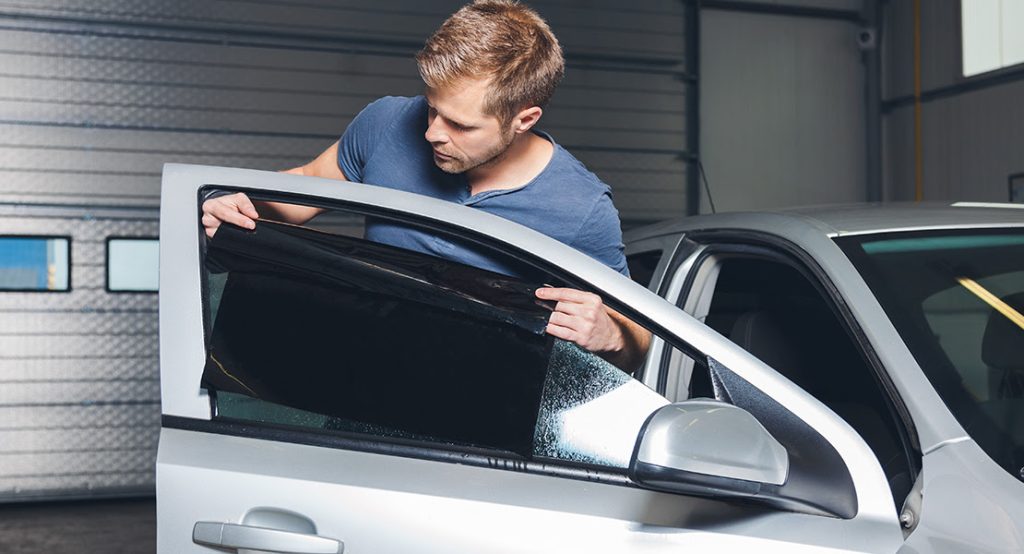
A lot of tint installers don't actually know what California's medical exemptions allow, and it can create a pretty expensive problem. When an installer applies a film that's darker than 70% on your front windows (and you don't have a valid medical exemption on file), you'll need to strip it all off and pay another installer to redo the entire job with a film that meets the legal darkness limits. You've just paid for the same service twice.
An exemption certificate will protect you if you get pulled over. But it only works when your window tint actually stays within the legal limits that are listed on your certificate. The paperwork by itself won't help you if the tint on your windows ends up darker compared to what the law lets you do under that exemption.
Keep Your Exemption Valid and Current
The exemption is for you - not your car. This matters quite a bit if you buy a new vehicle or sell the one you have. You'll need to move the tinted film to your new car and update the paperwork with the DMV accordingly. You'll submit a new application with the same medical documentation you already have on file and the info about your new vehicle.
Keep copies of your exemption certificate in a few places - one in your glove compartment, another at home with your important documents and maybe a photo on your phone as a quick backup.
Medical conditions aren't static, and yours might improve over time or go away completely. When that happens, the law expects you to notify the DMV about the change. Once they receive your notification, they may request that you come back in for a new medical evaluation to reassess your eligibility. The opposite scenario is worth keeping in mind, too - if your condition worsens or you develop more light sensitivity problems on top of the ones you originally reported, contact your doctor right away to get your records updated. Up-to-date and accurate documentation on file can really help you if you ever need to defend your exemption status or apply for more accommodations later.
How to Handle a Police Traffic Stop
California law lets police officers pull you over if they think your window tint looks darker compared to what is legal in the state. Even if you already went through the process and had a medical exemption approved (and you have it on file somewhere), that doesn't stop them from pulling you over - it's why you should have your signed exemption certificate in your car with you at all times (not at home in a drawer - not in your other vehicle). But right there in the car with the tinted windows. Most drivers keep it somewhere easy to access, like the glove box, or they clip it to the sun visor so they can grab it fast if they need to.
If you get pulled over because your windows look too dark, hand over your exemption paperwork right as you give the officer your license and registration. Before they ask about the tint, let them know you have a medical exemption - it usually goes much smoother if you bring it up right away instead of waiting for them to question you about it. Officers can access the DMV database during traffic stops, and they'll be able to pull up your information and make sure your exemption is legitimate and still valid.
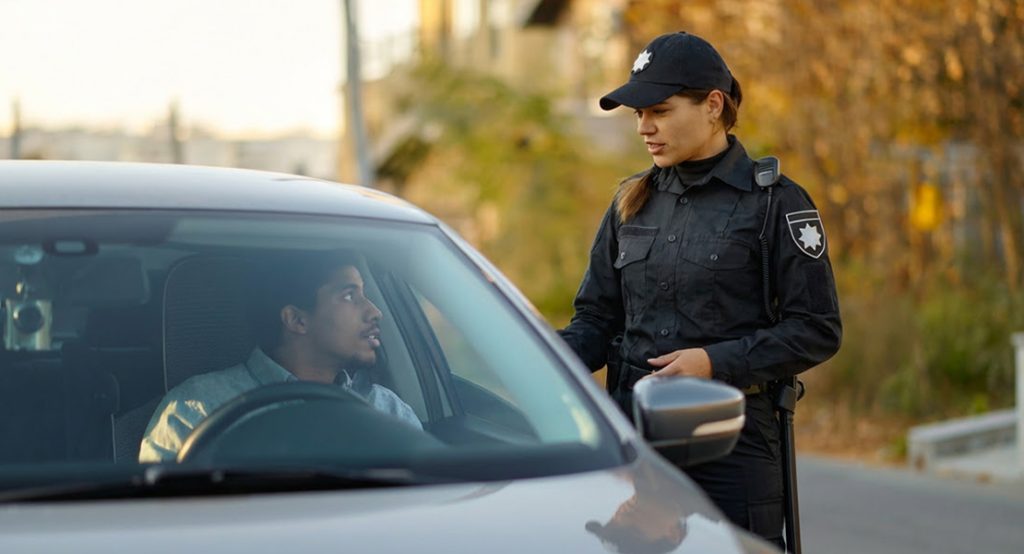
Sometimes you might leave your paperwork at home. The upside is that the officer can still look up your exemption through their system, and in most cases, you'll just get a warning instead of a full citation. The outcome depends on the officer and whether they're able to access your exemption info during the traffic stop. Some police departments also carry tint meters around with them to measure how dark your windows are. These devices help because they'll show if your tint falls within the limits that your exemption covers.
When an officer asks you about your medical condition, you can go ahead and explain it to them. Just remember that you don't actually have to share all of the specifics about your health condition compared to what is already printed on your exemption certificate. Police officers know that medical exemptions are there for legitimate health reasons, and they see these types of documents all the time. Most traffic stops are pretty quick when you hand over your paperwork, and the officer takes a second to check that everything is in order.
Transform Your View with Professional Tinting
California will actually work with drivers who have legitimate medical reasons for needing darker tints. Plenty of drivers across the state have already gone through the medical exemption process, been approved, and they renew their exemptions every year pretty easily.
Your exemption will spell out how dark you can tint your windows for medical reasons. Go darker compared to what's listed on the paperwork, and all that time you spent to get approved won't matter - you'll still be out of compliance. Give yourself some time, too, because the DMV can take weeks or months to work through your application when they're already backed up.
OC Tint Shop has been taking care of Orange County drivers for years, and we'll help you get the right window tint that works. Maybe you need a darker tint for a medical condition, or maybe you're tired of squinting through the glare every afternoon. We know California's tint laws inside and out (and the laws here can be strict). We've worked with hundreds of clients in Newport Beach, Anaheim and across Orange County, and we deliver installations that look great and stay legal. When you're ready to upgrade, give us a call, and we'll talk through your options. Our automotive tinting services can change how comfortable you feel every time you get behind the wheel.