
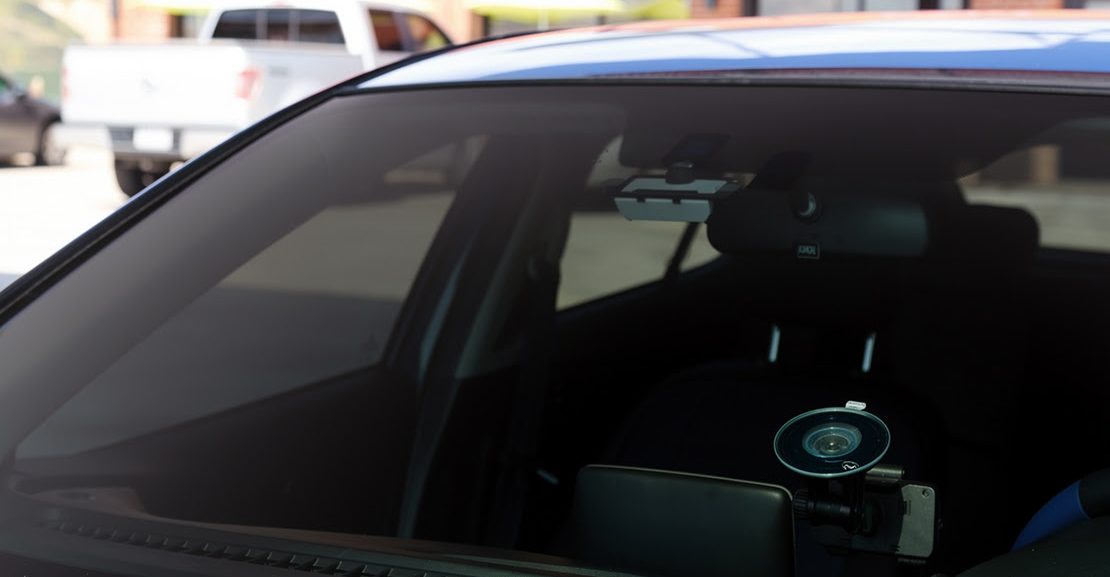
Orange County drivers spend hard-earned money on quality window tinting, and having their FasTrak stop working on the 73 or 241 is the last problem they need. Most drivers know the feeling when they go through a toll plaza and aren't quite sure if the transponder actually registered or if a violation letter is going to show up in the mail weeks later.
The concern does have some merit. Window films can interfere with the radio waves that your FasTrak transponder relies on to communicate with the toll readers. Metallic tints cause the most problems. But even some of the high-end ceramic films can create problems because they have very small metallic particles embedded in them. Those particles block the frequencies that the RFID technology needs to work correctly. Anyone who's already invested in advanced UV protection or a heat rejection film ends up in a pretty frustrating situation - either remove the tint and lose the comfort benefits, or leave it, and you might get hit with toll violations and fines!
Most standard dyed films aren't going to be a problem for you at all. What you'll have to know first is which types of tint affect your signal, and from there, you can learn the best way to mount your transponder so nothing gets blocked.
Here's how tinted windshields affect your FasTrak transponder's performance!
Radio Waves Pass Through Your Glass
FasTrak transponders work on radio frequency identification technology (or RFID for short) to communicate with the toll readers you see at the plazas. Every time you drive through a toll plaza, radio waves travel right through your windshield and ping the system with your account information. The transponder mounted on your windshield and the reader at the booth need to exchange this information back and forth, or else the system won't be able to read your account and charge the toll correctly.
Radio waves and visible light waves are actually two different forms, even though they're both forms of electromagnetic energy. Window tint is designed to block light waves, and that's how it cuts down on glare and helps keep your car cooler on hot days. The radio frequencies that FasTrak uses work on a different wavelength and can pass right through glass and most other materials without any interference. Your cell phone works on a similar principle - you can still make calls and get reception inside a building even if you can't see the cell tower that's sending the signal.
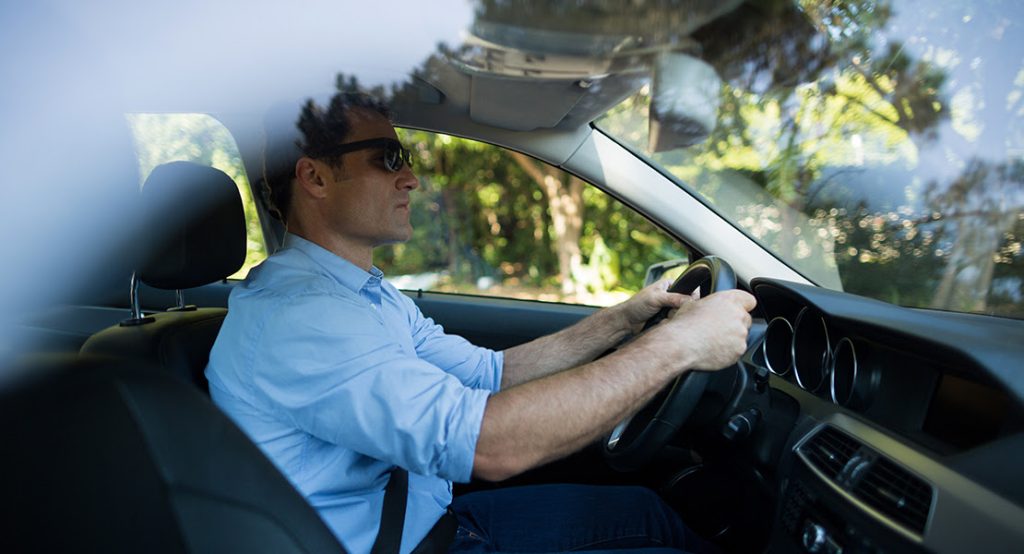
Most standard window tints are made with dyed film or basic materials that are designed to darken your windshield. The job of these films is to block sunlight and UV rays and to help keep your car cooler when it's parked outside. None of the materials in these films will interfere with the radio frequencies. Most drivers with tinted windshields never have any problems with their FasTrak transponders for this exact reason.
The film sits directly on your glass and brings down the amount of brightness that comes through. But it doesn't interfere with any of the electronic frequencies that need to pass through it. The data from your transponder still goes back and forth just the same as it would with an untinted windshield. Thousands of drivers already use FasTrak without any problems, even with different levels of tint on their windows.
Tints That Block Your Transponder Signals
The type of tint you have on your windshield affects how well your FasTrak transponder works. Metallic window films usually cause the most problems with signal performance, and it all depends on what's actually inside the film itself. These metallic films have metal particles in them (yes, little bits of metal!) that do a great job of blocking the radio waves your FasTrak transponder sends back and forth with the toll readers. All that metal works like a shield between your FasTrak device and the sensors that are on the road.
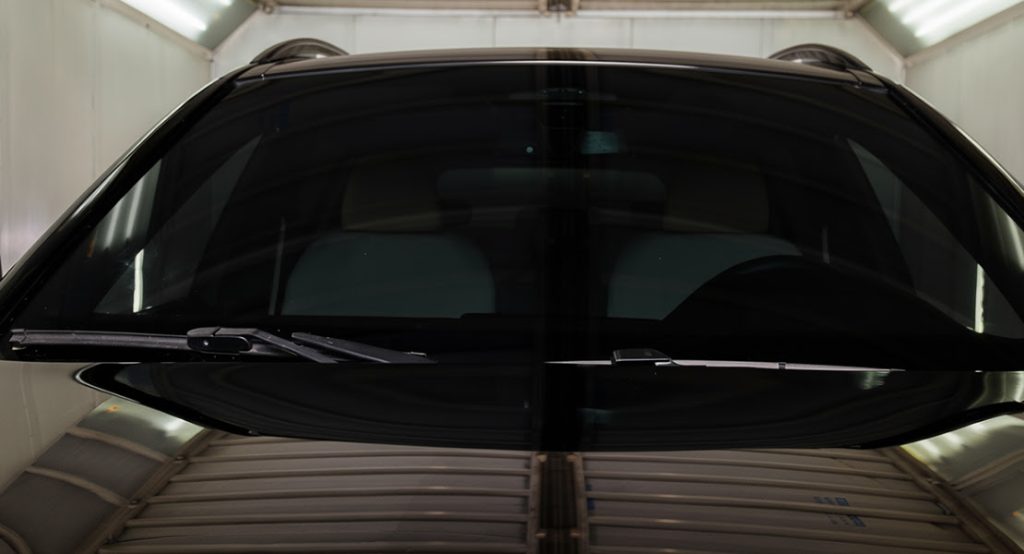
Metallic tint is usually pretty simple to find from the outside of a vehicle. The film itself has a shiny, reflective quality that's pretty obvious if you know what you're looking for. Ceramic tint works differently, though - it's much harder to find because most ceramic films are either nearly see-through or they only have a very light tint to them that can be hard to detect.
The simplest way to find out is to get in touch with whoever it was that installed the tint and just ask them what type of film they used. Most installers keep detailed records of every job that they do, so they'll be able to tell you pretty quickly if there's any metal in your tint or not. If you bought the car used and don't know what tint is on there, any decent tint shop should be able to figure it out for you. They work with all kinds of window films day in and day out, so usually they can tell what you have just from a quick visual inspection.
Find the Best Spot for Your Transponder
After you get your transponder ready, the next step is to find the right place to mount it. The area behind your rearview mirror does the job for most vehicles because the tint there tends to be thinner than the rest of the glass. Many windshields have a darker strip of tint along the top edge to block the sun. But this strip can get in the way of the signal. You should position your transponder away from that darker section for the best performance.
Your main windshield is always the best place to mount your transponder. The side windows won't work as well because most cars have darker tint on the side glass, and the angle on those windows makes it pretty tough for toll readers to get the signal from your transponder. A little bit of tint on your windshield won't cause problems - it's still going to work way better than any of your side windows will.
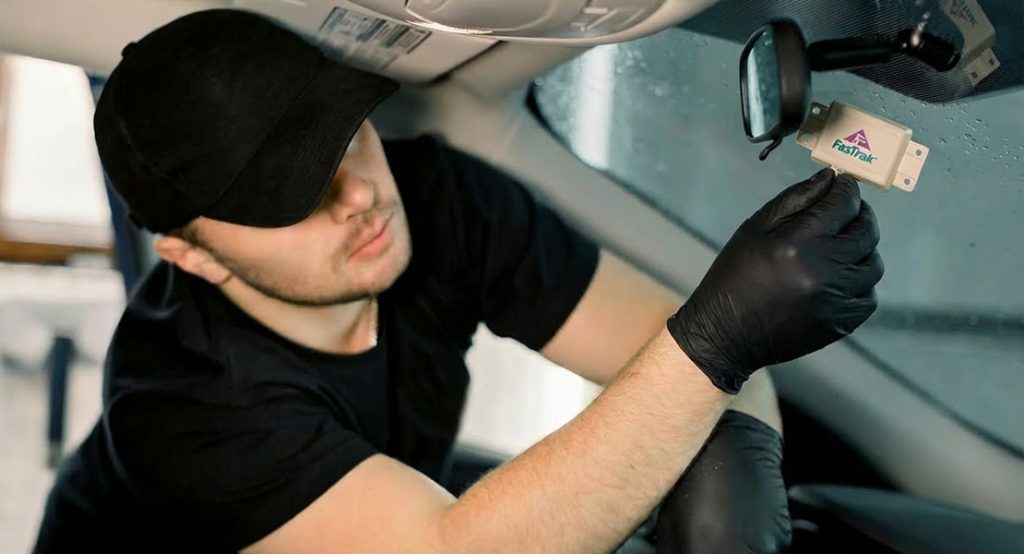
You'll want to clean that area on your windshield really well before you stick the transponder anywhere. Dust and fingerprints are the obvious culprits. But the natural oils from your skin can also get in the way and stop the adhesive from creating a strong bond. When you get the glass nice and clean, take the transponder and give it a firm press against the surface for at least a few seconds. A strong bond right from the start is going to cut down on the odds of it peeling off or falling down as you're on the road.
Tint on your windshield that's blocking the transponder signal has a pretty easy workaround. You just need to find a clearer section of the glass to stick it on instead. The areas with less tint coverage let a lot more of the signal pass through, and the toll readers can pick it up without any problems. Usually, just moving your transponder over by 1 or 2 inches is all it takes to get it working the way that it should.
Once the transponder is mounted in the location you picked, the next step is to test it and make sure everything is actually working the way it should.
Fix Your Toll Road Problems
After you mount your transponder, the next step is to test it out and make sure that everything is reading correctly. You can drive on a local toll road (the 73 or 241 work well for this) and go through the FasTrak lanes at whatever speed feels comfortable to you. You don't need to worry about slowing down or driving any differently than you normally would through there.
After a day or two, you can log into your FasTrak account online. Once you're in there, the toll charges from your test drive should show up in your transaction history. As long as those charges appear with the correct date and location information, you'll know that your transponder can read correctly through your tinted windshield.
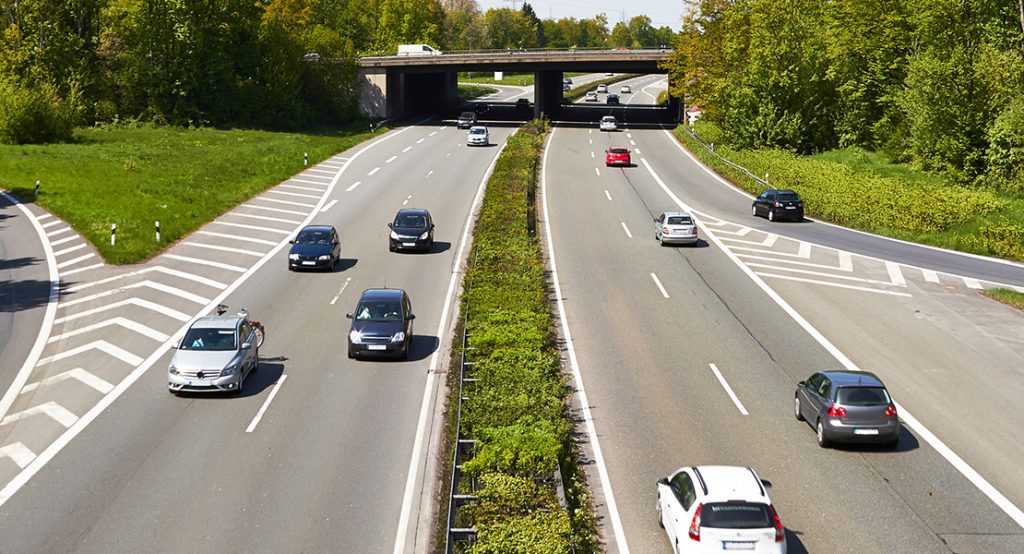
Every once in a while, a violation letter might arrive in the mail, even with a transponder installed on your windshield. The system can fail to read your tag on some of the trips - maybe the angle was off, or the transponder's battery was low, or there was a glitch with the reader. When this happens, you should contact FasTrak customer service as quickly as you can and have your account information ready.
You should give them the exact location of where you placed the transponder on your windshield and tell them about your window tint, too - the percentage can matter. Most customer service reps can go into your account and remove any false violations once they have the information about your setup. It's also worth it to keep your own records of every toll road trip that you take. You can write down the dates and the exact locations each time. Having these records on hand can help quite a bit if you ever need to dispute a charge or prove that your transponder was working correctly.
After you get fresh tint installed on your windshield, you should run another transponder test to make sure that everything is working correctly. Even though your transponder worked fine before, the new tint can affect the signal. A quick test drive through your toll plaza will tell you pretty fast if you'll have to adjust the position or maybe try a different mounting option altogether.
Simple Fixes for Your Tint Problems
Windshield tinting can get in the way of your transponder's signal even when you've mounted it right where FasTrak tells you to. It's actually a pretty common problem for drivers with tinted or metallized windshields. It's not that hard to fix. External mounting brackets are probably the most popular way to deal with this. These brackets attach directly to your license plate area and move the transponder away from the metallized glass. Once it's been relocated down there, it'll be able to communicate with the toll readers a lot more reliably along your drive.
A FasTrak Flex transponder is another option that might help. These have a built-in switch that lets you flip between different settings based on whether you're carpooling or not. If there's a windshield section where the tint isn't quite as dark or as heavily metallized, a Flex unit mounted in that spot will read a lot more reliably. They're adjustable, so you can test out a few different mounting places on your windshield until you find one that reads well every time.
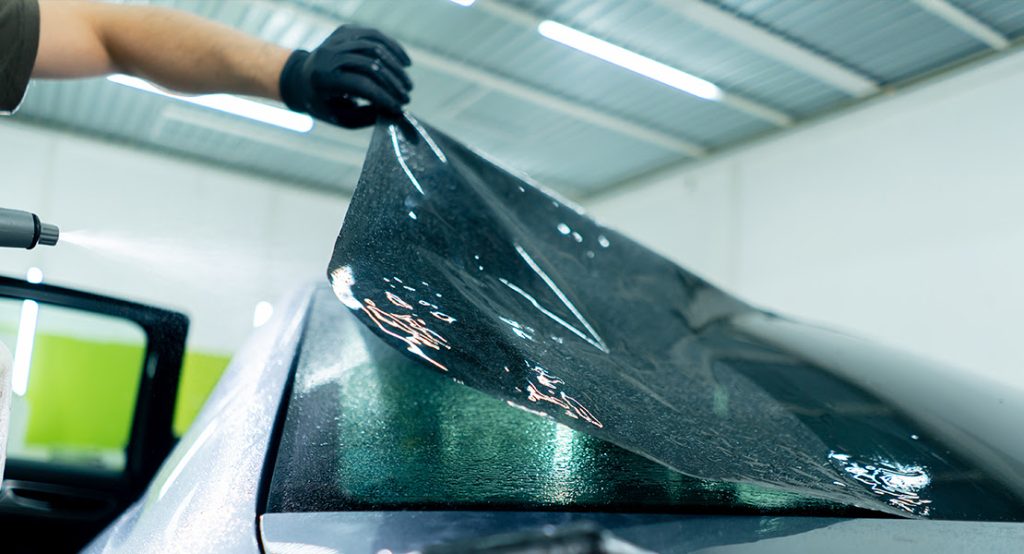
RFID-compatible window films are worth a look if you're planning to retint your windows or add some film later anyway. These films are made to allow your radio signal to pass right through them, and you'll still get the same heat reduction and UV protection that you'd expect from standard tint. You get the best of both worlds - you can keep your windows tinted, and you won't have to worry about any transponder problems.
Each one of these options is built on the same principle - you're either moving the transponder to somewhere where it can communicate freely, or you're going with materials that let radio waves pass right through them. The goal is always to give that radio signal a clean, unobstructed path from your transponder all the way to those readers mounted above the toll lanes.
Transform Your View with Professional Tinting
Most Orange County drivers don't need to worry about this - a tinted windshield usually won't cause any problems with your FasTrak transponder. Dyed and ceramic tints work just fine with toll road technology, and between those two, you have most of the window films that are actually out there on cars. The important part is figuring out which type of tint is on your car and then checking that your transponder sits in the right place on your windshield. As long as you have both details figured out, you can drive through the 73, 133, 241 and 261 without worrying about whether your toll is going to register.
A metallic tint that blocks the signal won't leave you stuck picking between tearing out your window tint or racking up missed toll charges forever. A few easy fixes can take care of this. The easiest fix is to move your transponder to a different place on the windshield. You could also swap it out for an exterior mount version or go with one of the license plate models. FasTrak actually designs its transponders to work with all kinds of different vehicles and window setups, and the support team has probably seen your exact situation before.
What I'd recommend is to test your setup next time you drive through a toll road - just listen for that confirmation beep. If anything goes wrong, at least you'll know what needs to be fixed and how to handle it.
A professional installer who knows what they're doing will make your life much easier when the time comes to choose the right tint for your car. OC Tint Shop has helped thousands of Orange County drivers find that sweet balance between style, comfort and how well the tint actually performs in conditions. Our team understands what local drivers around here need - a cooler interior when the summer heat gets intense and the confidence that your tint won't interfere with your FasTrak transponder or any other electronics in your vehicle. We only work with quality films that won't cause problems with your technology, and our technicians have the experience to get every installation done correctly the first time around. To improve how your car looks and feels without sacrificing your toll road convenience, contact us for a free consultation, and we'll help you find the right tinting option.