
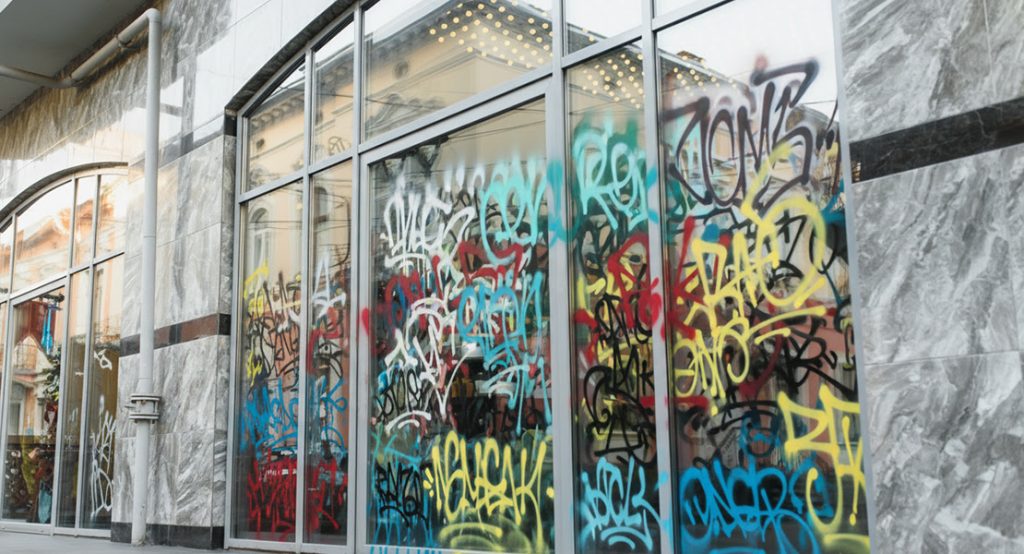
Dawn breaks, and your storefront windows are covered in spray paint - what should have been a normal Tuesday just became an expensive problem to solve. Every tagged window means lost revenue as you scramble to find a glass contractor, field questions from worried neighbors and worry that the vandals will show up again next week. Business owners in Santa Ana, Anaheim and Costa Mesa face this over and over, and it can cost more than two thousand dollars to replace just one large storefront window.
Anti-graffiti film is a different option than a full window replacement. The film is a thin protective layer that sits on top of your glass, and when vandals come along and tag your window with spray paint, the film takes the damage as your glass stays untouched underneath. Once the film gets hit, you can peel it off and then apply a fresh layer for a fraction of what you'd pay for a brand new pane. Storefronts in high-traffic areas get tagged over and over again, and the cost savings from the film versus repeated window replacements do add up over time.
Let's talk about how anti-graffiti film can protect your Orange County storefront from vandalism!
Film Takes All the Damage Instead
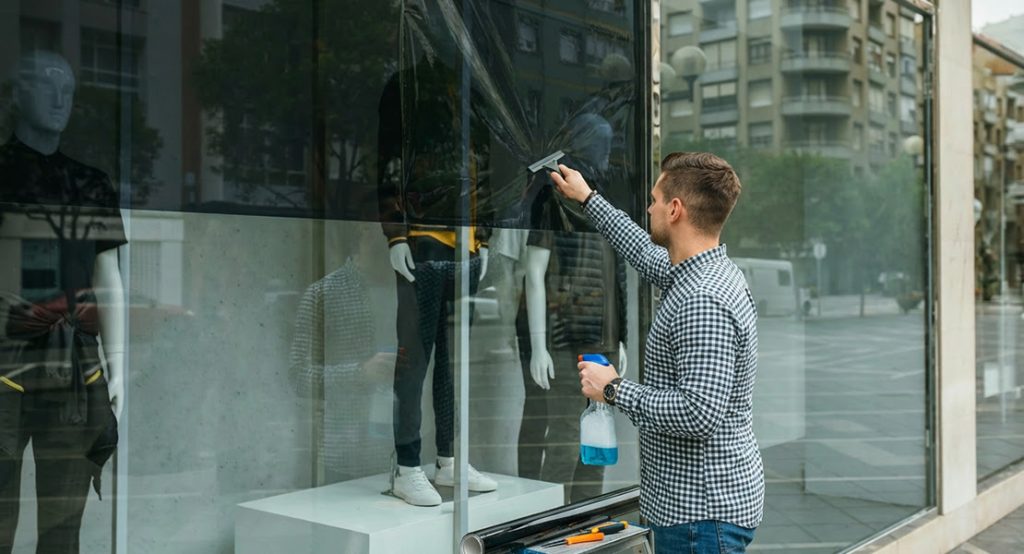
Anti-graffiti film is actually a better way to manage this problem. The film sits right on top of your glass and takes the abuse from vandals instead of your window taking it. When vandals spray paint or scratch up your property, all that damage goes into the film, and your glass doesn't get touched at all. Just peel away the damaged film and stick a fresh film on there. Your original window is still in great shape because it was never exposed to any of the vandalism.
The money that you'll save with protective film is real, and it piles up quickly. A single glass panel replacement will cost you anywhere from $500 to $2,000 per window, and it can go even higher if you have bigger windows or specialty glass. Film replacement costs just a fraction of what you'd pay for new glass, which matters if you get hit with graffiti more than once or twice a year. Those savings compound fast when you only replace the film instead of entire glass panels. Shop owners who get targeted multiple times throughout the year will see a dramatic reduction in their annual maintenance costs after just 12 to 24 months with anti-graffiti film.
Glass replacement also means downtime - and plenty of it. You'll have to wait around for the installation appointment, and the whole process can stretch out over a few days. Most businesses board up the opening with plywood or something similar just to keep it secure in the meantime. Film replacement works differently because it only takes a few hours to get back to normal. The window gets fixed, and then everyone moves on. For any business that needs to have its storefront looking professional, that time difference between the two options can be a dealbreaker.
A retail owner in a busy part of town could be looking at graffiti vandalism every few months (and in some places, it happens all the time). If your storefront doesn't have any protection, every time vandals tag your windows, you're stuck paying for expensive repairs and the issues that come along with it. Anti-graffiti film changes the way you manage this problem. What used to be an expensive, frustrating cycle turns into something manageable that you can fix fairly fast. The film takes the damage instead of your glass. You remove the ruined layer and then apply a new one - you're done in an afternoon. You don't wait on contractors, you don't schedule big glass replacements, and you don't shut down for days at a time. Just a quick fix and then you're back to business as usual.
Pick the Right Film For Your Windows
Anti-graffiti film comes in two main types, and they each protect your glass in a slightly different way. Which one makes the most sense for your property can depend on what type of graffiti damage you're trying to stop.
Sacrificial films are the thicker option at around 8 to 12 mils, and they'll usually run you between $3 and $6 per square foot. If graffiti or scratches show up on your windows, you just peel off that damaged layer and put down a fresh one. The glass underneath stays in perfect condition because the film took the damage instead of the window itself.
Permanent films are on the thinner side (we're talking about 4 to 6 mils here), and they cost a bit less at around $2 to $4 per square foot. These are meant to stay on your windows for the long haul, which means you won't be replacing them every time a vandal tags your property. When graffiti does show up, you just clean it off with the right solvents. The film itself is actually quite tough and can hold up through multiple cleaning cycles before you'll need to swap it out for a new one.
Which film makes more sense for your business can depend on how frequently you run into graffiti. If vandals target your storefront, sacrificial films are probably going to be your best bet because you can just peel them off and replace them whenever you want to.
The budget matters when you're making your choice. Permanent films are going to have a lower starting cost, and what's nice is that this value extends across multiple incidents that happen over time. Sacrificial films cost more per square foot to buy. But each time you replace one, you get a brand new surface to work with. Either one of the options can be a fit - it can all depend on what matters to you and how you'd manage maintenance over the long term.
Busy Areas Get Hit with More Graffiti
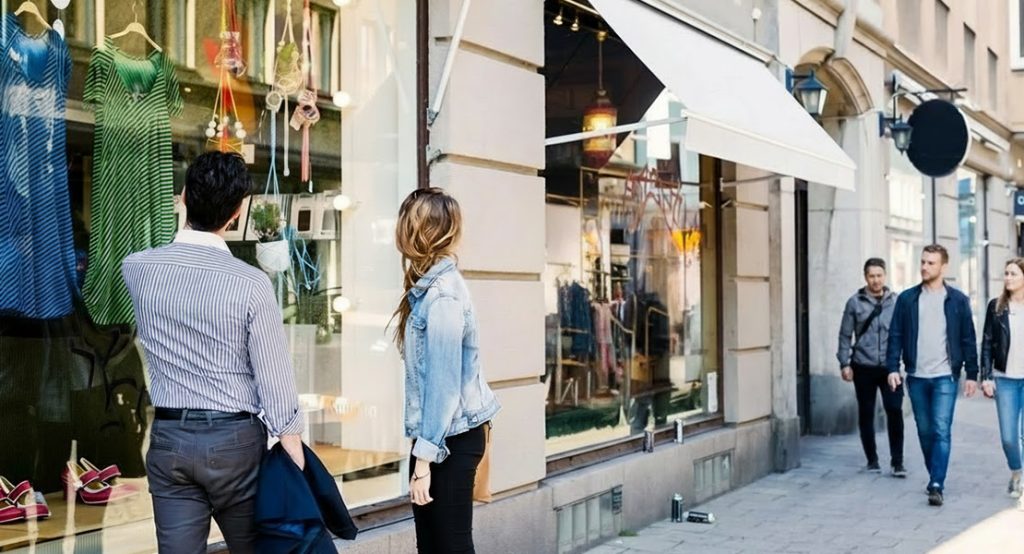
Graffiti activity in Orange County tends to pop up in the same locations over and over again. Downtown Santa Ana is one of the worst areas for vandalism, and a big part of that comes from the businesses and pedestrians crammed into those few blocks. Higher foot traffic gives taggers more opportunities to spray a wall and get away before anyone even notices or tries to stop them.
Some neighborhoods in Anaheim face this problem more than others, and it's usually the ones near big transit stations or along the busiest streets that get tagged the most. Vandals want their work to be seen by lots of passersby, and high-traffic places guarantee that plenty of eyes are going to land on their tags every day. Visibility is what drives this. Huntington Beach has the exact same problems in some places. Storefronts that sit near the beach entrances or right in the entertainment districts get hit with graffiti more than the quiet residential streets just a few blocks away. Foot traffic and the activity levels explain most of this pattern. Chart out the places where crowds hang out and spend their time, and the graffiti patterns will start to make a whole lot more sense.
Business owners in these high-traffic areas know pretty fast just how expensive the damage can get. A single graffiti incident might cost you anywhere from a few hundred dollars to a few thousand if the glass needs to be replaced or if you have to bring in a professional crew to take care of the masonry cleanup. Once you've dealt with this headache once or twice, most owners in the affected areas start to see that anti-graffiti film will pay for itself.
The film acts as a sacrificial layer between the vandals and your glass. When a vandal comes along and tags your window, you just need to peel off that damaged film and put a fresh sheet on. The original glass underneath stays protected and untouched. Sure, this won't stop the vandalism from happening, but it still gives you an easy way to manage the problem without draining your maintenance budget every few months on expensive glass replacement or professional cleaning services.
A storefront on a packed Santa Ana street corner will face very different challenges than one in a sleepy part of the county.
Best Time to Install Film
The weather in Orange County has an effect on film installation for commercial properties. The coastal humidity and the temperature changes we see throughout the year can directly affect how well the film bonds to your glass. Strong adhesion from the start is what determines if your film holds up or if it starts failing within a few months.
For the best results, you should schedule your window film installation between October and March. Those cooler months are perfect because they give the adhesive enough time to set up the way it should, and you don't have to worry about the summer heat stressing the material during the process. Temperature swings and high humidity work against you - the film needs stable, steady conditions to bond correctly with your storefront glass.
A professional installation will make the difference. The installer needs to be able to read the conditions and adjust their technique on the fly, which requires real expertise. A rushed job or a DIY attempt will usually start showing problems within a few weeks, and the film will start to lift at the edges or bubble up in places.
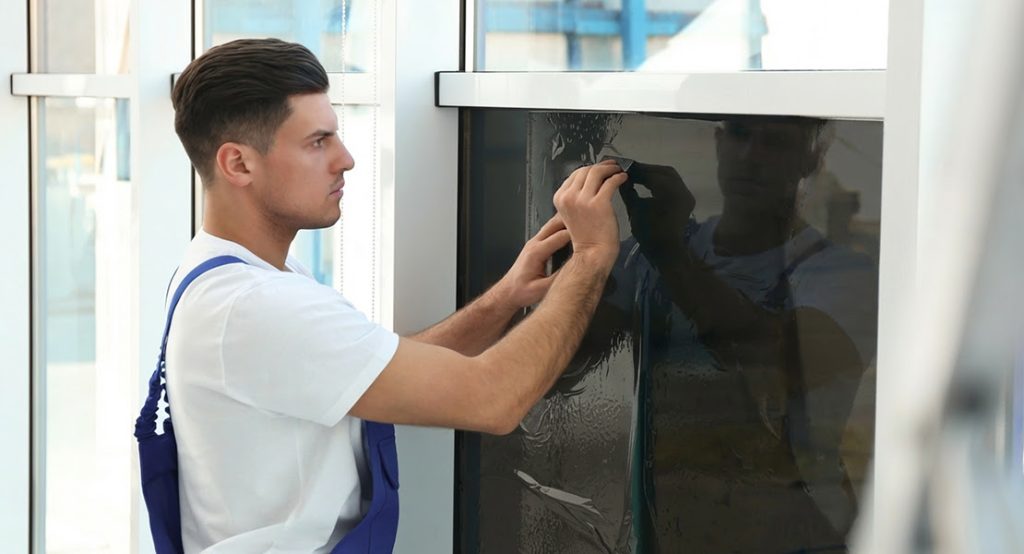
When an installation doesn't go as planned, the film might start to peel away after just a few months. Bubbles can form underneath the surface and trap moisture in there, which will make your storefront look run-down and like nobody's been taking care of it. Even worse than the appearance issue, you lose the protection that you paid for right when taggers hit your windows.
An experienced installer will check the humidity levels and the surface temperature before they start working with the glass. The surface needs to be prepped correctly, and the film has to be applied when the conditions allow the adhesive to actually bond in the way that it should. When an installer pays close attention to these details, your film will last longer, and your storefront will continue to look more professional over time.
More Ways to Protect Your Storefront
Graffiti film works on its own. But you'll see even better results if you combine it with a few other protective measures around your storefront. Layering different types of security together like this makes it much harder for vandals to even get to your windows.
Liquid anti-graffiti coatings are a great option if you have surfaces that just can't work with the film. The price usually falls between $1 and $3 per square foot, and that's pretty fair for what you get. After you apply them, they create a protective barrier that bonds to rough surfaces like brick or stucco (places where the film would never stick). You should reapply them every few years so they do their job. But that's just part of how these products work. These coatings complement the window film quite well if you're planning to protect your whole building's exterior!
Security cameras and better lighting can do plenty to stop vandalism before it even starts. Cameras don't need to cost a fortune to work well, either. A basic model is usually enough to make vandals think again when they see it watching your storefront. Bright lighting around the property helps just as much - it removes the cover of darkness that vandals need when they're trying to tag your walls without being spotted.
You might not know that landscaping can help to protect your windows from graffiti. Putting the right plants in the right places makes it much harder for vandals to get close to your windows. Thick hedges work well, and thorny bushes are even better. They don't want to squeeze through lots of thorns just to spray paint your glass. You'll need to plan ahead a little bit. But it's a great way to give you some extra protection without turning your building into a compound.
All this works best if you use it alongside the window film instead of as a replacement for it. The film is what takes care of the mess and the cleanup when vandalism does happen. Everything else is there to cut down on how much you'll need to use that protection.
Transform Your View with Professional Tinting
Owning a storefront in Orange County means you'll work with all kinds of challenges, and graffiti has to be one of the more frustrating ones. No business owner wants to see their windows tagged with spray paint. The issue shows up when business owners think that replacing the glass is the only way to fix it. Protective film actually works as a much better option because it lets you take care of vandalism fast, keeps your costs under control, and you won't have to close your doors as you wait around for repairs to finish.
Waiting until your windows actually get damaged means you're going to wind up paying quite a bit more in just about every way. Emergency glass replacement is expensive, and the business hours that you'll lose can add up fast. Prevention is the better move for your budget. Once you already have the right film in place, you can just peel off the damaged layer and get back to work instead of spending half your day on the phone trying to find replacement quotes that won't break your budget. It's an investment that does earn back its value the first time something happens.
OC Tint Shop works with Orange County business owners who want to stop vandalism before it turns into something that they have to work with over and over again. We've been putting protective films on storefronts all around the area for years - at retail centers in Irvine, street-front shops in Santa Ana and just about everything in between. Each property is a little different, so we spend time with you to figure out what's going to work for your situation. Sacrificial film is a great option if you're in an area where graffiti shows up quite a bit, and permanent protection is perfect if you want something that'll last for the long haul without much maintenance.
When you're tired of stressing about when the next guy with a spray can will hit your windows, give us a call, and we can set up a time to come by. We'll show you what's available, answer whatever questions come up and take care of the installation. Your windows get the protection that they need, and your glass stays looking clean, and you can put your energy into what actually matters - running your business instead of worrying about vandals.