
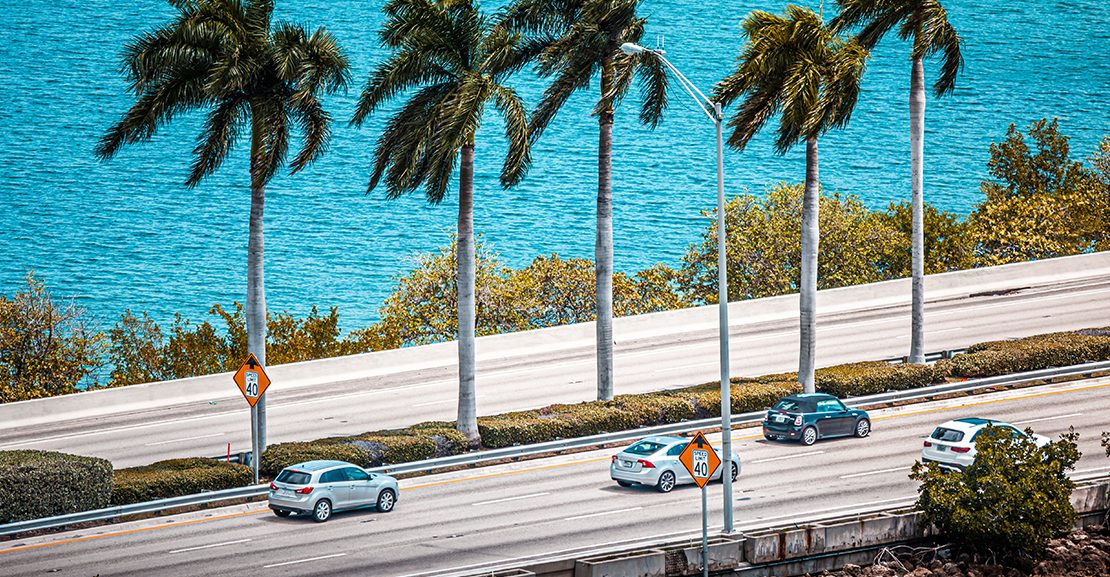
Living a few blocks from the Pacific sounds like a dream - right up until the salt air quietly starts to work on your car's paint, day and night. Newport Beach, Laguna Beach and Dana Point residents usually see dull patches or small paint chips earlier, and when they look for answers, the information gets confusing fast. PPF versus ceramic coating is already a hotly debated topic on its own, and most of what's written about it doesn't quite account for what coastal air actually does to a vehicle.
The two products protect your paint. But the way each one works is fairly different - and so are the threats that each one was built for. Salt air, heavy UV exposure, rock debris kicked up from the PCH and the chemical residue that comes with ocean mist - each one attacks a vehicle's finish in its own way. The wrong product for your situation (or no product at all) leaves a gap in protection, no matter how much you've put into the other.
For coastal Orange County owners, the margin for error is much smaller than in most other areas. A luxury vehicle parked near the water can absorb more wear in a single year than a comparable car inland does in three years. Salt air, humidity and intense UV exposure are a brutal combination, and your protection plan does need to account for it. Getting it right from day one does pay for itself - the right coverage now can save you thousands in paint correction or full respray costs a few years from now. In my experience, the cars that need the most work are usually the ones where the owner went with just one product when the situation called for both.
Let's get into which protection works best for your coastal Orange County car!
How Salt Air Slowly Damages Your Car Paint
The Orange County coastline is a beautiful place to own a car - until you think about what the salt air does to your paint. In areas like Newport Beach and Laguna Beach, the air carries fine salt particles that land on your car's surface and quietly start to eat away at it at a microscopic level - a process called micro-corrosion that moves slowly and silently, well beneath the surface, long before you'd ever see anything wrong.
By the time the paint starts to look dull or develops visible pitting, the damage underneath has already been at work for quite a while. Salt damage is a quiet process - it almost never gives you any early warning. The visible signs show up long after the deterioration has already taken hold - it's probably the part that bothers me most about it.
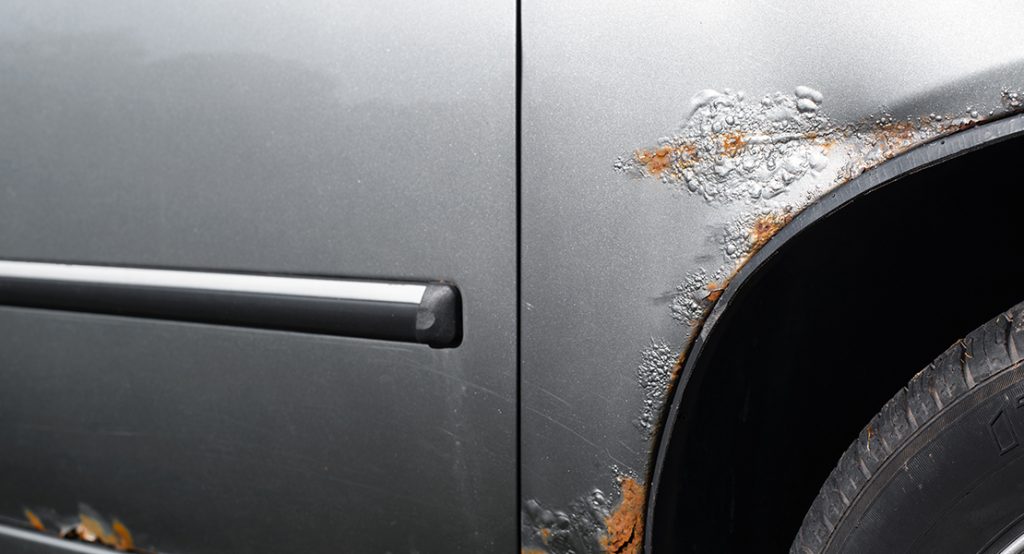
PPF and ceramic coating work very differently, and for a coastal environment, the difference between them matters. Paint protection film puts a physical layer between your paint and everything outside of it - salt particles and road debris never actually touch the surface. Ceramic coating works differently - it bonds directly to your paint and forms a chemically resistant shell that blocks contaminants well and resists chemical damage over time. But there's no physical thickness to absorb or deflect salt particles that actively press and scrape against your paint.
Ceramic coating is very tough against chemical attacks - acids, road grime and bird droppings, all of that. What it can't do is stop physical wear. It's just not thick enough for rocks and debris that grind against your paint over time. PPF is built for just that direct contact.
The Sun Fades Paint Faster Near the Coast
Southern California gets some of the most intense sun in the entire country, and the UV index along the coast is a pretty obvious reminder of that. In cities like Newport Beach and Dana Point, any car left outside is in direct sunlight for most of the day. That level of steady UV radiation does actual damage to the paint pigments.
Ceramic coating has an edge here. A well-applied ceramic layer bonds directly to your paint and forms a protective barrier against UV rays. That barrier slows down the oxidation process responsible for making your color go dull and fade over time. PPF is great at plenty of other jobs and does block some UV. But it wasn't designed with long-term fade prevention as the priority.
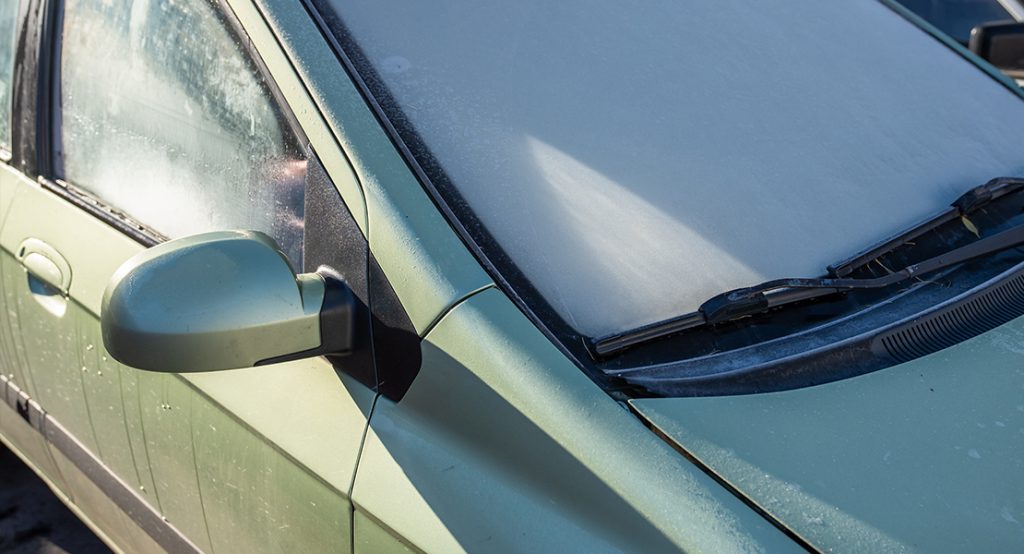
Paint fade is a slow process - it's what makes it easy to miss until it's too late. A car that looked great in your driveway two summers ago can look noticeably washed out by year three - especially on darker colors, which show oxidation much faster. By the time something actually looks off to you, the paint underneath has already started to break down. A faded black or navy car looks awful in a way that a white or silver car just doesn't - and once the color starts to go, it's not something that you can just fix without a full paint correction.
If your car lives outside and you're anywhere near the water, UV protection should be at the top of your list - and it's one of the more underrated arguments for ceramic over PPF, at least in my experience. Ceramic coating won't stop a rock chip or a door ding (that's what PPF is built for), but if you want your paint to stay rich and bright under the California sun, ceramic has the edge.
PPF Protects Your Paint From Rock Chips
Driving the 405 or Pacific Coast Highway on a regular basis means your car's paint is probably taking more damage than it shows. Loose gravel, road debris and sand from other vehicles all hit hardest on the hood, the front bumper and the fenders - those are the panels that sit directly in the path of oncoming traffic. Over time, those same surfaces are where the chips and small gouges build up.
A fresh chip in the coat is one of the most frustrating sights to come back to on a car that you put effort into - and from what I see, these particular roads are pretty rough on the paint. It's just a consequence of driving in this area. The 405 and PCH are high-traffic corridors with plenty of debris - and the wear on your paint stacks up fast.
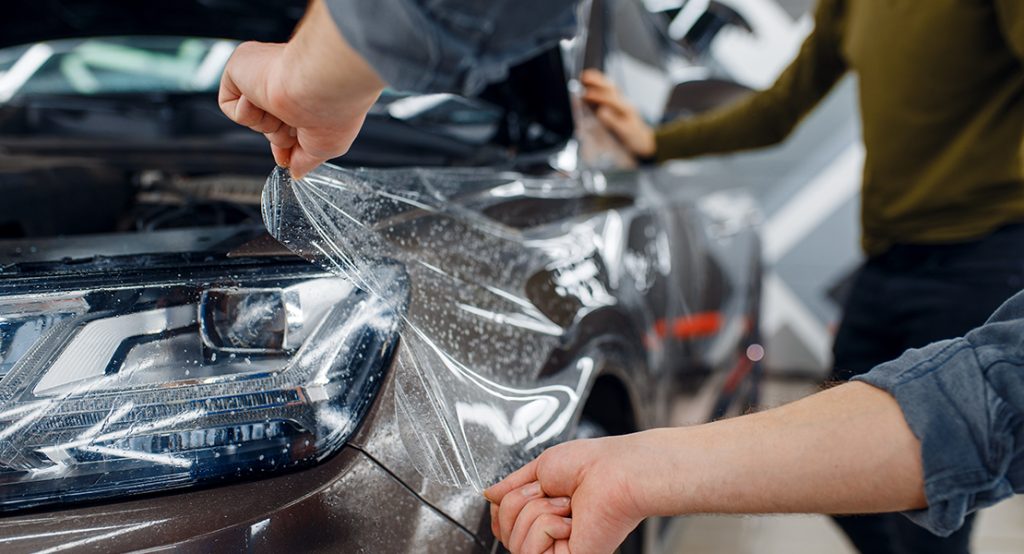
That's where PPF earns its keep. The film itself is thick enough to take the hit from a small rock or stray road debris before it ever gets anywhere near the paint underneath. On the panels that take the most abuse (your hood, your bumper and your front fenders), that extra layer gives you protection that holds up over the years. And if you're logging miles on coastal roads throughout the year, it's one of the better long-term investments that you can make for a vehicle that you actually care about.
Ceramic coating works in a very different way. It bonds directly to the surface and builds up hardness, which is great for several applications. When a rock hits the surface, there's nothing there to absorb it. That hardness doesn't give way or flex, so a rock will go straight through it. Ceramic coating performs well in plenty of other areas - chip protection just isn't one of them.
PPF is the only product that resists physical damage in driving conditions - and on coastal roads, especially, that matters quite a bit. Ceramic coating pairs well with it, and the two make for a great combination. On its own as a defense against chips and gouges, ceramic coating just won't be enough.
How Ceramic Coating Keeps Your Paint Safe
Ceramic coating works a bit differently than paint protection film. PPF physically absorbs and deflects the force. But ceramic coating lays down a hydrophobic layer on top of your paint, one that sends water sliding right off the surface. Near the coast, it matters quite a bit.
Coastal Orange County is a place where moisture ends up on your car almost every morning. Ocean mist settles on everything overnight. When those mineral-rich water droplets dry on your paint with no protection in place, the minerals slowly bond to the surface and leave behind water marks. A ceramic coating gives that airborne grime (salt, minerals and whatever else is in the air) far less to latch onto. Bird droppings, tree sap and road grime all wipe off much easier too, before they get a chance to cause any actual damage.
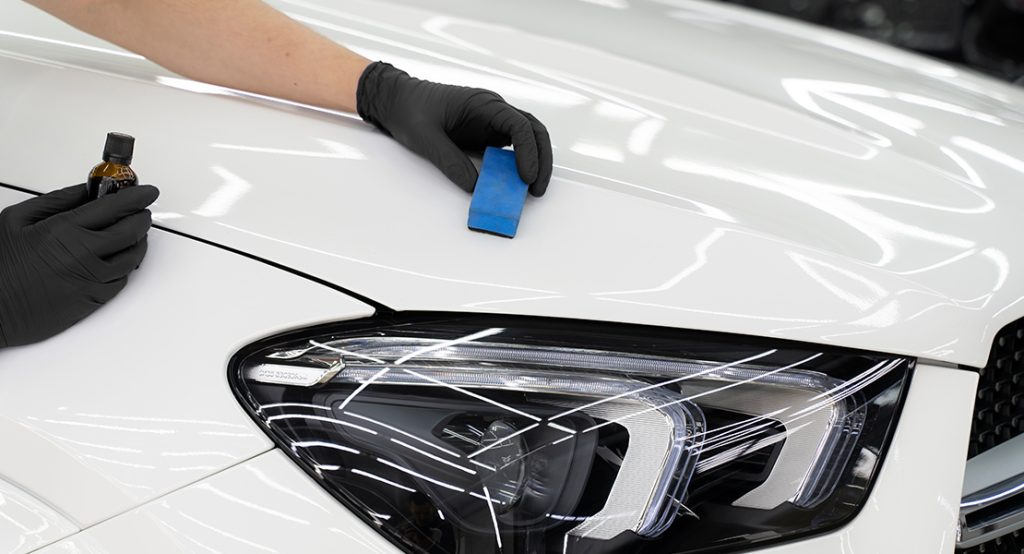
Day to day, that slick surface does help. Dirt and grime don't dig in and bond the way that they do on bare paint, which means a quick wash goes further than it used to.
Something worth keeping in mind before we continue - ceramic coating is not a physical barrier. A rock chip or a parking lot door ding will still leave a mark, no matter how strong the coating is. Plenty of owners have high expectations and find out after the fact that it just doesn't work that way. Where ceramic earns its reputation is in chemical and environmental resistance - UV rays, acid rain, road salt and industrial fallout are all hazards that it's actually built to manage. Anything that hits your car with physical force is a whole different situation.
Why PPF and Ceramic Work Together
The hybrid setup (PPF on the high-wear zones combined with a full ceramic coat over everything else) has become very popular with coastal car owners, and there's a reason for it. Many think these two products overlap. But in practice, they complement each other far more than they compete, and each one covers what the other one can't.
PPF covers the areas that take the most direct hits (the hood, front bumper, fenders and mirror caps) and its whole job is to absorb physical damage from road debris, gravel and anything else that could chip or scratch through to the paint. Ceramic coating then takes care of the chemical side, and in coastal Orange County, that means salt air, UV exposure and the surface contamination that quietly builds up between washes. Between the two of them, physical and chemical damage get handled at the same time, so neither one is left unprotected.
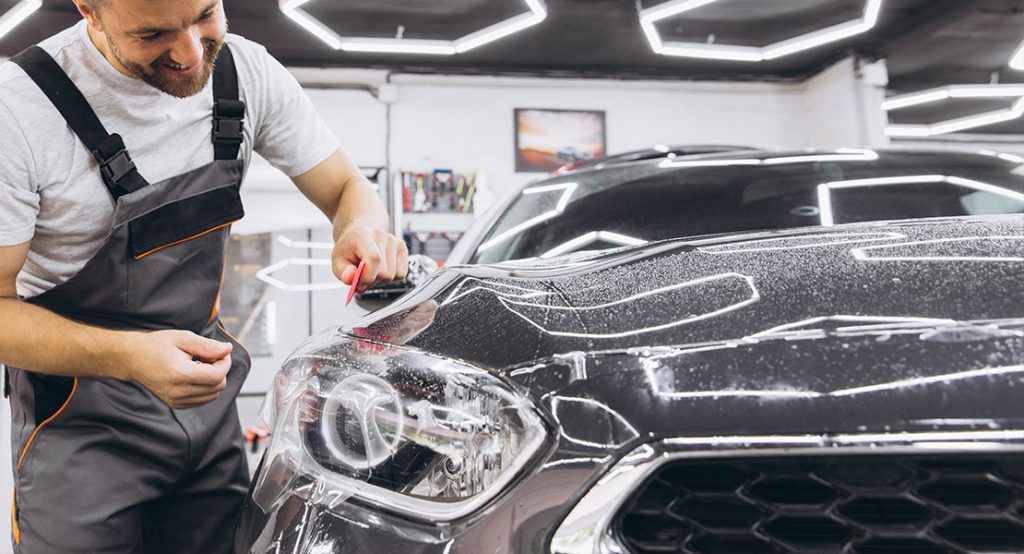
Car owners in places like Costa Mesa and Irvine gravitate toward this setup because their vehicles face two very different types of wear at the same time - heavy freeway miles and steady coastal air exposure. For them, it's not a one-or-the-other problem, which means a one-or-the-other answer just won't work.
The whole idea is that the right product goes on the right part of the car. Not every panel takes the same beating, and the ones that do (your bumper, hood and mirrors) are just the areas where PPF belongs. The rest of the car still needs coverage against environmental wear - it's where the ceramic coating comes in.
The Cost of Each Option in Orange County
A full PPF installation on most vehicles runs anywhere from $3,000 to $8,000. That number can go even higher based on the vehicle's size and how much you want covered. Ceramic coating tends to land in the $500 to $2,500 range - a wide price gap and one that's worth a look.
The environment itself is what justifies it, at least in a place like Orange County. The salt air, UV exposure and road debris from coastal driving are hard on a paint job. A single paint correction or panel respray around here can run anywhere from $500 to well over $1,500 - it's just one visit, with the next few years of wear still ahead.
PPF puts a physical barrier between your paint and all that - and for a luxury or high-value vehicle, the long-term math actually does favor prevention over repair. Ceramic coating is still a great investment - it does add a layer of defense to your paint. Where it falls a bit short is resistance to the debris and road grime that coastal highways can kick up day after day.
For drivers who don't park near the coast or who just have a newer daily driver and not necessarily a showpiece, ceramic coating is usually the more sensible option. Not every car needs the full armor treatment.
The right budget for PPF can depend on what the car means to you - financially and personally. A full install like that isn't cheap. But neither is a paint repair bill after a rock chip or a deep scratch.
The Best Way to Protect a Coastal Car
No matter which one you go with (PPF or ceramic coating), the work doesn't end when the installer drives away. Both products protect your paint well. But neither one is maintenance-free, especially in a coastal environment where salt air and UV exposure are just part of life.
A quick rinse after a day near the beach (or after a stretch of heavy coastal wind) is one of the best habits that you can build into your week. Salt residue doesn't need to sit on a surface for very long before it starts to eat away at whatever protects it. A few passes with fresh water a couple of times a week is a pretty small ask for how much it extends the life of your gear.
The way you wash your car makes quite a difference for either of these products. Touchless washes are a much better option than anything with brushes or abrasive materials - either one can scratch a ceramic coating or slowly start to lift the edges of a PPF film over time. For either one, a hand wash with gentle soap and a soft wash mitt is the best option.
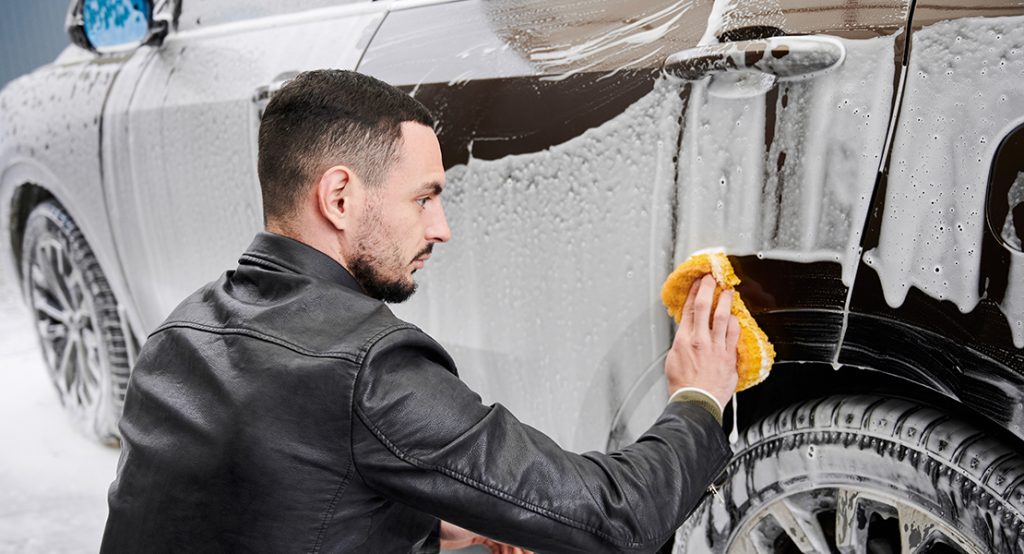
Once a car is coated, it's tempting to feel like the job is done - it can just take care of itself from there. PPF can start to lift at the edges when contaminants are left to sit underneath it for too long. Ceramic coating will slowly lose its ability to repel water the way it should if it doesn't get some steady attention.
None of this needs to be tough. A quick rinse, a gentle hand wash and a periodic check of your film's edges is all it takes, so everything works the way it should. Coastal environments can be tough on these products, and steady habits will do more for you in the long run than a single deep clean.
Transform Your View with Professional Tinting
Car protection in coastal Orange County is never an easy or one-size-fits-all choice, and there's quite a bit to weigh to get it right. The salt air, UV exposure, road debris and the cost of it all - these are the factors that point toward the right answer for each driver. Ceramic coating, PPF on the high-wear panels or some combination of the two - the best option is whatever fits your car, where it spends most of its time and what your budget lets. Not every vehicle needs the same level of coverage, and not every budget has room for the full package - that's fine.
No single product does everything, and the drivers who get their money's worth are the ones who go in with basic expectations and stay on top of their car's care. A ceramic coat won't protect the hood from rock chips, and PPF on its own won't give you that deep hydrophobic finish. Coastal conditions are very hard on paint (the salt, the sun, the steady humidity), but with the right protection in place and a little care, it's all very manageable.
Our team at OC Tint Shop is happy to help. We've worked with car owners all across Orange County, from Laguna Beach to Irvine - and in my experience, coastal paint damage is one of the most underestimated problems we run into. Get in touch with us to set up a free consultation, and we'll put together the right protection plan for your vehicle.