
Orange County homeowners put actual money into upgrades every year, and most of them expect to see at least some of that come back when it's time for an appraisal. Window film tends to be a bit hard to classify, though. The benefits are there (lower energy bills, protected furnishings and quite a bit less glare), but it doesn't look great the same way a kitchen remodel or a brand new roof does. You'll have to know where window film stands before you sign any installation contract.
Part of what makes this so vague is that appraisers work within a fairly rigid framework, and smaller efficiency-based upgrades don't always translate to a clean dollar-for-dollar return on paper. A homeowner who installs a quality solar control film to cut down on energy costs and protect their interior might leave the appraisal with the sense that the improvement barely registered. That happens - but it's nowhere near a guarantee. In my experience, it matters less what the product is and more how well the homeowner was prepared before that conversation.
Better energy performance, stronger buyer appeal at resale, UV protection that extends the life of your floors and furniture and long-term savings that quietly add up over the years are all part of what window film is actually worth. An appraisal is just a look at one point in time.
Let's find out if window film can add to your OC home's value!
What Appraisers Look for in a Home
Appraisers are trained to look at the whole home - its general condition, how well it's been kept up and whether any recent upgrades bring it closer to the level of comparable homes in the area. Window film won't get its own line item on an appraisal report, and it's worth being honest about that right from the start.
What window film actually does is add to the two areas that appraisers look at most. The first is the physical condition of the home - details like the state of the windows, the flooring and the interior surfaces, which are all places where wear and neglect show up faster. Window film helps protect those surfaces over time, so a home that has had it installed for a few years is far more likely to look clean, undamaged and well-maintained. The second area is energy performance, which has been carrying more weight in how homes are evaluated - it's especially true here in California as efficiency standards go up.
Window film works quietly in the background on both of these fronts. An appraiser won't come in and point to it as a flashy upgrade - and that's fine. The effects are very real, and they do get picked up in the full assessment. A home that comes across as well-maintained and energy-conscious will earn that in the numbers, whether or not anyone writes "window film" in the remarks.
A way to think of it is as one part of a much bigger picture. On its own, it won't take you directly to a higher number - but it can quietly add to the home that earns one.
How California Title 24 Affects Your Home
Energy use has moved up the list of factors appraisers care about, and that change traces back to California. Title 24 (the state's energy code) is one of the strictest sets of building performance standards in the entire country, and homes that already meet those standards or are at least built to get close to them usually do noticeably better at appraisal time. In a market like Orange County, where summer utility bills can get pretty brutal, the relationship between a home's energy performance and its appraised value is very real.
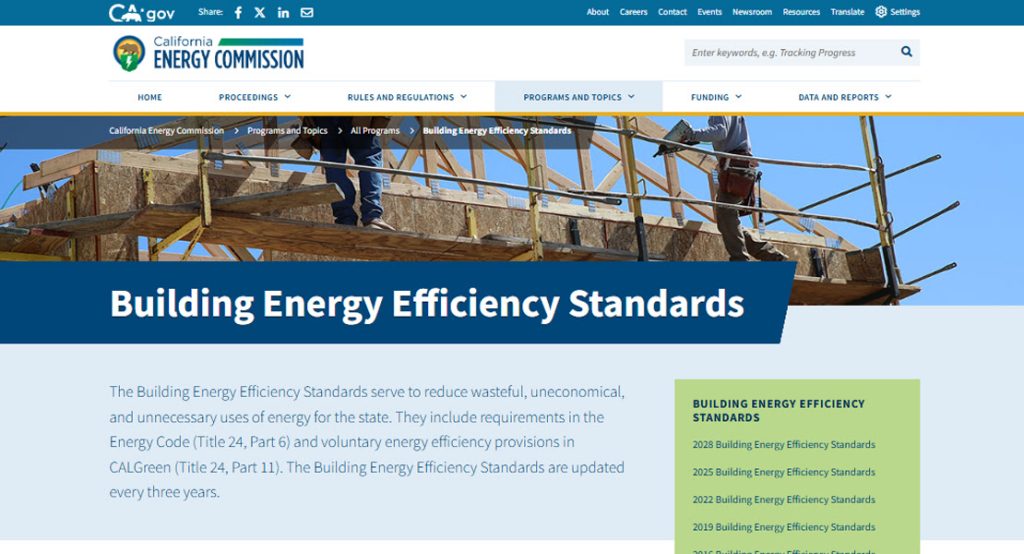
Solar control window film is one of the more sensible ways to bring an older home closer to those benchmarks without a full renovation - it works by cutting down on how much heat gets through your windows, which takes a load off your air conditioning and brings down your energy use from day to day. Even a small drop in heat gain can make quite a difference in how comfortable the home feels and what you're paying on your utility bills each month.
Buyers in Orange County are paying close attention to this, and it shows in how they shop. Monthly utility costs have become one of the first questions that come up, usually well before it gets to the offer stage. A home with lower energy bills through the summer months is a better option, and when enough buyers feel that way, it tends to work its way into what that home is actually worth on paper.
Film alone won't change an appraisal, and it's worth being honest about that. When a home already has quite a bit going for it, an energy-related upgrade like solar control film can help push it toward a stronger valuation. Appraisers who are trained on the green and energy-efficient features will take those details into account, and in a market like OC, they're becoming harder and harder to look past.
The OC Sun is Hard on Your Home
Orange County gets some of the most intense sun exposure in the entire country, and if your home has rooms that face south, they take the full brunt of it throughout the day.
Rooms that face west or south are a great example of this. On a July afternoon, the temperature near the glass will climb well above the rest of the house, the glare makes the TV almost unwatchable, and the room sits empty for hours. For plenty of OC homeowners, that's a genuine quality-of-life problem - and one that comes up a lot.
Most of the damage from sunlight happens where you can't see it yet. UV rays fade hardwood floors, bleach the upholstery and break down the fibers in your furniture - and in most cases, a homeowner won't see any of it until years of damage have already built up.

Window film does something that energy ratings and utility bills don't quite capture - it blocks a large portion of UV radiation before it ever gets to your floors, furniture or anything else inside. Your interior finishes hold up much better over time because of this. A well-maintained interior is actually something appraisers do take into account when they value a home.
In a market like Orange County, where homes hold strong long-term value, that protection is well worth it. The sun isn't going anywhere, and the damage it does builds up slowly over time (slowly enough that it's far too easy to ignore) right up until you have a repair bill that you didn't budget for.
The Real Cost of Window Film
Window film installation in Orange County will usually run between $5 and $15 per square foot - and where your project lands in that range can depend on the film type, the installer and the total size of the job. OC homes are well known for their heavy use of glass. Wide picture windows, large sliding doors and floor-to-ceiling glazing throughout the open floor plans are all extremely common out here - it's very much a signature of the area.
Even on the cheaper end of the price range, the total cost of glass across an entire home can climb into the thousands pretty fast. A little context helps here. It's not a free upgrade. But it's a one-time installation that can lower your energy bills, protect your interiors from UV damage and add a layer of privacy and comfort that home appraisers count as a functional improvement to your property. For a home worth well over a million dollars, a few-thousand-dollar investment is about as safe a bet as home improvements get.
The math gets even more interesting if you put window film up against other fixes for the same problems. Full window replacement is a very different type of project - we're talking about something that costs a few times more and takes much longer to finish. Window film gets you most of the same benefits at a fraction of that price. For homeowners who want something that actually works without committing to a full renovation, it's usually a pretty easy call.
Film Compared to the Bigger Home Upgrades
Of the upgrades that you can make to a home, window replacement and solar panel installation are the two that usually show the strongest gains on an appraisal report - and the data backs that up. They make physical changes to a property, the kind that appraisers are trained to look for and document.
A full window replacement can run well into the tens of thousands of dollars, and the number climbs fast depending on the size of the home and what materials are used. Solar panel systems in Orange County usually start somewhere around $15,000 to $25,000 - that's before any of the available incentives bring the price down. Window film costs a fraction of either option, and most of the installs are done in a day or two.
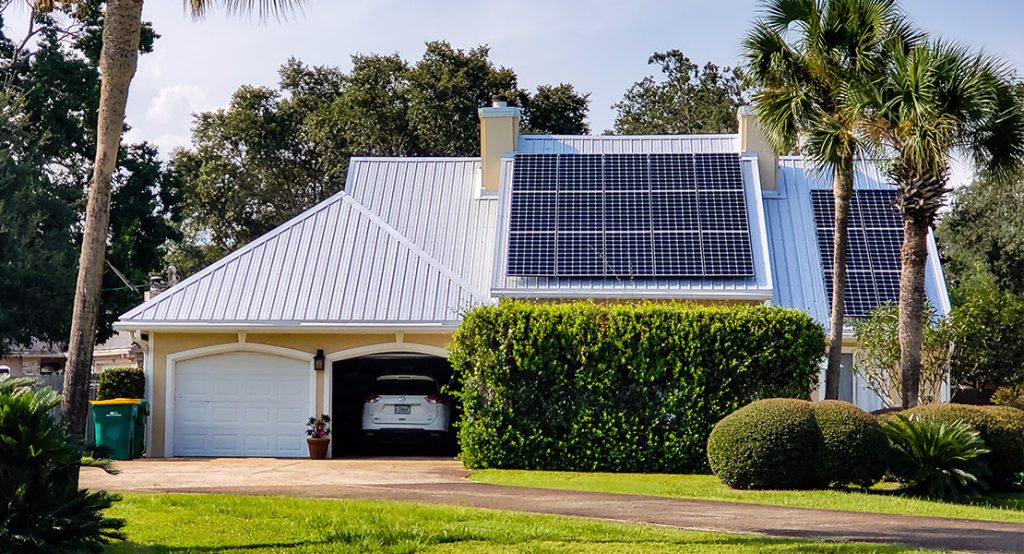
The better question to ask is which upgrade actually makes sense for where you are at this point. A high-cost renovation won't have enough time to pay itself back if you're planning to sell within the next few months. But if you're staying put for a few years and you want lower energy bills and a more comfortable home in the meantime, that changes the math quite a bit.
Window film sits in its own category compared to those bigger home improvement projects. It's practical and immediate - helpful value added to the home that you already have at a price point that doesn't take years just to break even on. Whether that trade-off makes more sense for you than a bigger appraisal bump can depend on your own timeline and what you're trying to accomplish.
How a Home Feels to a Buyer
Window film won't show up as a line item on your appraisal report, and it's not going to move your appraised value on its own. What it does do is change how a buyer feels the minute they step inside your home - and that response carries real weight in the final sale.
When a buyer walks through on a bright afternoon, and the rooms feel cool and comfortable, that impression is one that does stay with them. A home that actually feels welcoming to be in is easier to feel right about. Harsh glare across the living room or a bedroom that runs very hot can quietly work against you when the square footage and the finishes are otherwise great.

It also gives sellers something tangible to talk about during a showing. UV protection, lower energy bills and heat reduction - buyers who want to know only what they're paying for will value having those specifics laid out for them. That honest information builds trust, and a buyer who feels confident in their choice is far more likely to move forward.
An appraiser won't put a dollar value on your window film as a line item - but every buyer who walks through your living room will weigh it into how they feel about the home. In a competitive market, the way a home feels during a showing can matter every bit as much as what it appraises for.
What Should You Have Ready Before Your Appraisal
Appraisers are careful. But they're not mind readers. Any of the improvements that you've made to your home - it's on you to bring those to their attention.
Window film is an example of this - it doesn't announce itself to anyone who walks through your home. An appraiser has no reason to stop at your windows and think about what the film does for your energy bills - to them, it just looks like a window. Your paperwork is what changes that. Have it ready, and you're far more likely to get credit for the upgrade.
Keep records of every upgrade that you make to your home, and window film is no exception. A receipt or invoice with the product name, the installer's name and the date of service gives an appraiser something to reference when the time comes. Any energy bills from before and after the installation are also worth holding onto - those numbers matter.
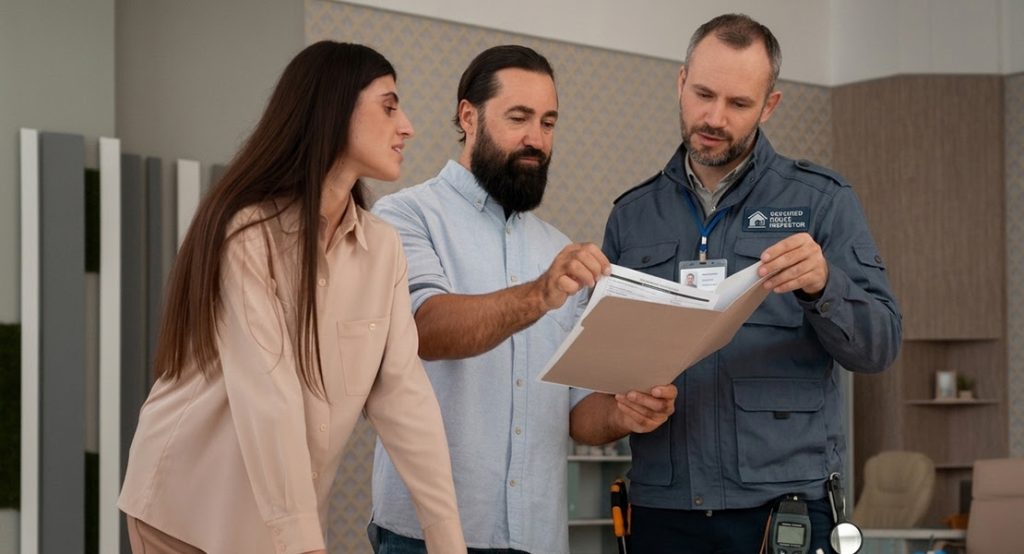
Walk around your home the way an appraiser would, as if you had never set foot in it before. The improvements that you can see will usually speak for themselves. The ones quietly doing their job in the background (the ones built into how your home actually runs day to day) are the ones that need a little help being seen.
In my experience, a short list of your upgrades with dates and costs attached goes a long way. No elaborate presentation needed - just a readable record that gets the value of your work right in front of the appraiser in a format they can do something with.
Transform Your View with Professional Tinting
Window film was never designed to show up as a line item on an appraisal report, and in most cases, it won't. What it does do is feed into something that's much harder to put a number on - the general impression of a home that's been well cared for, updated and built to hold up well in one of the sunniest and most energy-conscious housing markets in the country. That impression registers with appraisers and even more so with buyers who are standing in your living room at the point when they're making up their mind about whether your home is the one for them.
Window film is also a much more manageable investment than a full kitchen remodel or a new roof. A single installation can improve your home's energy efficiency, protect your floors and furniture from fading and make your living spaces noticeably more comfortable. Those three benefits carry weight with buyers and appraisers in Orange County.
For what it costs, the value is hard to beat. Most homeowners walk away with a home that runs better and feels more comfortable to live in - and if a sale is coming up, that's just the combination that tends to resonate with buyers during a walkthrough. In my experience, it's one of the more underrated moves a homeowner can make before listing.
At OC Tint Shop, we've worked with homeowners across Orange County, from Irvine to Huntington Beach - and we'd love to help find the right film for your windows, your goals and your budget. Whether you're ready for an appraisal, about to list your home or just want your space to feel more comfortable to live in, our team is happy to talk about your options with you. A free consultation is a great place to start - get in touch, and we'll take it from there.