
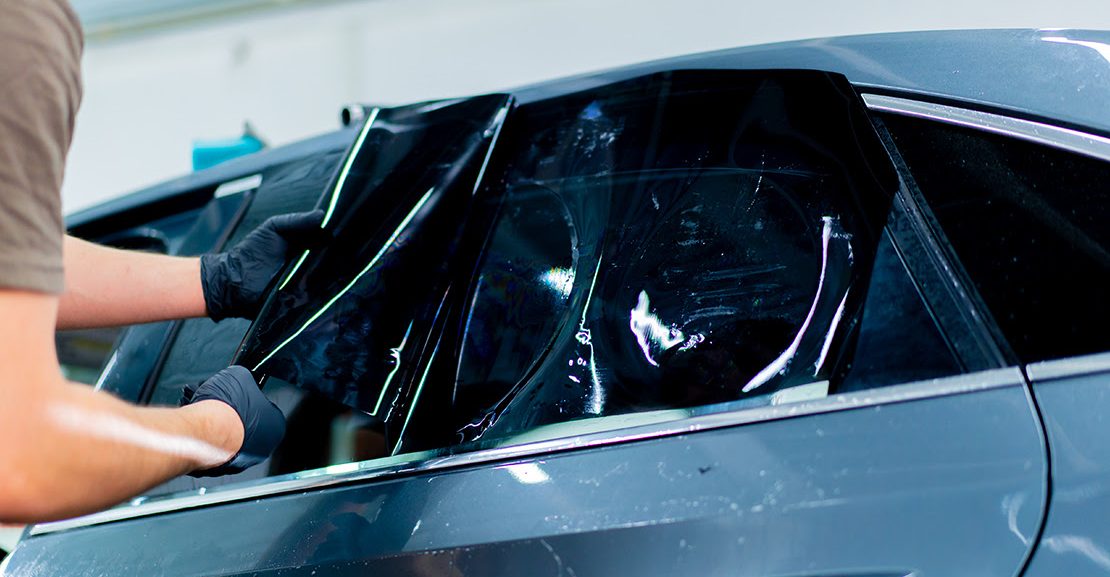
Californians are behind the wheel more than almost anyone else in the country, and yet UV exposure from the commute rarely gets the attention it should. Sun protection tends to be reserved for beach days and hiking trails - not for the morning drive to the office. The average commute gives you a dose of ultraviolet radiation, day after day and over months and years, that adds up pretty fast. The connection between time spent driving and elevated skin cancer odds is well established by now - even if it almost never comes up in conversations about sun safety.
Car windows don't block nearly enough UV on their own. Standard tempered side glass (the kind found in virtually every vehicle on the road) lets a pretty decent amount of UVA radiation pass right through into the cabin. The driver's side gets hit the hardest, and research bears this out. Left-side skin cancer rates in the U.S. run quite a bit higher than the right side. That gap is no coincidence - it's a direct result of the hours spent behind the wheel.
Window film is one of the easier ways to manage this. A quality film can block as much as 99% of UV radiation without needing tinted or dark glass - so you're not giving up visibility to get the protection. For California drivers who spend hundreds of hours a year in full sun, that's a pretty worthwhile upgrade. I'd personally put it right up there with wearing sunscreen every day - a simple step that's hard to justify skipping.
Let's find out if window film could be your skin's best defense!
The Sun Puts California Drivers at Risk
California logs over 260 sunny days a year, and the UV index runs quite high throughout most of the year. For drivers in this state, that alone puts them in a very different place from most of the rest of the country - and it's reason enough to put more thought into day-to-day sun protection than the average person does.
Most drivers don't give much thought to sun protection on an overcast morning. That mental gap is actually a big part of the problem. Your skin still takes a hit even when the sun isn't anywhere to be seen, since UVA rays cut right through cloud cover. A cloudy commute just doesn't feel like a sun exposure situation - it's just where you're likely to lose track of it.
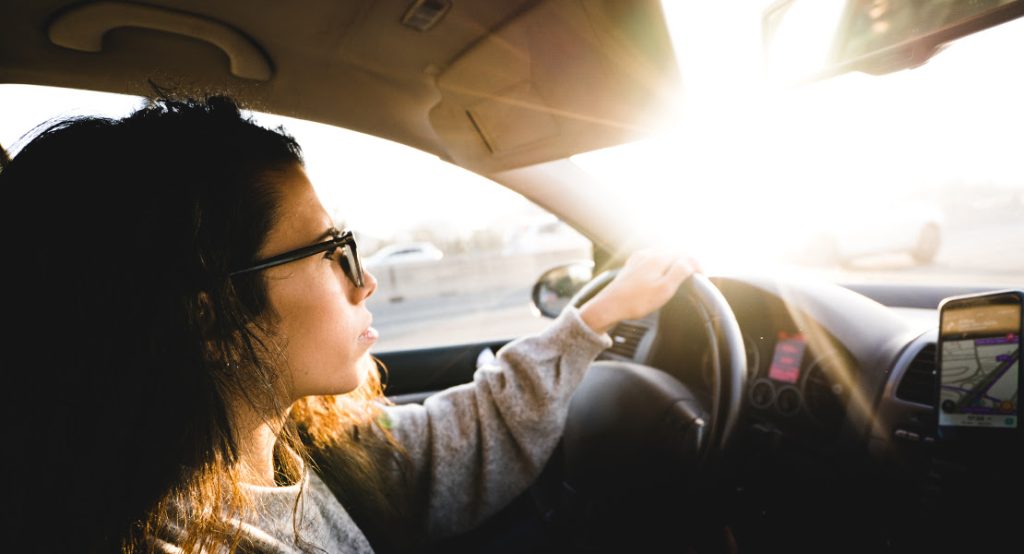
Drivers in California will grab sunscreen before they head out to the shore without a second thought - but that same protective instinct almost never carries over to the morning commute. The average California commuter spends a fair amount of time behind the wheel each day, with direct sunlight that comes straight through the glass at close range. A little here and a little there - the exposure builds up fast.
UVA rays are the particular type most linked to skin aging and skin cancer - and they're also the ones that move through glass most freely. A long drive still counts as time in the sun as far as your skin is concerned. Month after month and year after year, that steady exposure will eventually catch up with you.
The UV Rays That Pass Through Side Windows
Not all car windows are made from the same type of glass, which matters for your skin. Your windshield is laminated glass - two sheets of glass with a thin plastic interlayer fused between them. That plastic layer does a solid job of filtering out UV radiation and nearly all UVB rays along with a large portion of UVA rays get blocked well before they ever reach you.
Side windows are made from a different material altogether. Tempered glass gets put through an intense heat-treating process, which leaves it way stronger and much safer in a crash - great for durability and no argument there. The tradeoff is that it does almost nothing to block UVA rays.
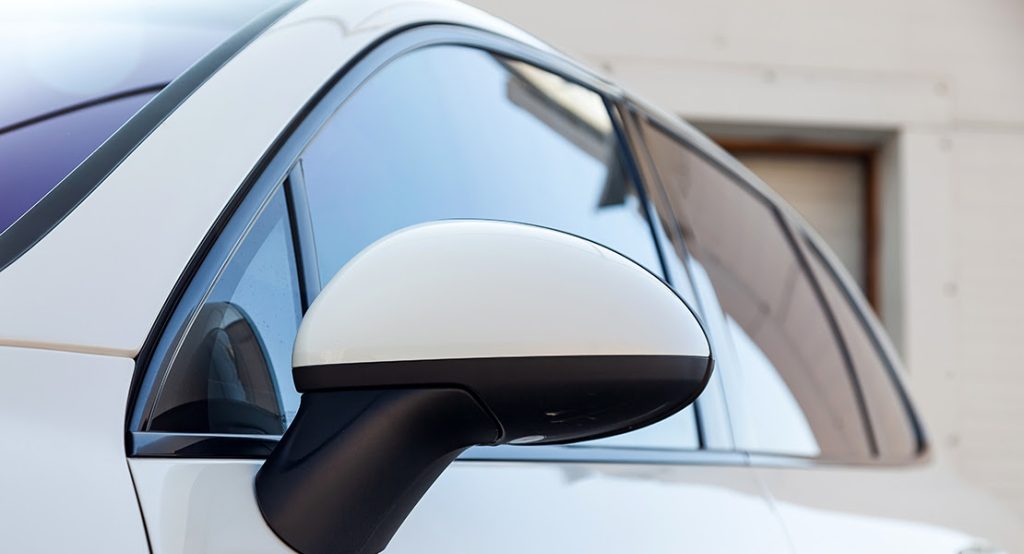
A 2016 study published in JAMA Ophthalmology actually tested this. Scientists measured the UV-blocking performance of side windows across more than 29 vehicles and found that the average side window only blocked about 71% of UVA rays. Windshields, for comparison, came in at around 96%, which is nearly 25 percentage points higher. All the hours most drivers spend sitting right next to those side windows (commutes, long road trips and everything in between) add up to a lot of unprotected exposure over time.
UVA rays are the ones most directly linked to premature skin aging and deeper tissue damage - and they pass right through glass without much resistance. On a long drive with the windows up, your arm and the side of your face closest to the door are still picking up a measurable dose of UV exposure - even on overcast days. Drivers don't account for this, and all that day-to-day exposure adds up considerably over months and years.
The Left Side Has Higher Skin Cancer Rates
That pattern points directly to the driver's side window.
What makes this hard to dismiss is what the international data shows. In countries where drivers travel on the left side of the road, that same pattern flips - drivers there have higher rates of skin cancer on their right side instead. Whichever side of the body faces the window is the side that absorbs the damage, and the numbers line up the same way, no matter where in the world you look. That consistency across these different populations is pretty hard to ignore.
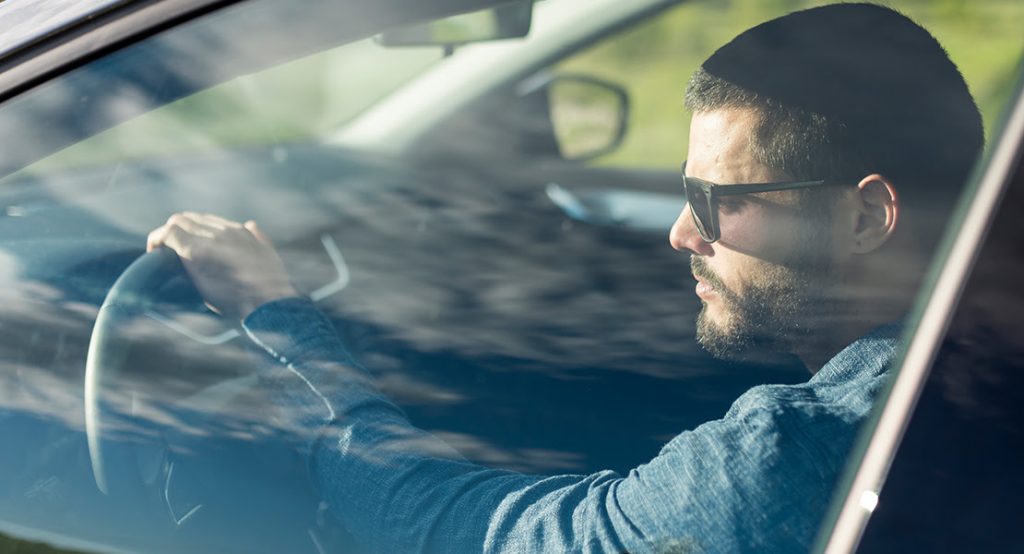
Every commute is sun exposure. The school run, the grocery trip, the morning drive - UV damage from all of it builds up over time. A few years next to a car window (even on cloudy days) can accumulate in ways that don't always show up until much later.
The side glass in your car lets in a decent amount of UV radiation, and the cancer numbers behind it are pretty hard to argue with. Most standard car windows don't block UVA rays the way the windshield does, which is part of why the side windows are where the actual concern sits. Window film is one of the easier ways to help with it, and the next section gets into what level of protection you can realistically expect.
How the Right Window Film Blocks UV
Window film is the product that most drivers mentally file under "cosmetic" - darker windows, a cleaner look and a little extra privacy. Those are all real. But the more worthwhile side of window film has almost nothing to do with how your car looks.
Ceramic and UV-blocking films do their work at the molecular level. The materials in the film absorb and bounce back the UV rays as they travel through the glass, and very little of that radiation actually makes it through to the other side. A quality film can reach as high as 99% UV blockage, and your windows stay transparent.
That last part is worth pausing on. A film can be nearly invisible and still block just as much UV radiation as a darker tint - no dark tint needed. In the end, it's a health choice first and a looks-based one second. Or maybe not a looks choice at all - it can just depend on what you want out of it.
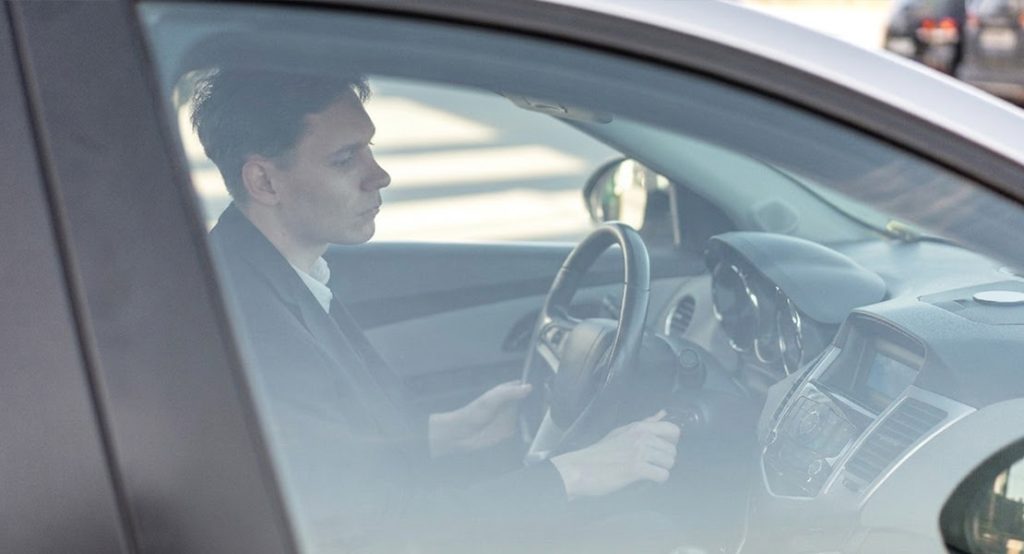
For California drivers who spend quite a bit behind the wheel, this protection adds up. The left side of your body (your arm, your shoulder and the left side of your face) gets far more UV exposure over time than almost any other part of your skin - it has everything to do with where the sun lines up relative to the driver's window. This damage tends to build up quietly over the years without obvious signs along the way.
Window film is one of the most sensible ways to put a barrier between yourself and all that day-to-day sun exposure - and you don't have to change a single part of how you drive or what you wear. No adjustments and no extra steps. The protection is already there every time you get behind the wheel. For most drivers, once they find out what's going on with that left side of the car, it ends up being a pretty easy call.
Stay Legal with Your CA Window Tint
California's window tint laws are on the stricter side, and you should be familiar with them before you head into a shop and make any final decisions. The front side windows have to let at least 70% of visible light pass through - no exceptions on that one. Rear windows are a whole different situation, though. The limits are more relaxed back there, and that opens up quite a few more options for the back half of your vehicle.
For anyone who wants UV protection without going any darker on their windows, there's more flexibility - the two don't have to go hand in hand. UV-protective films with no visible tint are designed to block ultraviolet rays without adding any tint to your glass, and they still pass the legal 70% VLT threshold with room to spare. Most drivers just don't know it's even an option.
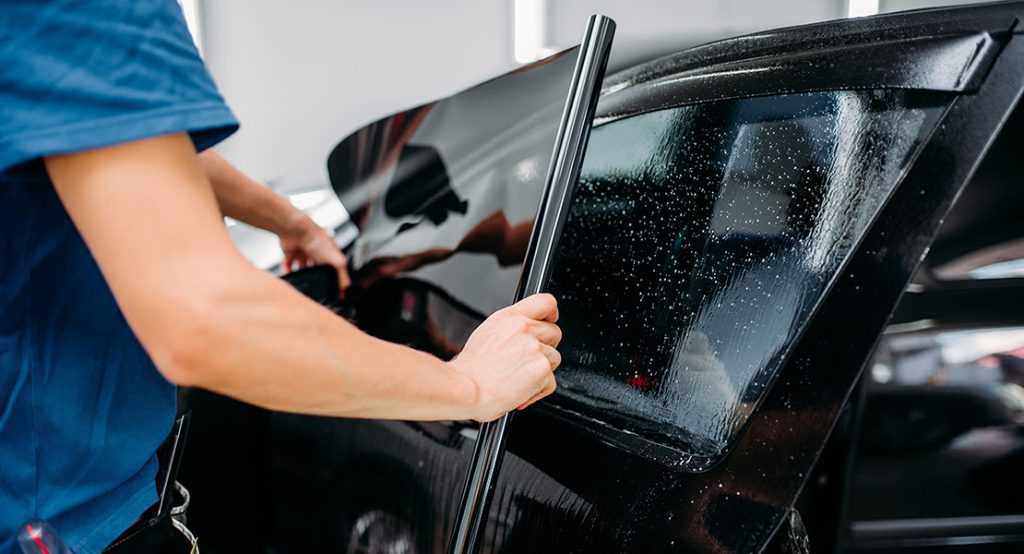
The actual problem starts when a driver decides to go darker on the front windows and dips below that 70% mark - and I see this a lot. A film that's even just a little too dark on your front glass can get you a fix-it ticket. That means you'll need a trip back to the shop to swap it out and then another trip afterward to get it signed off. It's an unnecessary headache when there are legal options out there that will still get the job done just as well.
Darkness and UV protection are actually two separate features - and that tends to get overlooked. A film can be transparent and still block the rays responsible for skin damage - the same ones that pass right through your glass every time you're behind the wheel. If your main reason for window film is health-related, your front windows can stay looking like they came straight from the factory and still give you reliable protection on every drive. No darkness is needed.
Films That Have the Foundation Seal
The Skin Cancer Foundation has a review program for sun-protection products, and any product that meets its UV protection standards can earn what's called a Seal of Recommendation. For window film in particular, that seal is one of the better markers to look for if you're trying to compare your options.
Not every film on the market has earned that seal. Plenty of products out there will still block a decent amount of UV light without it - it's fair to mention. What the seal does is remove some of the uncertainty from the whole buying process. That matters quite a bit when you're sorting through dozens of options with no easy way to test or compare them on your own.
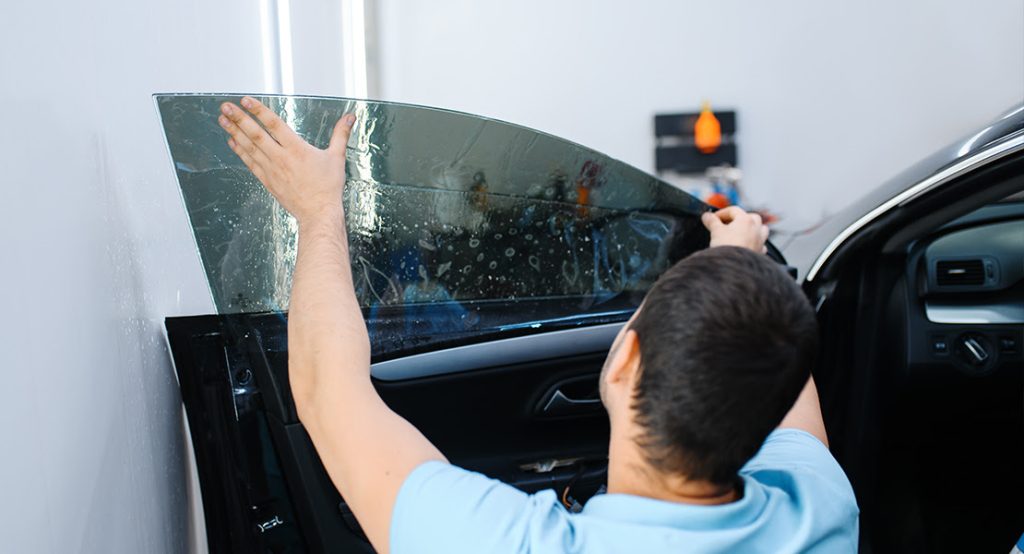
Whether you're at a local shop or just browsing around online, it's well worth a quick check to see if a film has earned that certification. A verified rating gives you quite a bit more confidence in what you're actually putting on your windows - and UV damage is the type of problem that builds up slowly over the years, long before anything looks wrong.
Price, tint level and brand reputation all still matter - those haven't gone away. What the seal does give you is a legitimate, independent review from a credible third-party organization. That alone takes the uncertainty out of it. Films that carry the seal have been tested and verified - the ones that don't have it just haven't gone through that process. If nothing else, it's a pretty reliable place to start your search.
Transform Your View with Professional Tinting
California's sun isn't letting up anytime soon, and neither is your commute. Your windshield blocks most UV radiation on its own - side windows are a whole different situation. Standard side glass blocks almost no UVA radiation, and those miles behind the wheel add up to serious skin exposure over the years. That research is pretty hard to ignore - drivers show higher rates of UV-related skin damage on the left side of their bodies. That pattern didn't get there by accident.
Plenty of drivers only think about sun protection for outdoor activities - a beach trip or a hike. When the sun is directly on you, sunscreen is a given. Behind the wheel, it's a different story. The sun doesn't feel aggressive through the windshield. The AC is on, and the whole situation just doesn't register as a problem - but UV rays don't need to feel hot or blinding to cause damage, and most car glass lets the harmful wavelengths pass right through on any standard drive.
Window film is one of the more no-fuss options out there (and it doesn't ask anything of you) - it means no changes to your day-to-day and no adjustments to how you get around. A quality tint blocks the UV radiation that standard glass lets right through, and it still leaves your windows easy to see out of.
At OC Tint Shop, we've professionally tinted thousands of vehicles across Orange County (Newport Beach, Anaheim and everywhere in between) with premium film and a precise installation. Whether a UV-only film or a light tint is the better fit for you, our team will talk about every option and make sure that whatever goes on your windows does the job and is street-legal. We offer free consultations, so stop by or book one online to find out what the right film can do for your car and your skin.