
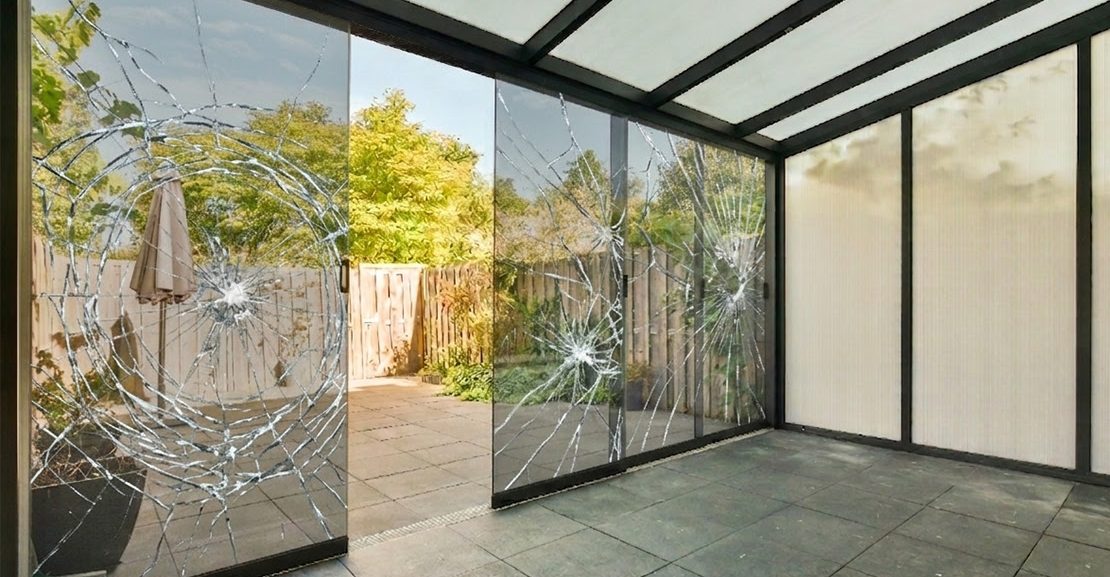
California is home to one of the most seismically active fault networks in the world. For building owners with large glass windows out there, that's a worry that's probably always somewhere in the back of your mind. That pressure is very real - and every high-profile quake that lands in the news has a way of turning that pressure up a few notches.
Two products usually come up in these conversations - security window film that gets applied directly over your existing glass or a full pane replacement with laminated glass. They're each designed to hold shattered glass in place and keep it from becoming projectiles during a seismic event - and that's where their common ground ends. From there, the two go in very different directions - in terms of how well they perform, what they'll cost you and what California's building codes have to say about each one.
Between manufacturer claims and contractor pitches, most building owners are already juggling quite a bit, and very few of them have the time to sit down with a pile of spec sheets just to work out which product is actually worth it.
A magnitude 6.0 or greater earthquake hits California at an average of 1.28 times per year! For property owners in this state, that's not some distant or unlikely scenario - it's a normal part of life out here. At that rate, a little extra research into your coverage options is well worth the effort.
Let's look at each of these two options so you can protect your home from earthquakes!
How Both Options Hold the Glass Together
Most commercial windows are just plain glass - no film, no coating and nothing at all to hold the pieces together if they ever break. Building owners don't usually stop to remember it, and it's hard to blame them for that. A break-in, a bad storm or an accident can turn a window into a problem very fast and the difference between contained glass and scattered glass matters quite a bit in those moments.
Security film works through a thin adhesive layer that goes directly onto your existing glass. It's nearly invisible once applied, and it bonds right to the interior surface of the pane. When the glass breaks, the film is what actually holds the fragments together - they stay in place instead of scattering across the floor. One of the bigger benefits here is that security film can be added to windows that are already installed, so you don't have to replace anything to get the benefit. It's also available in different thickness levels that let you match the level of protection to what your building needs.
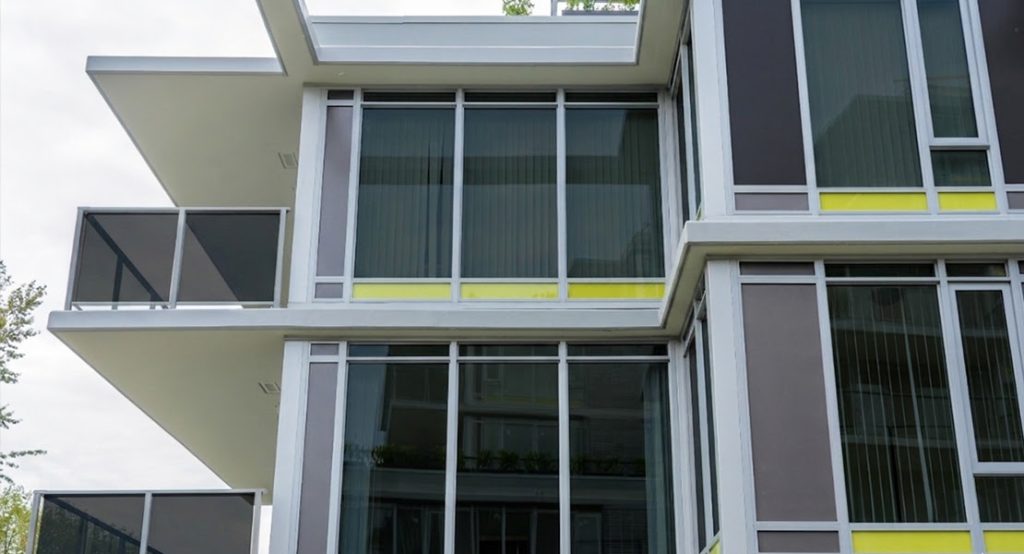
Laminated glass works a little differently, and the whole process starts in the factory, long before any of it arrives at your building. Two panes of glass are permanently bonded together with a thin layer of PVB (polyvinyl butyral), which is pressed between them under heat and pressure. What you get is one sturdy unit with that interlayer already built right into it from day one. Because the bond is part of the glass itself, laminated panes tend to hold up well against repeated impacts and can meet higher performance standards than film-treated glass in certain situations.
Both options are worth a look if your building has windows that haven't had any treatment.
Laminated Glass Beats Film in a Quake
Most earthquake injuries don't actually come from collapsing walls or a caved-in ceiling - flying glass is one of the top causes of injury. The 1994 Northridge earthquake is probably the best example of this. Windows shattered all across the Los Angeles area, and a large chunk of the injuries and property damage that day came directly from the glass that flew inward. The frame holding your window is only one part of the equation, and what the glass does inside that frame matters every bit as much.
Laminated glass has a benefit here. The interlayer gets fused directly to each pane during production, so the whole unit moves together when the frame flexes or moves around in a quake. The glass can still crack under enough force (that part can't be avoided), but it stays in one piece and holds its position in the frame. The sharp edges stay right where they belong and don't fly across the room.
Security film is another idea that works - it holds broken glass in place very well, and for plenty of applications, it's a great choice. The way it bonds to the glass is a bit different, though. The film is applied to the surface after the fact instead of fused directly into the glass during manufacturing. The two behave slightly differently when a window frame suddenly moves or jolts, and that difference in behavior starts to matter when a frame begins to rack or warp under the stress a seismic event puts on it.
The next section covers just where the film starts to fail under those conditions - and from what I've seen, it nearly always begins at the edges.
Why Film Fails at the Edges
One of the easiest-to-miss weak points in security film is the damage that happens at the edges. During an earthquake, the glass actually flexes and moves around inside its frame - and all that movement puts stress on the bond between the film and the glass along the perimeter. With enough force or just enough repeated movement over time, that bond can start to pull away from the edge and work its way inward - that's called edge delamination, and it's one of the more common failure points I see with film that hasn't been installed correctly or maintained.
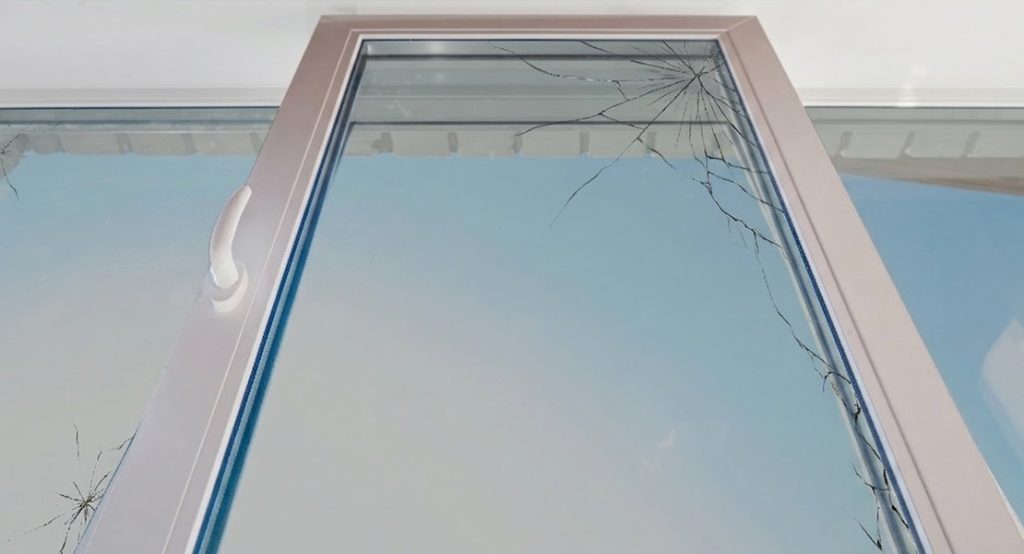
When the film starts to pull away from the frame edge, it loses a large amount of its hold on the glass - and it happens very fast. The glass itself will still crack in that familiar spider-web pattern. But without a tight edge bond to hold the pieces in place, large fragments can break free and move at a dangerous speed. A window that was once a contained hazard can very quickly become an active source of flying debris.
Property owners come away from a film installation convinced that their windows are now practically earthquake-proof - it's not the case. Film is an upgrade, and that's about it. But it doesn't turn a window into something that can absorb a seismic event without any failure at all. The edge bond is a legitimate weak point, and it deserves close attention.
Why Thickness and a Good Install Matter
Window security film comes in thicknesses ranging from 4 to 15 mil, and that gap carries real weight. A 4-mil film and an 8-mil film are going to look nearly identical once they're on the glass - same finish and same appearance with nothing obvious to tell them apart. The difference between them doesn't show itself until the glass starts to flex and move around during seismic activity, and at that point, the call has already been made.
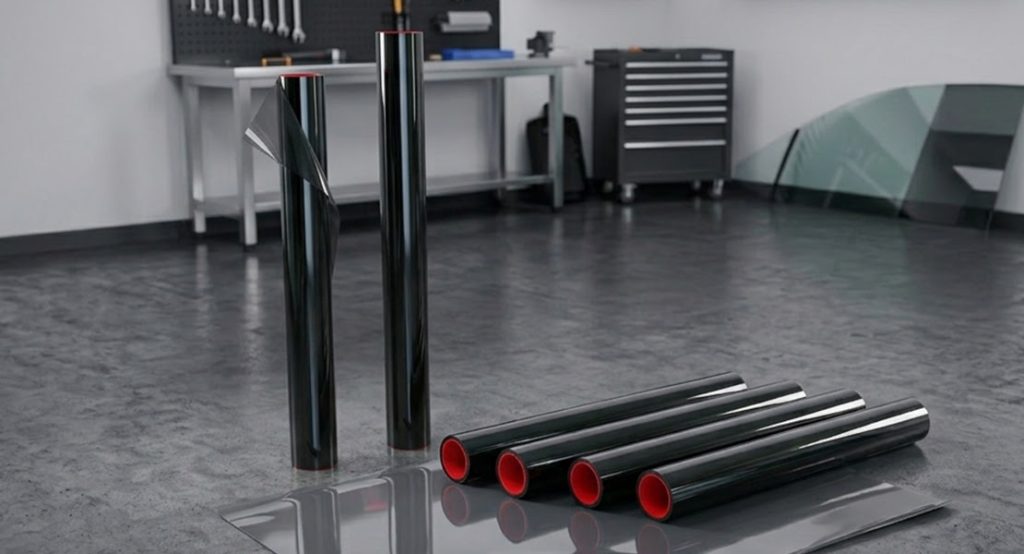
Installation quality carries just as much weight as the film itself. Even a film with a great product rating gives you next to no protection if it wasn't applied correctly. What those ratings measure is how the film performs under perfect conditions - with a qualified installer who does the job from start to finish.
A seatbelt fitted by an untrained installer is an analogy for this. Even with a flawlessly engineered product (my least favorite scenario to walk a building owner through), the installation is what decides whether any of it does its job when it matters.
Plenty of building owners feel the pull to save some money on installation, and the instinct makes sense. Labor costs rise fast, and the film itself is already a big investment before a single installer even shows up. The issue is that a rushed or sloppy install can leave a building with windows that look protected without actually being protected. A false sense of protection is arguably the worse of the two situations - it changes how you see your building's vulnerability and what steps feel worth taking at all.
Film thickness and installer qualifications aren't two separate boxes to check off - they're just one choice, and each part of it carries equal weight.
The Real Cost of Each Retrofit Option
On the up-front cost side, security film has a pretty strong edge over laminated glass for most building owners (it applies directly to your existing windows, so there's no full replacement involved), and that alone is what keeps labor and material costs a bit lower.
Pre-1980s buildings are actually a great case study for this. Most of them were constructed long before modern seismic codes even existed, and their original windows were never designed with earthquake stress in mind - not to the degree that the latest standards would demand. For older buildings like these, security film is usually going to be the more budget-friendly retrofit option.
That said, the lower price tag on security film is only one part of a much bigger financial picture. The more worthwhile question is what each option will cost you over the entire life of the building. A window that gives out during an earthquake and hurts a person can expose a building owner to liability costs that dwarf what either product costs to install - it's a financial concern that's very much worth taking seriously.
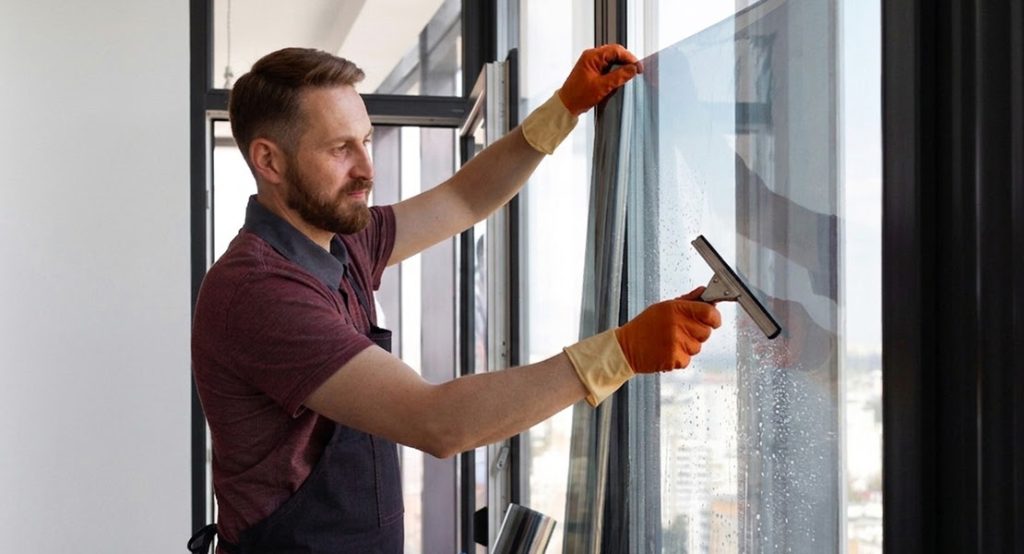
Laminated glass can last for decades and barely asks anything of you in terms of maintenance. Security film is a different story - it does need to be replaced at some point. That's also the case if those windows get plenty of direct sun or take steady wear over the years. Factor in a replacement or two, and that up-front price difference between the two starts to shrink pretty fast.
Neither one is a bad investment - they just carry different financial profiles. Which one makes more sense for your building depends on its age, what your available budget is and how long you're planning to hold onto the property.
What the California Code Requires for Glass
California's building code has been trending in one direction for a while now, and laminated glass has landed right at the center of it.
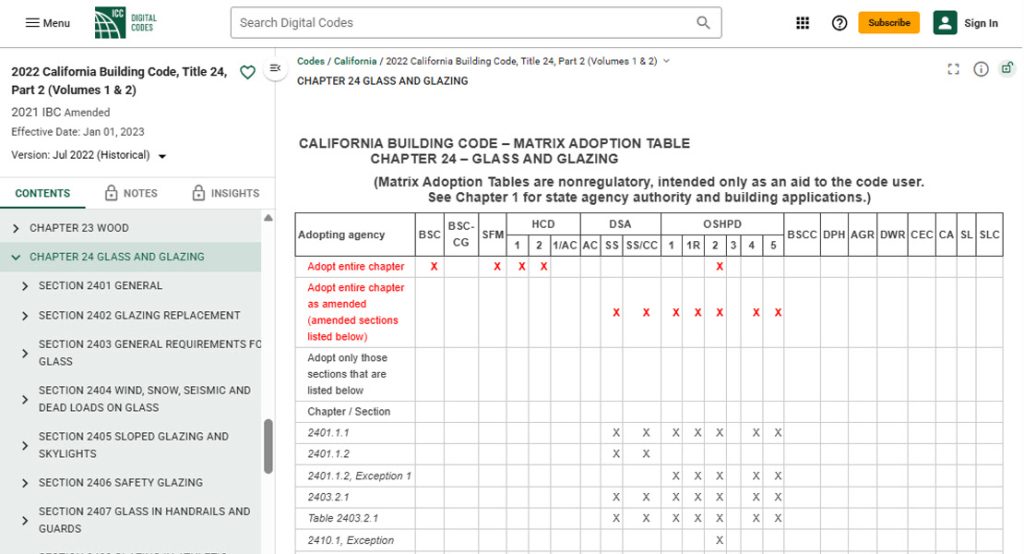
If your building sits in a seismic zone and was built (or just renovated) before some of these code updates took effect, it's worth a look. There's a chance that it doesn't meet the latest standards. Plenty of property owners haven't thought about it until they're already in the middle of a bad situation.
The code gets stricter based on two main factors - occupancy type and building height. A school in a seismic zone, say, will be up against a much tighter set of glazing standards than a small retail space on the same block. High-rise residential and commercial buildings get treated the same way. When a building holds that and sits in a high-shake area, the consequences of a glass failure are just far harder to manage - and the code accounts for that.
Security film is a product, and it gets installed across all kinds of settings and applications. The issue is that it doesn't always meet code - not in every jurisdiction, anyway. An inspector or a permitting office can look at film-treated glass and can still flag it as non-compliant, even if the film itself is a product.
In any case, a quick call to your local building department or to a licensed glazing contractor is well worth the time.
Find the Best Fit for Your Building
The right answer will depend on your situation, and there are a few factors to cover before you settle on one.
The building's age is one of the first details to look at. Plenty of older California buildings were framed and outfitted with window systems long before laminated glass was ever an option - that detail matters because the existing structure might not be ready to support it without a bit of extra work on the front end.
Your budget is worth an honest look before anything else. Laminated glass is a full window replacement project, and the costs can rise quickly with multiple windows or a bigger commercial space. Security film, by comparison, is a fraction of the price - and it still does a job of keeping glass in one piece when an earthquake hits. For most property owners, that price difference alone is enough to settle the question.
Your level of exposure is a major factor in the decision. If your building sits in a high-seismic zone or you have large glazed areas that face heavy foot traffic, the case for laminated glass gets much stronger. The structural integrity that it gives is something that window film just can't replicate - it's a legitimately different level of protection altogether.
Local building codes have a habit of derailing projects late in the process, and it's one area that's worth staying ahead of early. California jurisdictions have been updating their seismic glazing standards over the past few years, and some now specifically call for laminated glass for new construction or big renovations. What passes in one city won't necessarily pass in the next one over, so it's worth a quick conversation with your local building department before finalizing anything. I've seen that step get skipped more than once, and it almost never ends well.
Transform Your View with Professional Tinting
By the time you get to the end of a comparison like this one, the choice tends to feel a little weightier than it did at the start. That extra weight is a sign - the choice has your full attention, and if you're responsible for buildings in California, that's just where you want to be.
Neither of them is a perfect fit for every situation. Security film is a legitimate and worthwhile upgrade - just not for every building or every budget. Laminated glass does have a bit of a leg up in a seismic event. But the cost and what it takes to install it can put it out of reach for plenty of property owners. What actually matters is that you walk away from this with accurate information and basic expectations - not marketing language and not a false sense of what your windows can manage.
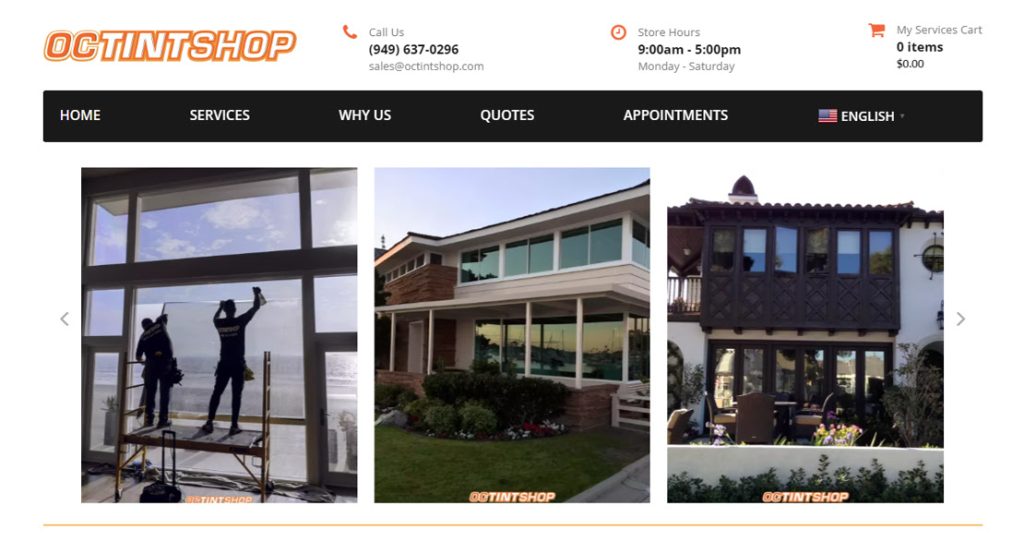
At OC Tint Shop, our team works with window film day in and day out - and if you want an honest take from professionals who've seen it all, we're a place to start. We work with residential and commercial clients all across Orange County, and we've come across just about every window situation out there. Whether your goal is to upgrade your home, protect a commercial space or just get a straight answer about what window film can realistically do for your property, we can help with that. Get in touch to schedule a consultation and find the right fit for your building.