
What makes this even more frustrating is when a driver actually did their homework before having it done - and still ended up with a problem. California's law treats front side windows and rear glass as two separate categories, treats aftermarket film differently than factory-tinted glass and bans some tint colors outright, no matter how dark or light they are. Most tint shops will bring up VLT percentages when asked. What they don't usually get into is how those numbers are supposed to work alongside whatever glass your vehicle already had from the factory - that's where drivers run into problems. It's a detail that tends to get ignored - even by shops that know the law well.
A legal install from day one saves you money and time. A legal tint job holds its value, passes inspection without a problem and removes one more variable from every traffic stop. The last outcome you want during a stop is a fixable compliance issue turning into a citation. The extra effort early on pays for itself immediately.
California has also stepped up its enforcement, which gives anyone with an older tint install a reason to double-check their setup now instead of waiting for a citation. A quick check costs almost nothing. But a violation after the fact will run you more in time and money. California's tint laws are strict enough that even a professionally done install can still land on the wrong side of the line.
Here's a rundown of California's legal tint percentages so you stay compliant!
The 70% VLT Limit for Front Windows
California law draws a hard line at 70% VLT for front side windows. VLT stands for Visible Light Transmission - it's just a measure of how much light passes through your window glass. A higher number means more light gets through, and as that number drops, the darker your tint will be.
When shopping for tint, it's worth learning that your factory glass already blocks a small percentage of light on its own - that number counts toward your legal total. A window rated at around 75% light transmission straight from the factory can drop below the legal 70% limit once a film gets added on top - even a very light one. Plenty of drivers never see this until the film is already on the glass, which is why it pays to run the numbers ahead of time. Factory glass that reads on the lower end leaves very limited options for added tint film.
The 70% limit applies to each of your front windows equally - driver side and passenger side. Before any film goes on either one, ask your installer to measure the combined VLT of your existing glass and the tint film together. Factory glass already has some tint built into it, so those numbers pile up faster. A respected installer will do this without being asked. Even so, I always recommend that you confirm it either way.
Also, if a window has ever been replaced, the aftermarket glass may have a different base VLT compared to what the manufacturer put in. That can throw off your numbers if you're assuming the factory spec. When in doubt, have the existing glass measured before you choose a film.
How Dark Can Your Rear Windows Go
The rear side windows and rear windshield have quite a bit more freedom in California than the fronts do. As long as your vehicle has dual side mirrors, you can go as dark as you want back there - and yes, that includes near-total blackout tint if that's the look that you're after. The difference between the front and rear laws is pretty wide, which makes you wonder why California treats the two so differently.
Driver visibility and safety are at the core of this. Front side windows are directly in the driver's line of sight - you need a view through them to merge safely, check your blind spots and keep an eye on pedestrians or nearby law enforcement. Rear windows are a different matter. They're not a part of that same direct line of sight - which is why California treats them differently. The dual mirror requirement exists to give you a reliable way to see behind you, even if your rear glass is heavily tinted.
The rear tint exemption is a deliberate trade-off built right into the law - not some accidental loophole. Drivers get their privacy and a decent reduction in the heat back there, and the state gets confirmation that your mirrors are in place to make up for what the tinted glass now blocks. As trade-offs go, it's a pretty fair one.
Each window on a car serves a pretty different job. Front side windows are a direct part of how you drive - they're what you count on for your blind spots, lane changes and general road awareness. Rear side windows are more passive by comparison - they're mostly about light, heat and passenger comfort. Once you see what each window is actually there for, California's tinting laws start to make quite a bit more sense.
What the Law Says About Windshield Tint
The windshield is where California's tint law is at its most strict. Only the top 4 inches can have any tint at all, and even then, it needs to be non-reflective. Past that, the law draws a hard line - no exceptions and no flexibility.
The logic behind this law makes sense from a safety standpoint. During any traffic stop, officers need to be able to see the driver through the windshield - and a darker tint makes it much harder for them to do so safely. That wasn't an arbitrary call - it was a deliberate one, and California has kept it on the books ever since.
Driving through Nevada or Arizona, you've probably spotted cars with tint that runs much darker and lower on the windshield than you'd ever see here. It's not because those drivers are breaking the law - those states just have different standards. California has its own set of standards, and what passes inspection in another state won't always pass here.
On the day-to-day side, many windshields have a small marking from the manufacturer called the AS-1 line - it sits near the top of the glass and shows roughly where your tint needs to stop. If yours has it, that's a helpful reference point to have before any installation gets started. If yours doesn't have the marking, just measure 4 inches straight down from the top edge of the glass - that's your line. In either case, everything below that point on the windshield has to stay untinted.
Tint Colors That Are Banned in California
The shade of your window tint gets a lot of attention. But the color matters just as much. It falls under the same legal scrutiny as the darkness level in California.
Red, amber and blue tints are off-limits for any window on your vehicle. The shade or transparency of the film makes no difference whatsoever - all three colors are flat-out banned with no exceptions at all.
The reasoning behind this actually makes sense. Red, amber and blue are the colors linked to emergency vehicle lighting - police cruisers, ambulances and fire trucks. California doesn't want other drivers to mistake a tinted car window for a responding emergency vehicle - even for just a split second. That explanation makes it pretty hard to argue with.
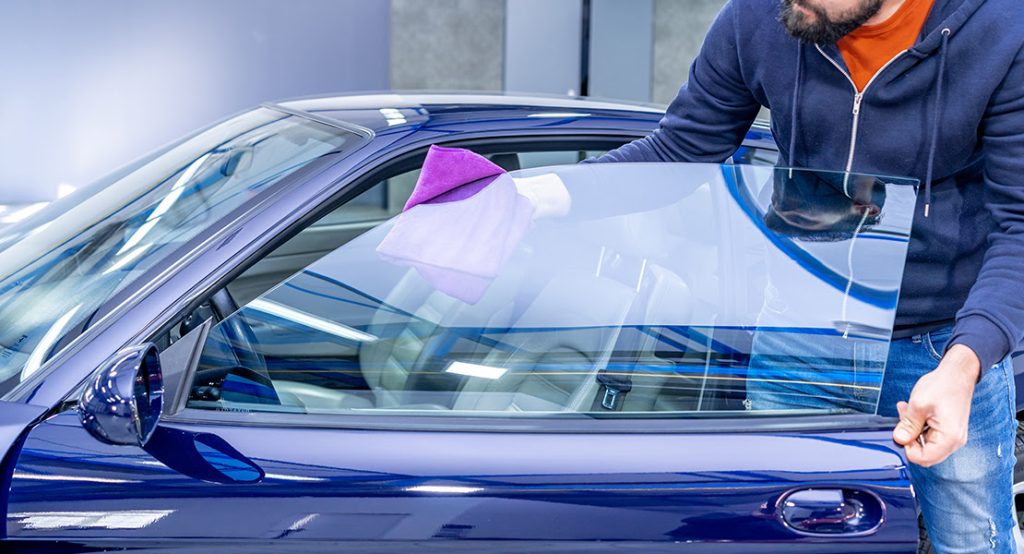
If color factors into your choice, that's worth keeping in mind. Tint products can have a slight color cast that's hard to catch (a warm amber tone, a faint yellow hue or a cool blue sheen), and any one of them can be enough to put you on the wrong side of the law. Some of the higher-end films are more likely to have this happen because the dyes and metals in them behave differently when direct sunlight hits them.
That's something I see quite a bit - a driver picks a tint film because it looks great on the car, and the color issue doesn't get caught until after the install is already done. By that point, it's a far more expensive fix than it would have been to just double-check the product specs ahead of time.
How to Get a Medical Tint Exemption
California has a medical exemption program for drivers who have a documented reason to need darker tint on their front windows. Conditions like lupus, photosensitivity and other sun-related medical problems can qualify you for it under state law - this exemption also covers your front side windows (the ones that are normally held to a pretty strict VLT standard in California).
To qualify for the exemption, a signed statement from a licensed physician or surgeon is what you'll need - one that explains your condition and confirms that darker tint is medically necessary. That document should be in the vehicle with you at all times - not at home and not in a desk drawer somewhere, but actually with you every time you drive.

A medical exemption gives you more flexibility with your tint. You can go darker than the standard legal limit. But the tint still can't be red or amber, and there are limits on what's allowed. You'll need that document on hand to show law enforcement whenever you get pulled over. Treat it just like your registration or proof of insurance - it should be in the car.
When a medical condition makes bright sunlight very painful, California law is on your side. The medical exemption was made for just this situation, and if it applies to you, it's worth your time to look into it. California does acknowledge that some drivers need more sun protection than the standard allows, and the exemption is the state's way to make that available to you.
The Real Cost of a Tint Violation
If a California officer pulls you over for window tint that's too dark, then you'll get a fix-it ticket. The fees won't disappear once you've made the correction, though - you'll still have to pay them. A second offense comes with noticeably higher fines, and repeat violations get more expensive from there.
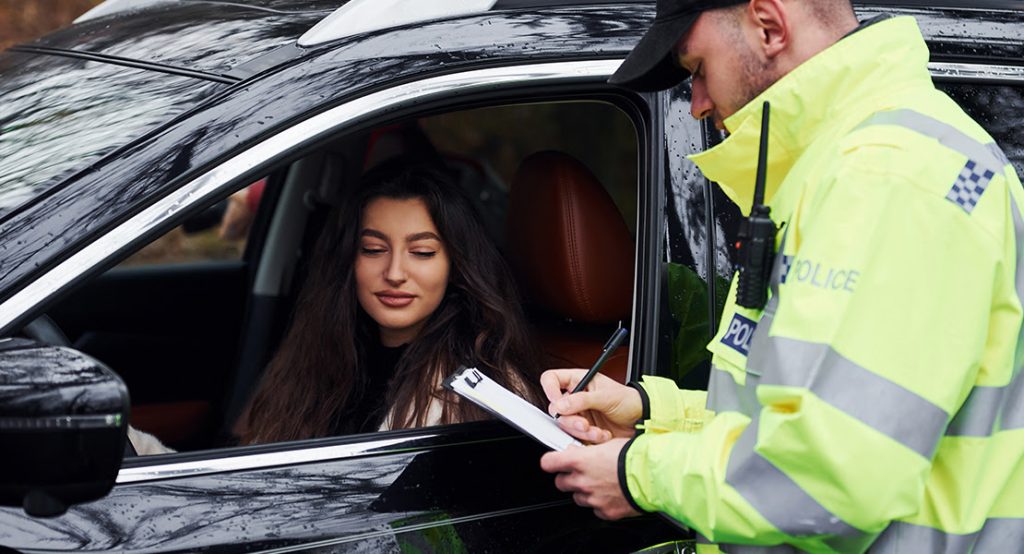
There are actual costs that come with this. You'll first need to pay a professional to strip the illegal tint off your windows, and that alone gets expensive. And if you want any tint at all going forward, then a second appointment is needed to have a legal shade put back on - two separate jobs and two separate bills. Your windows will also be bare throughout the whole process, and between scheduling and wait times, it tends to drag out.
From what I've seen, window tint violations are a pretty expensive mistake to brush off. Officers write tint tickets at normal traffic stops, and your car doesn't need to be doing anything else wrong for it to happen. The tint alone is enough reason for a stop.
The math on darker-than-legal tint almost never works out the way that most drivers hope. Add up the fines, the removal cost and the general hassle involved, and it's just not worth it. The gap in tint percentage between legal and illegal windows is pretty small - legal tint still blocks heat well enough, cuts down on glare, and you still get the privacy that you were after. With legal tint on your windows, you're not giving much up, and you won't have to worry about any of that either.
Keep Your Tint Legal in 2026
A tint job actually starts well before you ever walk into the shop. Before anything gets scheduled, ask the installer for the exact VLT reading on whatever film they plan to put on your car. An experienced installer will have that number ready and can back it up with paperwork - product spec sheets, test results and something along those lines. If they can't produce any of that, it's worth looking for a person who can.
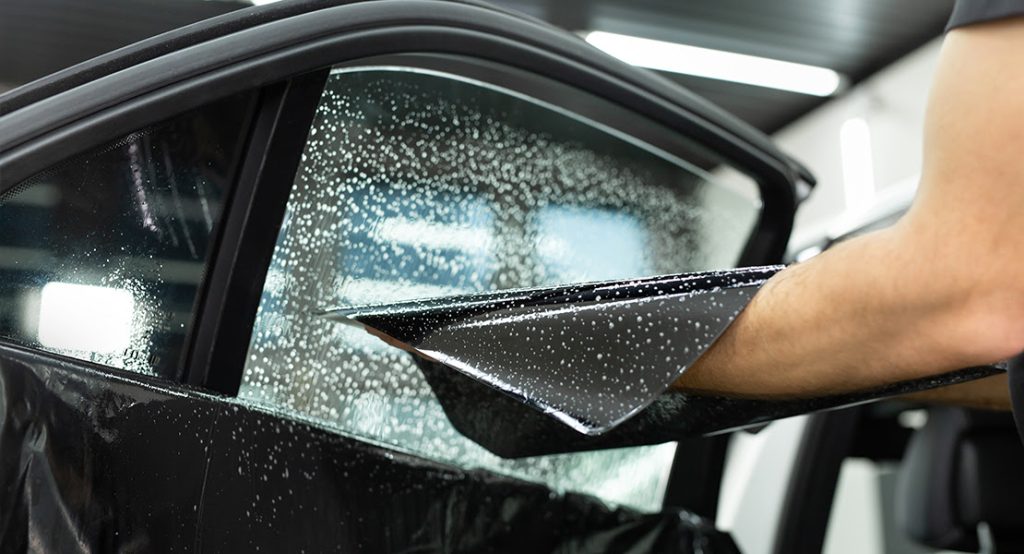
After the work is done, hold onto every scrap of paperwork that the installer hands you (receipts, spec sheets and certificates) and store it somewhere easy to reach in your car. A traffic stop is always a little stressful. But that paperwork can legitimately change how the whole encounter plays out. An officer who can physically see a certificate that confirms your tint is within California's legal limits will have a very different reaction than one who just has to take your word for it.
You can save the California DMV page or, better yet, pull up CVC Section 26708 directly and save it somewhere that you can get to. Window tint laws do get revised from time to time, and what passed inspection last year might not hold up anymore. The 2026 updates are a pretty obvious reminder of that - these laws can and do change, and a quick check every now and then doesn't take much effort.
The few minutes it takes to double-check your film's VLT percentage and have your paperwork ready is a small price to pay compared to a fix-it ticket or a fine. The hard part is already behind you - a little basic organization is all that's left.
Transform Your View with Professional Tinting
California's tint laws have a lot of layers to them. The details aren't always spelled out that well when you're buying a film. The difference between what looks great and what's actually legal can be pretty narrow. Most drivers land in a much better place when they know what to look for ahead of time.
The great news is that legal tint still does everything that you'd want out of it - it blocks heat, cuts down on glare and gives your vehicle a much cleaner look all around. Compliance and quality aren't mutually exclusive - you can have both without any sacrifice on either end.
California's tint laws can vary by window and vehicle type, so it's helpful to go in with a picture of what's allowed before committing to anything. There are also medical exemptions available for drivers who qualify, which is worth learning about if that applies to you. A shop that knows the law well can talk through it before any film goes on.
Whether you're ready for a tint job done right or just want a second opinion on what's already on your car, we're here to help at OC Tint Shop. We've tinted thousands of vehicles across Orange County, from Newport Beach to Anaheim, and we know California's tint laws inside and out. Every installation uses premium film and gets done correctly on both the legal and quality sides. Give us a call to set up your free consultation, and let's get your vehicle where it needs to be.