
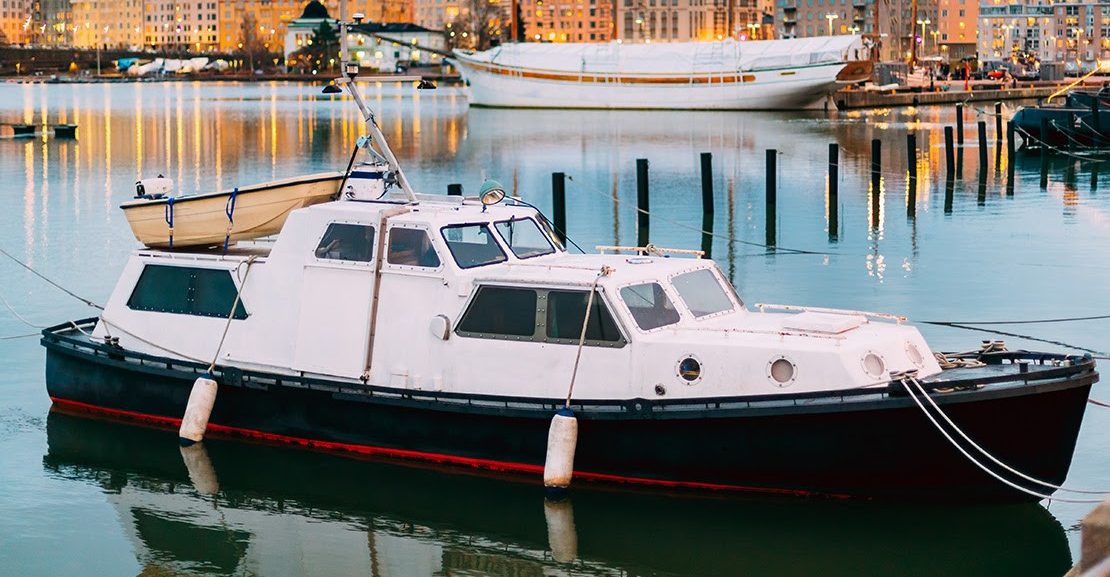
A day on the water in Orange County means long hours under some of the most intense sun in the country. Newport Harbor, Dana Point, Huntington Beach - these are some of the most beautiful places to be out on the water. The Southern California sun is intense, though - it bounces hard off the surface of the water, and a boat cabin gets extremely hot well before noon. UV rays will fade your upholstery, crack your dashboard and make life miserable for everyone aboard.
Most boat owners don't feel the full extent of it until a season or two has gone by. The seats start to fade, the cabin gets uncomfortably hot on a warm afternoon, and the glare off the water makes it very hard to see where you're going. Window tint is the right call for this - but the hard part is everything that comes after that call.
Marine window film is a very different product from standard automotive tint, and the difference is significant - especially if you want something that will last. A film made for a boat has to hold up against saltwater air, relentless UV exposure and heat levels that most car windows will never come close to. The film type, the heat and UV rejection ratings, visibility levels and even the installation itself all play into how well it holds up. Signal interference is also worth a mention - some films will actually get in the way of your onboard electronics, which is the last thing you want out on the water.
A boat is an investment, and the window film that you choose matters a great deal. The difference between a film that holds up for years and one that peels, bubbles or fades within a single season usually traces back to those decisions. You won't grasp what a well-made film is capable of until you've gone through a full summer with a well-done installation. The drop in cabin temperature alone is enough to change how you feel about spending a full day out on the water.
Let's talk about the best window tint options for your Orange County boat!
Why Regular Window Tint Fails on Boats
Boat glass is not like car windows. The shapes are more curved and complex, the air is usually thick with salt, and the sun beats down off the water with almost no relief at all. Those are pretty rough conditions for any material to manage - and window film does take a beating out there.
Standard automotive tint was built for roads (not harbors), and on the road that's no problem at all. What it was never designed for is the non-stop combination of humidity and salt air working against it day after day. That pairing is incredibly destructive - it eats through the adhesive layer at a pretty aggressive rate, and once that process starts, there's no way to reverse it.
What you end up with is film that bubbles, peels and turns cloudy right in your line of sight - usually within the same season it was installed. It's a pretty disappointing sight, and it stings given what you paid to have it done. Boat owners around Huntington Harbor have dealt with cheap tint that started falling apart within just a few months, and at that point you've barely seen any value out of it at all.
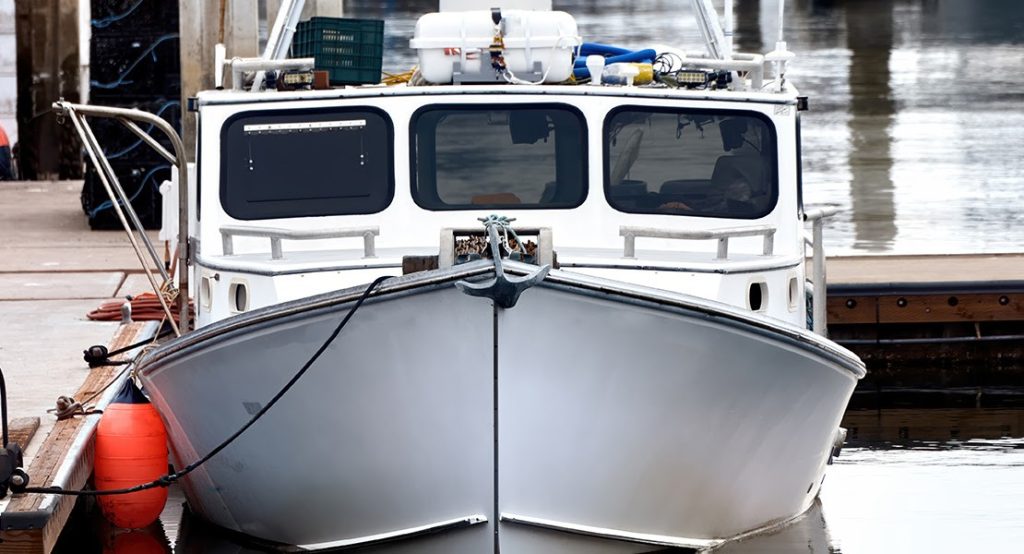
On top of the cosmetic problems, film that peels or clouds up can distort your view through the glass and make it quite a bit harder to see what's ahead of you on the water. With a car window, a little distortion is annoying but manageable - out on open water, that same distortion is a much bigger issue.
The marine environment is pretty hard on just about everything aboard a vessel, and the window film is one of the first things to feel it. Salt, UV, humidity and non-stop heat cycles (they all add up) - it's a big part of why the product that you pick matters more.
How Marine-Grade Film Is Built to Last
Marine-grade window film was designed from the very beginning with the ocean in mind. Salt air, non-stop moisture and relentless UV exposure are all just part of a normal day on the water, and a film that was actually built for those conditions performs in ways that a standard tint just can't.
Automotive and residential tints were never designed with marine conditions in mind. The adhesives and coatings in those products start to break down fast when they're hit with saltwater and the relentless sun, again and again, season after season. Marine-grade film is a whole different product - it's made with different materials and bonding agents that are built to hold up through years of dockside life, with no peeling, no fading and no loss of grip.
That durability shows up in how your windows hold up over time. Pull the cover off your boat after a long summer and a marine-grade film should still look just as clean and sharp as the day it went on. The better products in this space are built to give you just that.
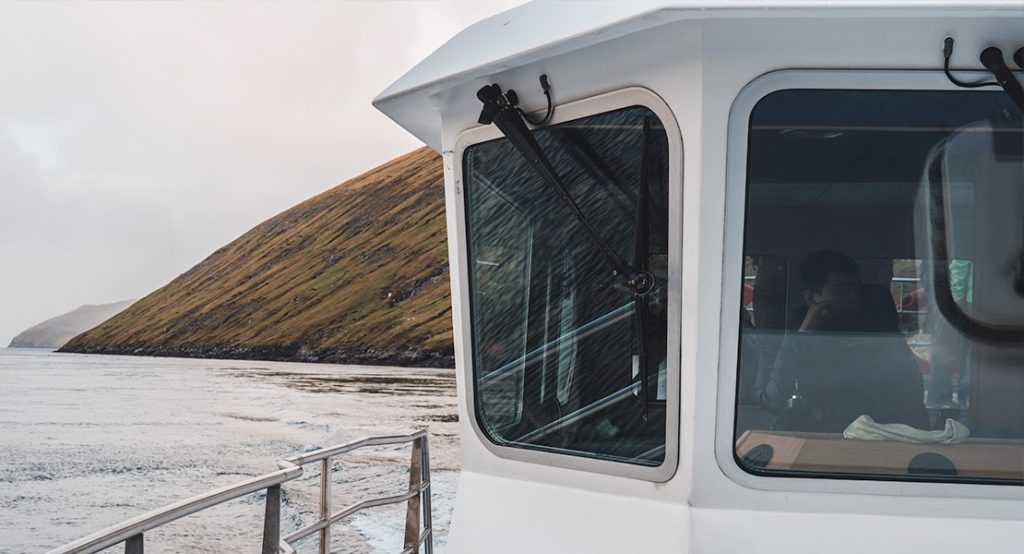
Marine film also goes through a noticeably different (and far more extensive) development and testing process than your average tint does. All that extra testing is a big part of why it holds its color, stays bonded to the surface and keeps its sharpness for much longer than a standard film would under the same conditions.
If you own a boat and spend any time at all on the water in Orange County, the film on your windows has a tough job ahead of it. The UV exposure, salt air and non-stop glare add up. In my experience, it's one of the most underrated upgrades out there - and one that makes the biggest difference in the long term.
Sun and Heat Inside a Boat Cabin
Orange County's sun doesn't mess around, and out on the water, there's nothing to protect you from it. UV rays bounce right off the surface and hit you from every direction, so you and your boat are up against a serious amount of exposure.
A quality window film blocks 99% or more of UV radiation, and for a boat's interior, that level of protection does add up over time. The upholstery, the dashboard and the cabin fabrics all take a beating from prolonged sun exposure - and without any film on the windows, a couple of seasons is about all it takes before the seat cushions start cracking and the carpet loses its color. It's not a quality issue with the materials, either. The sun on the water is that relentless.
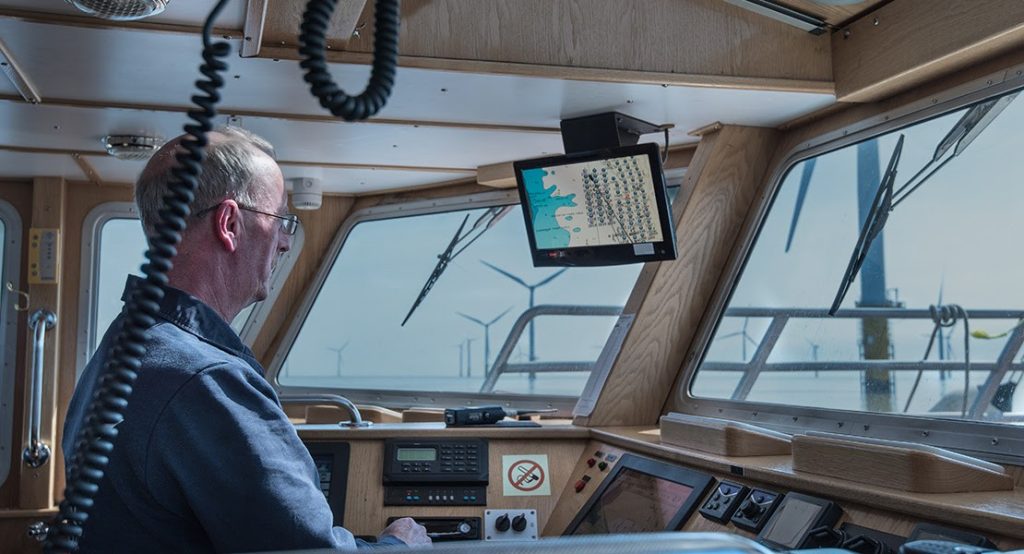
Passenger comfort matters just as much. A day on the water is supposed to be fun, and a window film goes a long way toward keeping the cabin temperatures at a manageable level - no one wants to feel like they're sitting in an oven by midday. Plenty of boat owners don't give this much thought until they've actually endured a full summer afternoon below deck. At that point, it turns into a top priority pretty quickly.
Marine window film also pays for itself in another way that's worth mentioning. A protected interior holds its resale value quite a bit better than one that's been baking in direct sun for a season or two - and what you'd spend on the film is a fraction of what reupholstering or replacing interior panels would wind up costing you.
UV and heat rejection are at the heart of any tinting choice, and with a sense of why they matter, it's much easier to start looking at what's out there. There are quite a few different types of film to choose from, and each one works a little differently.
Which Film Type Is Right for Your Boat
Dyed film has one weak point - sun exposure. Over time, UV light breaks the dye down and the tint that looked great in year one can start to go patchy and discolored a few seasons later. It's just the nature of dyed film.
Metallic film is usually more heavy-duty and does a great job at blocking heat. The trade-off (and it's worth learning about before you buy) is that the metal particles in the film can get in the way of your boat's onboard electronics. A fish finder that starts giving bad readings or a GPS unit that drops signal right after a tint installation are real possibilities - this comes up more than it should, and it's usually the case with boaters who just didn't know to ask about it ahead of time.
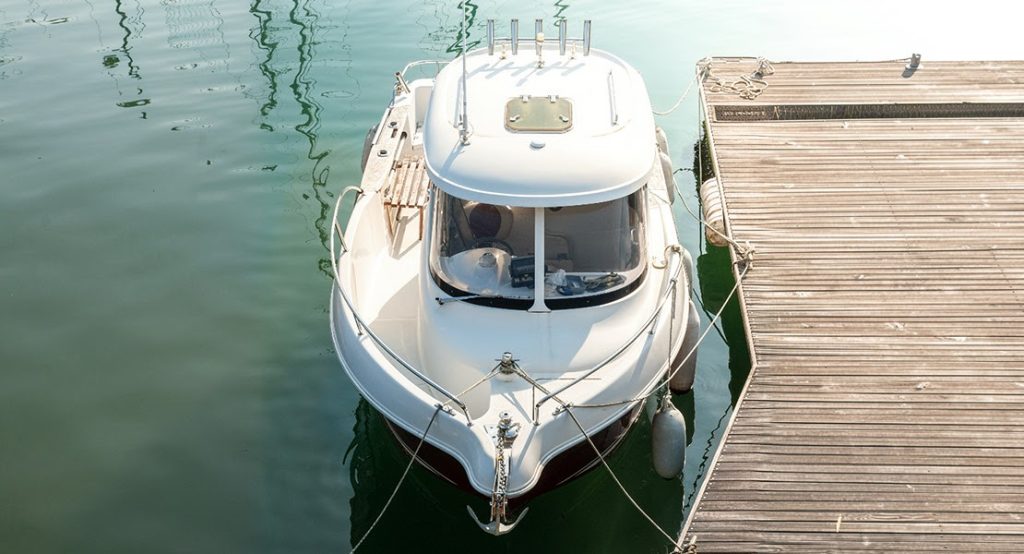
Ceramic film is the most expensive of the three options, and the price gap is pretty wide. What you get for that extra money is well worth it. The heat rejection is very strong. It also plays nicely with all your electronics (unlike metallic film, which can disrupt them), and the color stays steady for years without the discoloration that dyed film tends to develop over time. For anyone who wants a window tint that holds up long-term and performs well, ceramic is usually the way to go.
The main question is what your boat actually needs. A small day boat that stays close to shore and carries no electronics has very different needs than an offshore fishing boat loaded with navigation gear. Budget is a big part of it too, and so is how long you're planning to own the boat. It's worth accounting for the cost of maintenance or replacement film if you're planning to keep it for a few years - cheaper up front doesn't always mean cheaper in the long run.
Stay Safe With the Right Boat Film
California doesn't have strict tint laws for recreational boats the way it does for cars, and plenty of boat owners read that as a free pass for just about whatever they like with their windows. The Coast Guard does have some general safety expectations out on the water, and visibility sits right at the core of nearly all of them.
A tint that looks great when tied up at the dock can make it hard to make out swimmers, buoys and even other boats once the afternoon light starts to drop. The water off Orange County gets busy, especially when the glare gets bad, or the light starts to fade at dusk. Visibility does matter out there, and a film that's too dark just for the sake of how it looks can put you and everyone around you in a very dangerous position.
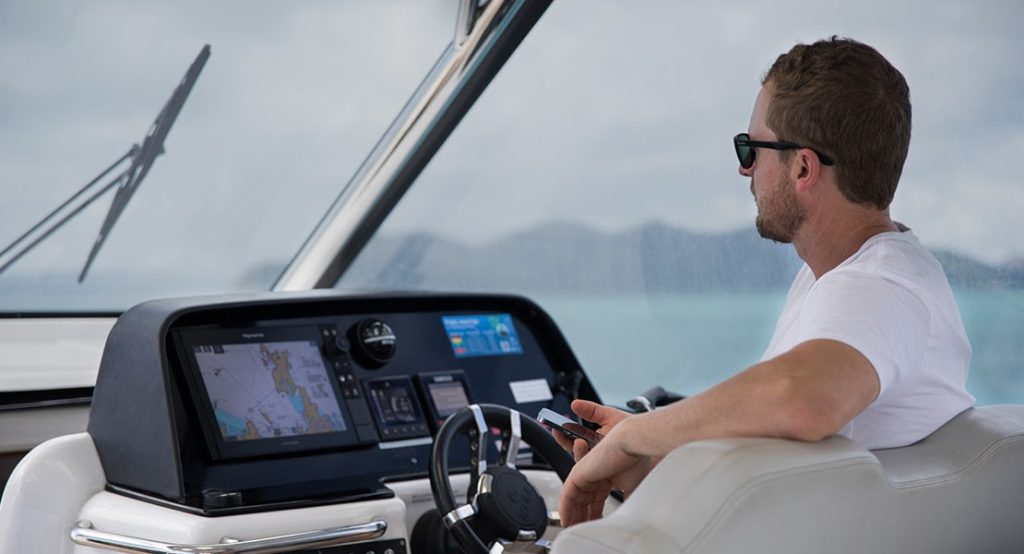
The great news is that you don't have to choose between sun protection and visibility - with a quality marine film, you can have both. Most of the better films out there are designed to block heat and cut glare without removing enough light to make navigation a problem. What plenty of boat owners don't know is that modern film technology has come a long way with this balance - you can get strong UV and heat rejection without going so dark that your line of sight takes a hit.
The right tint level for you can depend on when you're out on the water most. Midday boaters have a little more room to work with - the sun stays high, and the light holds fairly steady. Late afternoon is a different story, though - the sun drops low and the glare gets intense pretty fast.
If those runs are a normal part of your schedule, you should keep that in mind when you pick your film.
Trust a Pro With Your Boat Tint
A film installation does count for quite a bit - in how long the film lasts and in how sharp it looks once it's finished. Marine environments are especially brutal on adhesives. Between the salt air, the direct sun and the near-constant moisture, a film that wasn't laid down right will have a rough time out there.
Surface preparation alone takes quite a while when it's done right - and plenty of installers rush it. Any grease, residue or debris left on the glass before the film goes down will eventually turn into a bubble or a raised edge. It's not a cosmetic flaw that you can just leave alone - it gets worse as the seasons go by.
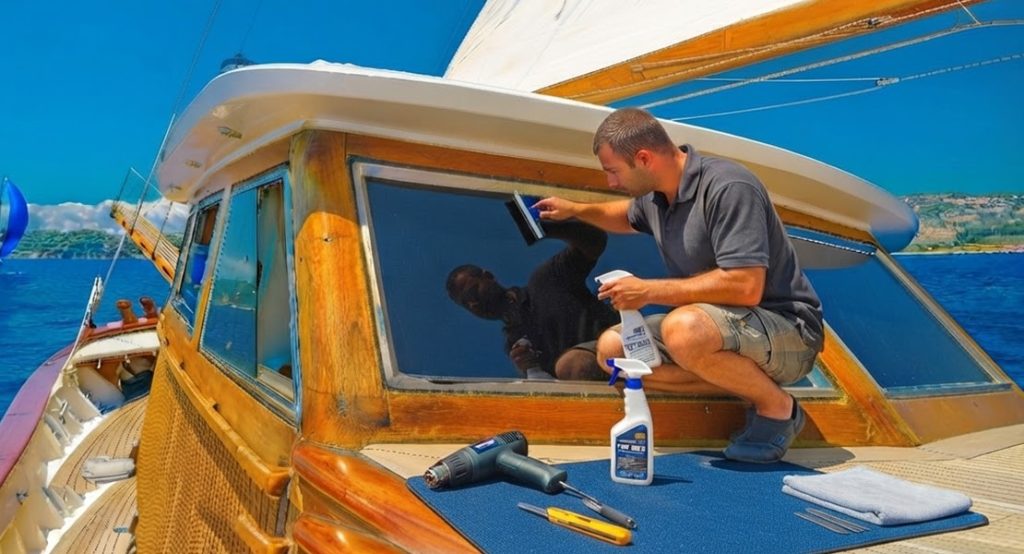
One factor that tends to get missed is how much a boat hull actually flexes. It's almost never rigid - the whole hull moves and bends with every wave and every change in load, and everything attached to it moves right along with it. Film that wasn't made for that flex will usually start to peel from the corners first, and from there it slowly works its way inward.
An experienced installer knows how to work around curved glass and tight corners and won't pull the film in ways that will cause it to fail. A careful installation holds up - a rushed one usually doesn't, and you'll see it fairly fast once you're out on the water, sometimes well before the following summer even arrives. From what I've seen, when something goes wrong with marine film, it traces back to who did the work and to whether they had any actual experience with those marine applications specifically.
Transform Your View with Professional Tinting
A film choice for your boat is a choice that pays off every time you head out on the water. When the cabin stays cool, the glare is manageable, and your electronics are running the way they should, a quality tint job is doing quiet work - and you'd barely even know it. The payoff is very real, and the difference between a product that holds up for a full decade and one that starts peeling before the season is out is worth your attention.
Once your film is on, maintenance is one of the easiest parts of ownership. A soft cloth and a mild, ammonia-free cleaner are all that you'll need to keep it in great shape. Anything abrasive on or near the edges is a no-go, and after installation, give the film a few days to cure before you wipe down the glass. A couple of small habits like these can go a long way - your tint will stay sharp for years.
OC Tint Shop is where Orange County boat owners come when they want it done right. A vessel is a big investment, and we take that seriously - our team has worked with boat owners all across the county, and we know what that commitment means. We also know these waters well, and the films we use are built to hold up against the harsh conditions along the Southern California coast. From Dana Point to Newport Harbor, we help you get more out of every day on the water. Give OC Tint Shop a call to schedule your free consultation and see what the right film can do for your boat.