
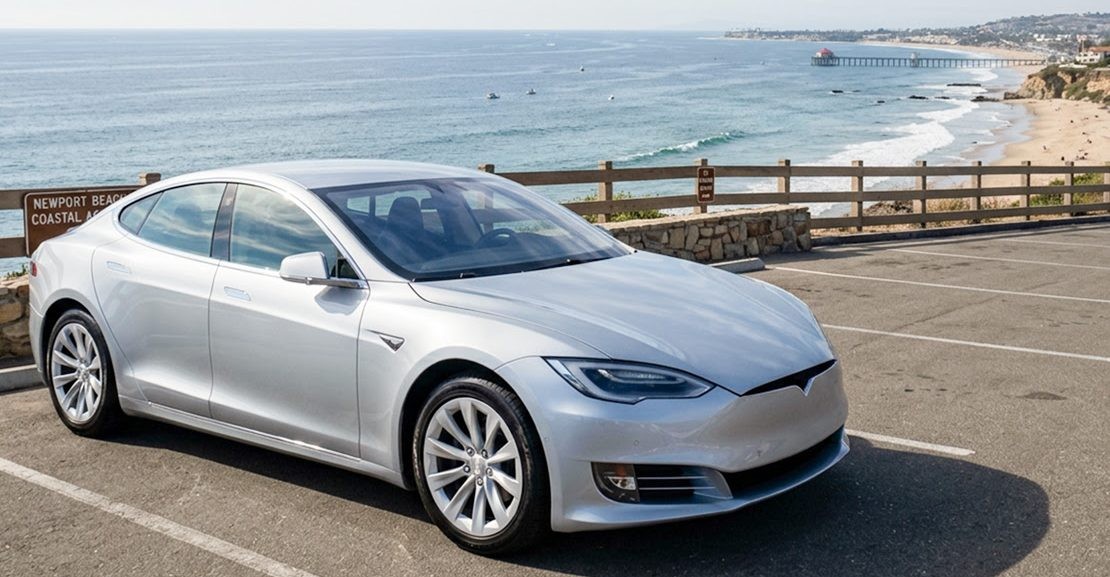
Orange County's coastal neighborhoods are legitimately one of a kind - and if you already live near the water in a place like Newport Beach or Dana Point, you've already seen what makes them worth it. The ocean air, the salt breeze and the fact that the water is right there - that's what pulls residents to those areas.
Salt particles are microscopic but somehow relentless. They settle onto your vehicle's paint, draw in moisture and speed up oxidation at a rate that can age a car's finish years ahead of schedule. Drivers farther inland don't have to manage any of this nearly as aggressively. A car parked a mile from the water in Huntington Beach is up against a very different set of conditions than the one sitting in a Riverside driveway.
Ceramic coating has slowly become one of the more popular answers to this exact problem. Even so, plenty of owners are still on the fence about whether it can hold up against a coastal environment - or whether the salt air will win eventually. That skepticism makes total sense. No product deserves a free pass - it's especially true for one that costs actual money and takes a decent amount of trust to go with.
What separates the owners who get actual value out of a ceramic coating from the ones who walk away disappointed can usually be traced back to three factors - what the coating actually does in a salt-heavy climate, what its limits are and which habits will protect the investment over time. Having a picture of all three before you spend the money makes a real difference.
Let's talk about what coastal salt air does to your car's paint.
What Salt Air Does to Your Car's Paint
Salt air doesn't look like much. Those little particles land on your car's paint and go right to work - they pull moisture right out of the surrounding air and hold it against the surface. That trapped moisture is what actually starts the damage. The real culprit is that steady accumulation that rests on your coat day after day.
Over time, the salt air eats through the coat and speeds up oxidation - it's just what turns a car's finish into that chalky mess that you see on vehicles that have spent a few years near the water. Rust is the other big issue. Anywhere salt and moisture can reach bare metal (even a small scratch or a little paint chip) gives corrosion everything it needs to take hold, and it spreads fast. It's especially relentless in coastal cities like Newport Beach, Huntington Beach and Dana Point - the salt in the air there stays heavy all year long.
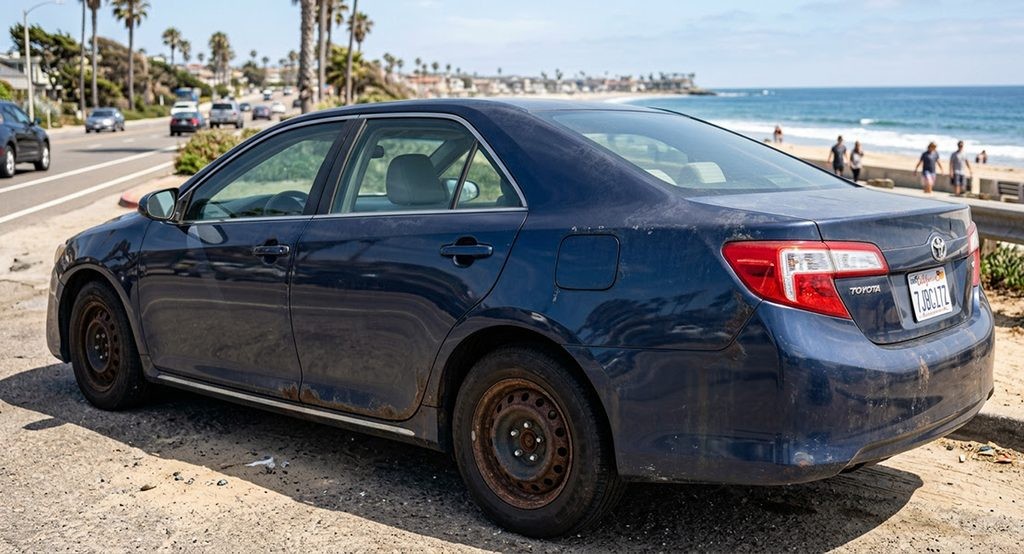
Drivers who are farther inland in Orange County do get a bit of a pass on this. The salt concentration drops off pretty noticeably as you move away from the shoreline, so a car parked in Anaheim or Irvine just doesn't face that same level of day-to-day exposure. A mile or two from the coast is a whole different situation, though. Your car takes a hit from salt every day, rain or no rain.
Paint that oxidizes early loses its ability to protect the metal underneath it. A car that's near the OC shoreline can start to look years older than the exact same model kept farther inland, and by the time the damage shows, it's usually pretty far along.
Ceramic Coating Lasts Far Longer Than Wax
Wax has been the default paint protection option for decades, and it's easy to see why - it works. The issue, at least for anyone who lives or drives near the coast, is that it doesn't hold up for very long. Salt air and humidity can start to wear it down within just a few weeks of application, since wax sits on top of your paint instead of bonding with it.
Ceramic coating is a very different product from wax. With wax, you're just adding a layer on top of your paint - ceramic coating actually bonds to the paint chemically and locks into the surface itself. That bond is what gives ceramic coating its durability, and the result is a much harder layer that holds up far longer than wax ever could, no matter how many times you reapply it.
For coastal drivers in Orange County, that matters. With wax, you're signing up for non-stop reapplication just to hold any level of protection in place. In contrast, ceramic coating can last for years without ever needing a touch-up. Add up the time and money it takes to wax fresh in a salty environment, and the numbers just don't work out in its favor.
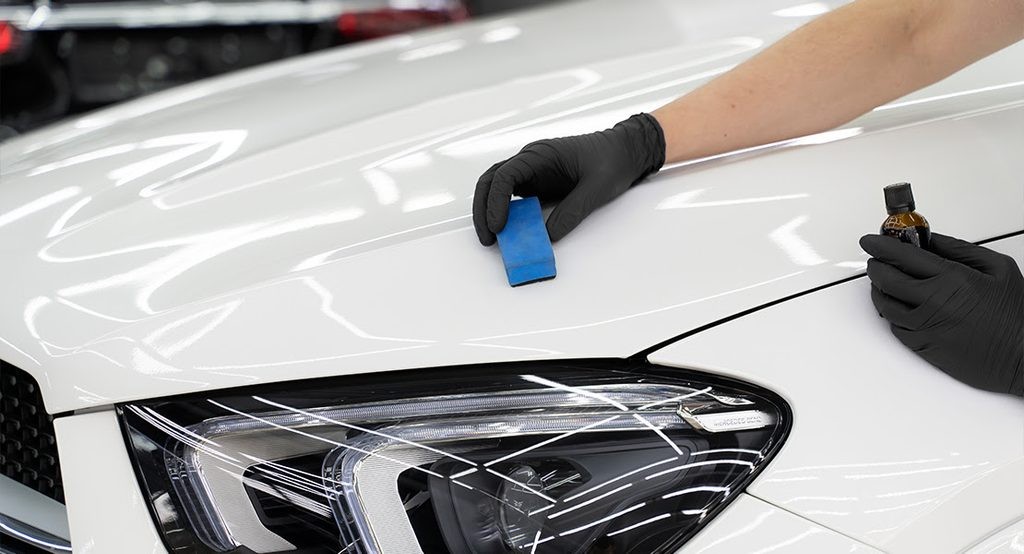
You'll see the difference pretty fast after the coating has cured. After a drive near the coast or through wet weather, a quick rinse is usually all it takes to get the car looking clean again. Salt residue is the true test, and it's exactly what would normally settle in and slowly work its way through a wax layer over time. On ceramic, salt can barely get any grip at all.
Wax just isn't built for these coastal conditions. There's salt air almost every day in Orange County, and wax just can't compete with that level of exposure. Ceramic coating is the only product built to manage that.
Does Salt Air Damage Your Ceramic Coating
Ceramic coating holds up extremely well against salt air, and there's a reason for that. A quality coating forms a tough, chemically bonded layer on your paint that salt particles have a hard time pushing through. It's not going to dissolve or peel away just because you live near the coast or put in steady coastal miles on your car. All that said, it's not invincible.
Salt has a natural tendency to find its way to the edges. Trim pieces, door seams and any areas where the coating went on a little thin are all prime locations where buildup can slowly take hold. The coating itself tends to hold up just fine across the main surface. But the boundary zones (the seams, the corners, the edges around the panels) need some real attention over time. A steady rinse schedule is probably the best step that you can take to stay ahead of it.
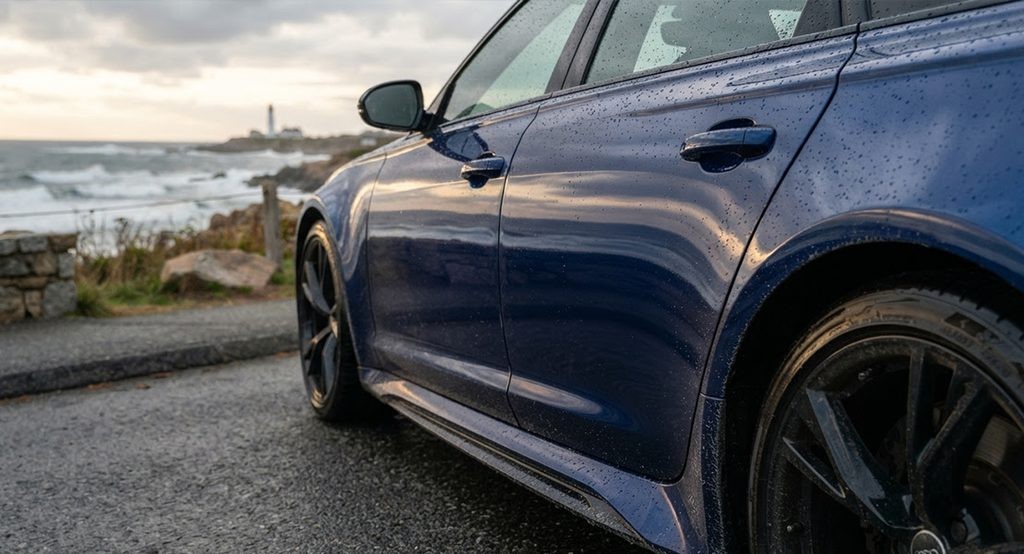
The word "ruin" is actually a little misleading with a ceramic coating and salt air. Salt air can strip the bare paint or eat through a wax layer over time. But a ceramic coating is a different story altogether. What it does to a ceramic-coated surface is create a steady workload - it's a workload that the coating takes on pretty well. A little extra maintenance is a far cry from damage.
The issue is the assumption that a ceramic coating means the car more or less takes care of itself from there. That mindset is what lets the buildup happen over time, and it tends to show up first around the trim and lower panels. With coastal vehicles, I see this come up more than almost anything else. A ceramic coating changes how much protection your car has. But it does not change how much attention it needs.
A Weekly Rinse Stops Salt From Settling
Salt doesn't damage a ceramic-coated car all at once - it's actually a very slow process that tends to settle into small pockets and tight gaps first and then, over time, works its way through any weak point in the coating that it can find.
Once a week, a quick rinse is all it takes to stop that before it can become a problem. Plain water does the job - no soap is needed, no full wash and nothing else. Water alone will dislodge any salt buildup before it gets a chance to settle in and cause damage. It's barely even a chore (more like a two-minute task), and it's one of the easiest steps that you can take so everything stays in great shape.
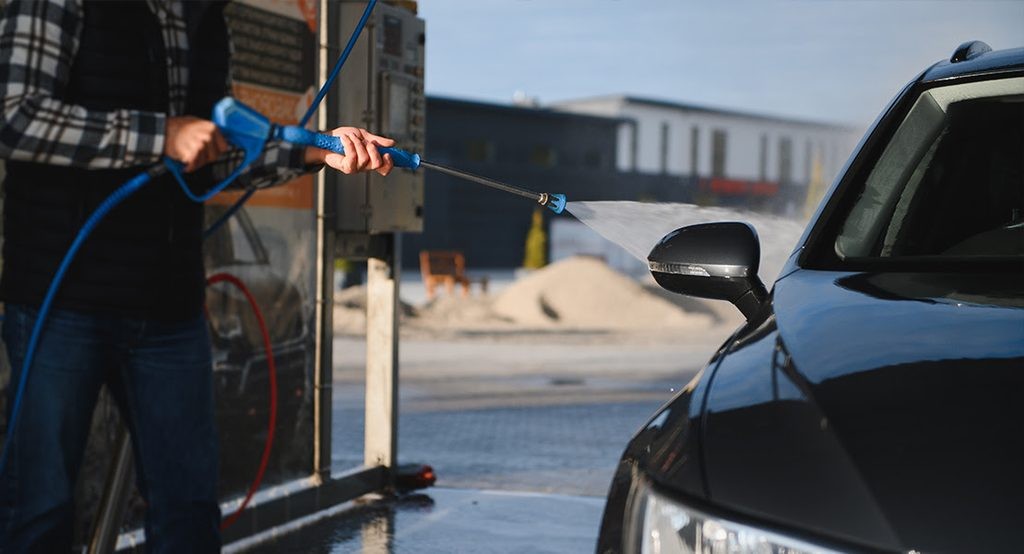
The areas that deserve the most attention are also the easiest ones to skip past. The lower panels, door seams and plastic trim pieces trap salt and hold onto it far longer than flat painted surfaces do - it's why they're worth a little extra time on every wash.
Life in OC moves fast and a week or two without a rinse can slip by. A missed week here and there won't ruin anything - the coating is built for it. Salt is the concern, though. The longer it settles into those tight areas and microscopic gaps, the more wear it puts on the coating's edges over time. A weekly rinse is all it takes so everything stays in check, and the bar for what counts as a rinse is pretty low. A garden hose in the driveway on a Sunday afternoon gets the job done and lets the coating do what it's supposed to.
The Right Work Near the Ocean Pays Off
The product is only half the equation - the application process matters just as much. A rushed job, or one done under poor conditions, can leave small gaps between the coating and the paint surface. In a coastal area like Orange County, those gaps can become a liability very fast. Salt air is relentless, and it always seems to find those weak areas and work its way in over time.
Prep work matters a lot - and I mean quite a bit. Before anything goes on it, the paint surface needs to be clean, free of any contaminants and in good shape. The environment during application matters just as much as the surface itself - temperature, humidity and even dust floating around in the air can all affect how well the coating actually sticks.
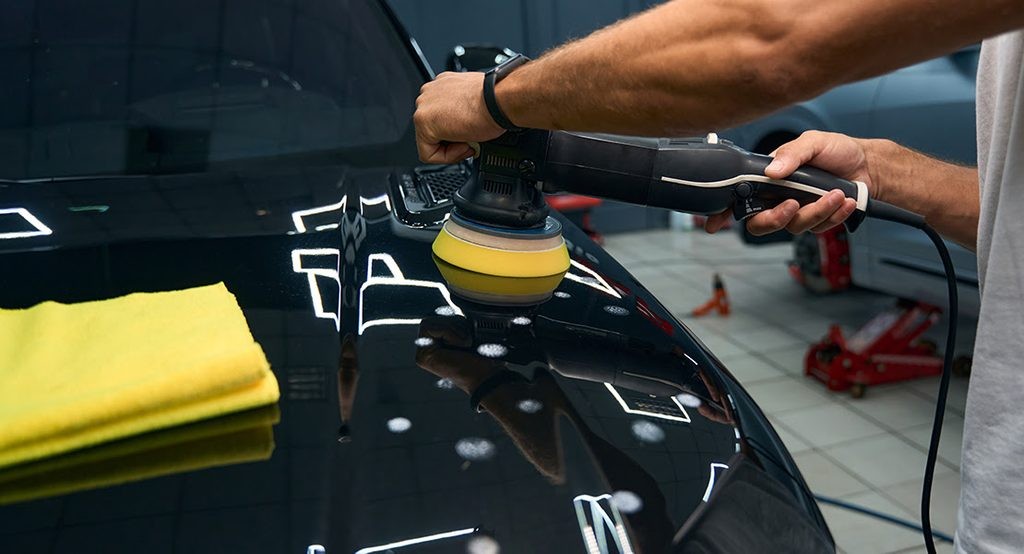
Cheap and fast work on a coating job will usually cost more in the long run - it's worth being direct about that. With a quality application, the finish stays water-repellent and looking great for years with very little issue. With the lowest price, what you'll usually get is something uneven and dull that starts to break down well before it should.
Experienced applicators also know how to read a surface before they open a can. They can catch the areas that need a little extra attention and then adjust their game plan from there. That level of care is what separates a coastal coating that holds up year after year from one that slowly loses the fight against the elements.
Graphene-based coatings are one of them - let's talk about that next.
Is Graphene Worth It for OC Drivers?
Graphene coating has been drawing more attention lately, and it's well deserved - a real step up from a standard ceramic coating. A layer of graphene oxide gets added right on top of the ceramic base, and that's what makes it much better at repelling water than ceramic alone. For coastal areas like Orange County, that extra layer of water resistance is a real advantage, and it plays directly into how long your coating lasts and how well it holds up over time.
Heat resistance is another part of this that's worth a mention. Graphene tends to stay cooler on painted surfaces under direct sun, and that matters quite a bit when you also have heavy UV exposure on top of the salty and humid air. Vehicles in OC get hit with that combination every day, and after a full year of that exposure, the wear that it puts on a coating starts to add up.
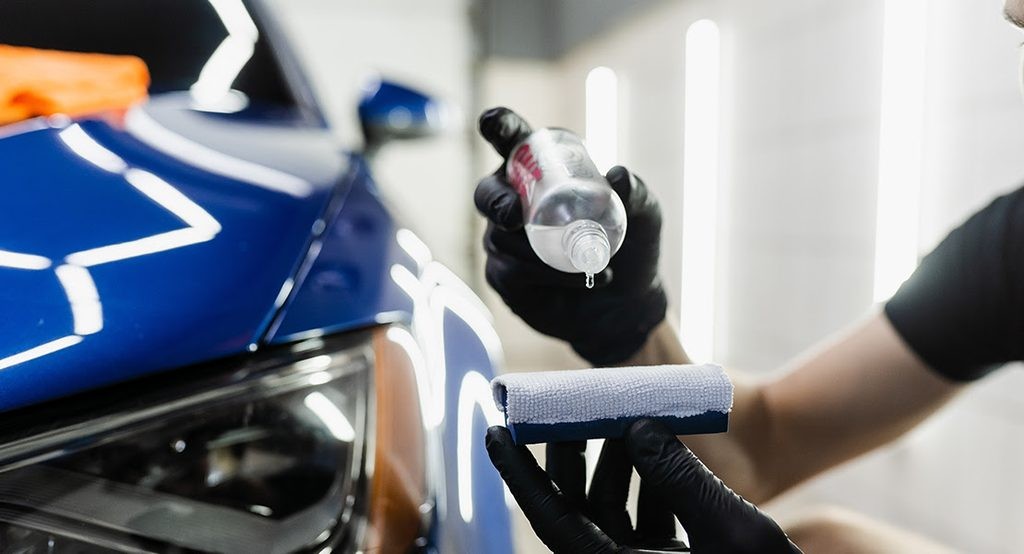
Graphene isn't something everyone needs. A ceramic coating that's kept up properly is still going to perform very well for most drivers. Where graphene actually starts to pull ahead is for drivers who park outside full-time, or for anyone who lives right on the water, where salt is in the air almost all the time.
What graphene gives you is better protection when conditions get rough. The hydrophobic effect lasts longer, and the surface holds up much better under heat and moisture - and in a place like OC, that extra durability is usually what separates a coating that lasts two years from one that lasts four. Whether that upgrade is worth it for you depends on how you use your vehicle and where you park it. From what I've seen, the drivers who get the most out of graphene are the ones who spend the most time parked outside near the coast.
Transform Your View with Professional Tinting
The Orange County coast is actually one of the better places to own a car - and not for the reasons that you might expect. The environment is tough on your vehicle. But the challenge itself is well understood and very much workable. Salt air does put steady pressure on your car's paint and exterior over time. With the right protection in place and a couple of simple habits built into your day, it's nothing that you can't get ahead of.
A well-applied ceramic coating puts you well ahead of bare paint or wax, and a steady rinse habit only adds to that. A coastal address doesn't have to dictate what your paint looks like a few years from now.
Part of what makes this worthwhile is learning about what's going on with your vehicle and why each step matters. Professional application goes a long way, the trim and seams deserve extra attention and graphene is well worth a hard look if your vehicle gets a lot of sun or harsh weather - and understanding that puts you in a much stronger position than just hoping that everything works out. A car owner who knows what's going on tends to be a far less stressed one, and at the end of the day, that's what it's all about.
Ready to give your vehicle some real protection against what coastal driving puts it through? OC Tint Shop is a great place to start. Our team has worked with plenty of Orange County drivers over the years, and we know what holds up out here near the coast and what doesn't. Ceramic coating, paint protection film, window tinting - whatever direction makes the most sense for your situation, we'd love to walk you through your options in more detail. Reach out to set up your free consultation.