
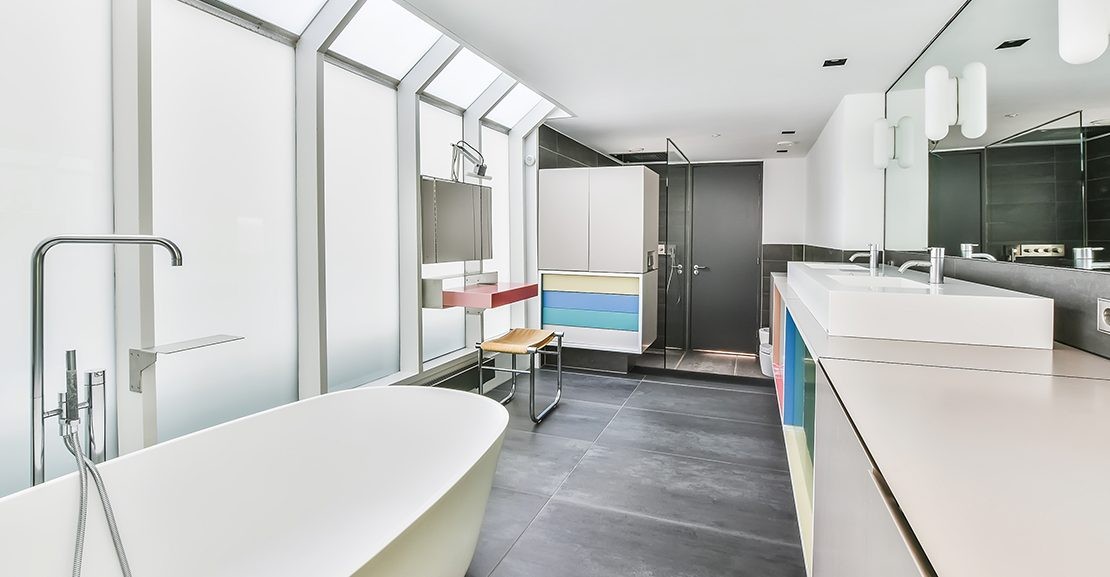
Bathroom privacy doesn't usually make it to the top of anyone's renovation list - until one day it just has to. A neighbor's second-story window, a side yard with almost no clearance, or a builder's choice to place a large pane of glass right where it doesn't belong can make a normal shower feel pretty uncomfortable. Plenty of homeowners in Orange County live with the problem for months and sometimes even years before they finally get around to fixing it.
Each one of the usual fixes has real trade-offs to keep in mind. Blinds pick up moisture fast and develop mildew in no time in a humid bathroom - and a bathroom is about as humid as it gets. A full glass replacement with an obscure or frosted pane is an option too. But the cost alone puts it out of reach for most bathroom budgets. Curtains block natural light and look a little out of place on a window that sits right above a tub. Frosted privacy film is the option that actually solves the problem at a fraction of the cost - though the wrong opacity, pattern or installation can leave you worse off than before.
Orange County can add its own set of complications. For anyone in a master-planned community, the HOA guidelines are worth a look before you settle on anything - plenty of them regulate what's visible from the street or a neighboring yard, and that takes quite a few options off the table immediately. Renters also have an extra concern - adhesive products that leave residue on the glass could cost you part of your security deposit. Bathrooms on the west side get hit pretty hard by the afternoon sun, so in addition to the privacy issue, you're also dealing with uncomfortable heat.
And the film market itself is tough to sort through - there are hundreds of products with wildly different opacity levels, patterns and adhesive types, so narrowing down the right one takes real work. The local hardware store usually won't have what you need for this one.
Here's why frosted privacy film is a fit for your OC home.
OC Bathroom Windows Have a Real Privacy Problem
Bathroom privacy in Orange County is a very real concern. Many of the newer tract homes in cities like Irvine are built on lots as small as 3,000 to 4,000 square feet, and that puts neighboring houses extremely close together. Side yards in these neighborhoods can be just a few feet wide, and a bathroom window that faces one of these narrow gaps leaves almost no separation between you and whoever lives next door. Two-story homes make this problem noticeably worse.
A neighbor's upstairs bedroom window (or just a hallway window) has a direct sightline down into a ground-floor bathroom, and there's usually very little else standing in the way. Large bathroom windows are still common in new builds, and it makes sense (natural light and ventilation are legitimate needs), but the privacy cost that comes along with them is very real.
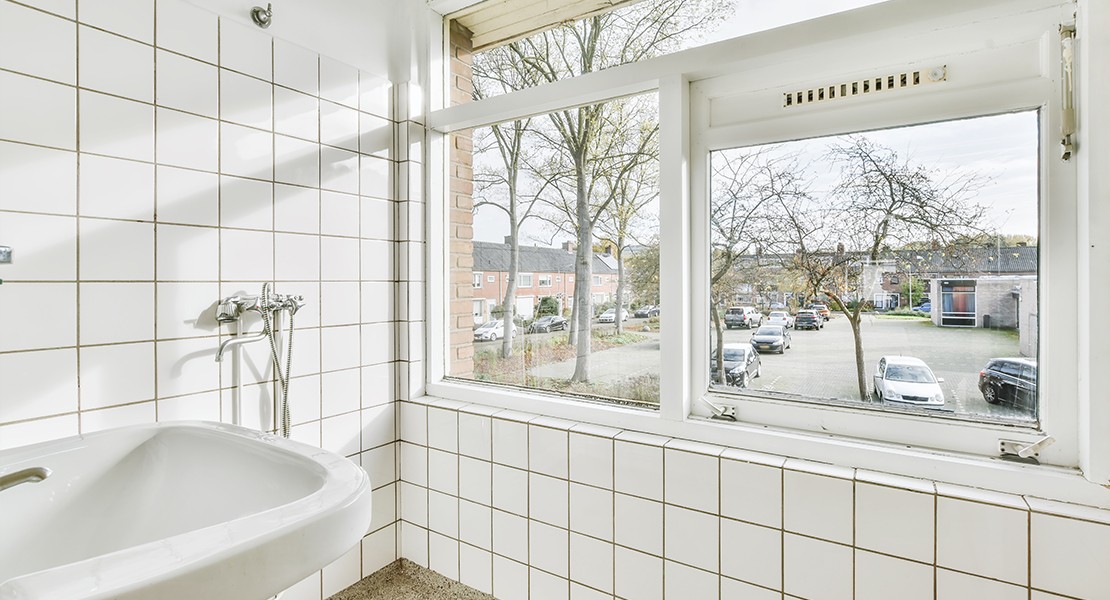
The first move for most homeowners is to get blinds or curtains. That holds up well enough - until it doesn't. Bathroom windows deal with steam and moisture every day, and fabric curtains or real wood blinds will hold onto it. Mildew works its way into the slats and the folds, and what started out as a basic window treatment turns into something that never stays clean. It's one of those cases where the fix ends up causing its own problems.
Plenty of residents just find ways around it, and some of the workarounds are pretty telling. Some keep a window cracked open just barely for airflow but not wide enough for anyone to see in. Others keep the lights off in the shower.
At some point, those little habits start to add up, and the underlying need is actually pretty plain - something that lets natural light in and keeps the air moving without having to give up any privacy to get it.
How the Sun Heats and Fades OC Bathrooms
West-side bathrooms in Orange County can get brutally hot in the afternoon, and a bare window with nothing on it only makes the heat worse. Frosted privacy film is the most common fix to keep the neighbors from seeing in. Many films are rated to block as much as 99% of UV rays, and they also cut down on the heat that passes through the glass - which is a bonus for any room that gets pounded with direct afternoon sun.
UV protection is one of the benefits that almost never gets enough credit. Sunlight that pours through an untreated window will slowly fade your towels, bleach out the wood cabinets and wear down your flooring over time. A bathroom doesn't always feel like a room that's exposed to that sort of damage. But the exposure still builds up a little more every day.
The Skin Cancer Foundation actually runs a Seal of Recommendation program for window films that meet their UV protection standards - and it's worth finding that label when you compare options. Not every frosted film blocks UV rays at the same level, and the difference in performance between a well-rated film and a poorly rated one can be pretty dramatic.
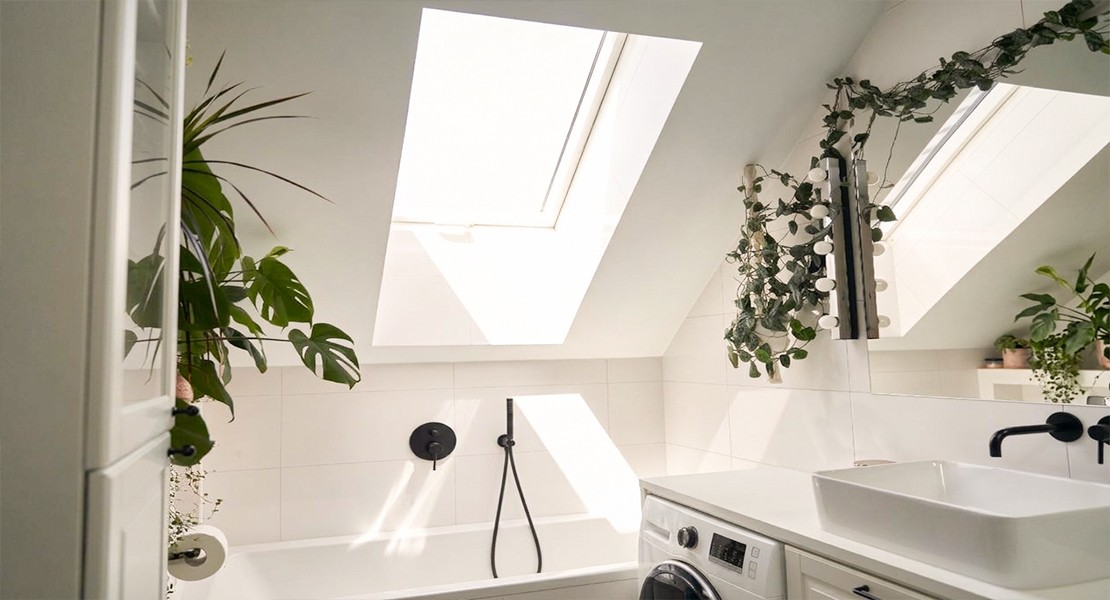
One more tip - check your window warranty before you install anything. Dual-pane windows can have warranty terms that get voided by window film - this is especially true with the darker or heat-absorbing films because those types of films change the temperature balance inside the sealed glass unit.
For west-side bathrooms in Orange County especially, the right frosted film does a few jobs at once - it gives you privacy, filters out UV rays, cuts down the heat and protects everything inside the room over time.
Why Film Beats Glass Shutters and Smart Glass
Full obscure glass replacement is of course always an option. The problem with that is that you'll have to pull out what's already in place and pay for the new materials and professional installation on top of it. Frosted window film sidesteps that - it lies right over your existing glass and gets you to the same end result for a fraction of the cost.
Plantation shutters are a popular option for bathroom remodels and the appeal makes sense - they look great and feel classic. The issue is that wood and steam are a bad combination. A hot shower every morning creates that humid environment that makes wood warp over time. Bathrooms usually run warm year-round in Orange County, so wear tends to come a bit faster.
Switchable glass does look great - it switches from transparent to frosted at the press of a button. The price runs anywhere from $50 to $150 per square foot installed, and even a smaller bathroom can become a sizable investment. Frosted film gets you the same privacy, softened light and a clean and polished look for a fraction of that cost - and it's hard to make a strong case for switchable glass at that price difference.
The one honest trade-off worth calling out is that switchable glass does carry an on-demand flexibility that film just can't replicate. It's worth doing the math on the price difference before committing to anything if that part matters to you. The goal for most homeowners is a bathroom that feels private, looks polished and stays comfortable - and frosted film covers that just fine without the cost or the permanence of a full glass replacement. It's hard to argue with that.
Check Your HOA Rules and Lease Terms
Windows are very much included. Even a bathroom window tucked away where almost no one would ever see it can still fall under your association's CC&Rs.
Most HOAs and associations share one main concern with window treatments - uniformity. A frosted film that changes how a window looks from the outside (even just a little bit) can put you in a gray area with the association's guidelines. The great news is that it's not a hard problem to work around. Check your CC&Rs first, and if anything in there feels vague or leaves you with questions, get written approval before you move forward with anything.

Renters will want to run this by their landlord before anything goes up on the glass. A written agreement from all parties protects everyone involved and makes the whole process much cleaner right from the start.
It's actually one of the best parts about window film. Since it's removable, it's a smart choice for renters or for anyone who knows they might eventually move. Many renters are legitimately relieved when they find out about it - no permanent adhesives, no wall damage and no long-term commitment of any kind.
Not all films are made the same way, so it pays to choose carefully. The cheaper adhesive options can leave residue behind when removed. That residue can easily cost you your security deposit. A quality static-cling or low-tack film will cost a bit more. But it comes off clean without leaving a trace when it's time to take it down.
Frosted Film Styles and the Opacity That Counts
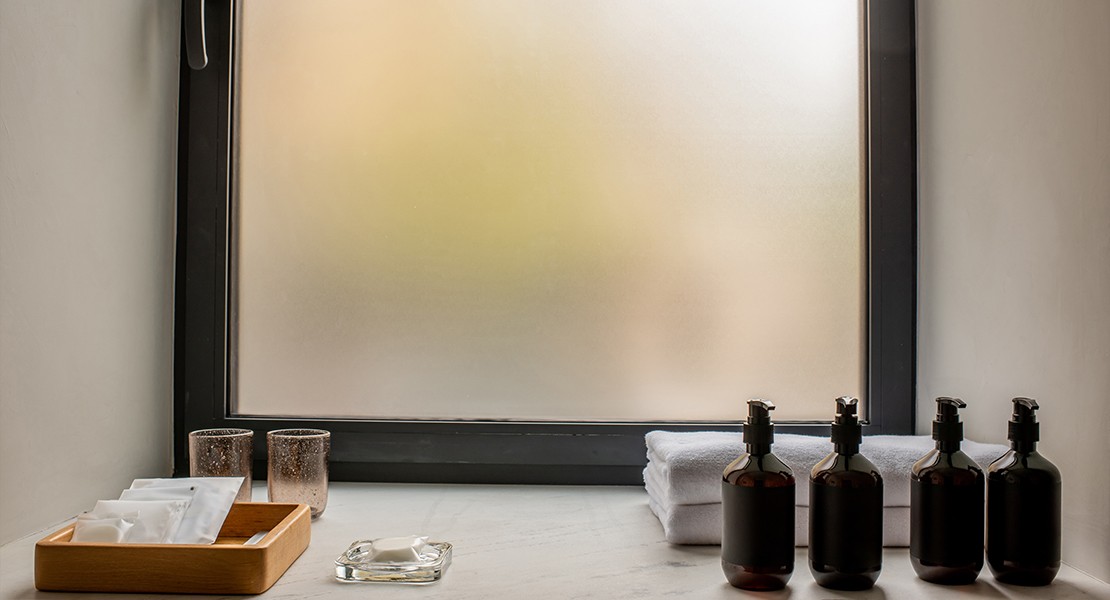
Plain frosted film is the simplest option of the bunch - a milky finish that spreads light around and gives your bathroom privacy from the outside. No patterns, no added texture and no extra features to remember. That's all you need for most bathrooms.
Etched-look patterns are a great place to start if you want a little more personality in the design. They replicate the look of sandblasted or acid-etched glass, and they usually work well with traditional or craftsman-style homes. Gradient films are another decent option - the frosting starts dense at the bottom and slowly fades out at the top so it lets in quite a bit more natural light while still giving you privacy at eye level.
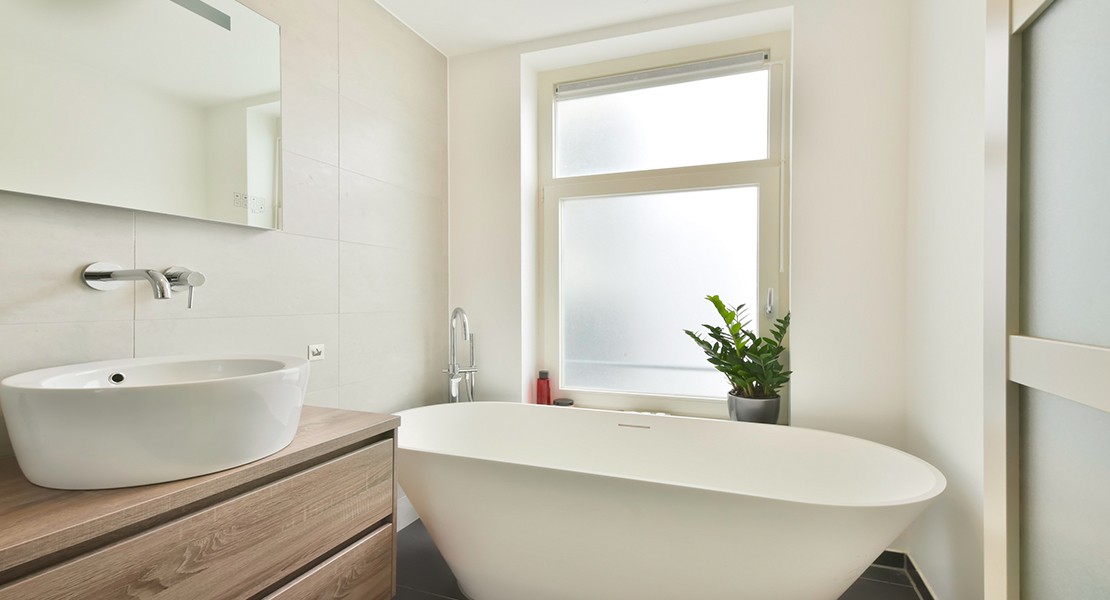
Geometric shapes, botanical prints and similar patterns on the more decorative end can look very striking in the right setting. You might still want to pause before you go with something strong - for the design as a whole and for how it might land with future buyers when the time comes to sell.
Opacity is one factor that doesn't get enough attention during the selection process. Daytime privacy is pretty easy to get right with most films. But nighttime is a different matter - and it's where plenty of films fall short. A thinner or lower-opacity film might not be doing much for you at all with your interior lights on. Mirrored films are probably the most common example - they're great from the outside during the day. But anyone outside can see straight in once it gets dark. It's worth a quick test at night before you make the final choice - no matter which style you're leaning toward.
Frost the Whole Window or Just Part
The lower half of a bathroom window is one of the most popular places for window film in Orange County homes - and it's a smart way to go about it. With the top portion left uncovered, natural light still pours in, and the room stays open and bright. The section of the window that matters most for privacy gets covered so everything inside stays right where it should - out of view.
But a partial application doesn't work equally well for every home. A neighbor with a second-story window or an elevated deck nearby could well have a direct sightline right over your frosted section - which changes your plan. A quick way to double-check is to head outside and look back in at your own window from a few different places along your yard or property line. Walk up close to the property edge and see what your neighbor would see from their angle - it'll tell you pretty fast if your film needs to go a bit higher.
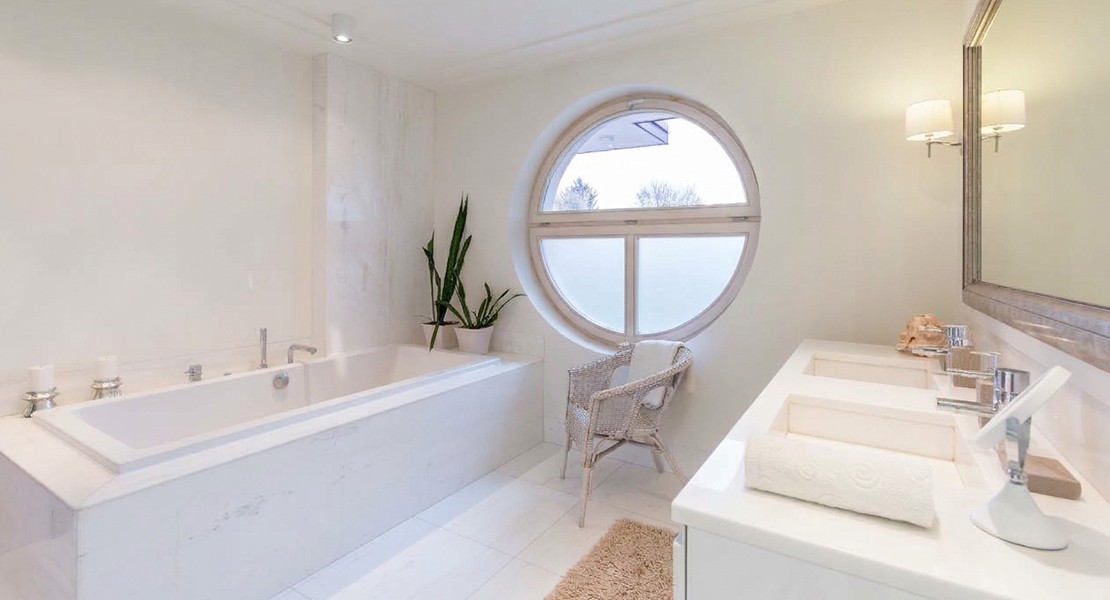
It also helps to step outside and look at your home from the street, the same way that any passerby would. Even a few extra inches of coverage at the top edge matter in how it looks, and it's far easier to make that call before the film goes up than after.
One detail that's worth keeping in mind - plenty of bathrooms have what's called a transom or clerestory window that sits up high on the wall. The whole point of these is to bring natural light in from above, and no one outside has an angle to see through them anyway because they're mounted so high. You have more flexibility with how much the lower window actually needs to be covered if your bathroom has one. Many homeowners will frost the whole main window and just leave the upper one bare - and the room still gets plenty of light, and it feels just as open.
Do It Yourself or Hire a Pro
Hot showers push moisture into the air, and that moisture gets trapped between the film and the glass when it has nowhere to go. All that built-up humidity works its way into the adhesive layer over time - and once it gets in there, then you'll start to see bubbling and peeling along the edges. At that point the film won't hold, and you'll have to pull the whole sheet off and start fresh.
Window film also needs enough time to cure after it's installed. The adhesive has to bond with the glass before it's ready, and a bathroom is about the hardest room in the house for that. Moisture in the air (especially in those first couple of days) can get in the way of that bond before it even has a chance to set. A hot shower taken too soon after installation is one of the most common reasons a film job doesn't last.
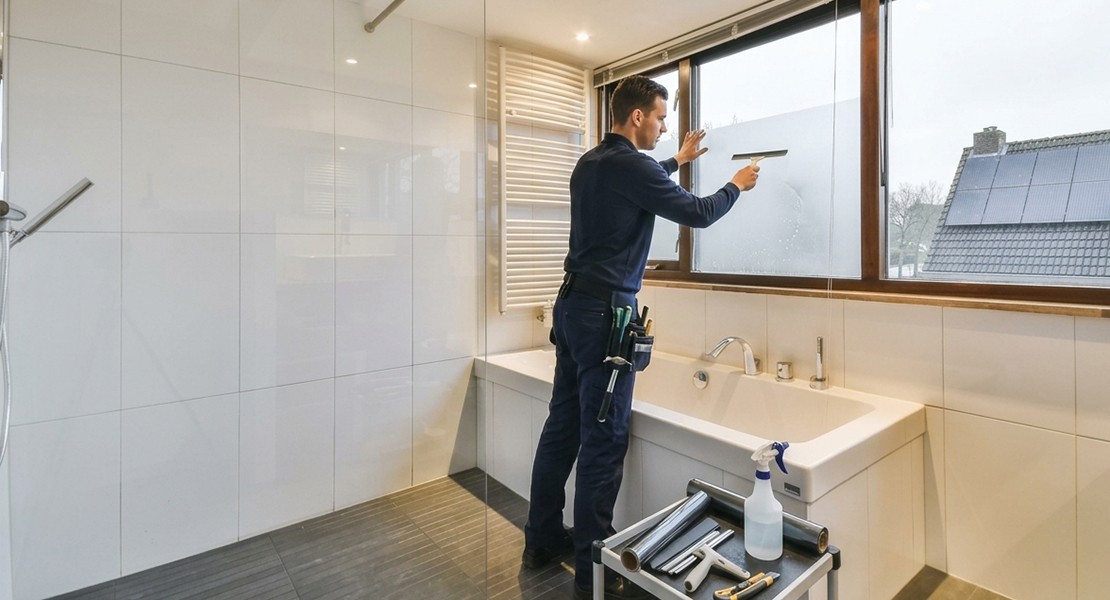
One point to keep in mind on the building code side - privacy film alone does not satisfy California's safety glass standards near tubs and showers. Those standards apply to the glass itself, and nothing that you put on top of it changes that. If your bathroom window falls within the set distance of a wet zone, then the glass has to meet those standards - either tempered or laminated. The film gets applied on top of already-compliant glass - it doesn't replace it, and it doesn't count toward it.
Plenty of homeowners run into hot water right here, and it's one of the first issues I'd want to sort out before any film goes on the glass. A window installer can look over your exact setup with you and confirm what your glass actually needs - because until that's settled, everything else is premature.
Transform Your View with Professional Tinting
The stretch between "this bathroom needs something" and actually making a move on it - that's usually where the time goes. Most homeowners spend more hours going back and forth on their options than the installation ever takes. Once it all comes together (the right opacity, the right coverage height, HOA approval locked in and the sightlines checked from the outside), what you're left with is a bathroom that finally belongs to you. Before placing any orders, grab your window measurements and do a quick walk around the outside of the house to see what the angles look like from out there. Those two steps alone will knock out most of the avoidable problems before they ever start.
After installation, give the film a little time to cure before jumping back into back-to-back hot showers. Once it's settled in, the day-to-day is mostly hands-off - a bathroom that pulls in natural light without putting anything on display.
A window film installation (done right the first time) can improve how a space looks and functions, and OC Tint Shop is the right team to get you there. The right opacity for your exact sightline and the durability to hold up through years of bathroom humidity - these are the qualities that separate a decent install from a great one. Residential window film is one part of what we do - our team also does automotive tinting, ceramic coatings and paint protection, so there's plenty of combined experience behind every job we take on. When you're ready to move forward, get in touch with us to schedule a free consultation and find out what the right film can do for your space.