
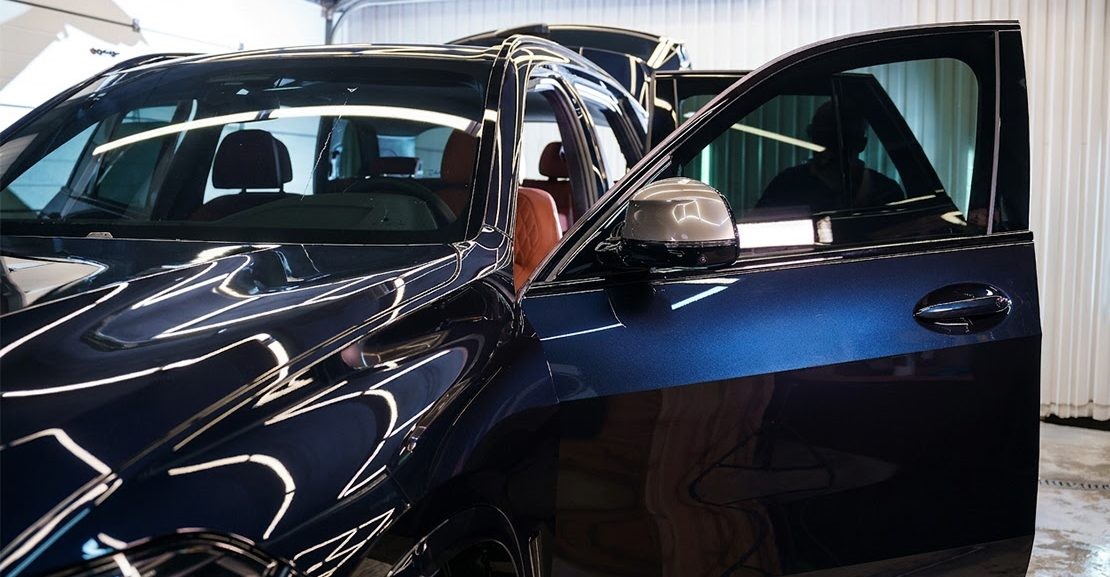
A full 8 hours under the California sun does actual damage - to dashboards, leather seats and anyone who's ever made the mistake of grabbing a metal seatbelt buckle in August. That's just life out here for drivers in Orange County, whether it's crawling through the 405 during rush hour or sitting in stop-and-go traffic on the 91 with the afternoon sun pouring straight through the glass. Window tint is one of the most helpful upgrades that you can put on a car out here, and at some point the heat or the glare gets bad enough that plenty of drivers start looking up prices.
That search can get messy pretty fast. Quotes from different shops can swing by hundreds of dollars, and they're all carrying different film brands and grades - so the numbers don't line up the same way. What a coworker paid a couple of years ago won't tell you much about what shops are charging now. Orange County is also just a more expensive market than most of California, and tint prices follow right along with that.
Film quality plays a big role in where a quote ends up. The entry-level dyed film and premium ceramic options are priced very differently, and they perform just as differently in the actual SoCal heat. Cheap film can hold up well enough in a milder climate. But out here, a couple of summers is usually all it takes before it starts to purple and bubble - and then the removal is another expense on top of everything.
Once the film starts failing and you're back at a shop to have it stripped and redone, that math falls apart pretty quickly. The most frustrated customers that I see are nearly always the ones who went with the cheapest option they could find. A quality film does cost a little more up front, but it will usually save you money over time - and it's a far less painful experience.
Here is what you can expect to pay for window tinting in Orange County.
How Much Orange County Drivers Pay for Tint
Where you fall in that range can depend on two factors - the shop that you choose and what you're actually asking for. A basic tint job on a small sedan at a budget shop will sit at the lower end of that price range. A full package with premium film on a bigger vehicle from an established installer will push toward the top - and sometimes right past it.
Shops with a strong local reputation will usually charge a bit more for it - it's a pretty reliable sign of quality. The work holds up - five or six years later it still looks great. That staying power is worth weighing when you're first comparing prices.
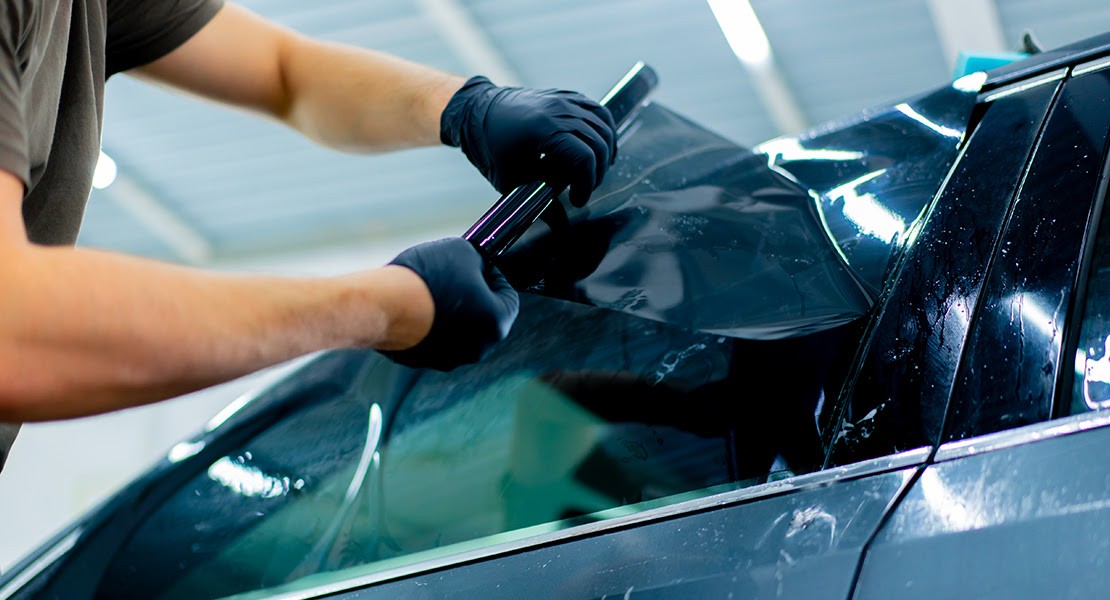
Any quote that's sitting well below everything else that you've seen is worth a second look. A price far off the going rate can point to lower-grade film, less experienced hands on the install or shops that cut corners in ways that won't surface for a year or two - and by the time the film starts peeling or turning purple on you, that original low price tag has long since stopped feeling like a win.
Anywhere between $150 and $600 is a fair range to plan around. The sweet spot for most car owners tends to fall somewhere in the middle - a trusted shop with mid-to-upper-tier film at a price that lines up with what you get out of it.
A Bigger Car Will Cost You More
The size and shape of your vehicle will have an effect on the price that you pay. A two-door coupe has fewer windows and an easier layout, so the job gets done faster and the price shows it. A minivan or a large SUV is a different situation - there's quite a bit more glass to cover. That extra surface area means more time on the job and a higher bill at the end.
Curved glass comes with its own set of challenges. The film has to be shaped and stretched to follow the exact contour of the window, and if it's not done right, then you'll have wrinkles or air bubbles that are hard to miss. A sharply curved rear window is probably one of the harder parts of any install - it takes patience, and a skilled installer will put in a fair amount of extra time to get it right. Panoramic roofs and oversized glass panels add even more to that. More surface area means more room for error, more material to manage and more hours on the job.
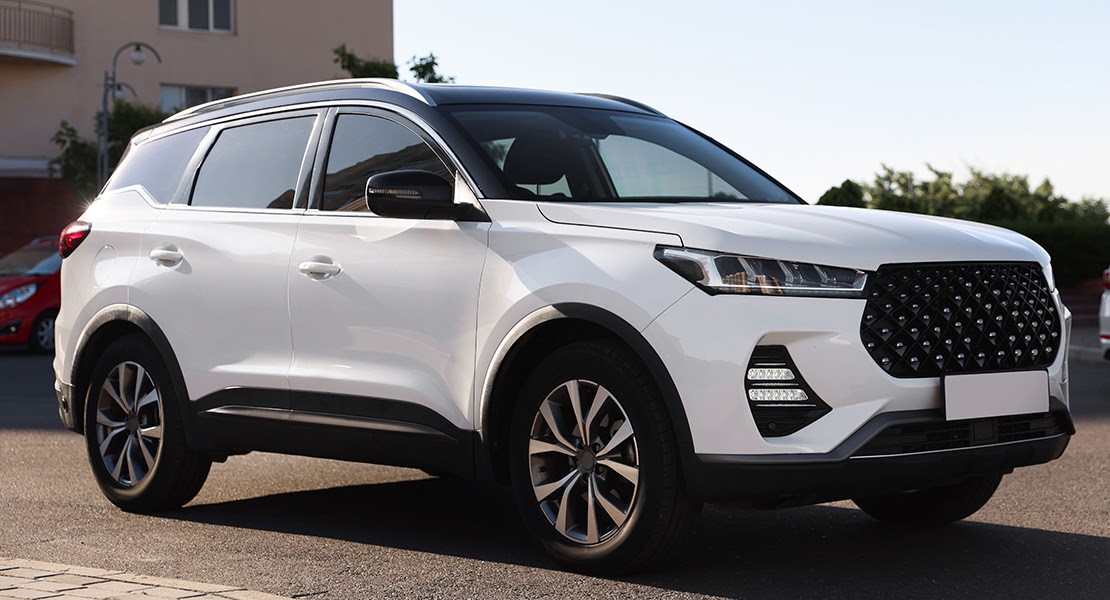
It's all worth keeping in mind when you go to get a quote on an SUV or a pickup truck. The price will usually come in higher than it would for a standard sedan, so a little preparation ahead of time can save you frustration.
One last budget reminder - the instinct to skip a few windows as a cost-cutting move will work against you. A car with tinted fronts and bare rear windows ends up looking mismatched, and it draws unwanted attention. The better plan is to budget for the whole vehicle from day one and then bring the cost down by picking a less expensive film grade. Film type actually has a pretty wide price range - it's where most of your budget flexibility comes from.
The Cost of Dyed Carbon and Ceramic Film
Dyed film is usually the most affordable option out there, and most full-car installs are priced anywhere from $100 to $200. The way it works is pretty easy - a layer of dye absorbs incoming sunlight to cool down your cabin, and it does a decent job of that for a while. The problem with SoCal summers is that they're relentless - the dye layer can start to fade, turn purple and bubble up within just a few years. Dyed film will very likely cost you more over time than it ever saved you at the start if you're looking to own your car for a long time.
That said, it's not a bad fit for everyone. A short-term lease is a strong case for dyed film - it's a perfectly fine way to go if all you need is a little extra shade and you don't want to put too much money into it.
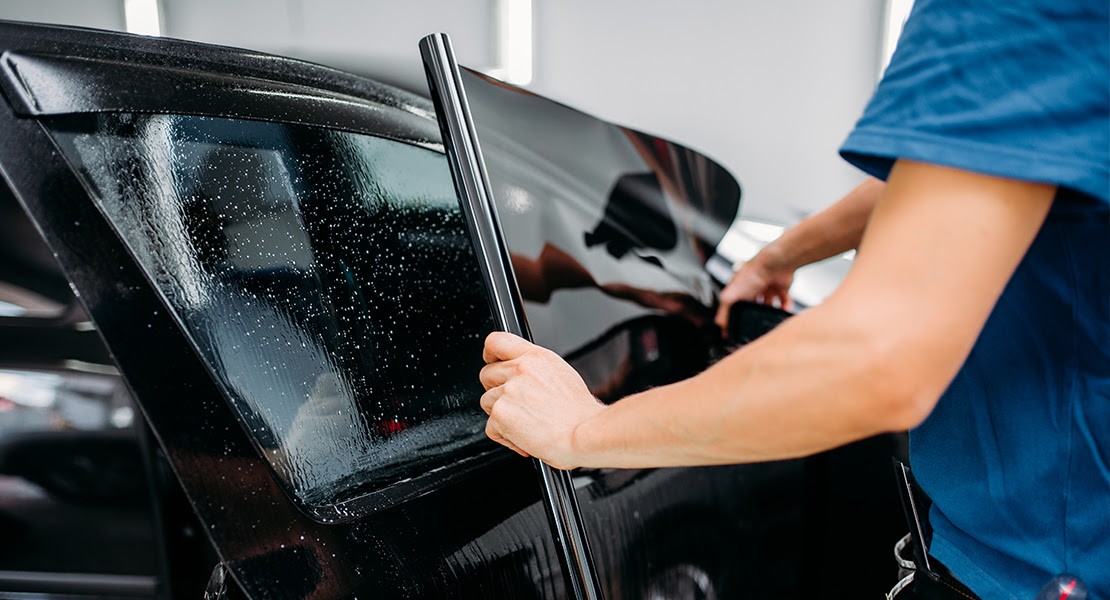
Carbon film is a step up from those dye-based options, and the price shows that - most installations will run you anywhere from $200 to $400. It uses carbon particles instead of dye to block heat, and that helps it hold up way better over time without fading the way dye-based films do. It also does a much better job at cutting back on how hot your interior gets on those extra brutal summer days.
Ceramic film sits at the top of the pack with prices that usually start around $350 and can top $600 depending on your vehicle's size and type. It relies on ceramic particles to block infrared heat, and one of its biggest upsides is that it blocks the most heat of the three without affecting your phone signal or GPS reception at all. The materials are more refined, and the production process is more involved, so the higher price is a natural result of that. As for whether ceramic is actually worth the extra investment for your situation, that's a whole separate conversation - and one that's well worth having.
Is Ceramic Film Worth the Extra Cost?
Ceramic film does cost more than dyed or carbon options (sometimes quite a bit more), but the price is there for a reason. The heat rejection on ceramic is much better than what you get from a standard film, and the difference in performance starts to matter once you've parked in Santa Ana in August and come back to a car that's an oven inside.
The UV protection side of it is worth talking about too. Dr. Brian Boxer Wachler published a study in JAMA Ophthalmology that found that side windows block much less UVA radiation than windshields do. Over the years of day-to-day driving, that gap builds up - and it's a big part of why drivers usually develop more sun damage on their left side than on their right. Most drivers don't make that connection until they come across a study like this one.
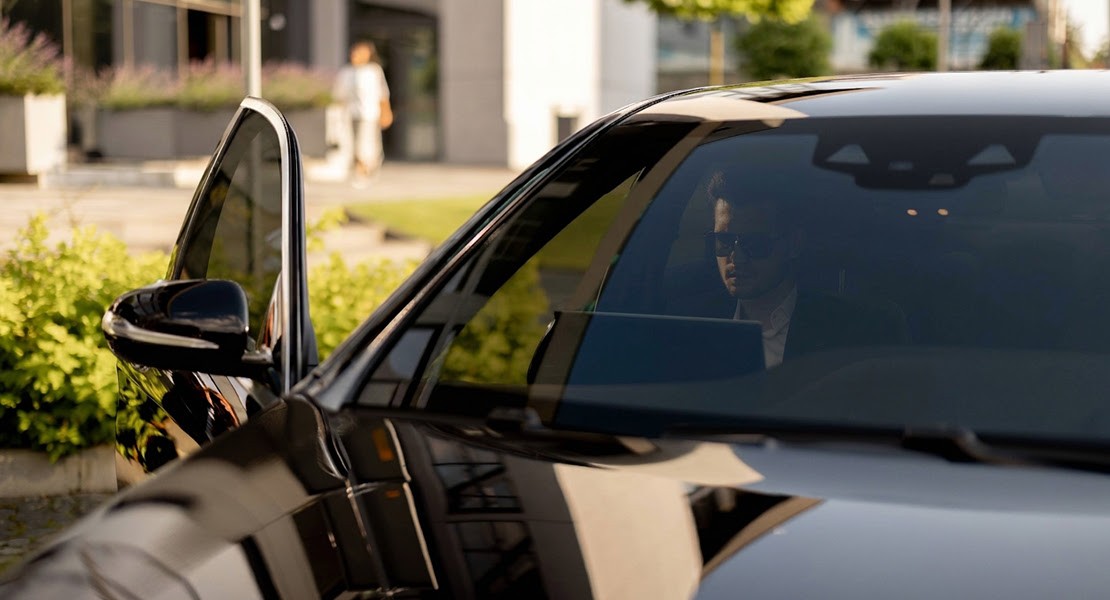
For parents with young kids in the car, UV protection is probably the biggest part of the whole conversation. Kids in their car seats spend every trip sitting right next to those side windows, and ceramic film is one of the more helpful ways to cut down on their UV exposure during every drive.
With all that said, ceramic film isn't the right fit for every situation. If your commute is short, you mostly park in a garage, and you're on the road mainly during early mornings or evenings, a decent mid-range film will probably serve you just fine - the actual performance difference between the two won't matter much in your day-to-day. Ceramic starts to earn its price tag when your car is sitting in direct sun for hours at a time (that's the scenario it was built for, and it's where ceramic pulls ahead).
Extra Fees That Can Raise Your Total
A few factors can add to your total on top of the base price of the film, and old tint removal is probably the most common extra charge that comes up. It's especially relevant if you've recently bought a used car - the previous owner's tint may still need to come off before anything new can go on.
If the car had a previous owner, there's a fair chance the tint was put on years ago - and film doesn't last forever. Once it starts to bubble or turn purple, it all has to come off before any new film can go on. That removal process takes time. The adhesive left behind is stubborn, and it has to be worked away slowly and carefully.
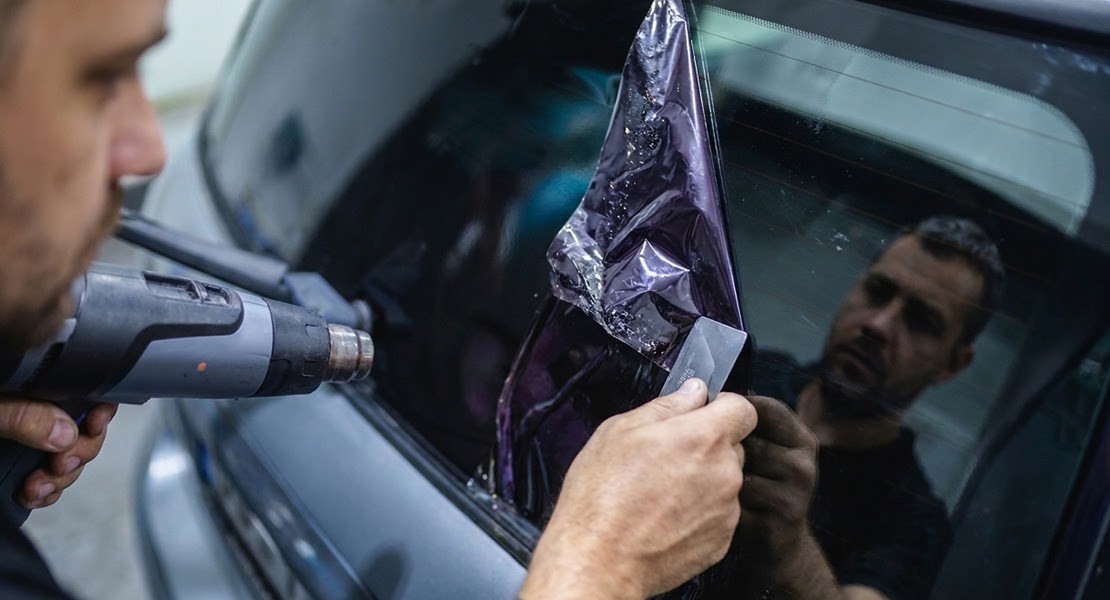
The rear window is a whole different challenge. Those defroster lines that run across the glass are delicate, and the old adhesive tends to bond right along them - which is why it matters to remove the film gently. A skilled technician will take their time and go slowly to leave those lines intact. Rush the job, and you're looking at a defroster that no longer works.
There's something that you'll have to know first if you're weighing DIY tint removal. A replacement rear defroster (or in some cases the full rear window) will run you far more than any shop would have charged to pull the old tint off. The math almost never works out in favor of the DIY strategy.
Removal labor is almost never the only line item on a final invoice. Specialty films, extra layers or windows with more unusual shapes can each add a bit more on top of the base cost as well. Ask for an itemized rundown of the charges before any work gets started so you're sure of what you're paying for and why. A reputable shop will have no problem with that, and if they do push back on it, well, that tells you something right there.
The Cost of Getting California Tint Wrong
California's window tint laws are some of the strictest in the country, and the fines are steep enough that it's worth knowing the laws before you book an appointment. Front side windows have to meet a 70% VLT (Visible Light Transmission) minimum (the glass and film combined have to let in at least 70% of the available light). That's a pretty tight number, and it doesn't leave much room for anything too dramatic on the driver and passenger windows. The windshield works differently - only the top 4 inches are allowed to have any tint on them at all, which tends to fall right above your natural line of sight anyway.
Rear windows are a different matter. The law is actually pretty generous with them - it's why most of the dark tinting that you'll ever see on a car ends up concentrated toward the back.
Those front window restrictions come down to a couple of reasons, and safety is at the top of the list. Officers need to be able to see into a vehicle during a traffic stop, and drivers need a full view of the road - especially at night or in low-light conditions. Front windows also get the most attention during a traffic stop, and tint that's out of compliance there usually gets caught.
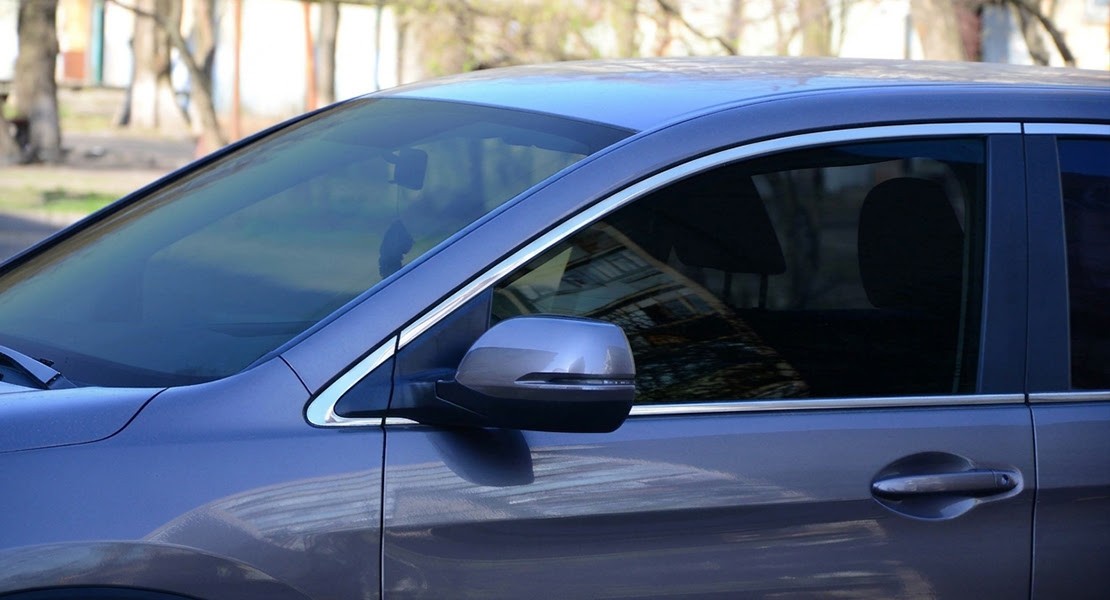
A non-compliant front window tint will get you a fix-it ticket, and that's when costs start to add up. That forces you to pay for the film removal and then pay again to have it redone right - which comes out to roughly double what the job would have cost if it had been done correctly from the start. It's one of the more avoidable costs I see in this line of work.
One exception does apply, though. California has medical exemptions for light-sensitivity conditions. A licensed physician has to sign off on it first, and it only covers a handful of the windows on the vehicle. A conversation with your doctor before your tint shop appointment is probably worth the time if any of that sounds relevant to your situation.
What a Good Warranty Needs to Cover
A lifetime warranty sounds great on paper, and most shops are more than happy to lead with that as their big selling point. The details get far more revealing in the fine print - it's where your attention needs to be. Any warranty that's actually worth something has to cover defects like film that bubbles, peels, fades or changes color - for as long as you own the vehicle.
Some warranties only apply if your tint was installed at an approved location, and others ask you to register within a set number of days of the installation date. Your coverage is gone once that deadline passes - with no way to get it back.
One of the most common ways customers lose their warranty protection is also one of the most preventable - they lose their receipt. Your lifetime coverage won't help you at all without it since most shops have no way to check whether you ever bought anything. A copy saved somewhere that you'll be able to find it takes maybe 2 minutes to set up and it'll protect your coverage when you need it most.
There's a limit to what even a great film product can do on its own. Even the highest-end film will start to bubble or peel well ahead of schedule if the glass wasn't prepped or if it wasn't applied with the right amount of care. Air pockets from a rushed install get worse over time, and there's no fix for that short of redoing the whole job.
A mid-range film put in by a person who knows their trade will usually outlast a premium film that got rushed through the job.
Transform Your View with Professional Tinting
It all matters (your vehicle size, the film that you choose, any removal work involved, California's tint laws and what your warranty actually covers). Each one of the pieces has a direct effect on your total price and on how happy you'll be with the job a few years from now.
Have a few questions ready before you call a shop. What film brands do you carry and what sets them apart from each other? Does the old tint removal come included in the price or is that a separate charge? What does the warranty cover, and are there any conditions that you have to meet to keep it valid? And how long will the whole job take, and should you do anything to get your car ready ahead of time? Those four questions and the answers that you get will tell you quite a bit about the shop that you're working with.
On install day, plan for the job to run anywhere from 2 to 4 hours (it changes by vehicle) and leave your windows up for at least 3 to 5 days after that. The film needs time to cure. The edges can start to lift if you roll them down too early. The wait's short, and it's one of the easiest ways to get the most out of an install that you just paid for.
A great window tint job starts well before any film ever touches your glass - it starts with the shop that you choose. At OC Tint Shop, we've built a reputation all across Orange County, and we treat every vehicle like it matters, because it does. No matter where you are (Newport Beach, Anaheim or anywhere in between), our team is ready to talk about your options and put a quote together that works for your car and your budget. Give us a call to set up your free consultation and to see why so many Orange County drivers trust us with their windows.