
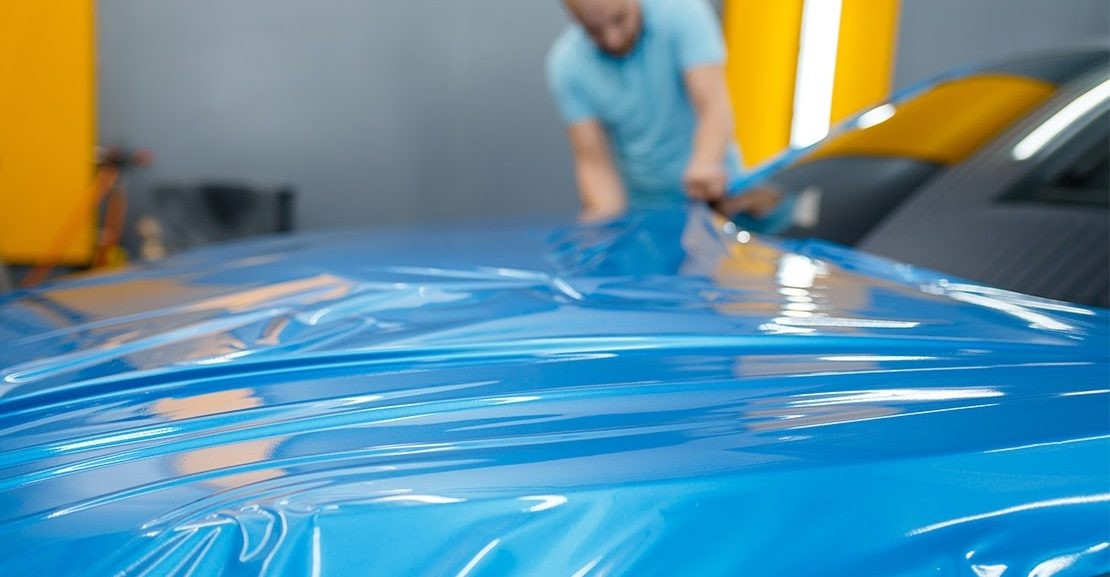
A vinyl wrap is a financial commitment (we're talking thousands of dollars for a quality installation), and California's climate makes the durability question matter more than it would in most other states. Whether you just paid for a fresh wrap or you're still on the fence about whether it's worth it, you deserve a straight answer instead of a wishy-washy "it depends."
California sunshine is one of the state's great selling points - and also one of the most relentless forces working against automotive finishes. UV intensity, ambient heat, coastal salt air and inland temperature swings all put genuine stress on vinyl film, and each of them acts a little differently depending on where in the state you are. A pair of wrapped vehicles with the same make and model can look dramatically different after just three years - the same film, the same color and very different results.
A vehicle wrap's lifespan can depend on five factors (the regional climate, your exact location within the state, the grade of film used during installation, where the vehicle is parked day to day and how well you take care of it over time), and each one can either add years to your wrap or take them right back off. A vehicle that lives in coastal San Diego, parks in a covered garage and gets regular care will age very differently than one that bakes in a Fresno driveway under full valley sun every day - the same wrap, the same price tag and very different results. Some of the five factors are out of your hands. The ones that you actually can manage carry a lot of weight.
Let's find out how long your vinyl wrap will last in California!
How Long a Wrap Lasts in California
A quality vinyl wrap in California can last anywhere from 3 to 7 years - and yes, that's quite a wide range. That range does come down to one main factor - where on your vehicle the wrap is actually placed.
Your hood and roof usually wear out well before your side panels do. That gap in placement is what leads two panels on the exact same wrap job to show very different results years later. The same film, the same installer and the same install date - and the wear patterns can be drastically different.
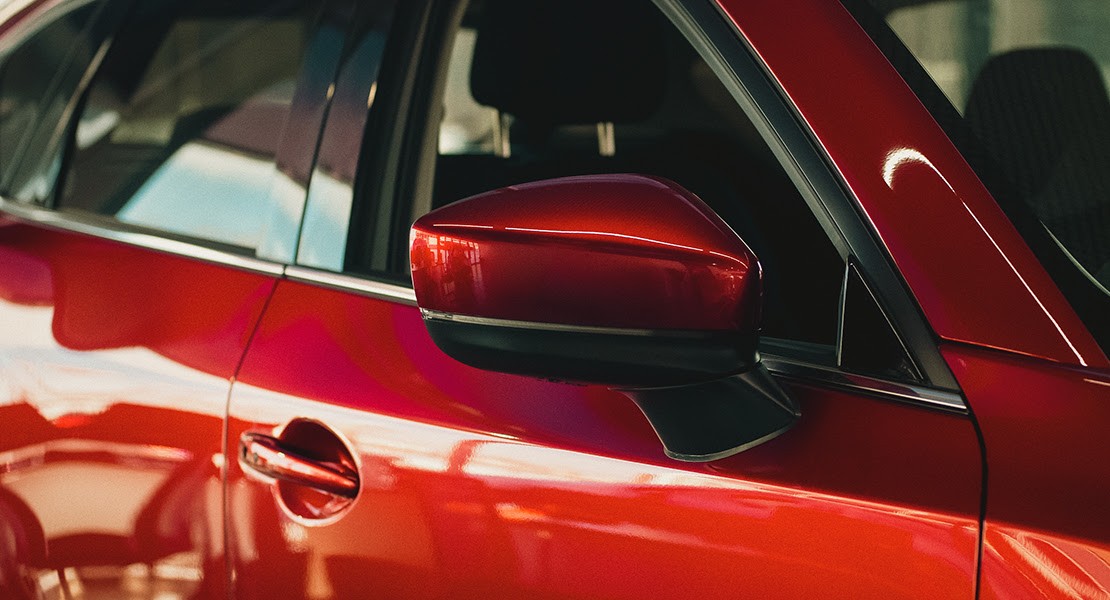
Most manufacturers rate their premium cast vinyl films at 5 to 7 years under normal conditions. The California sun is not what most manufacturers have in mind when they put those numbers on paper. A more honest lifespan for high-wear areas like your hood and roof lands closer to 3 to 5 years with that much UV hitting your car nearly every day of the year - it's worth knowing before you buy.
That top-end lifespan number doesn't apply to every panel equally, and the frustration makes sense when owners find that out. Nine times out of ten, nothing went wrong with the product or the installation when the roof starts to fade or lift a little early. Not every panel on your car gets hit with the same level of heat and UV exposure day after day - the horizontal surfaces just take more punishment than everything else.
Having a sense of where the wear tends to show up first makes a real difference in how the whole ownership experience goes. Knowing that your roof might need attention before your doors do lets you plan ahead, budget for it and catch any problems when they're still minor. That heads-up is one of the better pieces of advice that I can pass along to anyone with questions about how long a vinyl wrap holds up in this state.
Why the California Sun Fades Vinyl Faster
UV rays work on vinyl the same way they work on just about everything else that's left out in the sun for extended periods. Over time, they break down the dyes in the film and cause the colors to fade and lose the depth and richness that they had when the wrap was first installed. The heat that comes with all that sun exposure is also tough on the vinyl - it dries out the film and causes it to contract ever so slightly. That little bit of shrinkage is what's behind the lifting that you'll see at the edges and corners.
Dark colors and matte finishes are usually the first to show wear. Dark films pull in more heat than lighter ones do, and all that extra heat eats away at the material from the inside out at a much faster rate. Matte finishes are a bit more fragile on top of that - their uniform look starts to go patchy and uneven long before a comparable gloss wrap would see the same deterioration.
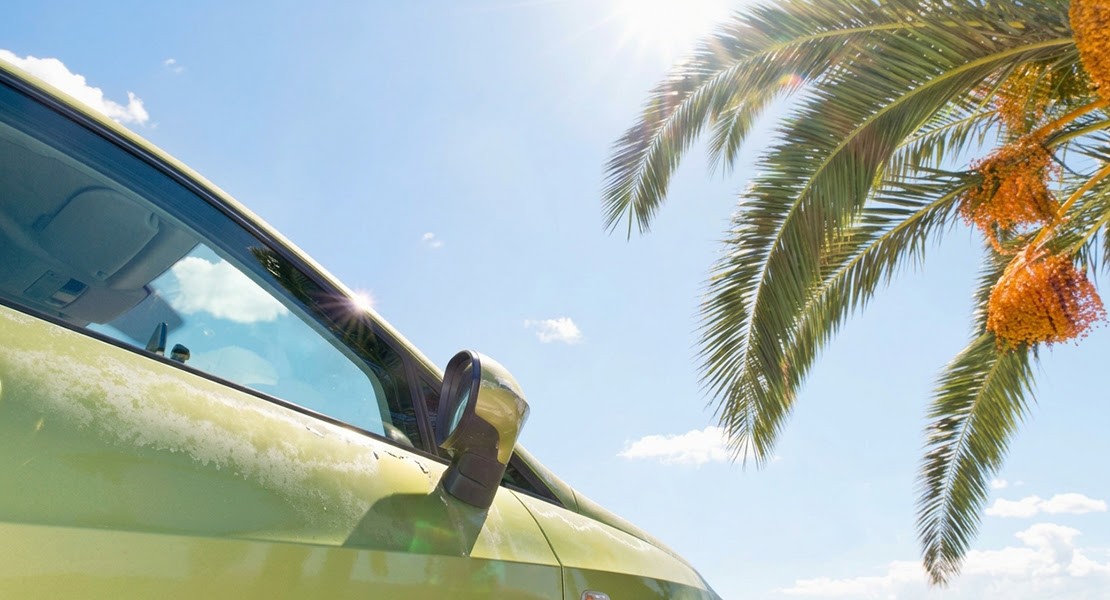
The EPA's UV Index data backs this up too - a large number of California cities fall into the high to very high UV range for much of the year.
This is why it matters quite a bit to choose the right wrap film, color and finish - especially if your vehicle gets plenty of direct sun exposure. The wrong combination can take years off your wrap's lifespan and wear it out well before it should.
Salt Air and Desert Heat Hit Wraps Hard
California doesn't run on a single climate - each one tends to treat a wrap a little differently.
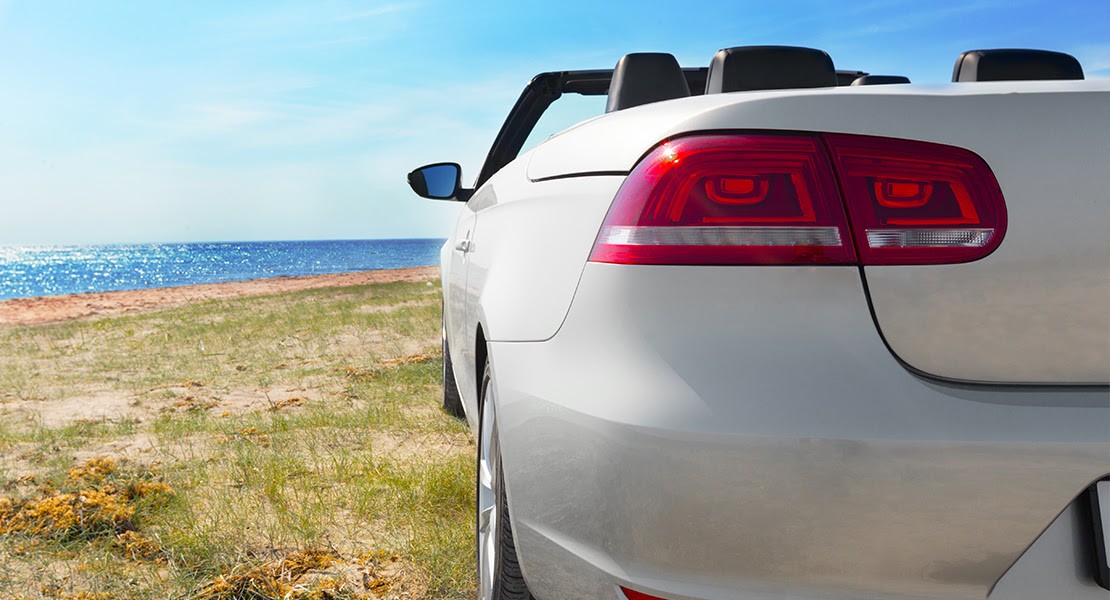
Coastal environments are rough on wraps - salt air and moisture are the two biggest culprits. They'll work their way into the edges over time - door seams and bumpers are usually the first places where you'll see it start to lift. A foggy morning is all it takes to let moisture in - it doesn't have to be a hot day for this to happen.
Inland and desert regions are a whole different challenge for wraps. Places like Palm Springs and the Central Valley get brutally hot - it's the relentless heat that works its way under the film and causes it to bubble. Death Valley has recorded temperatures of 134°F, and that does put California's extremes into a different category altogether. A wrap that's been installed correctly can hold up even under those conditions.
Mountain communities add yet another wrinkle to this. The UV intensity gets stronger the higher up you go - there's less air above you to absorb and filter it out. A car that's kept near Lake Tahoe actually takes on more UV radiation than one at sea level even on days when the temperature feels pretty mild. The World Health Organization puts this at roughly a 10% increase in UV levels for every 1,000 meters of elevation gained.
Where you are in California matters because your wrap will face very different conditions from one region to the next - and those pressures are always going to be there no matter which corner of the state you're in.
Film Type and the Life of Your Wrap
Not all vinyl wraps are created equal, and the film type that you choose has a strong effect on how long it's going to last on your vehicle.
Cast film and calendered film are the two main types to know about. Cast film is the more flexible one of the two, and it conforms well to curves and body lines without tension in the material. That low-tension quality is a big reason that it lasts much longer in direct sunlight - a stiffer film will contract over time and eventually lift at the edges. Calendered film is a bit thicker by comparison and costs less. The downside is that it carries more internal stress and shrinks as it ages, which can become a problem in a place like California where the sun doesn't let up.
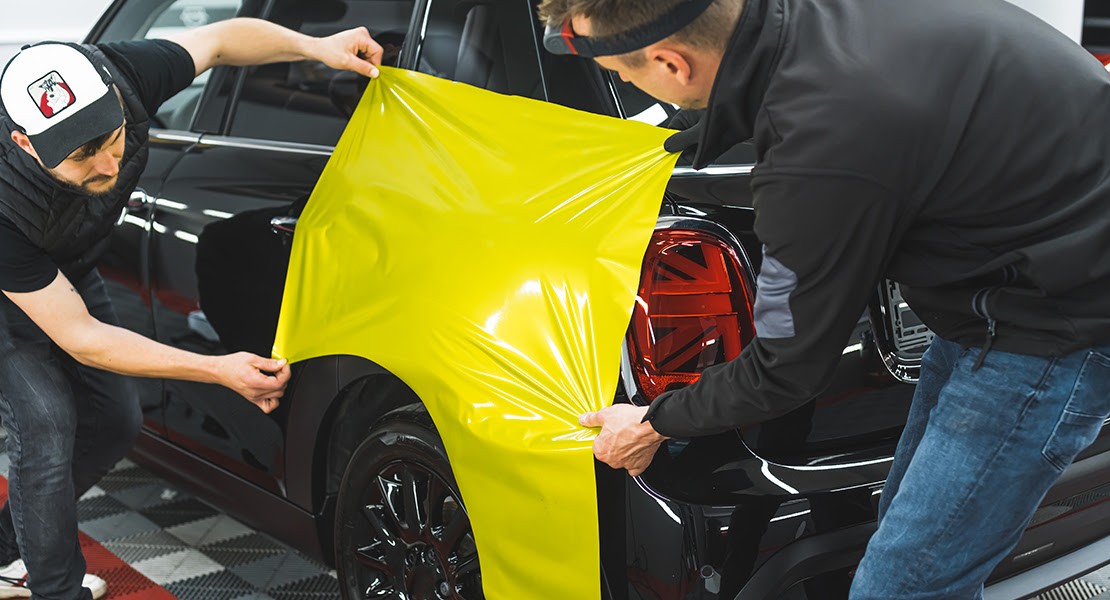
Manufacturer warranties are actually a pretty reliable way to gauge how much confidence a brand has in its own product. Cast films usually carry a warranty somewhere in the 5-to-10-year range, and calendered films are typically warranted for 3 to 5 years. But the fine print is where the details can get a bit tough. Plenty of warranties are built around very particular installation conditions, storage guidelines or surface prep standards - and those specifics are easy to miss if you're not reading the whole warranty.
In my experience, clients who go with a lower-cost film usually come back to the shop well ahead of schedule, and the installation isn't the problem in most cases. The film just wears out sooner than anyone would like.
The Habits That Help Your Wrap Last Longer
Where you park your car has an effect on how long a wrap holds up. The direct sun wears down the adhesive and fades the color over time. That's why a garage or carport is the best option if you have one available. Even something as low-effort as parking in some building shade for a few hours each afternoon can help the film quite a bit.
Of course not everyone has that luxury. A dedicated covered parking spot can be nearly impossible to come by for anyone living in an apartment in Los Angeles or another dense urban area. A car cover is a helpful fix in that situation, and it protects your wrap well from UV exposure and the heat buildup throughout the day.
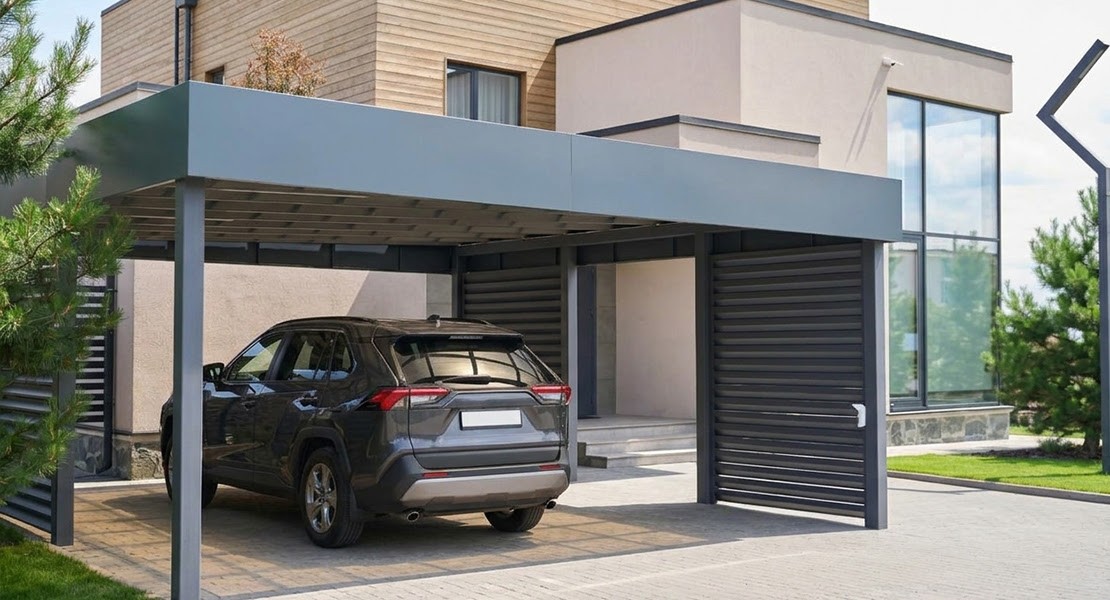
There are a couple of details to know about car covers, though. A dirty cover can scratch the film (especially when dust or debris gets trapped underneath it), so always give it a quick shake before each use. Also make sure to let the car cool down a bit before you put the cover on. A warm car under a cover will trap the heat directly against the film, and that heat buildup can wear down the adhesive over time.
The California sun is no joke, and those hours in the sun add up fast when your car sits outside most of the day, week after week. The cumulative damage to the film is a big deal. A little extra effort to find some shade (or at least put a cover on it most days) can stretch the life of your wrap by months and sometimes quite a bit more.
It's a small habit that doesn't ask much, and the payoff is well worth it.
A Daily UV Protection Routine for Your Wrap
The best way to keep a vinyl wrap in decent shape is to wash it by hand. Automatic car washes with those stiff rotating brushes are rough on the film's surface, and over time the edges of the wrap can start to peel and lift away. A soft wash mitt and a gentle car soap will go a long way to protect the finish and keep it looking the way it should.
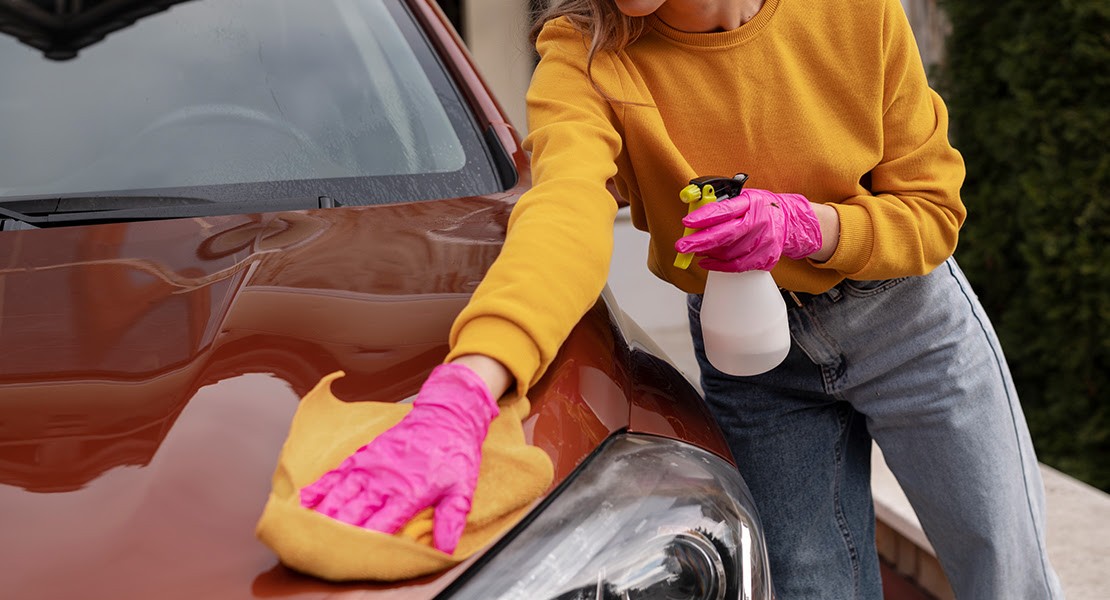
A UV protectant spray is a smart addition to your day-to-day care habits - and it's practically a no-brainer if you're based in California. The sun out here is relentless, and it will fade a vinyl wrap fast. Just check that the product that you grab is specifically labeled as safe for vinyl wraps because plenty of standard protectants are not.
Bird droppings and tree sap are two of the worst substances that you can let sit on your film. The heat bakes them deep into the surface fast, and the longer they stay there, the harder they are to remove without causing damage to the film.
California has water use restrictions in some areas, which means a full hand wash just isn't always possible. Waterless wash products are a workaround for this, and plenty of them actually do quite well on vinyl. Most auto shops carry them, and they're pretty easy to use.
Keep a couple more tips in mind when you wash your car. Pressure washers are fine to use on a wrap - just watch how close you hold the nozzle to the film's edges. Get too close, and the water can force its way underneath the wrap and give you some problems over time. The other big one - keep wax products away from your vehicle altogether if it has a matte finish wrap. Wax leaves a shiny residue on a matte surface, and the damage is permanent once that happens.
Red Flags That Your Wrap Needs Replacing
A wrap that's nearing the end of its life will usually give you some warning signs before the wear gets bad. Color fading tends to show up first and is easy enough to live with for a while. A chalky or brittle texture is a different story - that's the material actually starting to break down beneath the surface. Lifted edges and bubbles that won't stay flat are a signal that the adhesive has already started to let go.
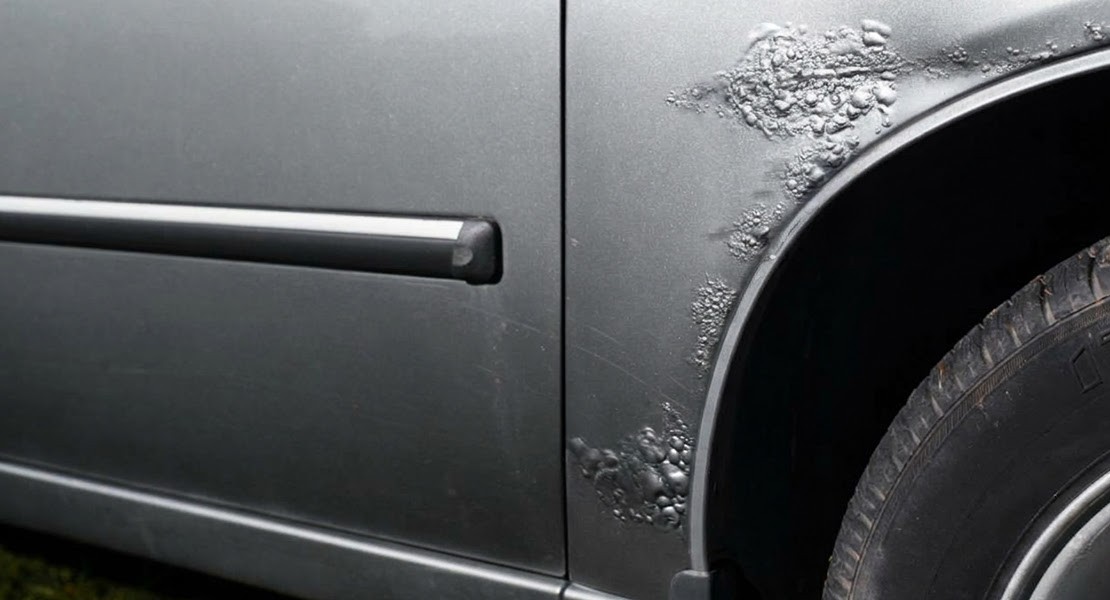
The longer a wrap sits on a vehicle, the harder it's going to be to remove. The adhesive starts to bond more aggressively to the paint underneath after enough time in the heat - and that makes removal a more involved job. The paint is also far more likely to pull up right along with it.
A hand wash is one of the best ways to catch these kinds of problems early on. Running your hand along a panel lets you pick up on texture changes and edges that have started to pull away from the surface - details that are nearly impossible to see from just a few feet away. Plenty of owners discover that something is off during a standard wash well before minor issues have a chance to turn into a headache.
And if you've grown attached to a particular color or finish (and plenty of owners are), a little early attention to wear lets you plan a fresh install on your own schedule instead of rushing into a fix once the damage is already out of hand.
Transform Your View with Professional Tinting
A straight answer on how long a vinyl wrap lasts in California is tough to pin down because a few factors are always in play. The local climate, where the car spends most of its day, the quality of film used and how well the wrap gets maintained - every one of them has a say in what you can reasonably expect from it. No single lifespan estimate fits every driver across the state. But once you understand how each of these factors plays in, the picture gets quite a bit sharper.
A few easy habits will serve you well if you're looking for a place to start this week. Park in the shade or under cover whenever you have the option, hand wash the wrap with a soft mitt and vinyl-safe soap, get bird droppings and tree sap off the surface the moment you see them and add a UV protectant spray to your schedule. A little steady attention like that does a lot for the long-term life of your wrap.
None of this has to feel like a lot to manage - an honest set of expectations paired with a few steady habits will put you well ahead of most vehicle owners who haven't thought much about it. The idea is to get the most out of your wrap for as long as possible and to catch any wear early before it can become a bigger problem.
Our team at OC Tint Shop is a great place to start when your car's exterior protection is a priority for you. We work with Orange County drivers every day on everything from paint protection film to ceramic coatings, and we'd be happy to help you build a plan that actually makes sense for your vehicle.
Contact us to schedule a quick consultation and see what the right protection plan can do for your car.