
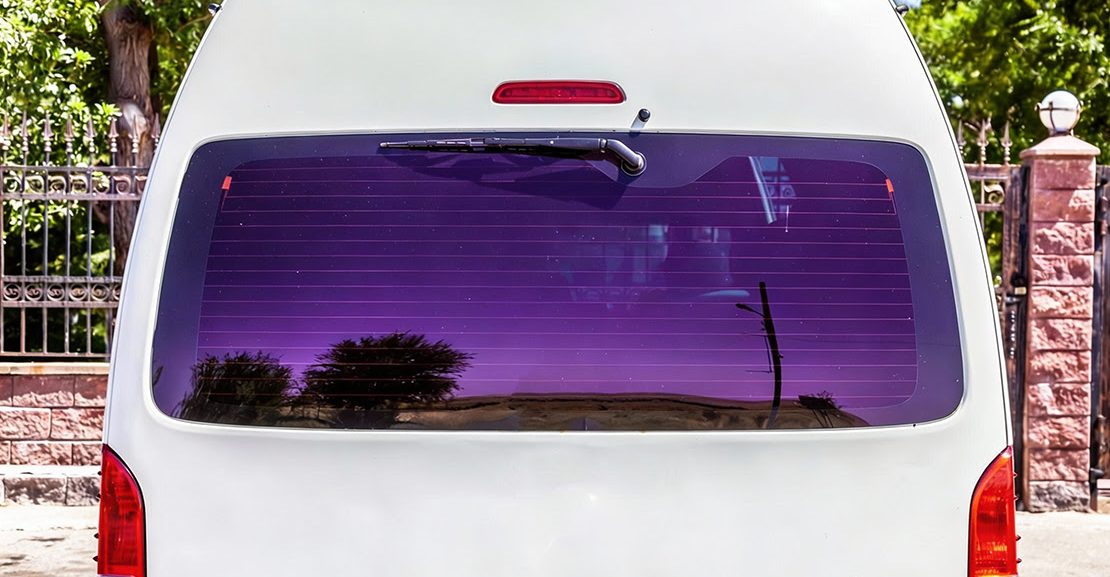
Purple window tint is a frustrating problem that seems to show up out of nowhere. Your windows might look just fine for the first couple of months, and then one day you’ll start to see this weird grape-colored hue across the glass. It happens to thousands of Southern California drivers each year, and most of them just believe that they picked a bad tint shop or maybe got unlucky with the installation.
I wish it were just bad luck. That purple shade shows up when the film material starts to break down from UV exposure. Southern California has some of the most intense sunlight in North America, and cheap tint film just doesn’t hold up well here. A roll of film that might last for years in a place like Portland or Seattle will start to degrade much faster in this climate. The sun beats down for around 280+ days each year, and UV levels reach into the danger zone a lot.
Purple tint is a red flag (or a purple flag) when it comes time to sell your car later. What it tells them is that your vehicle hasn’t been maintained with quality materials. When you remove the old, degraded tint, it’s also a headache because the film tends to crumble apart as you work on it. What you’ll wind up with is adhesive residue all over your windows, and it does not want to come off without a fight. A lot of vehicle owners who choose cheap tint wind up spending money twice – first on the original installation and then again (usually within 2 years) to get a shop to strip it all away and to redo the job with better film.
Here’s why this happens and how you can stay away from it!
Why Your Window Tint Turns Purple
Cheap window tint gets its dark appearance from dyes that are mixed directly into the film material. The way it works is that the dyes absorb sunlight, so your car’s interior stays nice and shaded, and on paper, that sounds like a solid deal. But UV rays hit those dyes day after day, and after a while, they start to break down and fade out.
Each dye formula has a few different color pigments in it that all get mixed together to create that dark or neutral look you see when the tint is brand new. But these pigments won’t all fade at the same rate once the UV light from the sun hits them day after day.
Red pigments usually fade much faster than blue ones in most of the cheaper tint formulas that are available. What ends up happening is that as the red starts to disappear over time, you’re left with way more blue pigment than you originally started with. This imbalance between the two colors is what actually causes that purple tint to develop, and it just gets worse as the months go by.
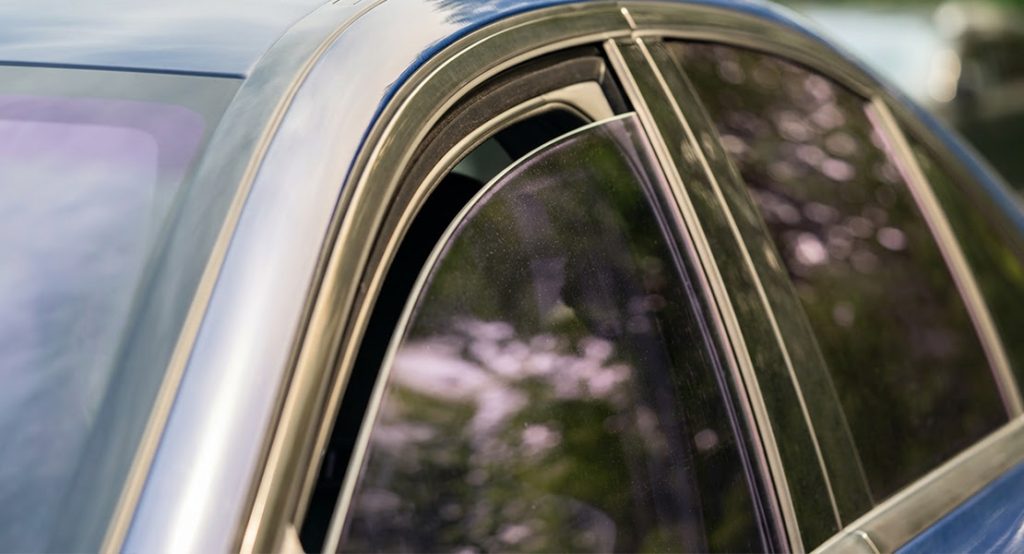
The process starts out pretty gradually. During the first few months (and in some cases, it can take even a full year), there won’t be any obvious color change to speak of. After enough UV exposure, those dye molecules start to break down, and the purple cast becomes impossible to ignore. The tinted film is still stuck to the window, and it’s still blocking light the way that it’s supposed to. But that color change ends up making the whole installation look cheap and outdated.
Higher-end films take a different strategy to stop that color fading and discoloration. Metal or ceramic particles do most of the work to block the UV rays instead of relying only on dyes, and that’s actually the main reason why some window tints hold their factory color for 10+ years, and others fade to purple in just a couple of seasons. Dye-based films cost manufacturers less money to produce, and that’s what makes them so affordable at the register. The tradeoff is that the dyes break down much faster when UV rays are hitting them every day.
Southern California Has the Worst UV
Southern California is brutal on window tint – it’s one of the toughest places for it in the entire country. The UV index around here sits between 8 and 11 for most of the year, and it officially puts the whole region right into the extreme category for sun exposure.
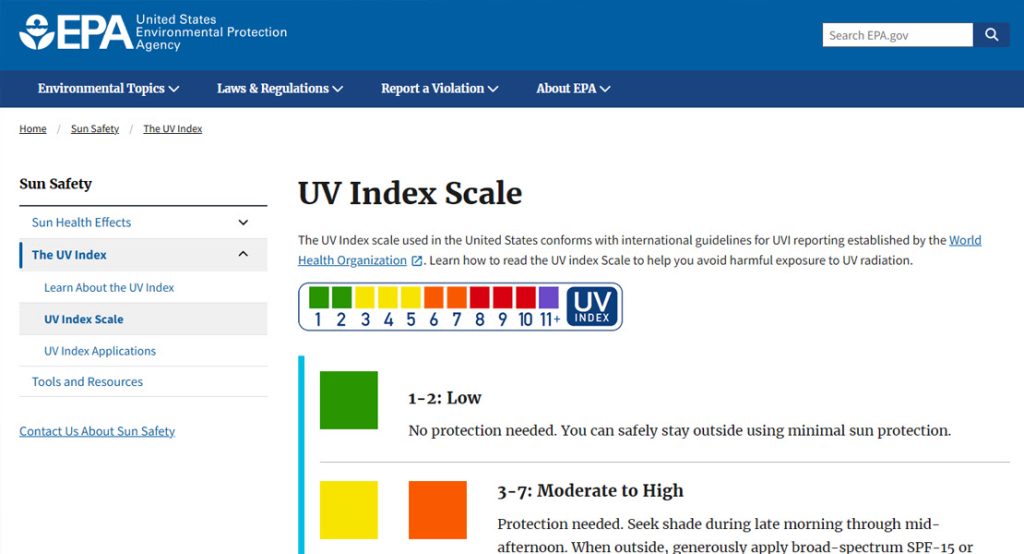
That sunshine doesn’t help either. Southern California gets more than 280 sunny days per year, and with that much exposure, your windows are taking UV damage almost every day, with very little relief in between. Other regions get cloud cover and seasonal weather changes that give window tint at least some recovery time throughout the year.
Southern California gets longer exposure periods – it’s mostly because of the sun’s angle and the region’s southern location. Your windows take in the UV rays for hours on end each day, and all that exposure speeds up the chemical process that breaks your tint down and causes it to fail.
Windows that face south take the most damage from the sun since they’re soaking up the direct sunlight for most of the day. Windows that face west are a very close second – they get hammered by the intense afternoon sun right at the time when the UV radiation hits its peak for the day. When your windows face one of these two directions, the dye in cheaper tint products is going to fade and break down a whole lot faster.
Once these elements combine in one location, the shortened lifespan of window tint in this area makes more sense. That same cheap film that might hold up for a few years in Oregon or Washington can turn purple down here in half the time or less. Southern California has just about everything working against your tint, and it’ll break down at a much faster rate because of it.
Signs That Your Tint is Failing
Cheap tint breaks down way faster. The sun hits it day after day and accelerates the breakdown. For most installations, the first signs of problems show up between 6 months and 2 years after you have it put in. The exact timeline can change quite a bit, though, based on how much direct sunlight your windows are actually exposed to throughout the day.
Window film tends to break down at the edges first, or along the top sections of your windows. UV rays hit these areas the hardest, and they get exposed to this all day long. One of the earliest signs that your film has started to degrade is usually going to be a slight change in color. The film won’t look as neutral as it once did, and it’ll start to take on a faint purplish tone over time.
Once the wear and tear starts, it speeds up from there. The dye molecules will continue to break down faster and faster once that first bit of damage has occurred. A faint tint along the edges that you can barely see at the start can spread across your entire window in just a couple of months.
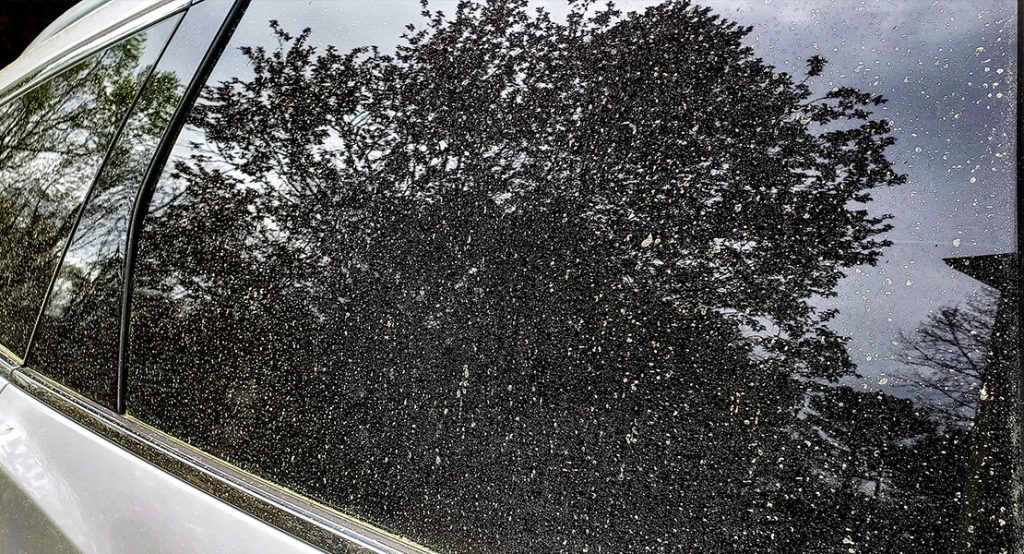
Every few months, it’s worth the time to walk around your car or step back from your building’s windows just to see how the tint holds up from the outside. Purple discoloration shows up from some angles, and it’s easier to spot when the bright afternoon sun hits it directly.
If you’ve already had the tint installed and started seeing any of these early warning signs, just know that the damage will only continue to get worse as time goes on. Once the chemicals start to break down the film, there’s no way to stop it or undo the damage that’s already been done.
Why Cheap Tint Costs You More
Cheap tint doesn’t save you money. The cash you save up front almost never stays in your pocket for long. As the film ages and turns that awful purple color, it also breaks down and falls apart. At that point, you’re going to need professional removal and removal costs alone can run anywhere from $150 to $300 or more for most vehicles. The purple tint gets brittle as it ages, and it always leaves behind a stubborn layer of adhesive residue that takes quite a bit of work to scrape off completely.
Professional removal is usually necessary because DIY attempts tend to end with scratched glass or other damage to the windows. Damage the glass enough, and a full window replacement could be needed – a much bigger expense than anyone wants to deal with. Once the old tint is finally removed, the cost of new film and installation still has to be covered all over again.
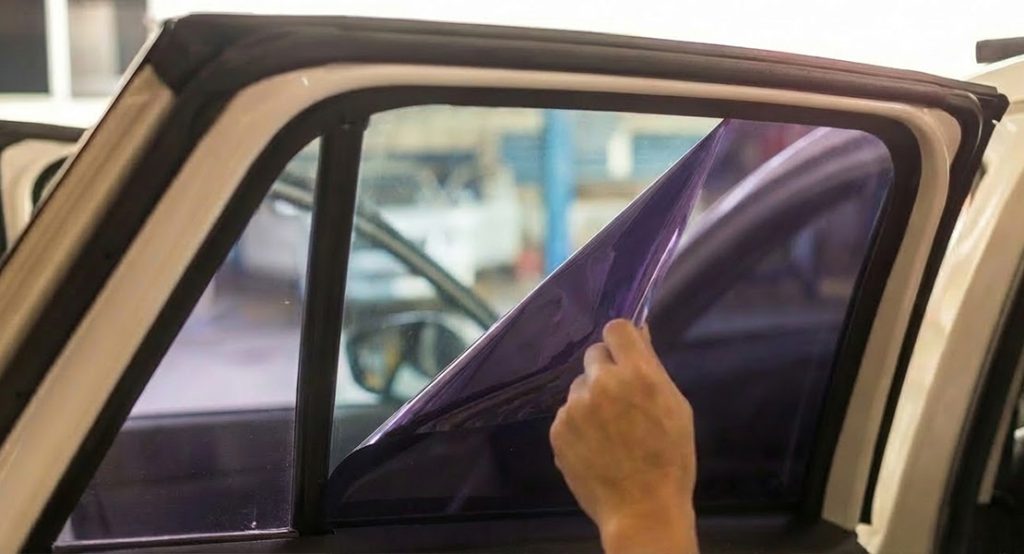
The total cost adds up very quickly. First, there’s the price of that first cheap tint job, then the fee to remove it and finally the cost to replace it with better film, which means that the final bill can run two or three times what the quality tint would have cost from the start.
Another cost is much harder to put a number on. But it matters just as much. You’ll drive around with purple windows day after day, and it’s very embarrassing. Your car ends up looking neglected and way older than it should. Every time you pull into a parking lot or sit at a stoplight, those purple windows just tell everyone around you that you went with the absolute cheapest option available.
Friends and coworkers are going to see it eventually. Some of them might actually ask you what happened to your tint. Others probably won’t say anything at all – they’ll just ask themselves why you haven’t gotten around to it yet. The purple color keeps getting more obvious as the months go by, and the awkwardness of the whole situation just grows right along with it.
Tints That Will Never Turn Purple
Ceramic tints are going to be your best option if you get plenty of direct sun exposure every day. What makes them different from traditional window tints is that they don’t use any dyes at all. Ceramic films use small ceramic particles embedded throughout the material, and these particles are what block the heat and UV rays. One of the biggest benefits is that you won’t ever have to worry about that annoying purple fade that shows up on dyed films after a few years. There’s no dye in the formula, so there’s nothing in there that can break down or degrade as time goes on.
Carbon films sit right in the middle for price and performance. The main difference is in how they’re built – carbon films use multiple layers of carbon material instead of dyes and are a lot more stable over time. You also avoid the purple fade that cheaper dyed options develop.
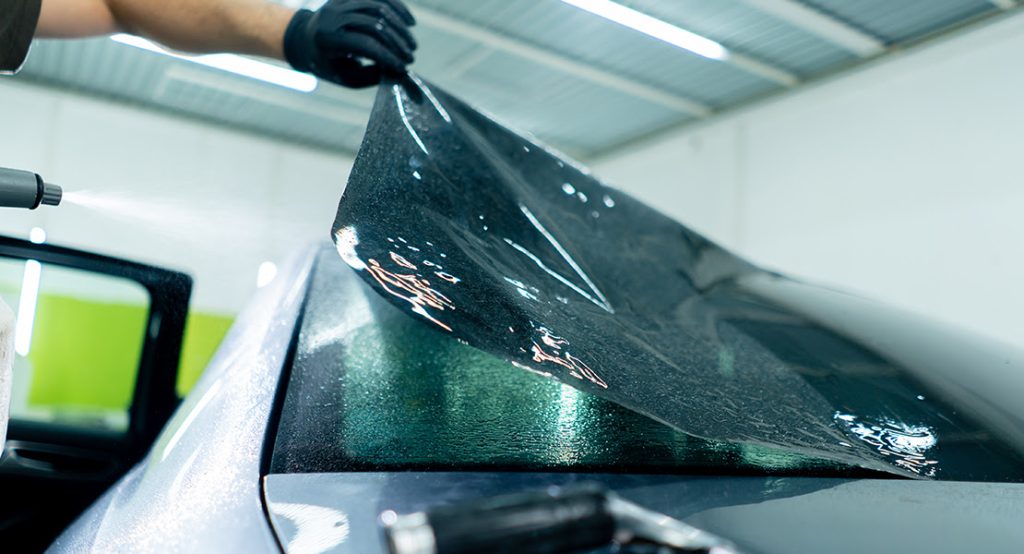
Ceramic tints are going to cost you about 2 to 3 times more than dye-based films. Carbon films fall somewhere in the middle between those two price points. The extra money actually gets you something, though – ceramic materials can resist UV damage instead of just absorbing it over time until they eventually break down and fail.
Cheap tint looks like a great deal when you’re at the register. After 1 or 2 years of sun exposure, it turns purple on you. At that point, you have to pay a shop to remove that degraded film and install new tint from scratch. Ceramic and carbon films last much longer because they block UV rays without breaking down in the process.
Pick the Best Tint for You
After you pick out the perfect tint for your car, the next step should be to make sure that it lasts as long as you own the vehicle. You want to have a thorough talk with the shop about their warranty policy before you sign anything or hand over your money – this part matters! Any reliable installer is going to give you at least 10 years of coverage against fading and discoloration, and the warranty that they’re willing to stand behind tells you everything that you’ll have to know about how confident they are in the quality of their work.
Another question to ask is the exact materials and products they plan to use on your car. A quality installer should be able to give you brand names and film types without any hesitation. If the answers are vague or unclear, that’s a warning sign. Shops that carry quality films and products are generally pretty proud of what they use, and they’ll gladly go into as much detail as you want to hear.
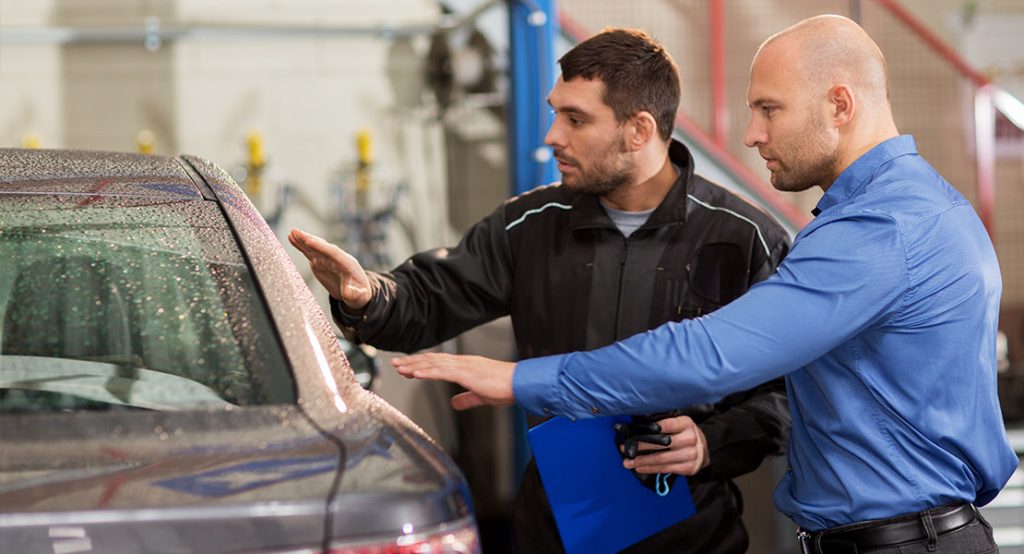
Price is typically a solid indicator of quality when you shop for window tinting. If a shop quotes you less than $200 to tint your entire vehicle, something is off with that number. Quality film and the skill that it takes to install it right cost money, and suspiciously low prices typically mean that the shop cuts corners somewhere.
Once you’ve had your tint installed, you can take a few easy steps to make it last much longer. Parking in a covered space is one of the best ways to protect your investment. This matters most during the middle of the day (from roughly 10 AM to 4 PM) when UV rays here in Southern California are at their peak intensity. Quality films are built to take a beating. But even the best ones will eventually fade and deteriorate if they always sit in direct sunlight day after day.
Just before they start the installation, you want to ask if they have sample pieces of the film on hand that you can look at. Most quality shops will have these around for customers to check out and feel. Hold one toward the light and take a close look at it – that’s how you can make sure that the material actually matches what they promised you during your consultation.
Transform Your View with Professional Tinting
Purple tint doesn’t have to be part of your Southern California experience. The sun here is relentless and never takes a break, and it means that the materials that protect your car have to deal with that punishment day in and day out. At this point, though, you understand what to look for and what to stay away from, and with this information, you’re in full control of a choice that will affect how your car looks for years to come.
Quality window tinting costs more up front, and there’s no way around that initial investment. The higher price gets you performance and durability that cheap tint just can’t deliver. With quality film, you won’t have to pay a shop to remove and replace failed tint in just a few years – and the cost and the headache of that are real. Your car will continue to look clean and well-maintained instead of dated and neglected. The film also delivers protection against UV damage that cracks dashboards and fades upholstery over time. Over the years that you own the vehicle, quality tint actually saves money as it gives you better performance and something you feel proud of every time you see it.
When you’re ready to protect your car with window tint that’s actually going to last and still look great years later, OC Tint Shop is here so you can. We’ve worked with thousands of customers all across Orange County, from Newport Beach to Anaheim, and we only use premium film that can take care of the intense UV exposure we get here in Southern California. Maybe you want to cut down on the heat and add some extra privacy or just keep your interior from fading out – whatever your goal is, our technicians will get it installed right so it looks clean and works just like it should. We’re ready, so you can get started.