
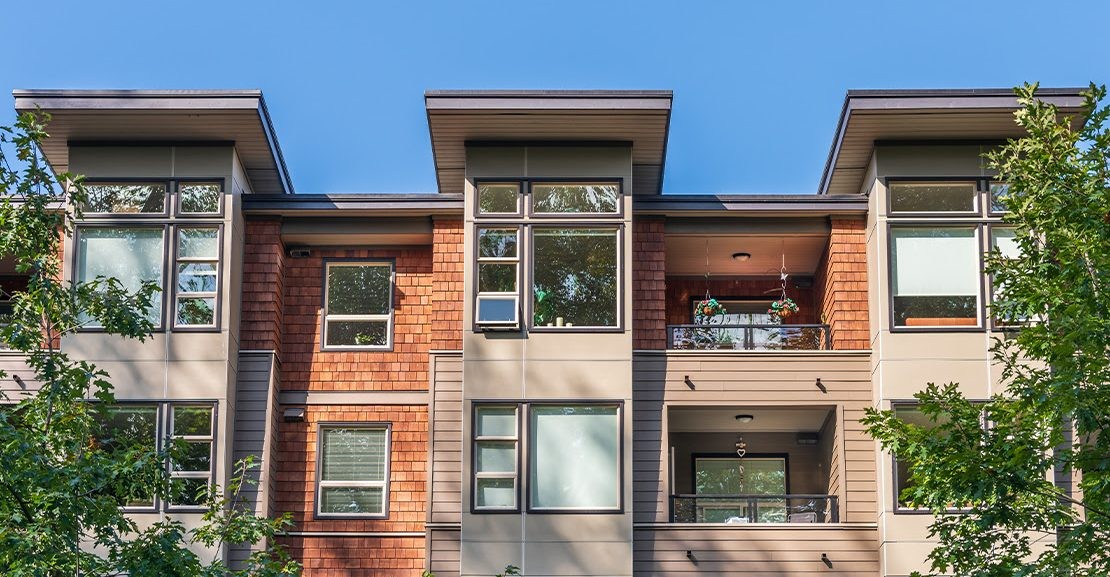
West-side windows in an Irvine condo are practically a guarantee that your living room will get brutally hot every afternoon. Window tint is one of the better options for that - it cuts the heat down noticeably, it lowers your energy bills, and it gives you a decent level of privacy at the same time. The part that slows most condo owners down is that any window modification like this needs to go through the HOA first, and the whole approval process is what stops owners from even looking into it.
The concern makes total sense. Irvine condo associations have very tight control over anything related to a building's exterior appearance, and windows are obviously part of that. Go in with the wrong film type, miss a needed form or move forward with the installation without written approval in hand - and the fallout can run far more than the project itself. Removal fees alone can climb well into the thousands - and that's before any fines get added to the bill.
California law actually gives condo owners some real rights around energy-efficient home improvements, and window tint is a great example of that. HOAs will often approve it without much pushback - as long as the owner follows the right steps and submits the right paperwork first. The part that trips owners up is that they don't know what those steps are before they get started, because that process can change quite a bit from one association to the next.
Done right, this whole process protects your investment and keeps your relationship with the board on solid footing. A well-documented request with the right film specs will go a long way toward a "yes" on the first try. Most HOA pushback on window tint is about how the request was handled. Get that part right, and the rest of it tends to work itself out.
That's what Irvine condo owners need to know about window tint laws!
Why Window Tint Matters to the HOA
Board members are very protective of a building's exterior appearance. Even a single window that looks a bit darker or more reflective than the ones around it is enough to draw neighbor complaints. A building's facade is fragile - it doesn't take much to disrupt the whole look.
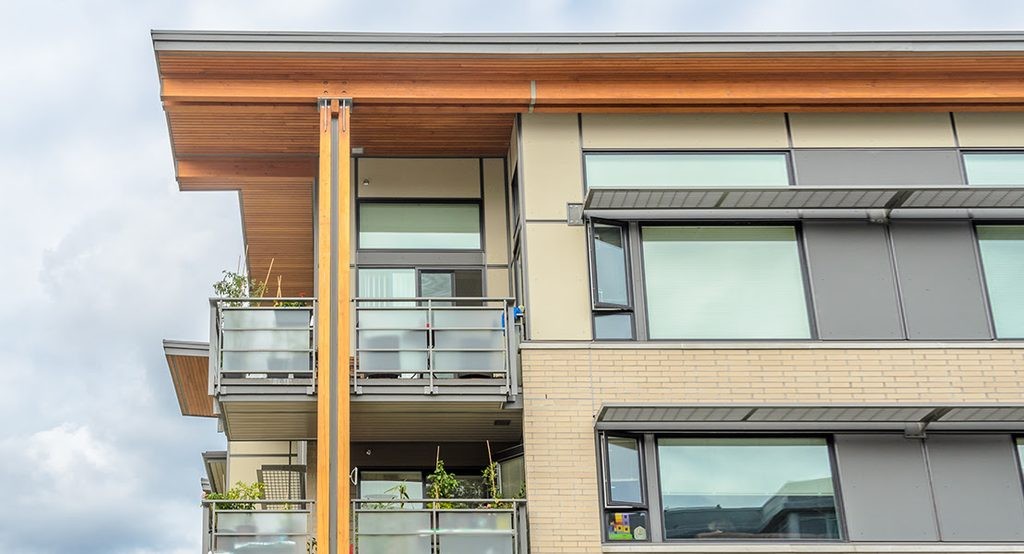
Residents assume their windows are their own - that they can do whatever they want with them. From inside the unit, that makes total sense - it's your view, your light, your space. From the outside, that same window is part of the building's shared exterior. That changes the picture. Most HOAs will treat the glass (and in some cases even the frame) as part of the communal structure instead of private property. A small interior decorating choice can have an effect on how the entire building looks from the street.
That's largely why HOAs take an interest in window tint at all. It's not about micromanaging what residents do inside their own homes - the goal is to protect a shared investment. In a condo community, property values are tied pretty directly to how the building presents itself to the outside world, which means every window on every floor has a part to play in the bigger picture. A well-maintained exterior says quite a bit about the quality of the building. All it takes is one rogue window (or a few of them) to slowly pull that image down.
Get the Written HOA Approval First
Before you order any film or book an installer, the written approval from your HOA needs to come first. Most Irvine condo associations manage requests like this through what's called an Architectural Review Committee (the ARC). This committee is in charge of any changes to how the exterior of your unit looks, and window tint usually falls under their review.
The submission process is very manageable. A standard request should just have a completed form and a few basic product specs attached - the committee wants to know what you're planning to install before they give the green light. Most of what they ask for is pretty easy to pull together, and nothing on the list should hold you up for long.
It does add a little extra time to the process.

Before you put together your submission, it's worth reaching out directly to your HOA board with a few quick questions. Find out what they actually want to see in a request and ask them whether any products or styles have been rejected before. That inside information can save you from a full resubmission - or worse, having to rip out work that was never approved. Most board members are pretty willing to point you in the right direction if you just ask, and in my experience, that one conversation alone can make the whole process quite a bit smoother.
How Dark and Reflective Your Tint Can Be
One of the first numbers that you'll run into when you shop for window tint is VLT - short for Visible Light Transmission. At its core, it's just a measure of how much light actually passes through the film. A higher percentage means more light gets in, and a lower percentage means a darker window. All it amounts to is three letters and one easy concept, and you're already ahead of those who walk into a tint shop for the first time.
That's where quite a few condo owners land in hot water. A film that looks fine on the shelf at the store can turn out to be off-limits once your HOA gets involved. Most HOAs in Irvine set a minimum VLT that limits how dark your tint is allowed to be. A 35% VLT minimum, say, means your film has to let in at least 35% of the light coming from outside. Take a few minutes to look up some sample VLT percentages online before you sit down with an installer, so you'll already have a sense of what those numbers mean when the conversation starts.

Reflectivity is the other half of this equation. HOAs outright ban mirrored or very reflective films - and it makes sense. A film that bounces direct sunlight back out toward the unit across the courtyard creates glare for your neighbors all day long. Even if you love the look of a metallic finish, your association might not allow it at all. In my experience, most homeowners get so focused on darkness levels that they don't even think about reflectivity until it's too late.
Before you buy anything, pull up your HOA's regulations and double-check those numbers. A couple of minutes of research up front will save you from the headache of a rejected installation and a wasted trip to the store.
Where California Law Ends and the HOA Begins
California Civil Code sections 714 and 714.1 deal specifically with solar energy systems, so it's worth confirming the exact statute that applies before relying on them for window film, as they do not directly govern tint. What these sections do is stop an HOA from outright banning window films that are built to lower heat or cut down on energy use. It gives you a decent amount of legal standing if you want to put solar or heat-rejection tint on your windows.
That said, it doesn't give you unlimited freedom.

The right expectations will save you plenty of grief here. The Civil Code does you a favor with these energy-saving window films - but it doesn't mean you can install whatever product you want and then use the law to justify it. Your HOA still has a say in the exterior appearance of your unit, and courts have mostly been supportive of that oversight when it's applied reasonably. So even if your film is technically compliant with the Civil Code, your HOA can still push back on the color, reflectivity or look of it.
Before you buy any film or bring in an installer, it's worth understanding both sides of this - what the law actually protects and what your HOA is still well within its rights to control. A mistake at this stage is what leads to disputes, removal costs and a fair amount of wasted money.
Your HOA Documents Have the Last Word
Even once you've figured out what California law will and won't allow for your windows, that's only part of the picture. Irvine doesn't have one universal tint policy that applies to all condo residents - every community operates under its own governing documents, and the rules can vary quite a bit from one neighborhood to the next.
What's allowed in Woodbury might not be permitted in Northpark or Quail Hill. Those neighborhoods each have their own homeowners association with their own set of rules - rules that decide what you can and can't do with your windows. The state-level standards give you a starting point. But your HOA documents are what actually govern your situation.

The place to start is with your CC&Rs - Covenants, Conditions and Restrictions. These usually come packaged with the architectural standards that your HOA has published, and together they're the authority on what's allowed in your community. Not a flyer from your move-in day - not your welcome packet and not the advice that you picked up from a neighbor down the hall. It's worth tracking those documents down before you touch anything. If you don't have a copy on hand, your HOA management company can usually get you one, and some associations post them through an online owner portal.
Remember that a neighbor's unit could have a different window orientation, a different floor level or a different approval history - and none of that will protect you if your HOA decides to push back on your installation. Always go right to the source.
The Real Cost of Skipping HOA Approval
Window tint that's installed without your HOA's approval first is a gamble that almost never pays off. In most cases, the outcome is a formal written letter from the board telling you to take it all down at your own expense. At that point, you've already paid for the installation, and now you're also stuck with the removal costs - two separate bills for a single set of windows.
It can go further, too. Plenty of HOAs have enforcement policies that add more fines for as long as the unapproved tint stays on your windows - and some of them are pretty aggressive about it.

Condo windows face outward for the whole building to see, and an unapproved tint usually gets spotted. A complaint from a neighbor or a flag from the board can come together fast, and once that friction starts between you and property management, it almost never just goes away on its own. In my experience, disputes like this drag on much longer than anyone anticipated.
The process exists to save you from the costs and issues that were avoidable from the start. A quick approval request or installation appointment is the better call.
Get Your Window Tint Approved the Right Way
Window tint approval at your Irvine condo doesn't have to mean months of back-and-forth with your HOA.
A place to start is with your HOA's governing documents - find the exact language around window treatments and film. With those rules in front of you, it's much easier to narrow your options down to films that are actually allowed. Don't wait on this - address it before the warmer months hit, and your unit gets uncomfortably warm by mid-afternoon.
Before any formal paperwork gets filed, it's worth a call to the Architectural Review Committee. A short conversation can resolve most of the gray areas that written documents like to leave wide open - details like tint reflectivity levels or the exterior appearance standards that were never spelled out in plain language.

Once you've settled on a film and feel confident that it meets all of the HOA's standards, put your request in writing and get it submitted as early as you can. A verbal approval is worth nothing if it ever gets disputed - written records are what matter at this stage. Hold onto copies of every document that you send and save every response that you get back.
Most condo owners in this situation just want a more comfortable place to come home to - it's fair to want that. A little preparation can make the whole process much smoother.
Transform Your View with Professional Tinting
Window tint is one of the best upgrades a condo owner can make - with cooler rooms, more privacy, lower energy bills and just an all-around more comfortable place to live. Break the whole process down into a few easy steps, and it's pretty simple from start to finish.
The homeowners who run into hot water are usually the ones who skipped the paperwork and figured the HOA wouldn't care or wouldn't find out. The ones who actually get to enjoy their tinted windows are the ones who took a little extra time ahead - they read through their CC&Rs, asked a few questions and got written approval before ever booking an installation. A few extra steps at the start do help, and the whole process only takes a short time before the installer even arrives.
Plenty of homeowners don't always think about how much smoother the whole process gets once they have the written approval in hand - it protects your investment and your HOA standing and makes sure no one asks you to tear anything out after the job is done.
When you're ready to move forward, we'd love to be part of it. We've worked with plenty of homeowners all across Orange County, and we know this process well. We cover everything from the right film for your HOA's appearance standards to a final installation that looks clean and polished on every window.
A free consultation with us is a great way to see which product makes the most sense for your home - just get in touch, and we can talk through everything.