
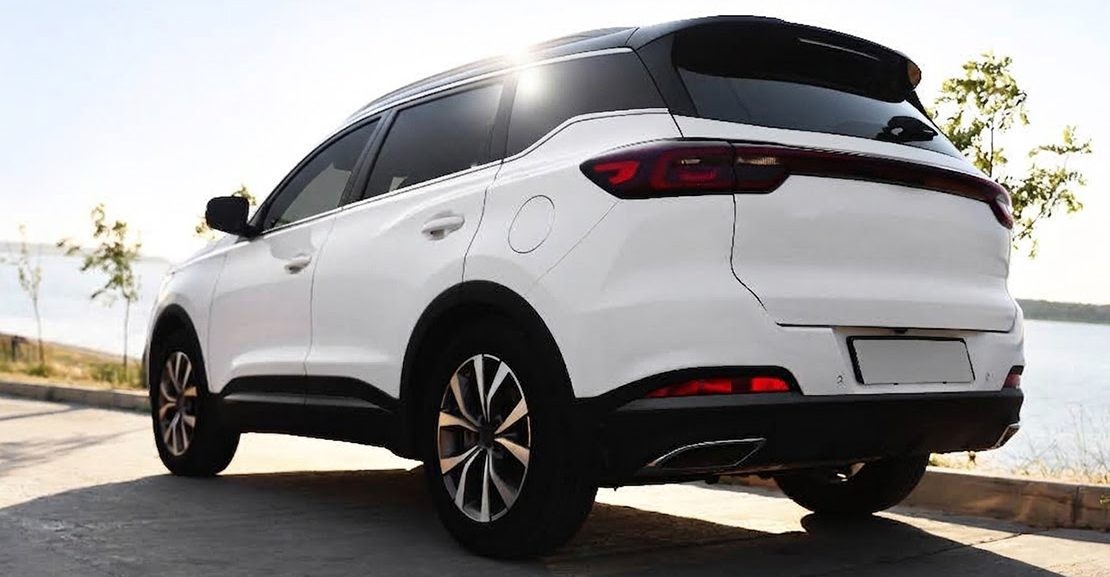
Southern California is probably one of the harshest places in the country to own a car. For anyone who just paid for a window tint installation, how long that film actually holds up does matter. The last thing any driver wants is to watch purple haze creep in (or the edges start to lift) on a film that cost a few hundred dollars to have put on.
Nothing is more frustrating than a fresh tint job that bubbles up and discolors after just a couple of years. At that point, most drivers write it off and figure that all window film is more or less the same quality. It's not. A tint's lifespan can swing wildly based on a few different factors - the type of film, how well it was installed and how much direct sun that particular car gets day to day.
A cheap tint can start to break down in as little as two or three years - it fades, peels and bubbles under the SoCal sun. But a well-made film that's installed correctly can last 15 years or more in those exact same conditions. The gap in lifespan between a cheap film and a quality one is pretty massive.
It's helpful to know what actually separates those two results before you spend money at the shop. In my experience, the film itself is where most drivers either get it right or find themselves back at the shop a few years later.
Let's find out how long your window tint will last out here!
Factors That Affect How Long Tint Lasts
How long your window tint lasts can depend on a handful of different factors, and we should cover what those are before we get into any exact numbers.
Film quality is one of the biggest factors here. A professionally installed, higher-grade film is built to hold up through years of intense UV exposure. A cheaper option tends to break down much faster under the Southern California sun - even if it looks fine when it first goes on.
The film itself is only one part of this - installation quality matters just as much. A great product applied poorly will still fail early, and issues like air bubbles, weak edge seals or an uneven application give the sun far more opportunities to cause damage over time.
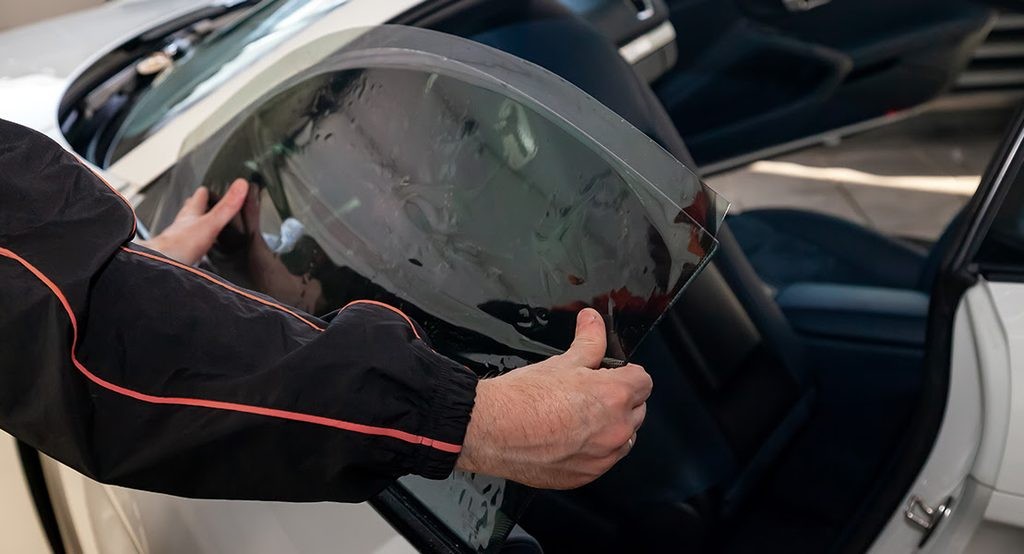
Where your car is parked matters just as much. A garage or covered spot is much easier on your tint than an open driveway where the sun hits it for most of the day. Eight or more hours of direct sunlight every day means heat and UV exposure, and the tint in those conditions will age much faster. A few months of that doesn't look like much. But stretched over a couple of years, it starts to add up.
Your commute plays a big part in this. A long drive on a sun-drenched freeway puts far more stress on your tint over time than a quick neighborhood trip ever would, and after a few years, that difference can become significant.
Southern California is one of the toughest environments for window tint in the country, and the reason is easy to see - the sun here just doesn't let up. Most parts of the country at least give the film a seasonal break from peak UV intensity. That break almost never comes in SoCal. The film is at work every day of the year. That relentless exposure is a big part of why tint tends to wear out faster here than almost anywhere else.
How Long Each Film Type Will Last
Budget dyed films are usually the most affordable option up front, and for buyers, that lower price point is the first number they look at. The actual problem (at least in a place like Southern California) is that these films wear out within 2 to 5 years. The dyes fade pretty fast under heavy UV exposure, and you'll start to see bubbling and discoloration much sooner than you would in a cooler or cloudier part of the country.
Mid-grade films (which cover most of the metalized and hybrid options on the market) hold up considerably better than their dyed counterparts. Most of them last somewhere in the 5 to 10-year range, and they use more stable materials that are able to manage heat and UV exposure without breaking down nearly as fast. For a moderate bump in price, it's a pretty great improvement in how long they last.
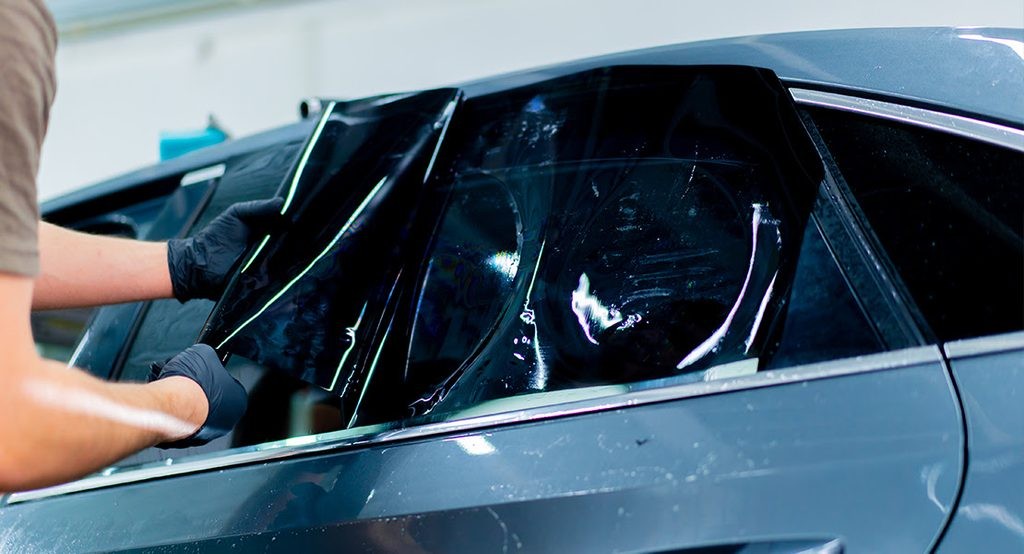
At the top end, premium ceramic and carbon films are in a different category when you look at how long they hold up. A lifespan of 10 years or more is pretty standard at this level, and manufacturers will even back them with a lifetime warranty - which says quite a bit about how confident they are in what they're putting out.
The math is where buyers go wrong. A cheaper film will be a lower number on the invoice. That part makes sense. What doesn't get factored in as much is the bill that comes when the tint starts failing and needs to be redone every few years. Those replacement costs add up pretty fast. In my experience, a quick cost-per-year overview usually points toward the film that lasts longer. The lowest price on the shelf isn't always the cheapest choice over time.
The SoCal Sun Fades Your Tint Faster
The UV index in places like the Inland Empire and the San Fernando Valley reaches levels that most of the country just never has to work with. Riverside, Ontario and Chatsworth are all in a solar intensity category of their own. That relentless year-round exposure does actual damage to window tint film over time.
A car parked in the Pacific Northwest and a car parked in a Riverside parking lot in July are in two very different situations. The heat and UV exposure in inland Southern California can wear the film down faster than almost anywhere else in the country. A film with a ten-year lifespan rating in a milder climate might start to bubble or discolor noticeably sooner out here - it's not a product failure; that's just what this climate does to film over time.
That's why film quality matters more out here than it does almost anywhere else in the country. Lower-grade films are designed with average conditions in mind, and Southern California is anything but average.
The UV index data for cities across the region is worth a look before you settle on anything. Riverside and the surrounding areas come in as some of the highest in the entire country, and those numbers give you a pretty good sense of what window film has to face day after day out here. That context (before a single strip ever goes on your window) can help set the right expectations and point you toward the right product for what this climate actually puts the film through.
Why Some Windows Fade Before the Rest
Not every window on your car wears down at the same rate. The driver-side windows and the rear window usually go first - mostly because those two get the most direct sunlight throughout the day. That steady exposure takes a toll over time.
The morning commute is a great example of this. For anyone who drives south in the morning and north on the way home, the driver-side window is pointed almost directly at the sun for a chunk of every trip. That steady exposure adds up fast - we're talking months and years of UV rays that hit the same patch of glass, day after day, until something goes wrong.
The sun's angle plays a big role. The low morning and late afternoon light hits your side windows at a more direct angle than it ever does on your windshield - it's why bubbling or a purple tint tends to appear on your side windows long before your front glass ever has a problem.
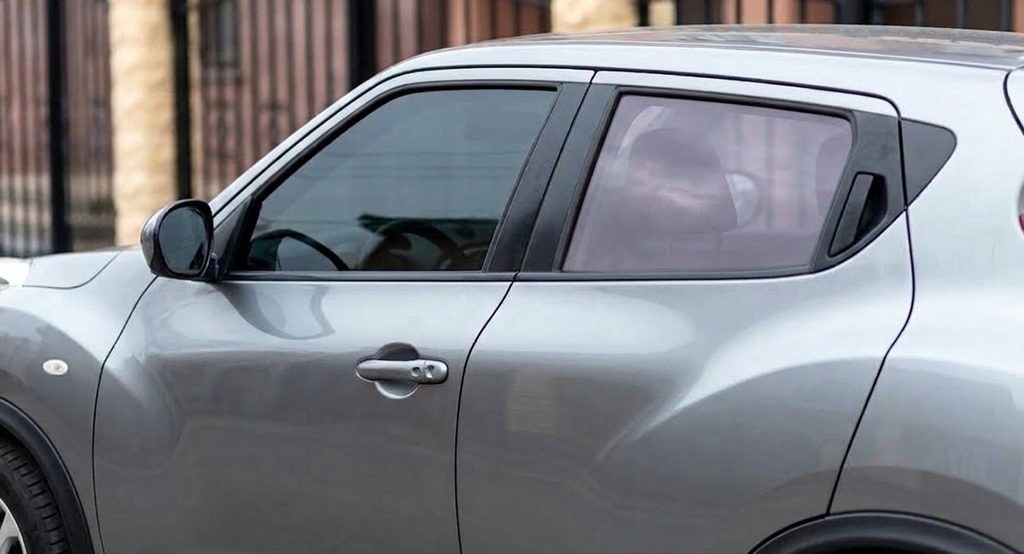
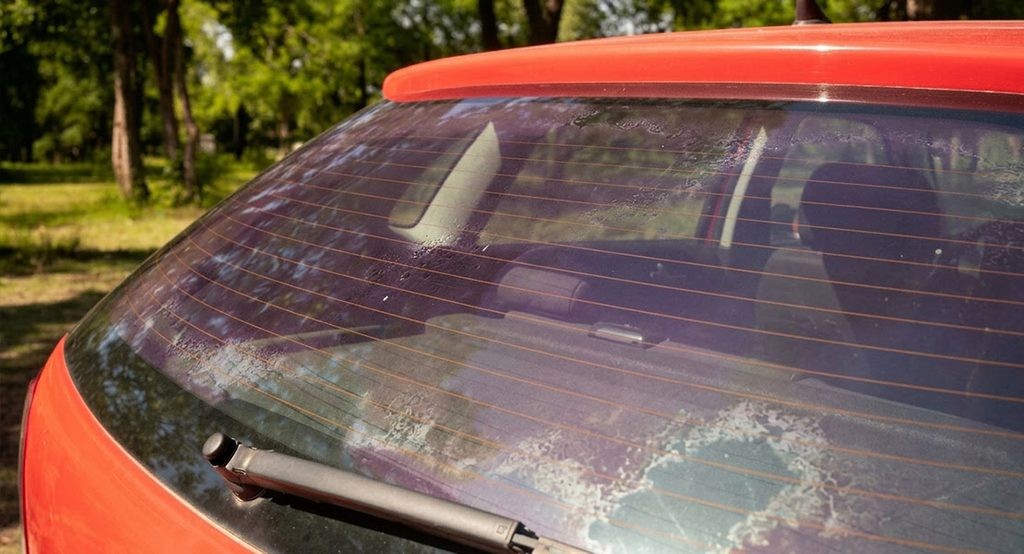
The rear window is another area to watch. The direction your car faces as it's parked can affect how much afternoon sun hits it - and with steady exposure that starts to add up. The defroster lines also put small stress points into the film over time, and those weak areas make the film peel a little earlier back there than it would anywhere else.
Every few months, it's worth a few minutes to walk around and get a close look at your windows. Trace along the edges where the tint meets the glass and hold each window up to direct light to check for any discoloration. Early warning signs (like slight bubbling or a faint purple hue at the edges) can slip by pretty easily on a casual walk-by, though they're pretty hard to ignore once they get started.
A little early attention here can pay off in how long a quality tint job actually holds up.
Ceramic Tint That Holds Up in the Heat
Ceramic film has built a strong following in Southern California, and there's a reason for that - it blocks nearly 99% of UV rays and holds its color and structure well even after years of relentless heat.
Dyed film is a useful reference point here - it absorbs heat instead of blocking it, which isn't a problem in a cooler climate. But in a region with this much sun year-round, that starts to matter. The dye degrades with prolonged exposure, and eventually the tint either fades out or turns that telltale purple color, with bubbles not far behind. At that point, the film has to come off and get replaced - an extra cost and an extra headache that no one planned for when they first had it installed.
The starting cost of ceramic film is higher - no way around that. A quality ceramic installation does cost more than the budget alternatives on the shelf. Most drivers find that a single ceramic installation will usually outlast two or three rounds of cheaper film. Factor in the labor and cost to peel off a failing tint and redo it from scratch, and that original price gap gets a whole lot smaller.
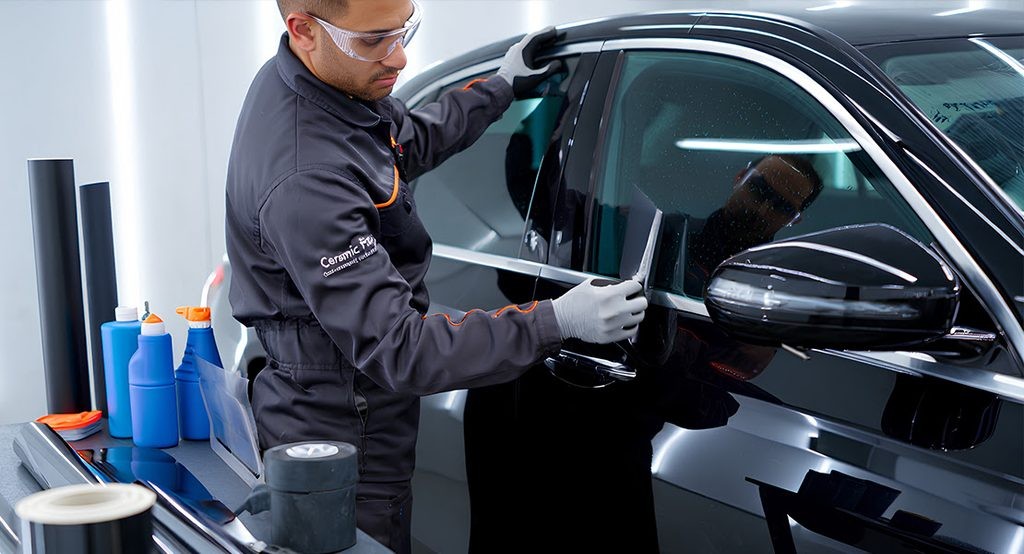
One benefit of ceramic film that doesn't come up as much in these conversations - it won't affect your phone signal, GPS or radio reception the way metallic films sometimes can. For anyone who spends a fair amount of time behind the wheel each day, this is deeply relevant to daily life.
Most Southern California drivers don't actually go with ceramic film first - they land on it after a cheaper tint fades or fails within a few years. It's usually not the first pick when they walk in. Once the lower-grade material starts to break down from sun exposure, ceramic can become the last pick they'll ever need.
California Tint Laws and How They Work
Front-side windows in California have to meet a minimum of 70% VLT (that's visible light transmission), which means your window film needs to let at least 70% of the available light through to stay street-legal.
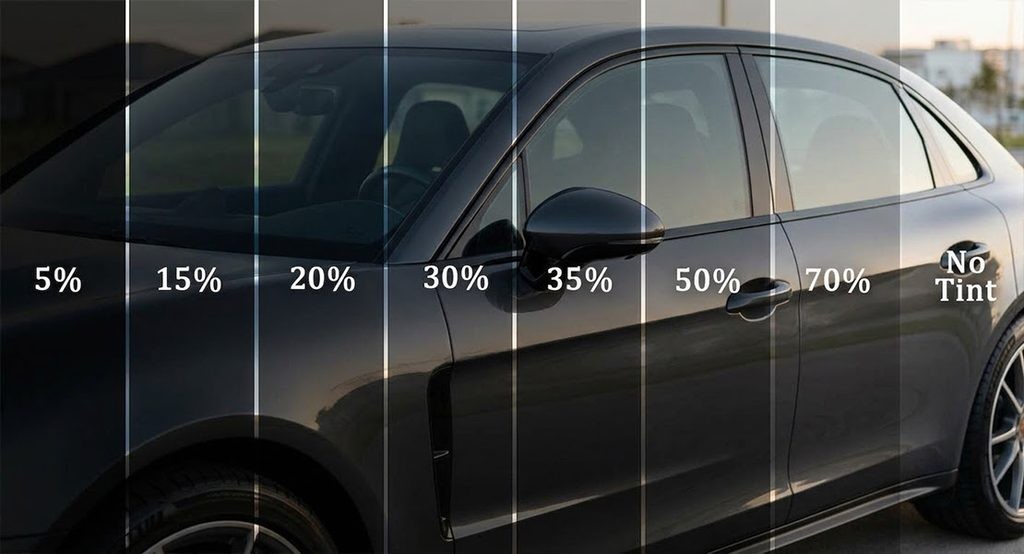
The fine alone is one issue. But officers can also ask for the full removal or replacement of the film - a bill that can get expensive fast.
The better news is that when old tint starts to fail, it's actually a great opportunity to get it handled right. A film that's already peeling or bubbling has usually run its course anyway, so a compliant replacement makes sense for a couple of reasons - it puts you on the right side of the law, and you'll get a fresh layer of UV protection at the same time.
State laws can and do change, so a quick look at California's latest vehicle code before you choose a new film is worth a few minutes. The laws for rear windows are different from front side windows - that's worth learning about if you're hoping to go darker in the back. An experienced tint installer will usually know all this - but a little background knowledge on your end never hurts before that conversation.
A film that lands right at or just above the 70% threshold can still block a decent amount of UV radiation and heat - compliant doesn't have to mean useless. Plenty of quality films fall well within legal limits and still do a great job at keeping your interior cooler and protecting against long-term sun damage over the years.
Make Your Tint Last for Years
After your tint is installed, a little bit of care is all it takes to protect it for years to come. Most of what's needed is pretty low-effort.
Whenever you have the option, park in the shade or find a garage. The Southern California sun is relentless, and prolonged direct exposure is one of the fastest ways to wear the film down - it doesn't need to be perfect every time either. Even cutting back on peak-hour sun exposure matters over the life of your film.
After a fresh install, the general guideline is to leave your windows up for at least two to four days. The film needs that time to bond to the glass - if you roll the window down too early, the edges can start to lift or peel. That alone can take years off your tint's life. It's one of the most common mistakes I see with new installs.
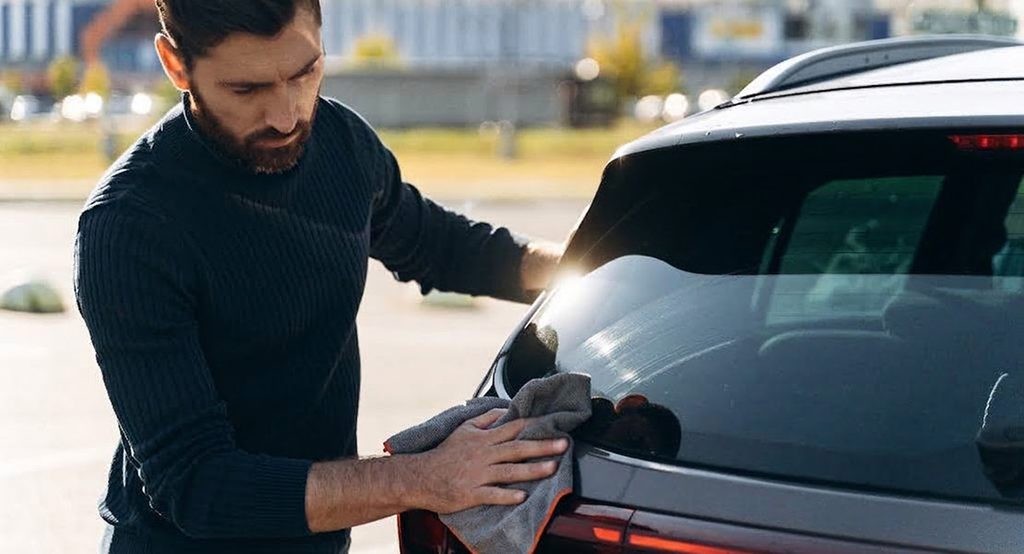
When it's time to clean, a soft microfiber cloth and an ammonia-free cleaner are all that you need. Ammonia breaks down the adhesive layer in the film over time, and once it does, the tint will start to bubble, peel and fall apart well before its time. Many of the glass cleaners that you'll find at any store have ammonia in them, so it's worth turning the bottle over to check the label before you grab one off the shelf.
None of this takes much work. Park in the shade when you can, let the fresh install sit for a few days without touching the glass and use the right products when it's time to clean. A few small habits like these will protect what you already paid for and keep your tint looking great for years to come.
Transform Your View with Professional Tinting
Window tint in Southern California is a choice that follows you for years. The film type, the installation quality and how you care for it afterward all add up - and in a climate as intense as this one, the difference between the best choice and a rushed one has a way of showing up fast.
A quality film (installed by a technician who actually knows what they're doing) paired with a couple of easy habits like parking in the shade and switching to the right cleaning products is all it takes to go from a tint that fades out in two years to one that holds up for ten or more. That difference between two years and ten is a big one, and it's also well within your control.
At OC Tint Shop, we've spent years working with Southern California drivers who know how hard this climate can be on a vehicle, and we carry that experience into every job we do. From automotive window tinting to ceramic coatings and paint protection, our team works exclusively with premium materials and a precise installation process to make sure that your investment holds up over time. We serve clients all across Orange County, from Newport Beach to Anaheim, and we'd love to show you what a quality tint job looks and feels like. Come see us at OC Tint Shop to schedule your free consultation.