
Lease return dates approach quickly, and eventually you’ll look at that window tint you added two years ago and ask yourself if it’s going to cost you a small fortune in dealership fees. California’s tint laws are pretty strict, and they don’t always line up with what your lease agreement actually says. Most drivers have no idea that there’s a conflict between the two until the return date gets close, and by then, it’s usually too late to get around the fees. Dealerships can charge anywhere from $200 to $500 just to remove tint when you bring your car back, and most of them will treat that aftermarket film like it’s damage to the vehicle – even when it’s legal under state law!
Most lease contracts include language about returning the vehicle in its original condition, and window modifications are usually on the list of prohibited modifications. The tint on your windows might meet California’s 70% light transmission standard just fine. Even if it’s legal, if the tint wasn’t applied at the factory, it still counts as a lease violation. Dealerships have become a lot more strict with their end-of-lease inspections, mainly because they use newer inspection tools that can catch modifications that a quick visual check would have missed a few years ago.
Window tint is popular for some good reasons – UV protection, privacy and a cooler interior. Drivers who add it to leased vehicles don’t always think about how it turns into a headache when the lease ends. The dealership will make you remove it before they take the car back, and their rates for this service won’t be friendly. It’s better to handle it earlier. Removing the tint yourself costs around $20 in supplies and maybe a weekend afternoon of work. An independent shop will charge you between $100 and $250. Either one beats whatever the dealership would bill you at the return counter.
Here’s what California expects if you return your tinted lease vehicle!
What You Need to Know About California Tint
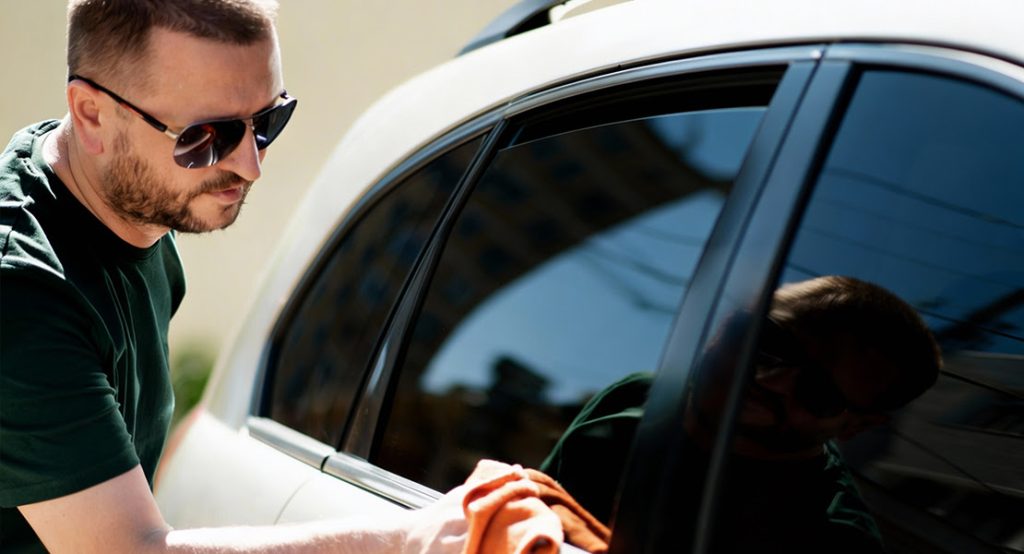
California has some laws for the window tint on your front side windows, and the legal limit is set at 70% VLT. VLT stands for Visible Light Transmission, and it’s just a measurement of how much light passes through your window glass. When the percentage is higher, more light gets through, and it also makes it much easier for anyone standing outside of the vehicle to see what’s going on inside. A window with 70% VLT is going to look almost see-through – there may be just a slight hint of a tint to it. But it’s minimal. During the day, anyone outside of the vehicle can see through it pretty well, and there won’t be much restricting their view. Compare that to the much darker films on some vehicles – it can be nearly impossible to make out who’s actually behind the wheel.
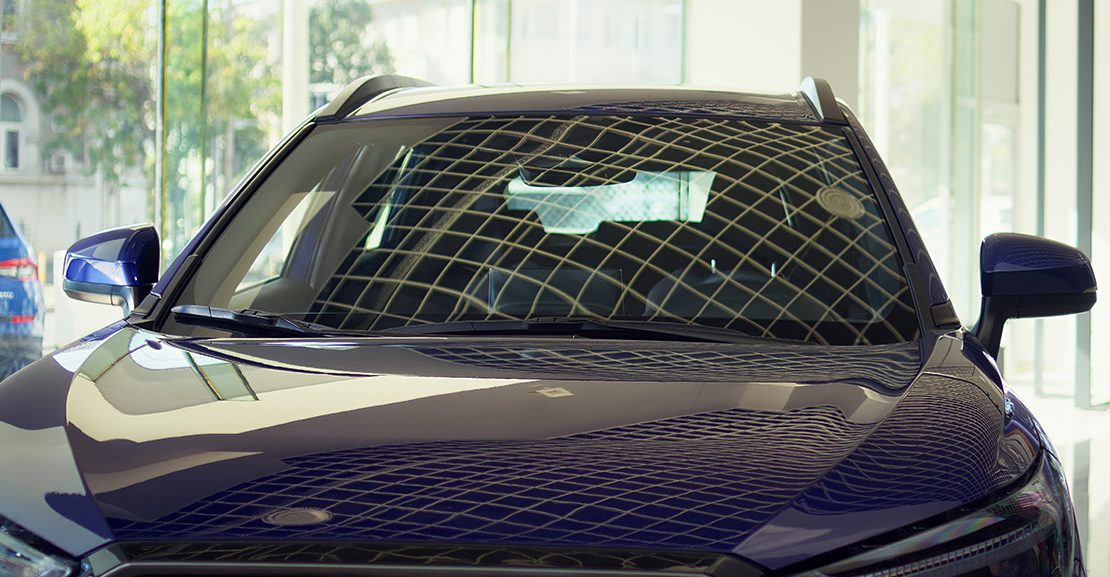
The law treats windshields differently compared to your other windows. California law only lets you tint the top 4 inches of your windshield glass. It’s a pretty small strip. But it does help with the sun glare when the sun sits low on the horizon during the sunrise or sunset. Anything past those 4 inches should stay untinted, so you see the road ahead.
Rear windows and back windshields don’t actually have any restrictions at all in California. Darkness isn’t a problem for those windows – tint them to any shade, and it’s perfectly legal. Plenty of customers get confused about this because they think all of the windows on the vehicle need to follow the same exact tinting standards.
The biggest reason for these window tint laws is officer safety during traffic stops. Officers want to be able to look inside your car before they walk toward it, but darker tints make that almost impossible. When they can see inside ahead of time, they have a much better sense of what’s going on and who else could be in there with you. This advance visibility is a big part of what protects them when they’re out there on the road every day.
A VLT meter is what you’ll need if you want to measure your tint levels yourself. A lot of tint shops will actually test your windows for free if you stop by. Or if you’d rather do it on your own, you can pick up a handheld meter online and measure the percentage whenever you want.
The device itself is pretty basic – it sends light through the glass and then calculates how much light makes it through to the other side.
What Original Condition Means in Your Lease
Leased vehicles in California have plenty of fine print, and many drivers miss just how much that fine print can affect them. Nearly every lease agreement is going to include a clause about returning the car in its original condition (or at least something very close to that wording). It sounds simple enough, and in most cases it probably is. Window tint installations can make it a lot more complicated.
Most lease contracts won’t spell out what “original condition” actually means in the fine print. What they do instead is separate normal wear and tear from modifications – two very different categories in their eyes. Window tint falls into that modification category, and it doesn’t matter if your tint is legal under California’s VLT laws. Your leasing company doesn’t care about the street-legal status when they get the car back.
Factory tint is part of the original vehicle from the manufacturer, and that means you’re fine on that one. It’s not going to cause any problems at all when you return your lease because it’s just part of how the car was built. Aftermarket tint is where it can get a little complicated for you. It doesn’t matter if you decided to have it installed yourself or if the previous leaseholder added it at some point before you took over the lease. In either case, you’re the one who’s going to be responsible for it when the time comes to return the vehicle.
Lease providers all deal with this issue a little differently, and the policies can change quite a bit from one company to the next. Some of them are pretty relaxed about aftermarket tint and won’t hit you with any fees as long as it was installed by a professional and still looks decent when you turn the car back in. Other providers are much stricter about it and will treat any aftermarket film as breaking your lease terms, even if the work was done correctly. Each lease provider sets their own guidelines on this, and that means you won’t find a universal policy across the industry to count on.

Lease agreements have become a lot more detailed over the last few years. Many of the newer contracts will actually have entire sections dedicated to window modifications, and they’ll spell out what type of penalties you’ll run into if you return a car with them installed. You can’t afford to just skim through your paperwork anymore and hope that everything will work out.
Your contract will tell you where you stand on this – dig into it and look for the sections that cover vehicle condition or any modifications you made. Return instructions are another place worth checking, and the end-of-lease terms section will usually spell this out as well.
These parts of your agreement spell out what your leasing company expects to see when you hand back the keys.
What Happens During Your Lease Return
Once you arrive for your lease return inspection, the whole process moves along pretty fast. The inspector will walk around your vehicle with a small handheld device (it’s called a tint meter). The little tool measures how much light can pass through each of your windows, and it gives you a reading in just a few seconds.
Inspectors will mark their report if any of your windows fall outside the legal tint limit. It depends on the inspector you get – some of them will test every window on your car, and others like to concentrate mostly on the front driver and passenger windows. California has the strictest tint limits for those two windows in particular, and that’s why they get most of the attention during an inspection.
The inspection process has changed quite a bit in 2025. Most dealers use reporting systems that automatically log every issue they find on your vehicle. What this actually means for you is pretty simple – it’s become much harder for an inspector to miss the window tint that doesn’t meet the legal standard, even if they wanted to.
If your tint fails the inspection, you’re going to have two different routes that you can take. The first one is to remove the tint yourself before you officially hand over the keys – most dealers will allow this as long as you can get it done fast enough. Your second option is to let the dealer take care of the removal for you, and then you’ll need to pay them for the service when it’s done. Neither option is great. But at least you can choose whichever one makes more sense for your situation and budget.
The meter reading gets added directly to your official lease return paperwork. After the dealership records it in their files, you’ll find it’s pretty hard to dispute what they found or to challenge those results later on. Dealerships run these inspections because they need to verify that each vehicle meets state law standards before they can legally resell it or send it off to auction.
What You Can Expect to Pay
Window tint removal is an expense that most lease customers need to budget for before they turn their vehicle back in. Lease agreements usually need the car to be returned in its original condition, so any aftermarket tint that you’ve added has to be removed before you hand over the keys. The cost for this service can change quite a bit based on where you go and who does the work.
Dealerships charge anywhere from $200 to $500 for this service based on the location. Independent auto shops will do the same work for $100 to $250, and they can save you some money. Dealerships have more overhead (bigger buildings, more staff and franchise fees to pay), so their prices are always going to be higher to make up for those extra costs.
Doing the removal yourself can save you some money. Most hardware stores carry everything that you’ll need for this, and the whole project will probably cost you between $20 and $50 in supplies. The price tag is one part of the picture, though. Before you jump into the DIY option, it’s worth it to ask yourself a couple of important questions. First – what’s your time actually worth to you? And second, is this the type of project you feel confident you can do on your own?
The size of your vehicle is going to affect what you pay for this service. A compact car with just a handful of windows will cost less than a full-size SUV that has glass panels all over the place, and each window needs its own film applied to it, which means more hours of labor and more time your car has to stay in the shop.
Before you hand over your keys, it’s worth it to try to negotiate this fee with the dealership first. Plenty of dealers would actually prefer to just take that $150 removal fee from you directly rather than take care of the scheduling and paperwork issues on their end. There’s a decent chance they’ll agree to it when you bring up a price adjustment with them.
The choice between professional service and DIY depends on what matters to you. It makes sense to hire a professional if your schedule is tight or if you want to prevent any window damage during the removal. But with a free weekend and some confidence, you can save yourself a decent amount of money by doing it yourself.
The Best Time to Remove Tint
The timing of your tint removal can save you a chunk of money and hassle. Many drivers find that the best window is between 30 and 60 days before their lease ends. That window gives you enough time to call around to a few different shops, get their quotes, and figure out whether you want to handle it yourself or just pay to have them take care of it.
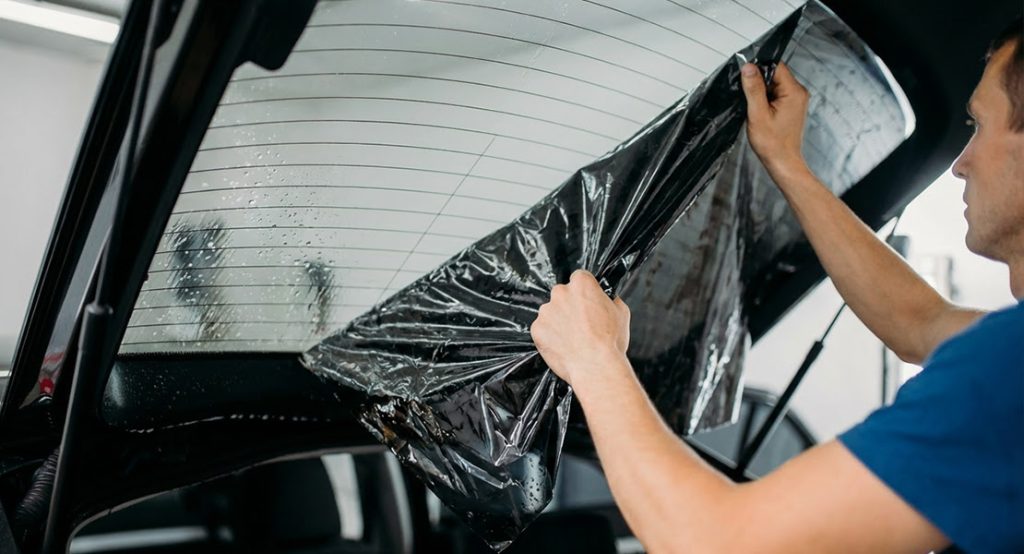
The time of year actually makes a large difference if you’re planning to remove the tint yourself. Summer heat is great for DIY removal because the warm temperatures soften the adhesive, and the film peels away way easier. Winter works against you – the film gets stiff, and the adhesive doesn’t budge. Watch the timing at the end of each month when hiring a professional instead. Most leases expire during that window, and that means removal shops usually get swamped with appointments and their availability drops off pretty fast.
Removing your tint too far ahead can create some problems of its own. Taking it off 3 months before your lease is due leaves you stuck with 3 full months of no UV protection and zero privacy every time you get behind the wheel. A better way to go about this would be to schedule your tint removal at the same time as the other pre-return tasks that you’ll have to knock out anyway. That way, you can wrap everything up in one appointment instead of making a few trips to different shops.
Transform Your View with Professional Tinting
You have options here, and you have time to work out what actually works best for you and your budget. Maybe you’ll wind up removing the tint yourself, or maybe you’d rather just pay a professional to take care of it. In either case, what matters most is to give yourself enough time to get it done right. Starting early enough gives you control over how everything goes, and you won’t have to rush at the last second and pay a lot more or take the chance of messing up your windows. It’s your lease, your car, and you get to make this call any way you want.
And when you plan to re-tint your next vehicle, OC Tint Shop will help you stay within the law and still get the heat reduction and privacy you want. We’ve worked with thousands of drivers all across Orange County (from Irvine to Huntington Beach), and our focus is on expert installations that follow California’s tint laws and still give you just what you’re looking for. My team knows these regulations well, and we only work with quality materials that will keep you protected and legal for as long as you own your car. When you’re ready to get it done right, schedule a free consultation and check out our gallery to see the quality work that has made us Orange County’s trusted tint experts. We’ll make sure that you can drive with total confidence, one window at a time.