
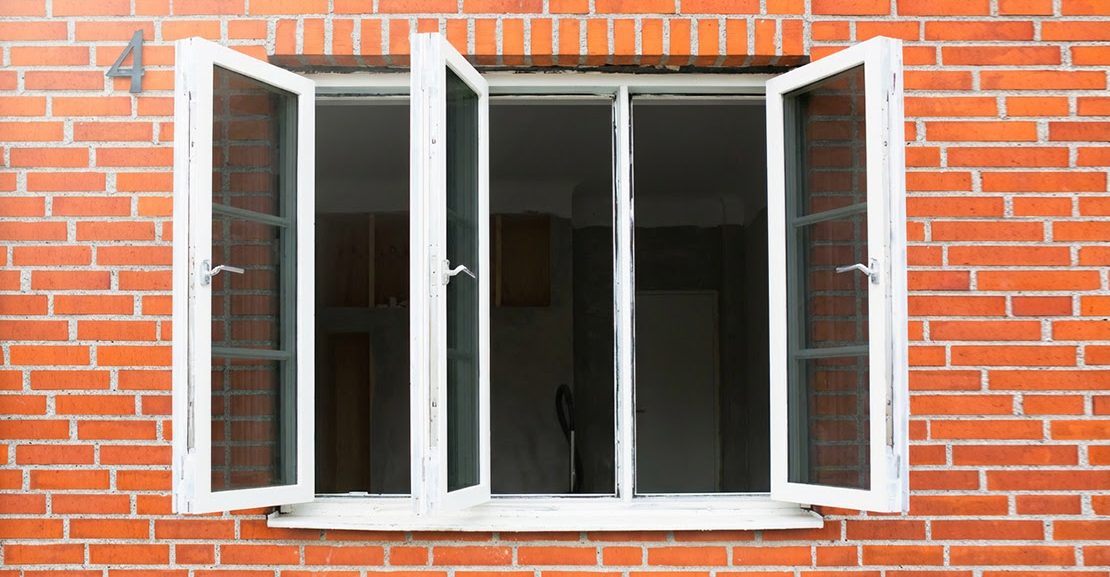
Dual-pane windows are one of the great upgrades in a modern California home – they hold the heat back, cut down on street noise and just make day-to-day life more comfortable. After a while, plenty of homeowners start to ask themselves if window tint is worth adding on top of all that. Less glare, lower energy bills and maybe a bit more privacy from the neighbors. Lay it all out – it’s a pretty tempting combination.
The questions can multiply pretty fast from there. One is whether you can even apply tint to insulated glass without damaging it. Another is what the window manufacturer’s warranty actually says about that. And since we’re talking about California, there’s also the question of whether any state or local laws apply to residential window film.
Most homeowners who ask about this are just trying to cut down on heat and glare – and those are fair goals to have. The news is that dual-pane windows in California homes can be tinted. The less fun part is that you should sort out a few details before moving forward, because if you miss any one of them, what looks like an easy upgrade can become a pretty expensive headache. Cracked glass, a voided manufacturer’s warranty and an HOA violation letter are all actual possibilities when the wrong film goes on the wrong window.
I’ll talk about all three pieces – film safety ratings and heat absorption thresholds, California’s Title 24 energy compliance standards and the fine print in most window film warranties. It’s worth taking some time to call an installer or place an order online – that prep work can save you money and unnecessary frustration.
Let’s dig into what California homeowners need to know about tinting dual-pane windows.
How a Dual-Pane Window Is Different
Before we get into which tints work and which ones don’t, a quick rundown on what a dual-pane window actually is will make the rest of this easier to follow. A dual-pane window is made up of two separate panes of glass with a sealed gap running between them. That gap gets filled with either plain air or an inert gas like argon, and then the whole unit gets bonded together at the edges into one tight, sealed piece. These are also usually referred to as insulated glass units (IGUs for short), which is just another name for the same product.
That sealed construction is what sets dual-pane windows apart from older, single-pane glass. A single pane is only one layer of glass – it absorbs and releases heat in a pretty direct and predictable way. A dual-pane unit’s more of a system than just one material, and each of its two layers responds to heat and light a little differently from the other one.
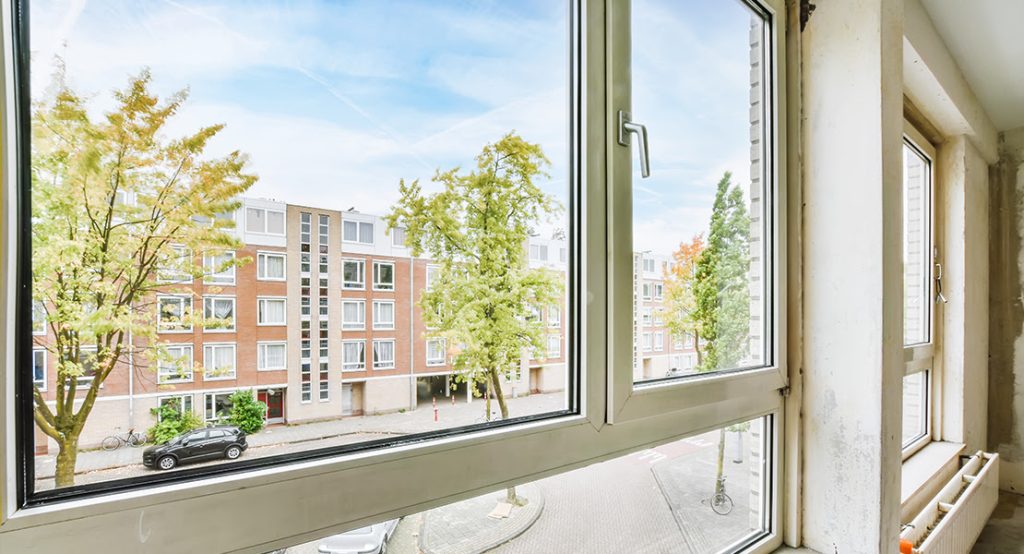
Window tint gets quite a bit more nuanced once the double-pane glass enters the picture. The film changes how each pane absorbs and bounces back solar energy, and with the two panes sealed together as a unit, they interact in ways that a single pane of glass never would.
Most homeowners have no idea what type of windows they have until a project like this comes along and the question actually matters. If your home was built or renovated within the last few decades, dual-pane glass is a pretty safe bet in most rooms. Whatever the case, it’s worth verifying this before any window tint work gets started – the type of glass that you have will change which products are actually safe to put on it.
Heat That Gets Trapped Can Crack Your Glass
The biggest worry with dual-pane window tinting is heat – specifically the heat that gets trapped between the two panes of glass. When you apply film to the interior surface, darker or more reflective films will absorb that heat and push it right back into the window cavity. With no way out, that heat just builds up, and the glass on each side starts to expand at different rates.
That uneven expansion is what eventually causes thermal stress cracks in the glass. Professional installers will tell you it’s the number one concern with dual-pane window tinting – and for good reason.
Once a crack breaks that seal, moisture will find its way in. At that point, the only fix is a full window unit replacement – you can’t patch it. Across even a handful of windows, that cost can climb fast, and it’s usually more than anyone budgeted for.

The upside is that not every film carries this type of danger. Some films are actually designed with dual-pane glass in mind, and they’re far less likely to trap heat in a way that causes any damage. Low-absorption films, as one example, let the heat pass right through the glass instead of trapping it inside. The amount of heat each film type holds onto can vary quite a bit – which is why the film you choose matters just as much as the installation itself. That matters even more when you’re working with this type of window.
The next section gets into which film types are actually the safer option for dual-pane glass, so you’ll have a much better sense of what to look for before an install.
Safe Tint Films for Your Dual-Pane Windows
Window films are not all made in the same way, and with dual-pane glass, especially, that difference does matter.
With dual-pane windows, lighter films that don’t absorb much heat are the way to go. They let some solar energy pass through instead of locking it inside the glass, which stops the two panes from heating up unevenly. When the temperature difference between those two panes gets too wide, it puts stress on the window. Heavily reflective films and very dark films work differently (they soak up or push back far more heat, and most of it ends up sitting right inside the glass itself). It’s where dual-pane windows start to have problems.
The question most homeowners should be asking is what type of film to put on them. Most of them get hung up on whether to tint at all and miss that second question, which is where the decisions are.
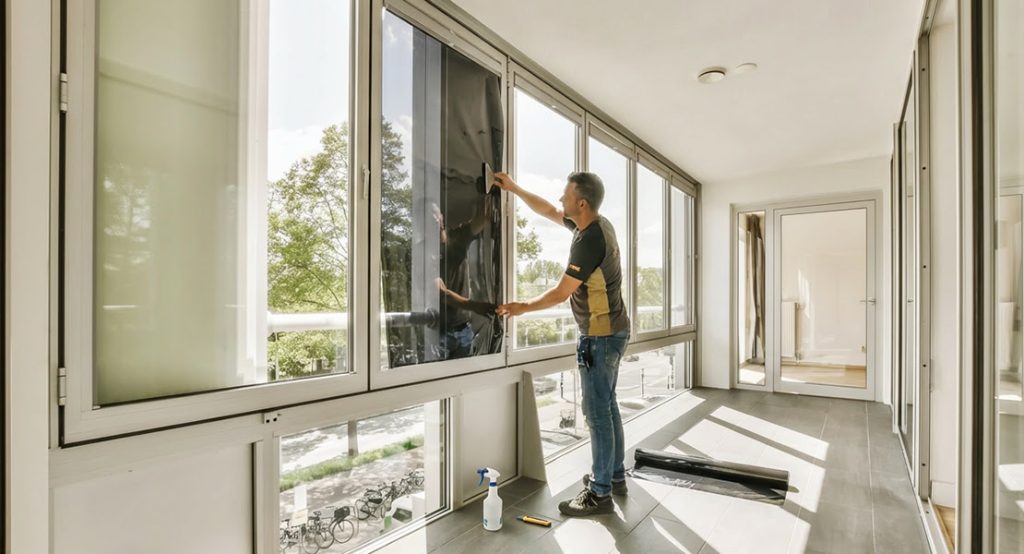
That’s also where the appeal of the cheapest film on the shelf can work against you. Budget films are made with lower-grade materials that just don’t manage heat absorption the way better products do. A poor-quality film is far more likely to cause seal failure or a cracked pane – and at that point, the cost to replace a dual-pane unit will run you far more compared to what you saved. The cheap option has a way of becoming the expensive one.
For any film you’re thinking about, look into what it’s actually made of and how it deals with heat. Ask the manufacturer or your installer about its solar heat gain numbers. That single figure will tell you quite a bit about whether a film is the right fit for your windows.
California Title 24 and Your Window Film
With a renovation on the horizon or a home listing coming up, window film deserves more attention than it tends to get – Title 24 can very much come into play, and it’s better to know that before you’re already mid-project. Quite a few high-performance window films are actually designed to bring your home into compliance with Title 24 – not work against it.

That actually makes sense. Window films that cut down on solar heat gain take the load off your air conditioning system, and California’s energy code was designed with that exact goal in mind. The right film serves two purposes – it blocks heat and UV rays from damaging your interior, and it gets your home a step closer to full compliance at the same time.
Not every film on the market will be Title 24 compliant – it’s a detail worth paying close attention to before buying anything. The performance ratings on the film (metrics like the solar heat gain coefficient) are what actually tell you if a product meets the standard or not. Before settling on a product, it’s worth having those numbers in hand. That’s also the case if a renovation permit or a home sale might come up at some point.
Energy code compliance is also just one part of this. Once Title 24 is handled, it’s worth checking to see if your HOA or landlord has their own restrictions layered on top – and quite a few of them do. The two don’t always line up neatly, and based on where you live and what sort of property you have, one side of that could be far more restrictive than the other.
Check Your HOA and Landlord Rules First
Local building codes are just the baseline, and neighborhoods with a homeowners association have CC&Rs that usually layer their own separate restrictions on window film on top of what the city requires – those can vary quite a bit. It’s worth a look before you settle on anything.
California HOAs have restrictions on how the outside of your home looks, and window tint tends to get flagged. A dark or reflective film can noticeably change the look of your windows from the street – it’s the type of exterior modification that CC&Rs are written to cover. A violation letter can still land in your mailbox even when the film itself is legal under California state law – the HOA runs on its own set of standards, and those don’t always line up with what the state allows.

Renters have an extra wrinkle to manage on top of all that. Most lease agreements call for written landlord approval before any modification to the property, and window film usually counts as one of the modifications. Without that written approval, your landlord could treat the installation as a lease violation – it’s not a position anyone wants to be in.
With that in mind, the most helpful next step is also the easiest one to skip – it’s to actually read your CC&Rs or lease agreement before you schedule anything. Pull out the relevant sections and go through them closely. A quick call to your HOA board or property manager can also resolve any gray areas long before they turn into an actual issue. From what I’ve seen, that one phone call can save you from unnecessary headache. A written record of that approval doesn’t hurt to have, either.
Film removal, once it’s already on your windows, is a genuine pain, and a little extra research is well worth your time.
Other Ways to Protect Your Windows
Window tinting on dual-pane glass isn’t always an option – a few alternatives can get you the same results without any contact with the glass.
One of the best options is to go with windows that already have a low-emissivity (low-e) coating built directly into the glass at the factory. The coating is actually part of the glass itself (not a separate film layered on top), so there’s nothing extra between the layers to trap heat or put stress on the seal. If window replacement is already on your list, it’s worth a close look.
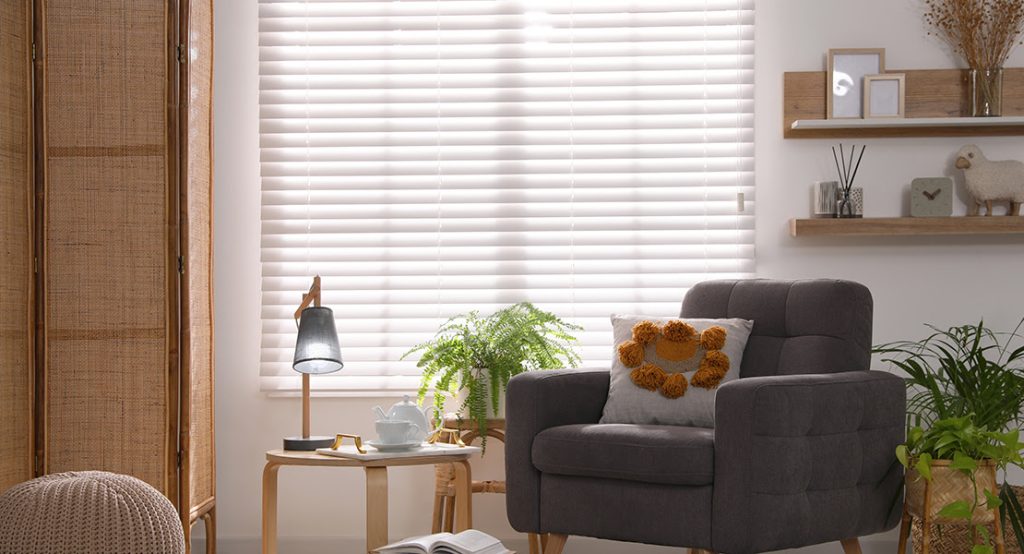
Cellular shades are an interior option that doesn’t get nearly enough credit from homeowners. They trap air in small pockets between the window and the room, which slows down heat transfer quite a bit – and the glass itself faces no added pressure at all. They also manage privacy and light control, all in one product. For something so low-tech, they’re a worthwhile addition to almost any window.
The exterior options (solar screens and awnings) work differently than film does. Instead of treating the glass itself, they block sunlight before it ever reaches the window. Since the heat never gets a chance to build up against the glass, this usually outperforms film. A number of homeowners also pair exterior solar screens with interior cellular shades, and the combination outperforms film by quite a bit.
It’s worth the extra effort to plan out. From what I’ve seen, the results turn out to be more reliable, and there’s far less chance of long-term damage to your windows compared to most other options. For anyone whose biggest priority is long-term performance without the added difficulty, this two-layer strategy is hard to beat.
Read Your Warranty Before the Work Starts
Having weighed everything and still wanting to go ahead with tinting your windows, there’s one step worth taking before any of the work starts – dig out your window manufacturer’s warranty and actually read it. Plenty of dual-pane window warranties have fine print buried in them that voids coverage the second an aftermarket film goes on. If your sealed unit fails just a month after installation, the manufacturer won’t cover a single dollar of the repair. That bill can climb very fast to well past what you paid for the tint – sometimes by quite a bit.

With any window film, it’s worth a few minutes of your time to look up your window brand and find out just where they stand on it. Some manufacturers have actually gone through the process of testing some films and will officially approve the ones that make the cut. But a fair number of others have a much stricter stance and won’t allow any film at all. Have that figured out before the film goes on your glass – not after.
On top of the warranty question, a certified installer with experience in dual-pane glass will actually come out and look at your windows before any of the film gets applied. That pre-installation walkthrough is where they can catch heat load problems, seal condition problems and glass orientation factors that would probably go unnoticed until something goes wrong.
Warranties and pre-installation assessments aren’t the fun part of a window tinting project – I don’t love the paperwork side of it. Do yourself a favor and get them squared away before any of that film touches your windows.
Transform Your View with Professional Tinting
Dual-pane glass has its own set of factors, and they do matter when picking the right film. Not every film is compatible with every type of glass, and dual-pane windows in particular need a careful match between the film’s heat absorption rate and the glass’s thermal properties. When not matched correctly, thermal stress can develop, which may cause the glass to crack or the seal between the panes to fail over time – it’s why it matters to work with an installer who understands dual-pane glass and can recommend the right product for your windows.
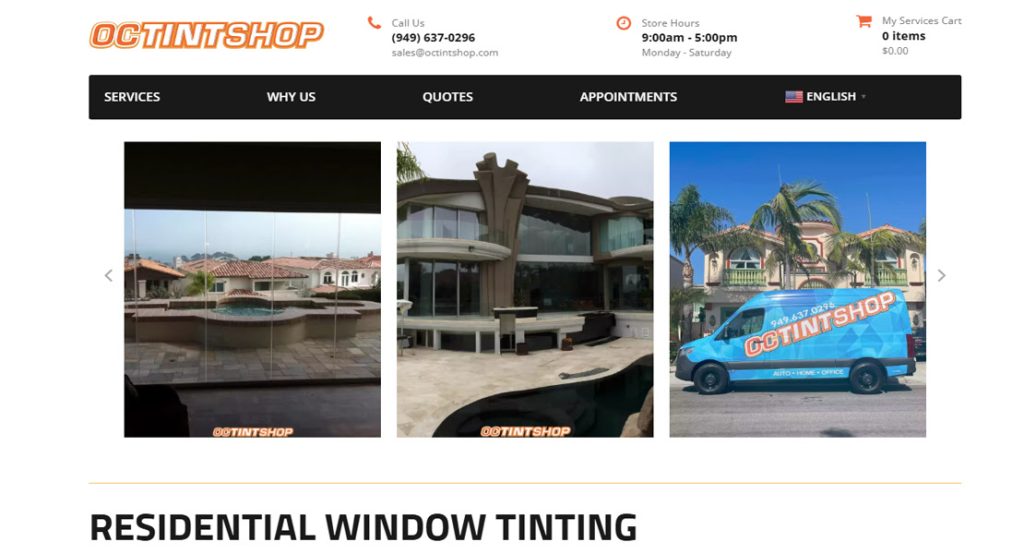
We take that into account on every job we do. We’ve done this for homeowners all over Orange County, from Irvine to Huntington Beach, and every project gets the same level of attention and care (it doesn’t matter if it’s a single window in a bedroom or a full home installation) and we look at your glass, your sun exposure and what you’re hoping to get out of the film. That could be heat reduction, glare control, UV protection or just a bit more privacy – and in some cases, it’s a combination of them.
We know that every home is a little different, and we treat each one that way. Our goal is to leave you with a result that fits your home and holds up over the years. Contact us to set up your free consultation and find out what the right film, installed correctly, can do for your home.