
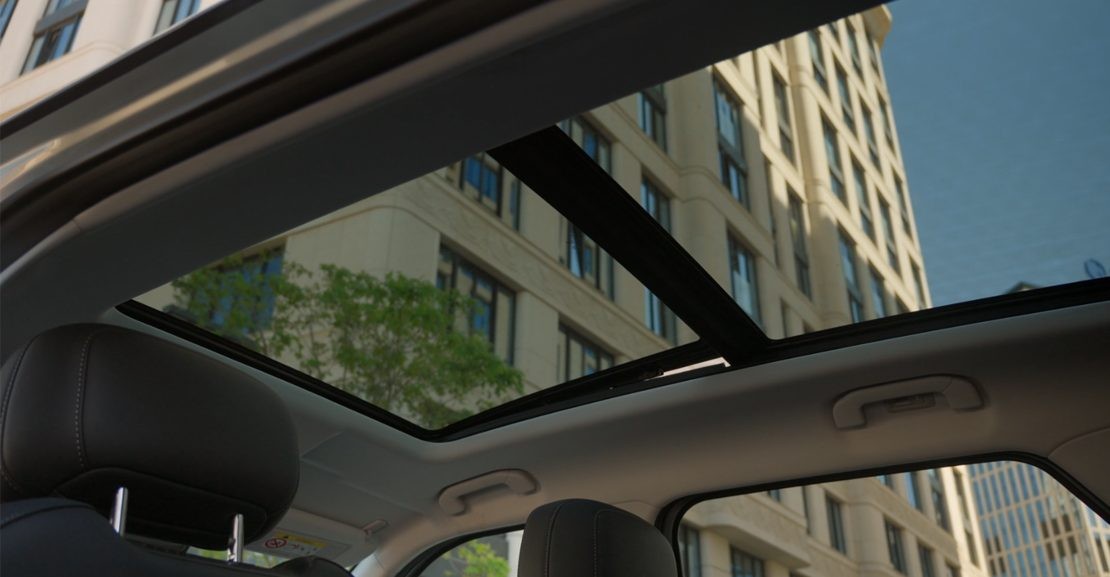
Panoramic sunroofs look great on a truck or SUV - at least until summer rolls around. That massive pane of glass stretches nearly the full length of the headliner, and on a hot afternoon, the heat buildup inside the cabin gets pretty intense. Passengers roast, the leather seats get scorched, and your A/C ends up working twice as hard just to keep up with all that direct overhead sun. A vehicle that's been parked outside on a bright sunny day can reach some very uncomfortable temperatures in there, and a panoramic roof makes that problem a whole lot worse.
A tint job on that oversized roof panel is a legitimate option - and one of the more popular ones, actually. Before any of that film gets cut, there are a few points to cover first.
A quality film, installed, can block a chunk of the infrared radiation that pours through your glass all day long - and for everyone seated underneath it, that means a difference in comfort. From there, the choice gets a bit more involved. The film type, local legal limits on tint percentage, the heat rejection specs and even shade alternatives all have a say in what ends up being the right fit for your setup, and each piece deserves its own look. Put them all together, and it gets much easier to settle on something that gives you a cooler and more comfortable ride.
Let's find out if a panoramic sunroof tint is the right move!
The Case for Tinting Your Panoramic Roof
A panoramic sunroof is one giant pane of glass laid across your entire roof, and with that much exposed surface area, the heat and sunlight that pour into the cabin can build up very fast. On a very hot day, an untinted panoramic roof can make the interior very uncomfortable. A well-tinted one at least keeps the cabin at a livable temperature.
Glare is one of the biggest reasons that drivers call a tint shop. Direct sunlight pouring through a large overhead panel can wash out your dashboard display - and at that point, it goes from mildly annoying to a genuine safety issue. Most drivers aren't even thinking about privacy at that stage - they just want to stop squinting through a long summer commute.
Long-term interior damage is another big reason to consider panoramic roof tinting. Prolonged sun exposure will eventually fade your dashboard, crack the plastic trim panels and dry out your leather seats - it just wears everything down much faster. The strange part is that most truck and SUV owners don't even think about window tint until they look down one day and see the wear is already there. At that point, the damage is already done.
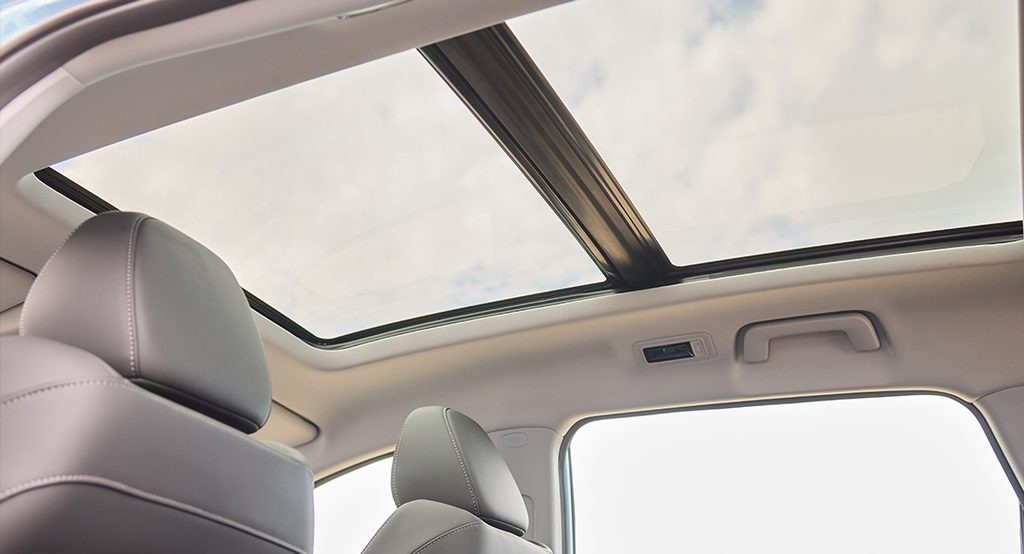
Almost every time, the motivation is purely practical - a cooler cabin, less glare on the road and a protected interior. Those are the three reasons that bring drivers to a tint shop. Privacy doesn't usually enter into it, at least not at first.
Once you've made up your mind about tinting your panoramic sunroof, the next question that you have is whether it's actually possible - and it is. But there's a bit more to it than with a standard window.
Yes, You Can Tint a Panoramic Sunroof
Panoramic sunroofs can be tinted. But the process is a bit more involved than a standard side window job.
For starters, the glass on a panoramic sunroof is way bigger than that of a standard window - and it tends to have a slight curve to it on top of that. Those two factors together can make it pretty hard to get the film to lay flat and even harder to hold it there over time.
With panoramic glass, doing it yourself can end up costing you more than hiring a professional. The glass leaves almost zero margin for error - a minor misalignment, and you have to pull the whole sheet off and start over from scratch. Past that, the size of the panel makes it nearly impossible to manage the film cleanly - it'll want to fold or stretch before it even makes contact with the glass.
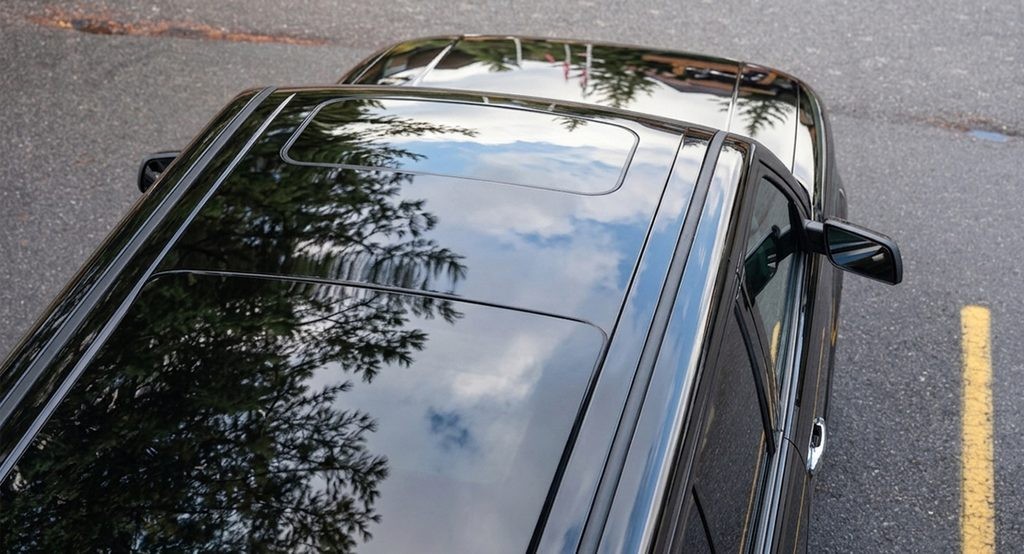
A professional installer comes with the right tools, a clean workspace and enough experience to get a clean result on the oversized glass. They'll know how to prep the surface and get the film laid down into position without any air trapped underneath. That said, a panoramic sunroof will take considerably more time than a standard door window would - even for a professional.
Should you go with a professional, it's worth asking about their experience with panoramic glass specifically. Not every installer has worked with panels this size, and the ones who have will usually be able to tell you immediately what the process looks like and what to expect. The cost will also usually be higher than a standard window (for both the film and the labor), so it's helpful to know that going in.
Which Tint Film is Best for Sunroofs
Ceramic tint has a well-earned reputation as the first choice for large glass panels like panoramic sunroofs - and it legitimately does live up to it. One of its biggest upsides is that it blocks a large amount of heat and UV rays without having to go very dark to get the job done.
Plenty of owners jump right to the darkest shade available when they're trying to keep the heat out (it's an understandable instinct), but it's also something a number of them regret once the cabin starts feeling more closed-in than they expected. With ceramic film, the equation changes a bit, because it performs quite well even at lighter shades. That means you can get genuine heat rejection without turning your sunroof into a dark ceiling.
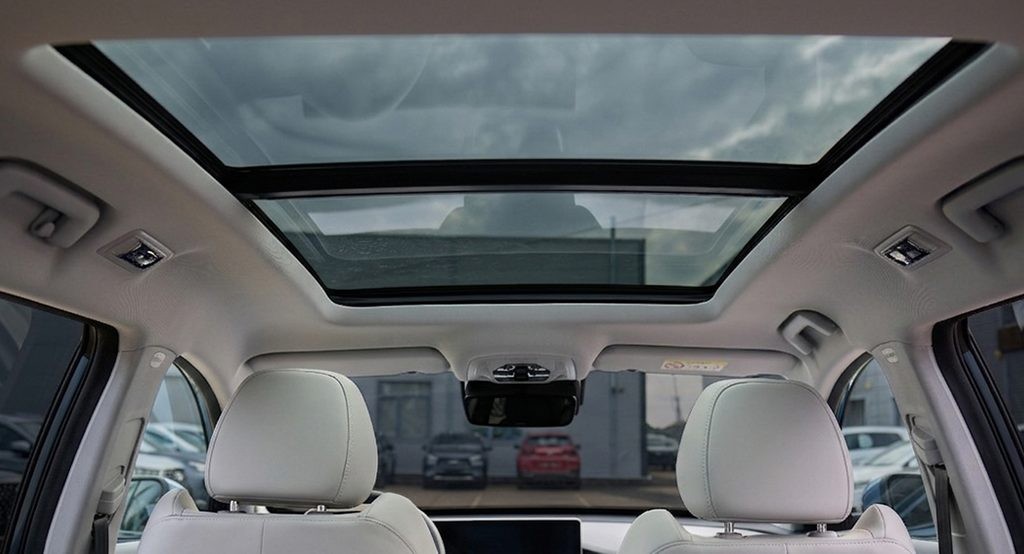
Ceramic tint also gets along quite well with the electronics that come packed into modern trucks and SUVs. GPS units, satellite radio, antennas that are built directly into the glass - none of it gets disrupted. Metallic films can't make that same promise, since the metal in them tends to interfere with signals, and cheaper dyed films will usually lose their color much faster when there's that much direct sunlight beating down through a large roof panel every day.
Dyed films have a pretty decent price point, and the lower up-front cost is hard to ignore. But the trade-off is how long it lasts - dyed film fades and loses its performance over time in ways that ceramic film just doesn't. Ceramic costs more up front, no question. But it holds its color and keeps working well for far longer. In my experience, that's the part that most owners wish they'd paid more attention to once they're a few years into owning their vehicle.
What the Law Says About Roof Tint
Tint laws are different in every state, and roof glass doesn't always follow the same standards as your side windows - so before anything gets installed, it's worth a few minutes of research. The main detail to look up is your state's VLT limit. VLT stands for Visible Light Transmission, and all it means is how much light is allowed to pass through the tint.
Most states publish this information through their DMV or a state transportation website. The legal language can be hard to parse, though, and what applies to panoramic roofs specifically isn't always written in plain terms.
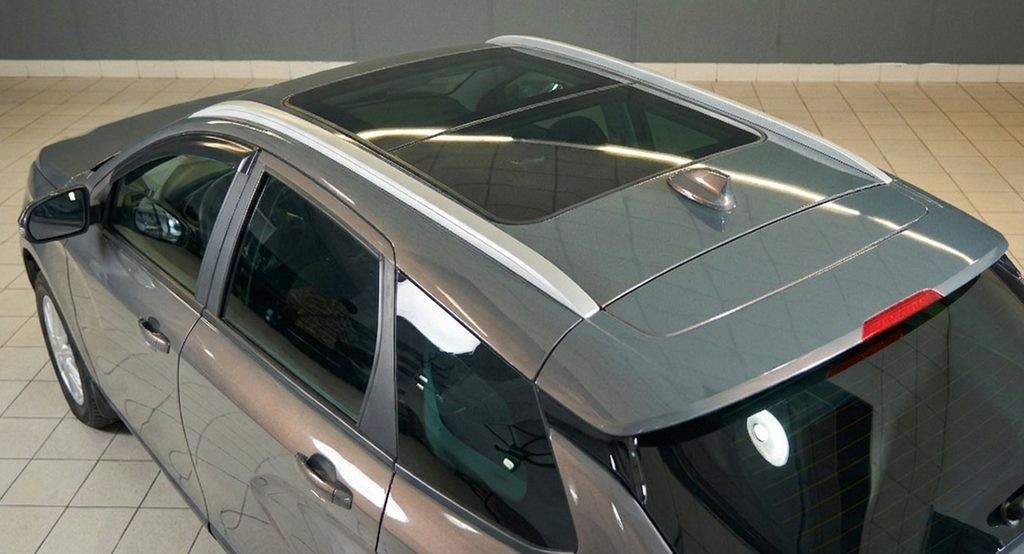
Roof glass tint that goes too dark can cost you - a failed inspection, a fine, or a hassle the next time you get pulled over. None of these is a great outcome for something that was supposed to be a worthwhile upgrade for your vehicle.
In fact, many states allow darker tint on roof glass than on front side windows, which means you have a decent chance of more flexibility in your options than the general limits might suggest. Most drivers don't know this and choose something more conservative than they actually need to. Take a few minutes to confirm the exact legal limits for your state before you lock in a shade - it's worth the extra step.
How Much Heat Does Window Tint Block
Heat rejection is probably the number one reason truck and SUV owners tint a panoramic roof. A large glass panel overhead draws in sunlight, and on a hot day, that heat transfers straight into the cabin. A parked vehicle heats up fast enough on its own - add a panoramic roof, and it traps even more heat. After a few hours in the sun, your car is already going to be miserable to get back into, and all that extra glass just makes it quite a bit worse.
Ceramic film is a great fix for panoramic roofs, and a big part of what makes it work the way it does is that it doesn't need to be dark to work. A lighter tint can still block a large amount of that infrared heat, so the glass stays as bright and open-looking as ever while the cabin temperature stays more comfortable. Everyone in the car still gets that full open-sky feel, and the interior doesn't overheat in the process.
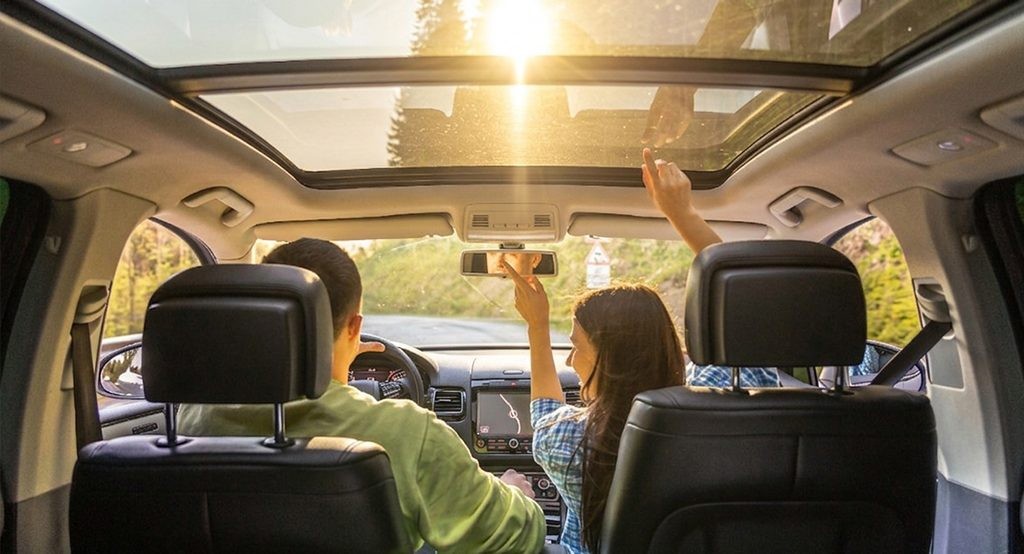
Families with young children in car seats usually feel this benefit the most. A hot cabin is a genuine safety concern for little ones, and a cooler interior ready for them before anyone is even buckled in legitimately matters. Road trippers also get value out of it - the AC doesn't have to work nearly as hard from the start, which can be a bit easier on fuel economy over a long drive.
There's one point worth knowing when choosing a tint percentage - shade percentage and heat rejection are two separate factors. A darker film doesn't automatically block more heat, and a lighter film doesn't mean all that heat comes right through. Ceramic film works at the molecular level to target infrared light (that's a major part of sunlight that generates heat inside your car), and the glass doesn't need to be darker for it to work. If a cooler cabin is the main priority, a lighter ceramic film can still get the job done and you won't lose any of that panoramic view.
Other Ways to Beat the Heat
If a tint job seems like more effort than it's worth, there are plenty of other ways to get the heat and glare under control on a vehicle with a panoramic roof.
Truck and SUV manufacturers actually sell sunshades made just for their own models, cut to fit the exact shape of your roof panel. They can do a comparable job at blocking heat to a quality window tint, which makes them worth a close look if that's a priority. The downside is that they're manual - you have to physically put them up and take them down every time, which does get old pretty fast on a busy day.
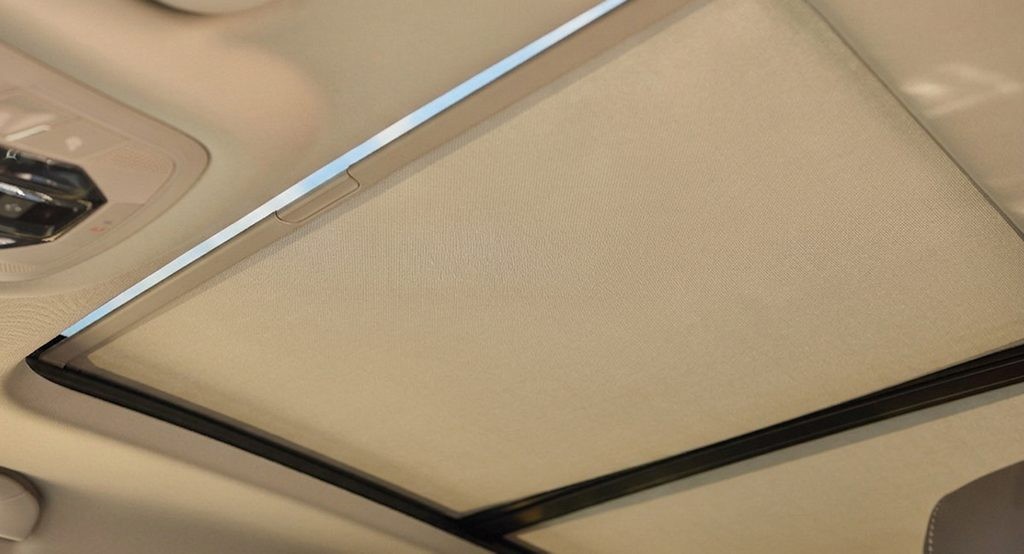
Newer trucks and SUVs have a built-in interior shade that slides right over the glass. It won't block heat nearly as much as a tinted film. But it does a decent job with direct sun and glare - and it costs you nothing extra. If your vehicle already has one, that's a great place to start before putting any money into anything else.
Factory privacy glass is also worth a look. Rear panoramic panels often come with a darker tint straight from the factory - that shade alone can take some of the edge off on a hot day. It's not the same as a UV-blocking film by any means - but it does help.
Some owners go with a combination of options - a sunshade for long drives or for days when the car is sitting in direct sun, paired with a light tint for day-to-day use. Between the two, you get coverage across more situations than either one would give you on its own. Your day-to-day use of the vehicle is what should guide the final call.
Transform Your View with Professional Tinting
A cooler and more comfortable ride is very much possible - it just takes a little homework and the right help to get there. State laws, the right film for your panel and a professional to work on that big curved glass - get those three right, and you're in great shape. With a panel this size, the small details carry far more weight.
Ceramic film is usually the right call for panoramic roofs. But the alternatives are worth your attention as well. A full tint, a sunshade made for your vehicle or a combination of the two are all legitimate options - and the best fit just depends on how you actually use your vehicle day-to-day.
When you need a shop that knows how to handle an installation like this, OC Tint Shop has you covered. We've done thousands of vehicles across Orange County, from Newport Beach to Anaheim, and every one of them gets the same level of care and attention. The harder jobs like panoramic glass are no exception to that. We only use premium materials, and we take the time to get it done right the first time. No shortcuts, nothing left to chance.
A free consultation is the easiest way to find out what the right film can do for your truck or SUV. Whether it's your first tint job or you've had a bad experience and just want it done right this time, we're the team for it. Give us a call.