
Film choice matters far more in a Santa Ana climate than it does in a mild one. The wrong film won't only underperform - it'll bubble up, take on that ugly shade of purple and leave your interior just as hot as it was the day that you paid for it. And when it fails, the repair bill tends to run about twice what you paid for the original installation. Until it's all finished, you're back to the heat with no relief at all.
Three factors decide whether your tint holds up through the years of triple-digit heat and bone-dry wind events - shade percentage, film technology and warranty coverage. Shade percentage is what you reach for first, though it's actually the film technology that matters more. Ceramic films are the popular option for heat rejection, and for residential windows specifically, spectrally selective options can block solar heat without darkening your view at all. Legal VLT (visible light transmission) compliance is also worth confirming early in the process - film that's too dark on automotive glass creates its own problems, and the balance between them is where most of the decisions happen.
Everyone's first instinct is to go darker, and I see this go wrong a lot - they max out the tint and still can't figure out why their car is miserable in August. The right film, matched to Santa Ana conditions, makes a long-term difference.
Let's find the perfect tint shade so you stay cool this season!
How Santa Ana Heat Wears Out Your Film
Dry air, direct sunlight and infrared radiation that passes straight through glass with almost nothing to slow it down - when all three line up, window film ends up under actual stress, and it can happen very fast.
Most window films are designed for a normal amount of sun exposure - and a multi-day Santa Ana event is anything but normal. Temperatures inside a parked car can reach dangerous levels in just a few minutes, and rooms on the west or south side of a home can get nearly unbearable well before the afternoon is even over. A film that holds up just fine through a normal summer week will get pushed to its limits during one of these stretches.
The stress shows up in a few ways over time. UV fading is a concern - with the low humidity and dry air, there's far less moisture in the air between you and the sun to soften that UV exposure, so a Santa Ana event hits your film noticeably harder than a normal sunny day would. Heat buildup is the other big one, and it can escalate pretty fast. A film that does a decent job of blocking heat under normal conditions might not hold up when the sun is already intense, and the outside air is hot too.
These two points are worth learning about before you choose a shade or film type. A tint's darkness level and the technology behind it are two very different factors, and they both matter. The shade of a film controls how much visible light actually gets through your window - its infrared rejection rating tells you how well it deals with radiant heat.
For Santa Ana conditions specifically, you need both working in your favor at the same time - and that's just what the rest of this covers.
Dark Tint Does Not Mean a Cool Car
Before we get into which films are worth buying, one common source of uncertainty for window tint shoppers is worth sorting out first. Shoppers like to believe that the darker the tint, the cooler the car - and to be fair, that's a pretty natural conclusion to reach. Window film doesn't actually work that way, though.
The darkness of a tint is measured by something called VLT, which stands for visible light transmission. That number tells you how much light passes through the glass - that's all it does. What it won't tell you is how much heat gets blocked. Even a very dark film can still let a fair amount of infrared heat pass right through it.
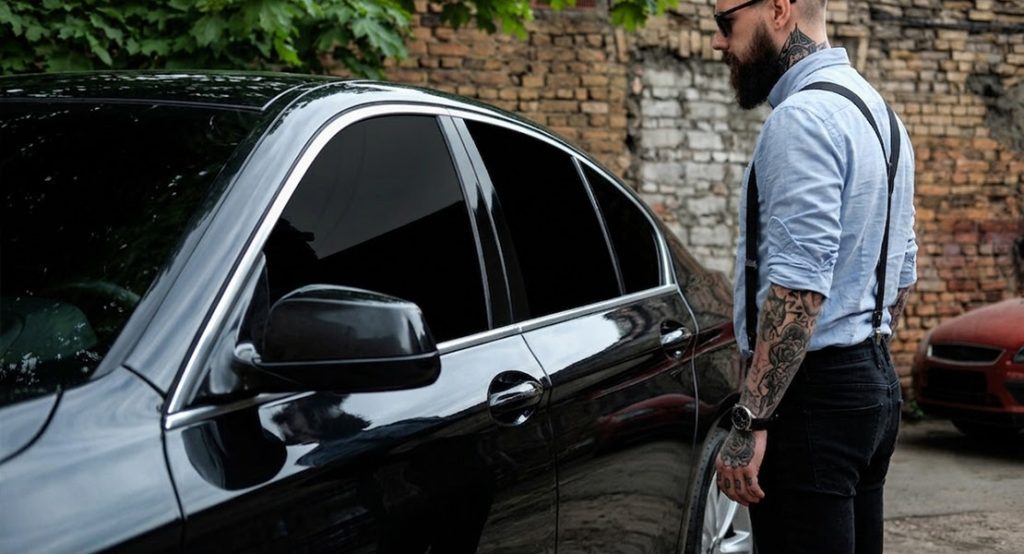
A nearly blacked-out windshield is no guarantee of a cool car - and on a brutal Santa Ana afternoon, that's a pretty expensive way to find that out. The darkness of a film and its true heat rejection are two very separate qualities, and plenty of shoppers leave the tint shop unaware of it. A better question to ask is how much heat it blocks.
Heat rejection ratings are what will answer that question. The number tells you how well a given film blocks solar energy before it even has a chance to get into the cabin. A lighter film with a strong heat rejection rating will leave a car noticeably cooler than a dark film with a weak one - and for quite a few first-time buyers, that's the part that legitimately changes how they think about window tint. The heat just doesn't let up in Santa Ana, and that heat rejection number is the one that matters most.
Ceramic Tint Holds Up in Dry Heat
Metallic films do block heat well. But the metal layer inside them can disrupt your GPS, your phone signal and even your toll transponder. For driving, that interference is a drawback, and it's one of the main reasons drivers have moved away from them. Dyed films have their own separate issue - the longer they're on your car, the less they work, since after a long time in the sun, the color starts to break down and fade.
Ceramic film deals with that relentless dry heat without any trade-offs. The color won't break down the way dyed films do over time, and your phone signal isn't affected at all. Most drivers will feel a genuine difference in cabin temperature on their first hot drive after the install - and it does work.
The tint percentage is what gets the most attention. But the film technology itself is doing most of the work. A darker shade alone won't protect you if the film wasn't engineered to block infrared heat. In dry heat, especially, there's almost no moisture in the air to absorb solar energy, so it drives straight through your glass and floods the cabin. What it's actually made of matters more than the shade on the label, since the film is your only line of defense against that.
Pick the Right VLT Film for Your Car
For most drivers, 35% VLT tends to be a middle ground, and there's a reason for it - it blocks enough of the glare from low sun angles while everything ahead still looks bright and open. That balance matters quite a bit during Santa Ana conditions, when blowing dust and the sharp afternoon glare arrive at the same time and put a genuine strain on your eyes.
If 35% feels a bit too dark for your taste, a 50% VLT film is an option - it still does the job on heat and UV rays. But it lets quite a bit more light into the cabin, which makes it a great fit for anyone who deals with plenty of stop-and-go city traffic or just prefers a brighter feel inside the car. On the other end of the range, a 20% VLT film blocks out more and gives the windows a noticeably darker look from the outside. The trade-off is that nighttime visibility takes a hit, so it's worth keeping in mind.
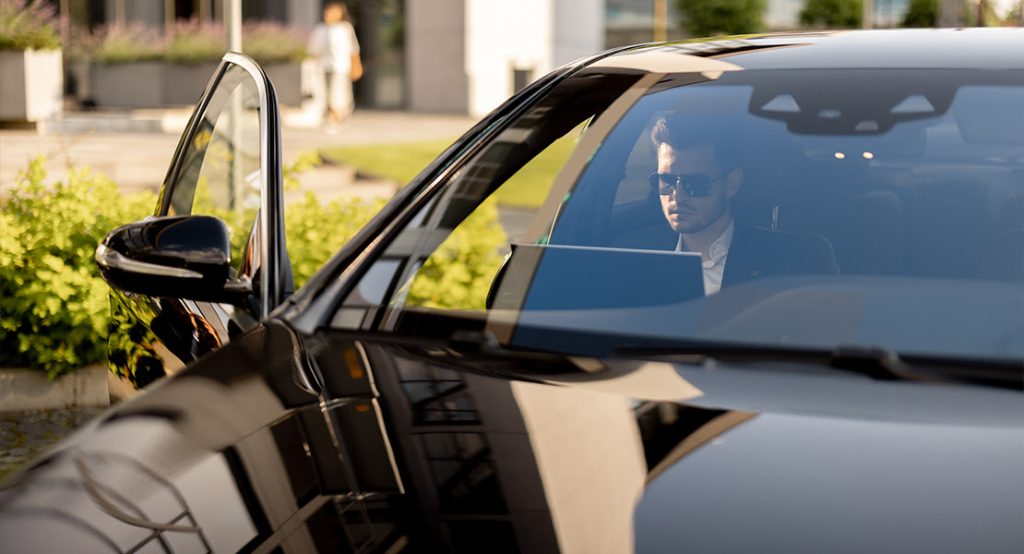
Whichever shade you go with, California law does have a few points to make about it. Front side windows need to let in more than 70% of the light, which means any film on those windows has to stay very light - nearly invisible. Rear windows are a different story - it's where you get quite a bit more flexibility. A 35% film or darker is usually a great fit back there.
A fix-it ticket is something that's both annoying and avoidable. A shop that knows the local law will tell you which windows can take which shade and at what percentage, so there's nothing left to guess at.
Low-E Film That Blocks the Santa Ana Heat
House windows and car windows might look pretty similar. But they do very different jobs. A car moves through the heat for a couple of hours, and then it gets to rest in a garage or a shady parking place. A house just sits in the same place all day long, and it takes every bit of heat the sun can send its way.
That gap gets quite a bit worse when the Santa Ana conditions roll in and hang around for a few days. Windows on the west side usually get hit the hardest - they face the afternoon sun at its most direct angle, which means more heat buildup than on any other side of the house. The rooms behind that glass can hold onto that heat well into the night, long after the outside temperature has already started to come down.
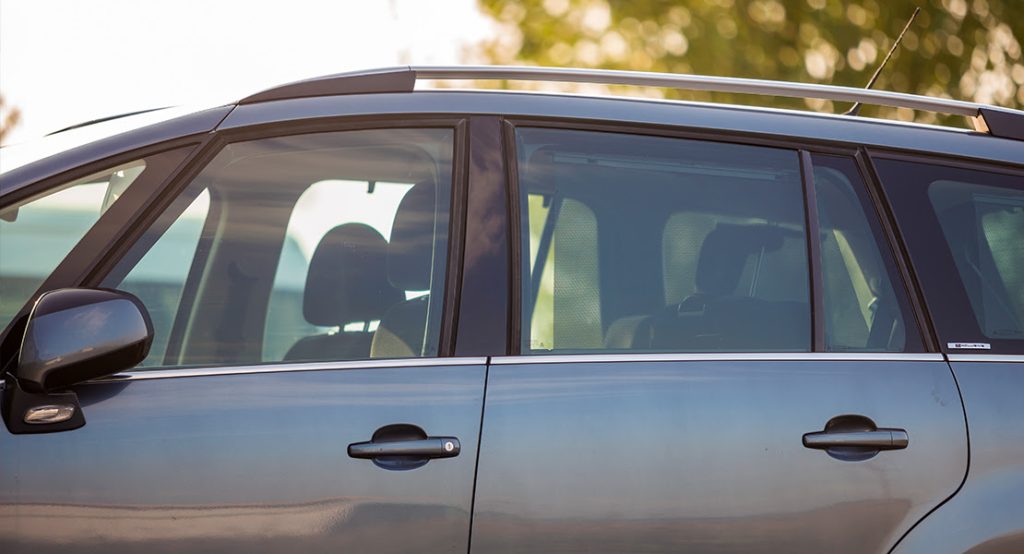
Low-E and spectrally selective window films are an option for homeowners in this position. They're designed to block the heat that comes in with sunlight, and they'll do it without sacrificing your natural light. A bright room that stays cool beats darkening every window just to hold the temperature down - it's the compromise homeowners make before they come across a product like this.
Darker tints are usually the first option that homeowners reach for, with the assumption that less visible light means less heat. That logic sounds fair. But it doesn't always hold up in practice. Spectrally selective films work a bit differently - they're specifically designed to target the infrared portion of sunlight, which is the part that actually carries the heat, and they leave the visible light mostly untouched, so the room still feels bright and open. For a home that stays occupied throughout the day, that's a real difference.
Dry Air Will Ruin a Cheap Film Fast
The Santa Ana winds pull the moisture right out of the air - humidity can drop well below 10%. That level of dryness is flat-out brutal, and any window film that wasn't built for it will have a hard time holding up.
Cheaper dyed films and low-grade adhesives are usually the first to go. When the air gets that hot and dry at the same time, the bond between the film and the glass just starts to break down - and once it does, the damage moves. Bubbles form, the edges start to lift away, and the tint color can fade into a washed-out brown or purple that you won't be able to fix.
Window film that holds up just fine in mild weather can start to fail within a single season once the Santa Ana winds hit. At that point, you might have to redo the entire job before the year is even over - it's just about as frustrating as it gets.
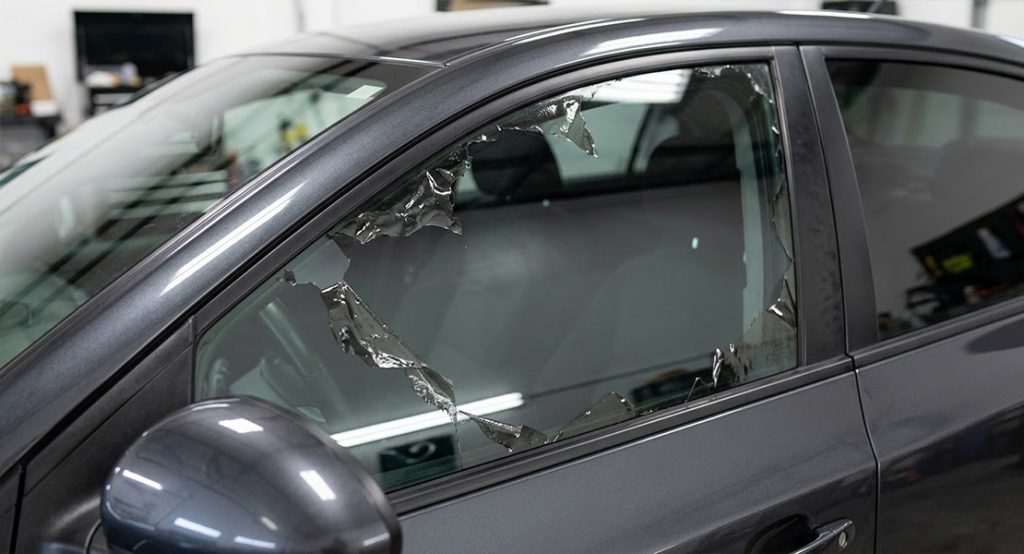
The adhesive layer in a quality film needs some flexibility to stay bonded to your glass as temperatures move up and down. When the air gets bone-dry, that moisture gets pulled right out of the adhesive, and without it, the layer starts to go brittle. Once it loses that flexibility, the bond begins to fail from the edges and works its way inward - and at that point, the damage is permanent.
Film quality doesn't prove itself during installation - that part is a non-event. The actual test comes with the first bad heat event after the film goes up. A cheaper film and a premium one can look nearly identical on day one, and the difference between them won't actually show up until the temperature gets extreme.
Make the first call on price alone, and you'll very likely have two tint bills instead of one.
The Film and Warranty That Hold Up
A warranty is one of the strongest signs that a manufacturer actually stands behind their product. If the coverage includes protection against color fade, film bubbles and edge lift, that tells you quite a bit about the quality of what you're buying - and whether it was designed to hold up over the long run.
Warranties can sound pretty generous on paper, and plenty of them are. That said, the fine print tends to say something different - the coverage frequently narrows down to manufacturing defects only. What you want is a warranty that covers performance directly and, most of all, one that specifically calls out high heat and long stretches of sun exposure. It's worth taking a few minutes to find that exact language in the warranty itself if you're going to rely on anything.
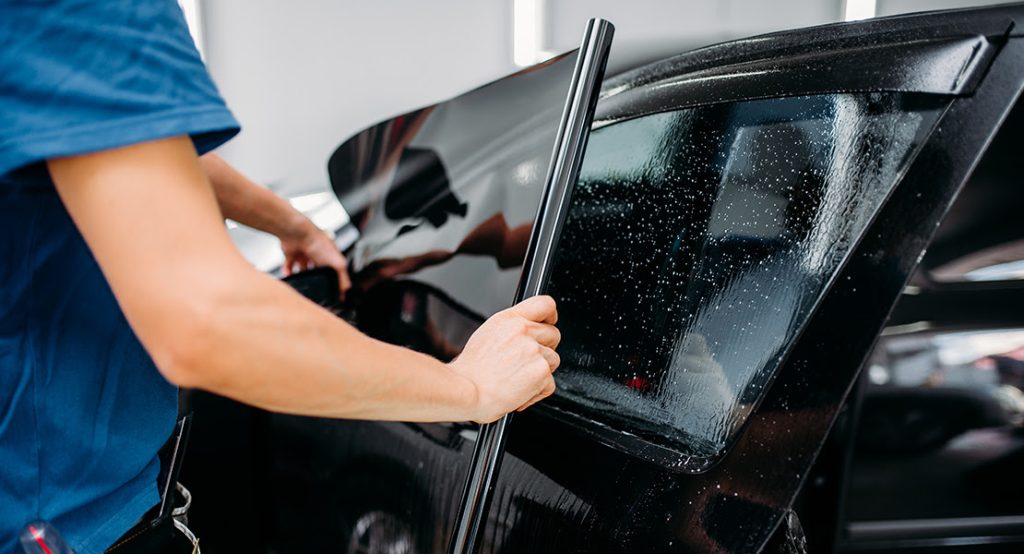
The heat rejection numbers are another big part of this picture. A film with a strong total solar energy rejection rating is what you want when you're up against the relentless all-day sun that Santa Ana conditions are notorious for.
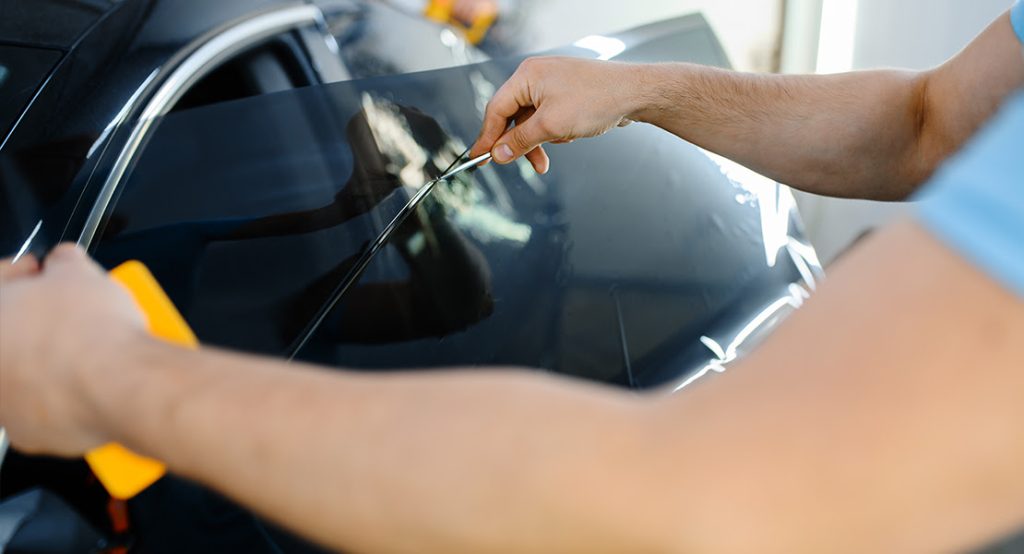
A great film can only go so far if the install behind it isn't done right. Even a top-rated product will start to fail well ahead of schedule when it's applied by an installer without any actual experience. Air pockets, weak adhesion and edges that start to peel back are usually the result of a rushed or careless installation and not a defect in the film itself.
Transform Your View with Professional Tinting
Darkness and heat rejection are two very different factors, and once a Santa Ana season rolls in, that gap starts to matter quite a bit more. The film technology is what does most of the work on the performance side-the shade percentage just needs to fall somewhere legal and comfortable on top of that.
Ceramic film is the grade that actually delivers when the cheaper alternatives start showing their limits. A warranty that lines up with performance will also tell you far more about a product than any sales pitch or marketing copy ever will. Those two factors alone will put you ahead of most people working through this same choice.
At OC Tint Shop, we've worked with Orange County clients through some especially brutal summers, and we have a sense of what film holds up and what fails once the heat kicks in. The customers who take a few minutes to ask the right questions up front are usually the ones who call back years later to say that they'd make the same choice again.
Whether it's your car or your home, our team is ready to talk about the right options for your situation and make sure that your installation gets done right the first time. No second-guessing and no expensive fixes later.
A cool interior before the next stretch of blinding heat is very much possible. Contact us, and we'll get your free consultation on the calendar.