
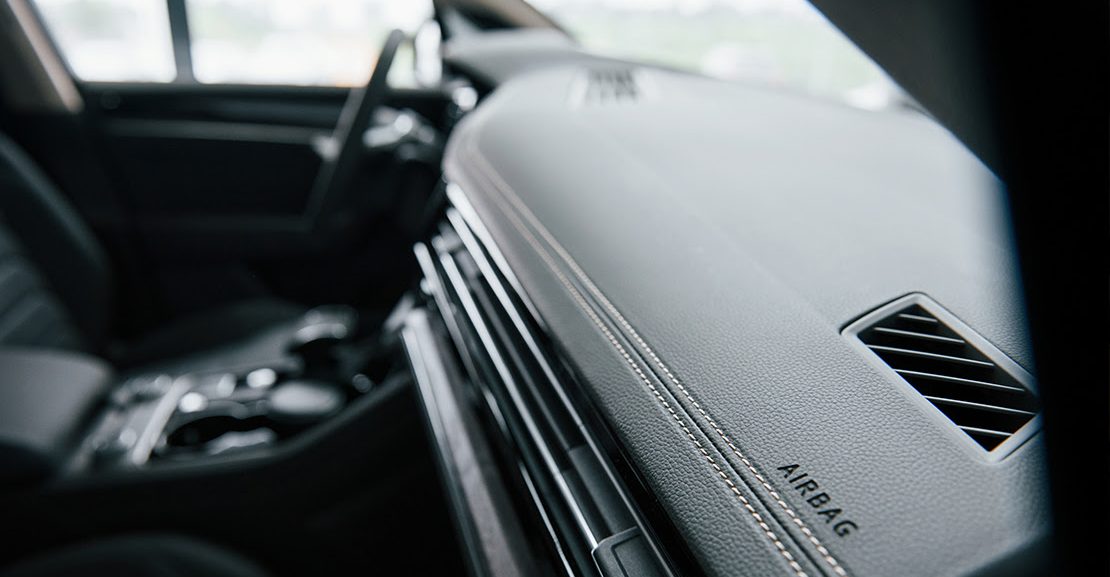
California dashboards take an absolute beating from some of the most intense sun exposure in the country. On a regular summer day, the interior temperatures can spike above 140 degrees F, and the dashboard surfaces under direct sunlight can hit 200 degrees F. When it gets that hot, the vinyl and plastic in your dash start to break down pretty fast. UV rays tear apart the polymer chains that make these surfaces flexible and strong, and the extreme temperature swings (from the scorching afternoon peaks to the cool desert nights) make the material expand and contract over and over again. Eventually, you’ll start to see those first hairline cracks appear.
Sacramento broke the heat records in 2024 when temperatures climbed above 100 degrees F on 51 different days. Death Valley even hit 133 degrees F! And this wasn’t just some random fluke – California actually recorded its hottest summer ever, and most parts of the state get around 284 sunny days each year. Those sunny days add up fast for dashboard damage, from the UV rays beating down on the surface and from the heat building up inside your car.
Let’s see if window tint can protect your dashboard from California’s intense heat!
How the California Sun Damages Your Dashboard
California dashboards need to deal with two different forces, and when they team up, they can break down your interior over time. UV light from the sun is one of the biggest problems you’ll run into. It passes straight through your windshield and goes to work on the polymer chains that hold your vinyl and plastic together. As those chains break down and get weaker, the material itself loses its strength and flexibility bit by bit. The heat cycle is the second big problem for your dashboard, and it causes just as much damage but differently. Your car’s interior can hit around 140 degrees or higher during the day. Once nighttime comes, that same dashboard might drop to 60 degrees or lower. Every cycle makes the material expand and contract, and all that movement puts a tremendous amount of stress on it over time.
California weather makes these problems worse, mostly because of how much sun we actually get here. Los Angeles alone sees about 284 sunny days every year on average. Your dashboard absorbs UV radiation almost every day. The heat climbs even higher in areas like Death Valley. Temperatures have reached 134 degrees in the shade out there.
All this damage doesn’t happen overnight, of course. The effects build up slowly, day after day. UV rays hit your dashboard and weaken those polymer bonds a little bit more with each pass. These temperature cycles create small internal stresses deep inside the plastic material. After enough time, your dashboard will start to crack and fade. In most cases, the surface will feel brittle or look discolored well before the first visible crack even shows up.
All that UV exposure, combined with those extreme temperature swings, will break down your dashboard over time. The damage will happen without some form of protection.
How Tint Blocks Heat and UV Rays
The best quality films on the market can block as much as 99% of UV rays before they ever make contact with your interior surfaces. To put that in perspective, that’s roughly the same level of protection you’d get from SPF 1000 sunscreen.
UV protection is definitely one of the benefits of window tint for your dashboard. But it’s not the only one. Window film also blocks a whole lot of the heat from the sun before it can even make it through your windshield and windows. This keeps your dashboard (and the other surfaces inside) much cooler during the day, especially if your car is parked in direct sunlight for hours at a time.
The big benefit is in how much infrared heat they can block out – we’re talking as much as 80% in most cases. This keeps your dashboard and interior from turning into an oven even when it’s very hot outside during those long summer days. The way that ceramic film technology works is pretty clever because it blocks the heat out, and it doesn’t make your windows too dark. Your car ends up with much better heat protection, and you can still see just fine out of your windows at the same time.
Tint protects your dashboard because it stops the damage before it even has a chance to start. UV rays and excessive heat are the two biggest culprits behind dashboard cracking, and tint cuts down on them both at the same time. That way, your dash stays much cooler throughout the day and won’t go through as much wear and tear that eventually causes those ugly cracks you see on older vehicles.
Window tints don’t all have the same level of protection. How much UV they block and how much heat they reject can change quite a bit from one product to another. The films that cost more will usually give you better protection across the board. They all still have to meet California’s window tinting laws, though, no matter how strong the performance is.
Heat Protection Within California’s Legal Limits
Darker tint doesn’t automatically equal better heat protection. But a lot of drivers believe it does. This wrong idea leads them to install film that’s way too dark and actually illegal in their state. Most of them haven’t thought about the consequences when they eventually get pulled over. The base fine alone runs about $197 for illegal window tint and already sounds pretty rough. Court fees, processing charges and all sorts of other costs all get added on top of that base amount, so your bill ends up way higher than that first number.
Ceramic window tint works very differently than the old metallic films and dyed options from years ago. Ceramic versions block plenty of UV rays and infrared heat. But they still meet California’s 70% light transmission requirement without any problems. Your dashboard gets great protection from sun damage, and you won’t have to worry about breaking any laws.
Darkness and heat rejection are two different factors with modern tint technology. Ceramic films are designed to filter out the wavelengths that cause heat and UV damage, and they do this, and it doesn’t make your windows look very dark. Your interior still gets the full protection, and you can stay within the legal limits at the same time.
A lot of drivers ask if they need a dark tint to get solid heat protection. That uncertainty makes perfect sense. For years, going dark was the only option if you wanted your car to stay cool. The technology behind window film has improved quite a bit since then, though. Modern films can look almost see-through to your eye while still blocking massive amounts of heat and UV rays – just as much protection as the old-school dark films used to give.
Which Film Protects Your Dashboard Best
Your choice of material matters quite a bit here because it determines how well your dashboard will survive California’s brutal sun exposure day after day. Ceramic tint uses microscopic particles that get embedded right into the film, and these particles bounce heat away before it ever reaches the inside of your car. It’s your heavy-duty option if you want maximum protection – it’ll block around 80% of the heat that tries to come through your windows. Ceramic film also has a big advantage over metallic tints because those particles can block that heat without interfering with your phone signal or radio reception at all. Heat protection stays at great levels, and your electronics all work just the way they should.
Carbon film sits in a pretty nice middle ground for performance and price. It blocks heat better than most of the basic options you’ll find, and it costs quite a bit less than the ceramic versions do. Carbon technology gives you solid protection, and it doesn’t make you pay the premium price tag that usually comes with ceramic particles.
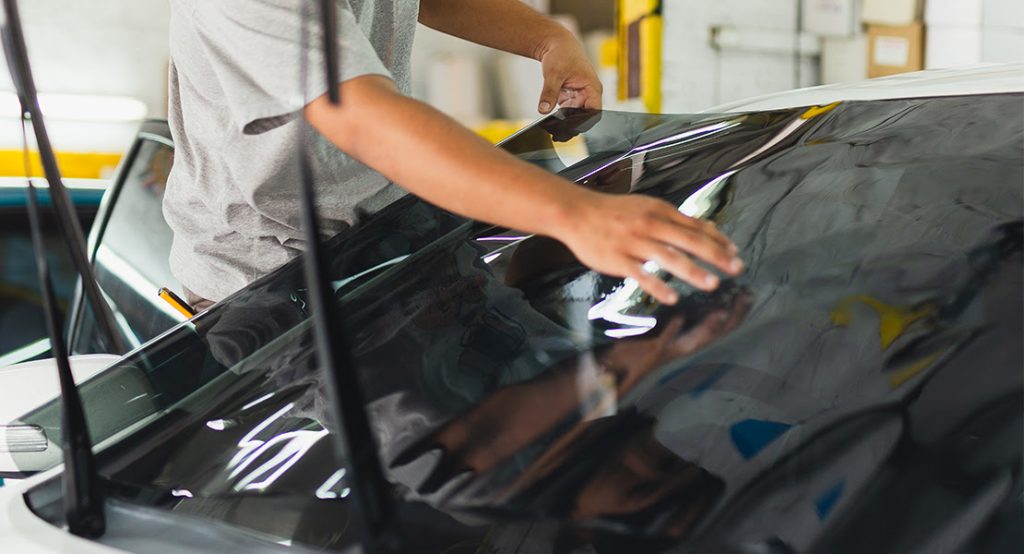
Dyed films are the entry-level option for window tint. Many drivers who choose dyed film are looking for privacy more than heat protection. It will darken your windows and help cut down on glare, and it’s nice. Heat rejection is where dyed film falls short, though – you’re only blocking around 35% of the heat that comes through your glass. Compare that to higher-end films that can reject as much as 80% of the heat, and you’ll feel a difference in how hot your car gets on a sunny day.
Premium films cost more money, and the price difference can seem large. But the extra cost gives you real performance gains that you’ll feel in regular use. Dyed film and ceramic film don’t work the same way at all – ceramic blocks a lot more heat from coming through your windows. Lower interior temperatures help protect your dashboard from cracking and deteriorating. Heat damage is the main culprit behind cracked dashboards, and the more exposure your dashboard gets to high temperatures day after day, the faster it’s going to crack and fall apart on you.
Improve Your Tint with Other Methods
Window tint does a great job of blocking heat and UV rays from entering your car, and plenty of car owners find that the tint alone gives them the protection they need. But if you want to maximize your results and keep your interior even cooler, you can pair the tint with a few other simple methods. Dashboard covers are probably the easiest addition to make. They sit right on top of your dashboard and block direct sunlight whenever your car is parked outside. They give you an extra layer of protection that prevents heat from settling into your dash material.
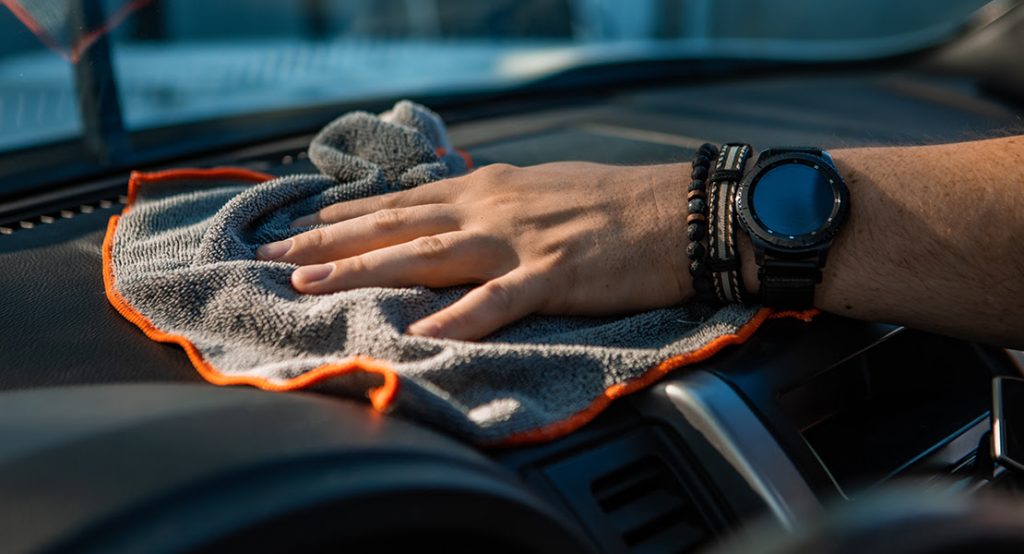
UV protectant sprays are worth adding to your dashboard care schedule if you want to go the extra mile. These products work by moisturizing and conditioning the vinyl or plastic on your dash, and they keep it from drying out and cracking when the sun beats down on it day after day. Don’t get me wrong – they’re not a replacement for window tint. But they do give the surface a fighting chance at staying soft and supple instead of turning hard and brittle as the years go by.
You could also use a windshield sunshade during the hottest parts of the day. These reflectors fold out and sit right up against the inside of your windshield to bounce most of the heat back out before it ever gets trapped inside your car. The afternoon is when they make the biggest difference because that’s when the sun hits your windshield at the steepest angles and creates the most heat buildup. Where you park helps to keep your car cool. Whenever possible, angle your windshield away from the afternoon sun – this cuts down on the direct heat that gets absorbed by your dashboard over a few hours. This small parking habit pairs well with a quality window tint to keep the inside of your car much cooler.
All of these options are designed to complement your window tint – not to replace it. Your tint film takes care of most of the protection as you’re actually driving, and the other options that we’ve talked about take over when your vehicle is parked. Each method addresses a different vulnerability. But if you combine them all together, you end up with a lot more protection than any single product could give you on its own.
Worth the Cost for Your Car
Quality ceramic tint for most vehicles costs between $300 and $800, and on the surface, the price tag can seem like quite a bit. I get it – not everyone loves to spend a few hundred dollars on window film. To put the investment in perspective, though, think about what you’d actually be paying if your dashboard eventually cracks from sun damage. Aftermarket dashboard replacements will set you back between $200 and $500, and at those prices, you’re only looking at the budget-friendly options. Many of them can run well over $1,000.
A cracked dashboard is also going to hurt your resale value. Most dealers will tell you a damaged dashboard can drop the value of your vehicle by anywhere from $500 to $1,500 when you’re ready to sell or trade it in. When you consider that sort of loss, spending a little bit of money now on tint to protect your dashboard for the next few years is a smart idea.
After you get in and fire it up, your AC won’t have to work nearly as hard to bring the temperature back down to something comfortable. Since your AC system doesn’t need to strain and run at maximum capacity, you’re going to save some money on fuel costs over time.
Comfort is a big part of what you’re weighing as well. Climbing into a car after it sat in the summer sun for a few hours – you know how brutal that can be! The tint helps cut down on that blast of heat that hits you right as you open the door, and it also stops your steering wheel and seats from becoming so hot that they almost burn to the touch.
Transform Your View with Professional Tinting
Living in California means you already know the sun is going to test every part of your vehicle, and your dashboard takes the hardest hit day after day. Quality window tint really helps you prevent those ugly cracks and faded areas that feel almost impossible to escape here. No product can promise you absolute protection forever. But tint fights off the two biggest causes of dashboard damage by blocking harmful UV rays and cutting down on all that heat that builds up inside your car. It’s an upgrade that does its job quietly in the background as it keeps your interior in great shape for years longer than it would last otherwise.
California’s climate gets harsher every year, and by the time cracks start showing up on a dashboard, the damage has already been happening underneath where you can’t see it. Window tint gives you that protective layer, and it doesn’t need any everyday maintenance or involved care schedules. A professional team can install it for you one time, and then it’ll protect your interior every day that the sun comes out.
At OC Tint Shop, we protect your vehicle’s interior from California sun damage, and that’s what we do best. We’ve been helping drivers throughout Orange County for years, and in that time, we’ve learned just what the local climate does to cars. Maybe you drive through Irvine every day for work, or maybe you just take weekend trips along the coast – in either case, your vehicle is up against intense UV rays and heat buildup that fade interiors and make the drive uncomfortable. Our ceramic and carbon film options can reject most of the heat and block harmful UV rays, all without any legal problems. We take care with every installation. Don’t wait until your dashboard is already cracked and faded – schedule a free consultation, and we’ll show you what professional window tinting can do for your car.