
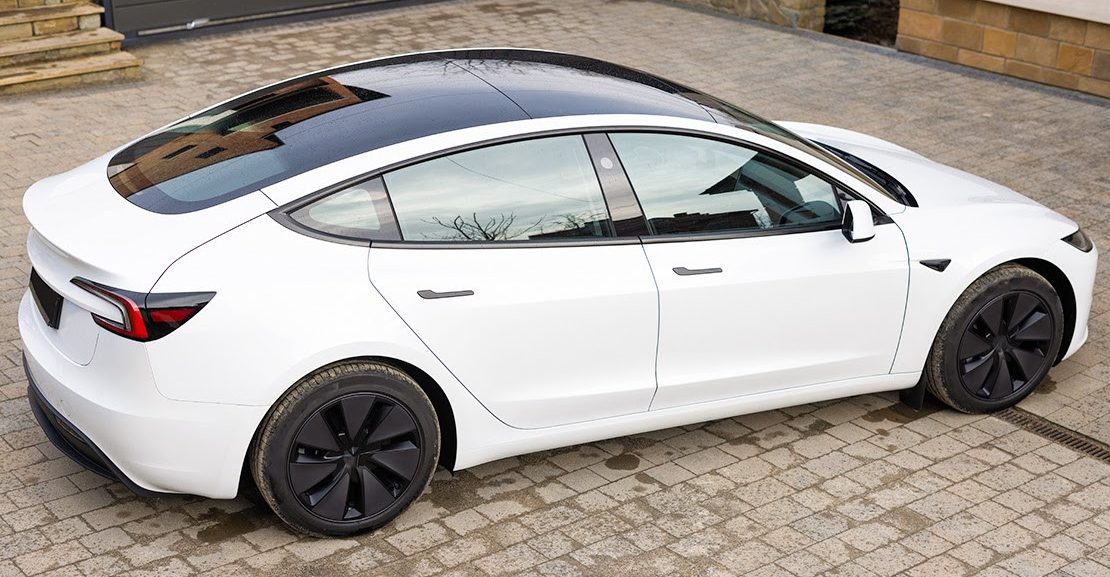
Own a Tesla Model 3 in California, and window tinting is one choice that sits between comfort and staying legal. The California sun is intense, the Model 3 has a lot of glass, and the desire for a little privacy is valid. Pick the wrong film, and you're looking at a fix-it ticket, a fine or the cost of pulling out the whole installation and starting over.
California's tint laws are strict and actively enforced, and the state takes them seriously. The laws aren't relaxed, and the car's factory glass doesn't put you close to the legal limit. The Model 3's glass roof design gives you another layer of complication here, because it doesn't work the same way that a common sedan's rear window does - and plenty of installers will treat it as if it does.
The difference between a legal tint job and an expensive reinstall is usually about preparation. The car owners who do their homework first (film types, VLT percentage limits, medical exemptions, certified installers) well before they ever book an appointment, those are the ones whose cars stay cool, look great and have no problems at a roadside inspection. The ones who skip that tend to pay for it twice, in my experience.
You just need to ask the right questions before you drop off your car. The film type, the VLT percentage, which windows and who's actually doing the work - get those four right and the rest is pretty easy.
What California Law Says About Car Tint
Front side windows (your driver and passenger windows) have to meet a 70% VLT minimum. What that means is that the tint film on those windows can only block 30% of the light coming in. California has held this standard for quite a while now, and it's one of the stricter front-window limits that you'll find anywhere in the country.
Rear side windows and the back window are a whole different situation. California law doesn't set a minimum VLT for those, which means you're free to go as dark as you want back there - worth keeping in mind early on because it does open up plenty of options for the rear of the car that you just wouldn't have had up front. One thing to note - if you do darken the rear window, California requires that your car have dual side mirrors.
The reasoning behind these limits makes sense when you see who's on the other side of that glass. Police officers and emergency responders need to be able to make direct eye contact with drivers during a traffic stop (it's a core part of how they stay safe on the job) - it's why the state holds front windows to a stricter standard while giving you more flexibility with the rear.
Front window tint is an area where mistakes can be a headache. An officer who clocks your tint as too dark will hand you a fix-it ticket, which means a hard deadline to correct the violation and bring in proof that you did so. The removal and reinstallation process is what actually hurts your wallet. You're paying for brand new tint all over again, plus the labor and the time. A little extra care from the start goes a long way.
The Glass Roof Is Not the Rear Window
The Tesla Model 3 is built differently from most cars on the road, which matters quite a bit for window tinting. A massive portion of the vehicle is glass - the windshield, the side windows and a wide panoramic roof that stretches from the front to the back. All that glass covers a lot of surface area, and without the right film on it, the interior will get very hot on a sunny California day.
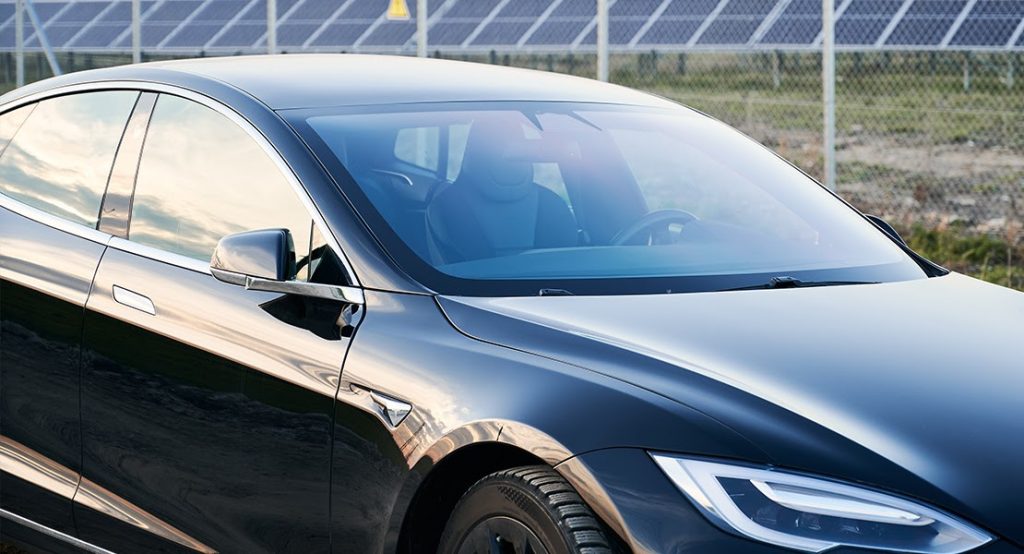
California has pretty strict laws around windshield tinting - the only area where any film is even allowed is a four-inch strip along the very top edge. Even that small section has its limits, though - the strip has to stay non-reflective. Any dark or mirrored film on the rest of your windshield is not an option.
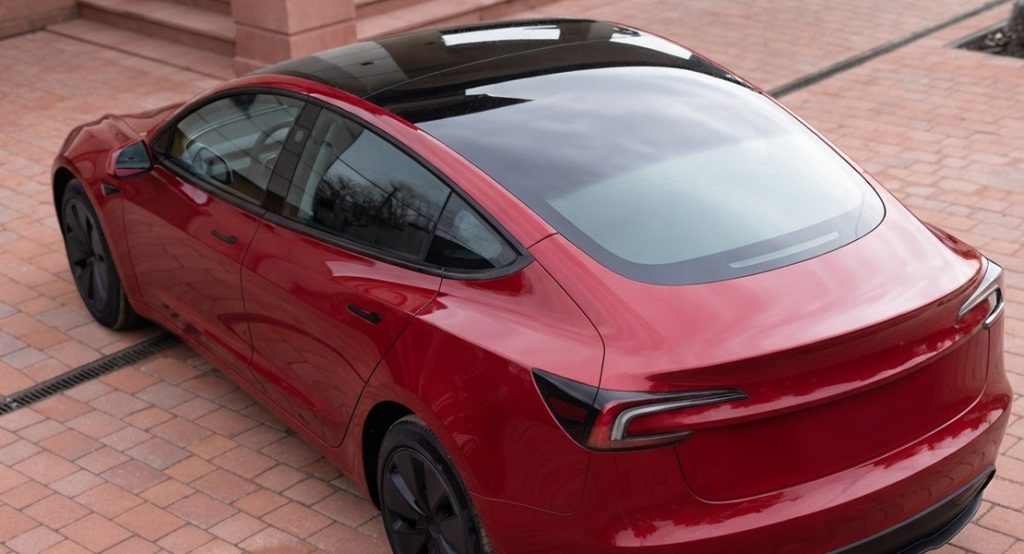
This is one of the more common mistakes that I see. The panoramic roof glass flows right into the rear of the car, which makes it easy enough to lump it together with the rear window when you're planning your tint. The roof is its own separate section of glass, and California's tint laws don't treat it the same way they treat the rear window. Treat it the same as the rear window and your whole tinting plan could turn out non-compliant before you even get started.
The rear window actually gives you a fair amount of flexibility - California is noticeably more lenient back there. The roof glass directly above it is a whole other situation, though. That said, before you lock in a choice on tint darkness or on coverage area, it pays to get familiar with how your car is laid out and with just where each section of glass starts and stops.
Why Ceramic Tint Works for the Model 3
California's 70% VLT minimum for front side windows is one of the stricter limits in the country, and it's left quite a few Model 3 owners unsure whether window tint is even worth the effort. But a ceramic film applied right at that legal threshold can still block a significant amount of heat and nearly all UV radiation - so the real day-to-day benefit is still substantial.
The Model 3 makes this more of a concern than it would be in a traditional car. With the glass roof, the large rear window and the wide windshield all combined, the sun has a massive amount of surface to work with. All that glass lets heat build up in the cabin at a much faster rate, and in a California summer, that extra heat puts strain on the battery just to keep up with the air conditioning demand.
Ceramic film deals with this much better than dyed film, and there's a reason for that. Dyed film is a more budget-friendly option and does block a decent amount of light. But it fades over time and doesn't do much against infrared heat. Ceramic film does cost more up front. But it rejects heat in a very different way and holds up far longer without peeling or losing its color. Plenty of Model 3 owners go straight to ceramic for this very reason - because the climate system doesn't have to work as hard in a cooler cabin, which does quite a bit to preserve battery range during the hottest months.
California does actually have a medical exemption for tint on side windows - and it's a genuine option worth considering. Anyone with a qualifying medical condition can install film below the standard limit, as long as you keep a signed letter from a licensed physician in your vehicle at all times. For anyone who needs it, it's a valid and legal path to take.
Darker Front Tint With a Medical Exemption
California does actually make an exception for drivers with a genuine medical need for protection from the sun. A documented condition like lupus or extreme light sensitivity can qualify you for a medical exemption, which then lets your front windows carry sun-screening material that would normally exceed the standard legal limit.
A signed statement from a licensed physician or surgeon is what you'll need to make this work. That document has to stay in the car with you at all times - a police officer can ask to see it at any traffic stop. Without it physically in the car, your tint gets treated as if it's illegal, whatever your medical situation is, so the best move is to keep it in your glove box and just leave it there permanently.
Before going down this road, it's worth asking yourself whether a medical exemption applies to your situation. If sunlight causes you pain or is a genuine health concern, a conversation with your doctor is the right move. A physician-based exemption exists for a reason, and it's a legitimate option for those who need it. What it's not designed for is giving you a darker look on your vehicle. Abuse the exemption, and you can land yourself with fines, and you'd also be stuck paying to have the tint removed - the cost adds up pretty fast.
For anyone who qualifies, professional installation is worth it. An installer will know not only how to apply the tint so it still lines up with what the exemption calls for, but also what documentation you need to stay covered. From what I've seen, DIY attempts at this usually go wrong in ways that are expensive and frustrating to sort out. The exemption process already has enough steps on its own - a bad installation job just piles on more.
Have a Pro Handle the Hard Part
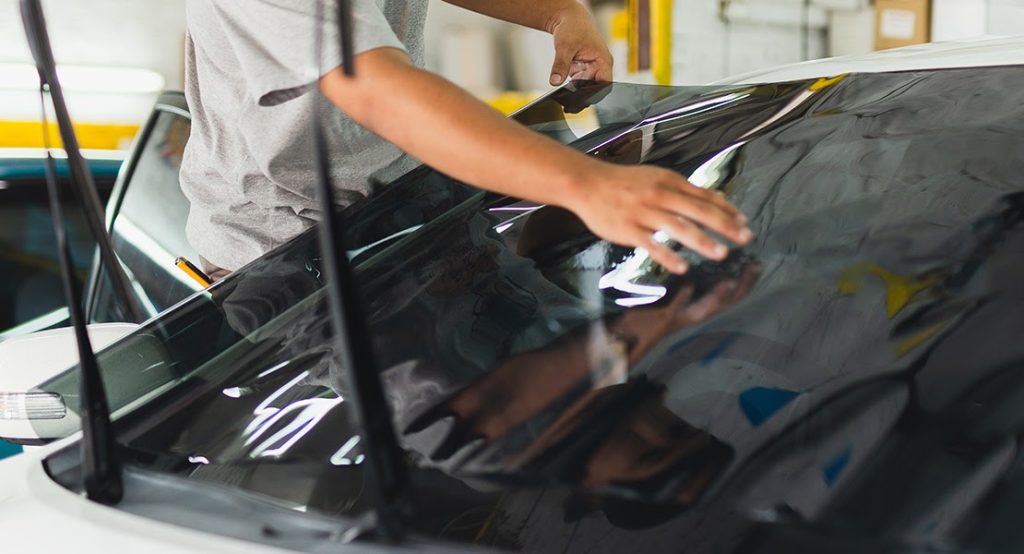
Regardless of whether you qualify for a medical exemption, the next step is to have the tint installed by a certified professional. A skilled installer will measure the visible light transmission on each of your windows and verify that everything falls within California's legal limits. What matters just as much is the documentation they'll hand you at the end. That paperwork is your proof that the tint on your car is legal.
That paperwork is well worth holding onto. If an officer ever questions your tint during a traffic stop, you can just hand it right over, and it all gets wrapped up in about 30 seconds - no citation, no follow-up, no headache.
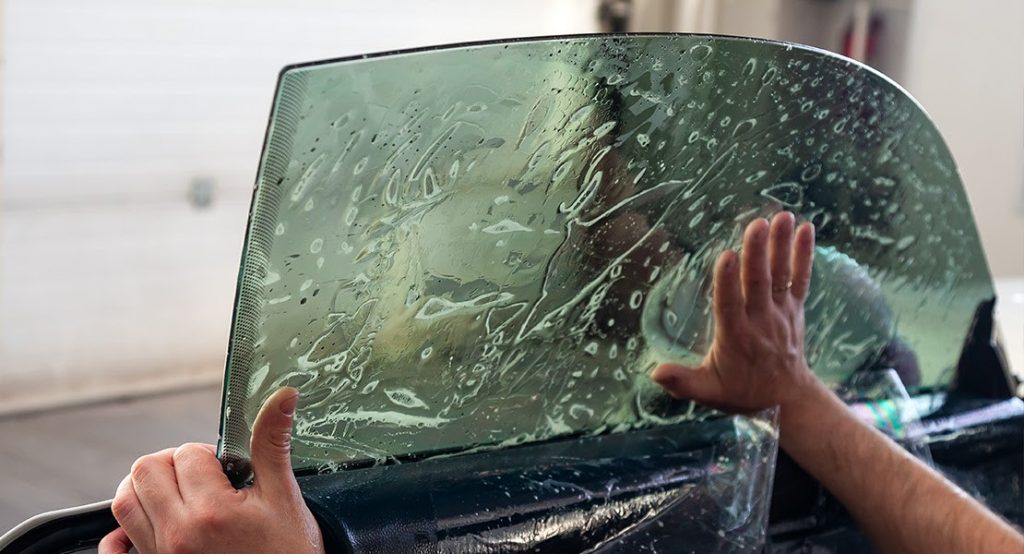
DIY installs are a very different situation on a Model 3 and not something I'd usually recommend. The rear window is large, and the glass is curved, which makes it hard for the film to lay flat and smooth. A bubbly or uneven result usually means that you'll have to tear it off and start over - and at that point, you've spent money, lost a chunk of your time and burned through a whole lot of patience on something that a professional would have done right the first time.
After your tint job is done, keep your compliance paperwork somewhere accessible - the glove box works great for this. It's also worth having your exact VLT percentages for each window memorized, because if an officer ever asks, you'll have an answer ready instead of a shrug. California doesn't actually make you carry tint documentation on you at all times. That said, a copy in the glove box has a way of turning what could be a long traffic stop into a quick exchange.
Be Prepared for a Traffic Stop
No one looks forward to getting pulled over. But a little preparation ahead of time can make the whole experience much less stressful. The best step that you can take is to have your tint paperwork in the glove box where it's easy to hand over - no fumbling around while an officer is standing at your window. Any medical exemption paperwork should be in there as well.
Your paperwork should come from the installer and include the film's VLT rating, the brand and product name, and confirmation that it meets your state's legal limit. Some installers will give you a printed certificate, and others give you a sticker on the film itself. In either case, make sure that you have something in writing that shows the percentage. A photo of it on your phone isn't a bad idea either. But the physical copy is what matters to you the most during a stop.
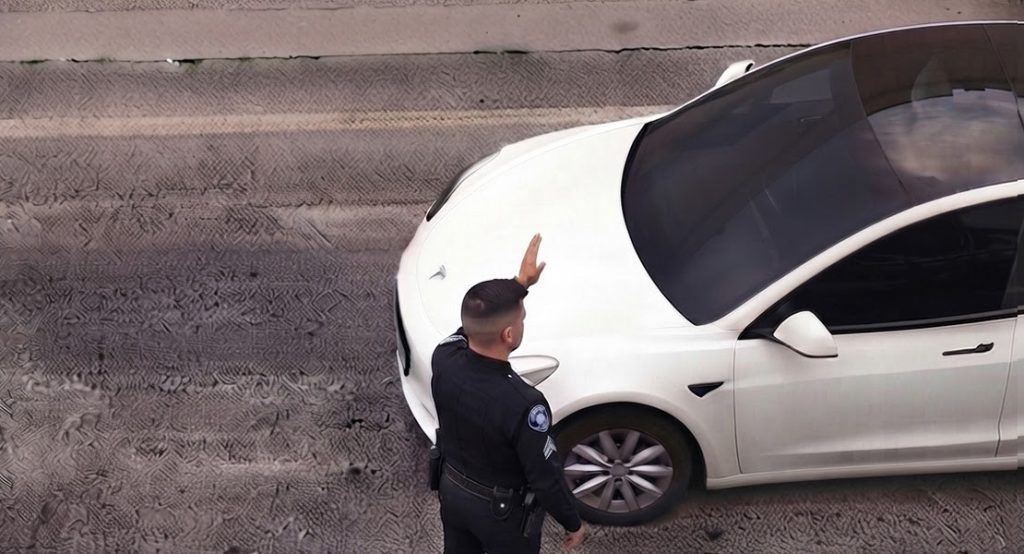
Some officers carry handheld VLT meters and are well within their rights to test your windows right there on the side of the road. There's no reason to be nervous about any of that. If your tint was installed correctly and your paperwork is with you, the meter will confirm what your documents already say - that's the end of it.
It also helps to just be cooperative with the officer. Let them know first that you have paperwork ready and where it is. Most traffic stops related to window tint are quick and routine. If everything checks out, then you'll probably be back on the road in just a few minutes.
Transform Your View with Professional Tinting
A little homework before you ever walk into a shop does matter. The 70% front window law, the roof glass specs, the difference between ceramic and dyed film, the exemption process - none of this has to feel too tough once you see how it all works. What you get is a car that runs noticeably cooler, shields you from UV exposure and gives you zero reason to stress at a traffic stop.
Legal tint is not a compromise - not even close. A well-chosen ceramic film at the legal limit still holds up well against heat and UV damage, and the rear windows give you actual flexibility for privacy. Most Model 3 owners who go through this process walk away very happy with how much a compliant setup delivers. The goal was never to go as dark as possible - it was to stay comfortable, protected and street-legal all at the same time, and that's very easy.
Whenever you're ready to move forward, we'd love to help here at OC Tint Shop. We've done this on thousands of vehicles all across Orange County, from Newport Beach to Anaheim - and the Model 3's glass layout is something that we know extremely well. Every installer on our team uses premium ceramic film, stays well within California's legal tint limits and makes sure that you walk away with the right documentation to back it all up. A free consultation is a great first step, so feel free to reach out and see what a clean, legal, professional installation looks like from beginning to end.