
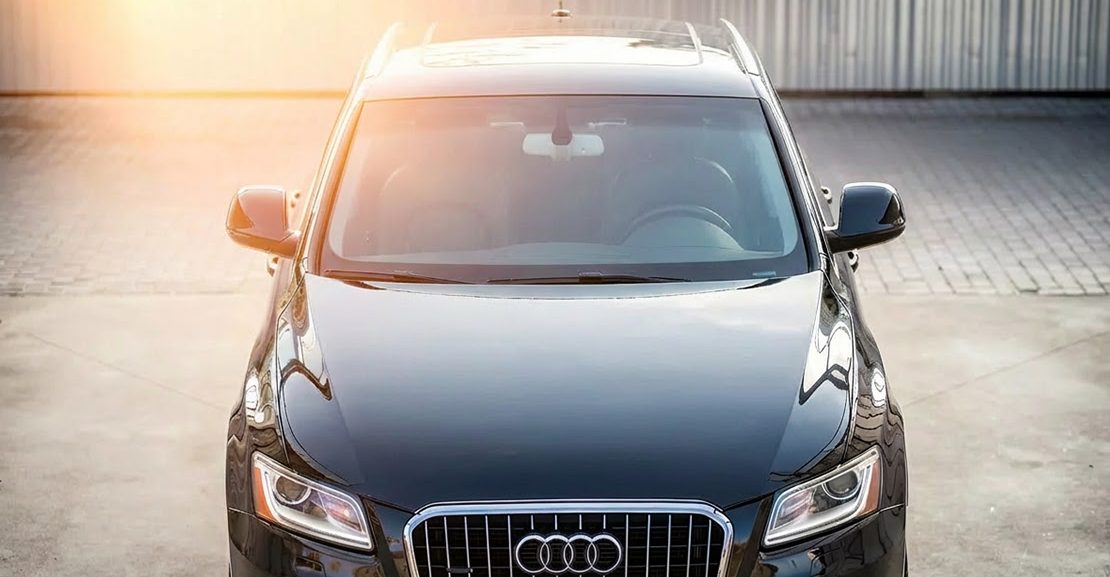
California’s sun can turn your parked car into an oven in just minutes. Air conditioning will cool the interior when you get on the road, of course. Anyone who’s ever grabbed a scorching hot steering wheel on a summer afternoon knows what I’m talking about – the seats burn through your clothes, the dashboard is too hot to touch and just about everything inside is radiating heat. Window tint looks like the obvious fix for this problem. Traditional film darkens your windows and gives you privacy. What it doesn’t do is block the heat from coming through the glass. Plenty of drivers spend serious money on film that looks great but fails to make their car any cooler.
About half of the solar heat that gets into your vehicle actually comes from infrared radiation. Infrared wavelengths are invisible, and the problem with them is that they pass right through standard tinted windows even when the visible light gets blocked. Modern IR-rejection technology goes after these heat-causing rays directly, and it does this without the heavy darkness that California’s strict 70% light transmission law won’t allow on your front windows. Old-school dye film compared to advanced IR-blocking ceramic is almost like putting sunglasses up against a heat shield – they’re not even in the same league!
California drivers face some of the most intense sun exposure in the country, especially if you park outside or commute during peak daylight hours. Interior temperatures can climb past 140 degrees F on a hot day, and that heat does damage over time – it cracks dashboards, fades upholstery and forces your AC system to work way harder than it needs to. Window film blocks most of that heat right at the glass before it ever has a chance to get into the cabin. You’ll use less fuel, your interior will stay in better condition for longer, and you’ll get solid UV protection on those long drives across the state. Premium ceramic and crystalline films are available now that can reject as much as 95% of infrared heat and stay legal on every window.
Here’s what infrared rejection is and why California drivers should care!
Why Your Car Gets So Hot
Every day, your vehicle gets hit with three different types of solar energy, and they all affect it differently. Visible light is the basic one – it’s just the light that lets you see colors and shapes. Ultraviolet radiation (UV rays) is what damages your skin on long drives and slowly fades your dashboard and seats over time. Infrared radiation is the third type, and it’s the main culprit behind that heat buildup inside your car.
Infrared radiation ends up being the biggest factor in how hot and uncomfortable your car gets. Around 53% of the solar heat that builds up inside actually comes from infrared alone – so over half of your total heat problem is from that source. Infrared wavelengths are invisible to the human eye, and this makes them a little deceptive. Your skin picks up on it quickly, and every surface inside the cabin absorbs it as well.
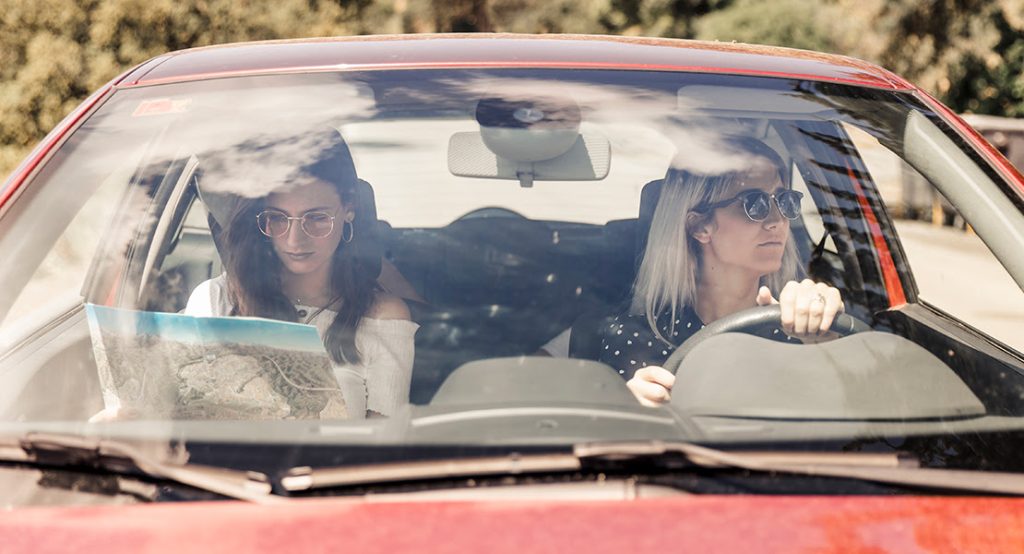
Traditional window tint operates on a pretty basic principle – it blocks out visible light to make everything darker. This helps cut down on glare and gives you more privacy inside your vehicle. The effect is like wearing a pair of sunglasses as you drive – your eyes are more comfortable because less brightness is coming through the glass. Many drivers believe that darker windows will automatically make their car cooler on hot days. The logic seems to make sense on the surface. But visible light reduction doesn’t directly translate to temperature control.
Modern films with infrared rejection take care of the problem differently. Traditional window films were all about getting darker to cut down on visible light. Infrared rejection films target something else – the invisible heat waves that pass through your glass. These films let a decent amount of visible light come through. But at the same time, they’re blocking a large portion of the infrared energy that heats up your car. The result is an interior that stays much cooler without your windows needing to look very dark from the outside.
Two cars are parked side by side in a parking lot, and from where you’re standing, the window tint on each of them looks almost the same. The first car has an older type of tint film – the kind that mainly just makes your windows darker to help cut down on glare. The second car has what’s called an infrared rejection film applied to the windows, and both cars have been sitting out in the hot sun for a couple of hours. Open the door on that first car, and it’s going to be pretty uncomfortable inside. Walk over and open the door on the second one (with the IR film), and the interior is going to be way cooler – it functions more like a thermal barrier than just a tinted shade.
The Legal Way to Block California Heat
California has some of the strictest window tint laws in the entire country. State law says that the front side windows have to allow at least 70% of visible light to pass through them. Simply put, the windows on either side of your front seat are going to need to stay fairly see-through and transparent.
That’s a genuine problem for most drivers. It’s a big deal to block out the intense heat from the sun for comfort. At the same time, you have legal restrictions in every state that have to be followed. Traditional dark tints work extremely well at keeping that heat out, and they’ve been the standard way to deal with it for decades. But they’re also going to get you pulled over pretty fast in most areas.
Infrared rejection technology was made to solve this exact problem. The film blocks out those invisible infrared rays (those are the ones that are responsible for all that heat buildup). But it still lets most of the visible light come right through. With this type of film, you can meet that 70% visibility threshold and still manage to reject most of the heat that would otherwise turn your car interior into an oven.
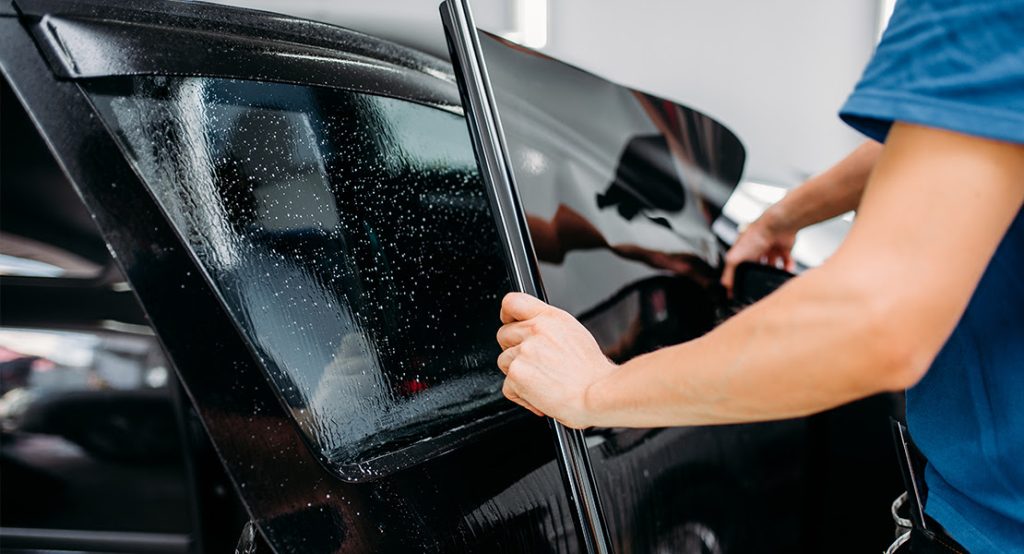
The California Highway Patrol deals with the enforcement of these tint laws, and officers can pull you over if they suspect your windows are too dark. They’ll test your tint with a light meter right there on the side of the road and measure the exact transmission percentage. Failing that roadside test will get you a fix-it ticket – usually with fines attached to it as well.
Ceramic and crystalline films are solid options for California drivers who need to work around this problem. These film types use some pretty high-tech materials that can block out the infrared wavelengths, and they don’t make your windows look much darker at all. The cabin temperature in your vehicle stays a lot more comfortable on hot days, and everything remains well within the legal tint limits at the same time.
These films work well because they actually deliver both benefits at the same time. You won’t have to choose between staying on the right side of the law and keeping all that heat out – and that’s a large consideration when you’re driving through the Central Valley in the middle of July or stuck in Los Angeles traffic with the sun beating down hard on you.
Different Window Films That Block Heat
California drivers who want infrared rejection window film actually have quite a few different technology options to choose from, and they all block heat in different ways. Every one of them comes with its own set of benefits and drawbacks.
Metallic films were the first type to hit the market, and they got their name for an obvious reason. The film contains thousands of very small metal particles that bounce back infrared radiation before it can heat up your car’s interior. So they’re effective at keeping your vehicle cool on hot days. The metal comes with a downside, though. That metal in the film can interfere with your electronic signal. Your GPS navigation might lose accuracy, and electronic toll transponders may fail to register as driving through toll booths if you install metallic film on your windows.
Ceramic films work a little differently than the metallic ones. Instead of metal, these films are made with nano-ceramic particles that block infrared energy from passing through your windows. Your phone, GPS and toll pass will all continue to work without any interference whatsoever. Most ceramic films you’ll see on the market can reject between 80% and 90% of infrared radiation, and they still let enough visible light through so you can see just fine out your windows.
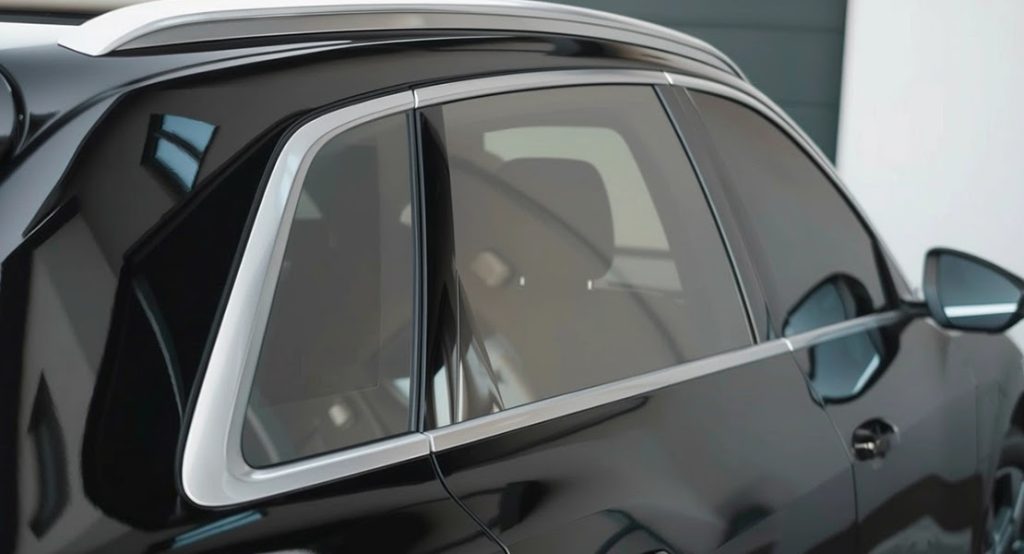
Crystalline films are another solid option for window tinting. The technology behind them is pretty clever – they’re made up of hundreds of ultra-thin layers that are all stacked on top of one another, and each one helps filter out infrared wavelengths (that’s where most of the heat actually comes from). Like ceramic films, crystalline options are metal-free, and they won’t cause any problems with your phone signal, GPS or any other electronics in your vehicle.
Much of this technology was developed for aerospace and defense projects. NASA needed ways to handle extreme temperature swings in space (hundreds of degrees difference between sun and shade). Military vehicles needed heat protection, too. But the solutions needed to add no weight or bulk and cause zero interference with communications. Car manufacturers eventually realized they’d use these same materials in everyday vehicles.
Modern window films have become very effective at what they do. The ceramic and crystalline films available can block around 85% (or even more) of the infrared heat that would otherwise pass through your windows and heat up your interior. Go back 20 years or so, and metallic films were all that anyone had available. Back then, if you’d said we’d eventually achieve this level of heat rejection, most experts would have thought you were dreaming.
Pick the Right Heat Protection Level
The right level of infrared rejection for your vehicle is going to depend quite a bit on where you live and how much time you spend on the road. A regular commute through the valley on I-5 is a different experience than a coastal drive – the sun exposure is dramatically higher, and the heat builds up inside your car much faster. Getting that intense solar heat day after day means the amount of protection you need is going to be quite a bit different than occasional driving or staying in milder climates.
Most window tint films are going to list something called a TSER rating somewhere in their specs, and this number is actually one of the main factors you should look at when you choose a film. TSER stands for Total Solar Energy Rejection, and it’s a technical way of describing how well the film blocks out solar energy before it gets a chance to heat up your car or building. A film with a 50% TSER rating is going to cut the amount of heat that comes through your windows right in half. Films with a 90% TSER rating work even better because they’ll stop almost all that solar energy from coming inside.
Heat rejection ratings from 50% all the way to 90% really change the comfort level inside your vehicle. Films at the lower end of that range help with glare, and they’ll cut down on a decent amount of the heat coming through your windows. Films at the higher end of that range can change how it feels to sit in your car on a scorching summer day. Most drivers wind up turning their air conditioning down to a much lower setting than they normally would.
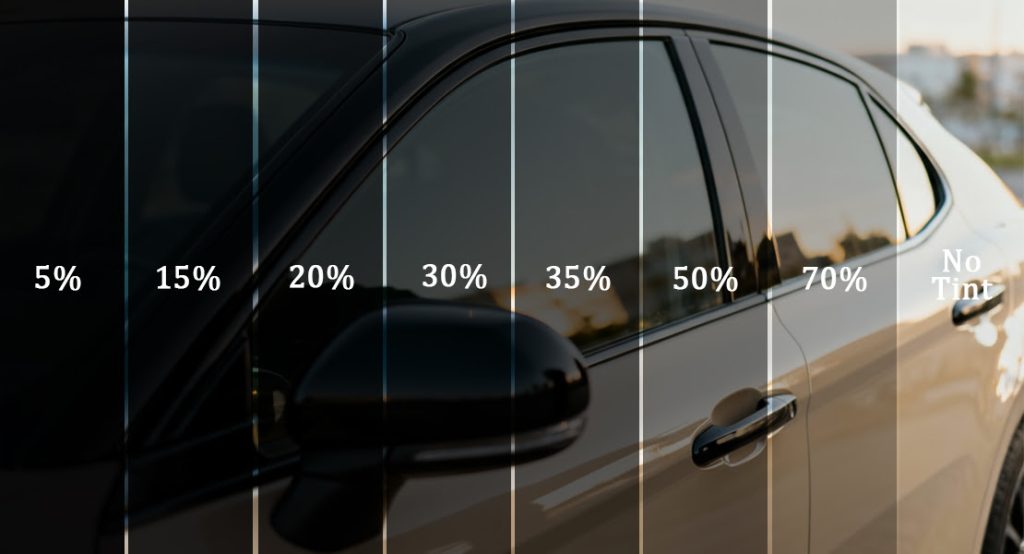
Films with the highest heat rejection are going to make you the most comfortable on brutal summer days when the sun is relentless. These top-performing films do cost more upfront, though. Films with metallic content can also interfere with your phone’s signal or create problems with electronic toll readers. Your budget probably matters too, and films with better rejection performance usually have a higher price tag per square foot.
Living in California makes warranty coverage matter quite a bit. The sun beats down harder and stays out longer each day than it does in most other parts of the country. A solid warranty is going to protect you in case the film starts to fade or peel after a couple of years. Make sure to ask about what the warranty actually covers and how long it lasts.
Installation quality matters just as much as the film you choose, and in most cases, might actually matter more. Poor installation is going to give you bubbles, peeling edges and a handful of other annoying problems that usually show up pretty quickly once your windows start taking direct sunlight every day. A professional installer will take the time to prep your glass correctly and apply the film in a way that prevents any defects from showing up months or years later.
Transform Your View with Professional Tinting
California’s climate can be rough on drivers, and the window film technology has improved quite a bit to block the heat and stay within the state laws. Sit in a car with standard glass and then switch to one with high infrared rejection film, and you can tell the difference.
OC Tint Shop has worked with drivers all across Orange County for years, and we help them turn their hot, miserable cars into cool, protected spaces that feel much better. We’ve completed thousands of installations in every neighborhood from Newport Beach to Anaheim, and every car gives us another chance to show how well the ceramic and crystalline films actually work. Our technicians know the ins and outs of California’s tinting laws, and you’ll get outstanding heat rejection, and you won’t have any legal problems. If your steering wheel burns your hands on summer afternoons, or if your dashboard has faded and cracked from too much sun, we can take care of it.