
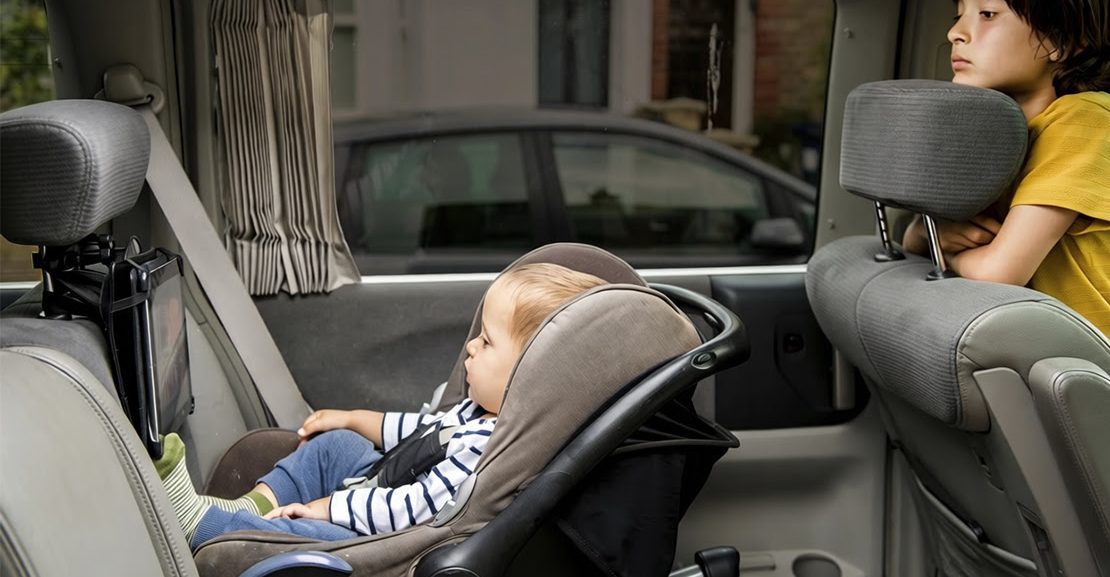
California’s window tint laws actually give parents some great protection options for their kids, though most families don’t know about them. The front windows have to stay at 70% of visible light transmission – that’s the law across the board. The rear windows are a different story, though. Those back windows, the ones where your car seats are actually installed, can be tinted as dark as you want them to be. Parents can get professional window films installed back there that block as much as 99% of the harmful UV rays and a lot of the heat, and it’s all legal.
Families can choose from three main types of film, and each does a slightly different job. For families mostly worried about keeping the car cool, ceramic film does the best job at blocking the heat from coming inside. Crystalline film is a great choice when visibility matters most – it stays see-through so you can check on your baby in the back seat without the tint in your way. For families with children who have light-sensitive skin conditions, medical exemption film is made to give them the extra sun protection that they need. Any of these three options will give you a big upgrade over whatever standard glass your vehicle came with from the factory.
Let’s talk about which window film will help your little one stay safe and comfortable!
California’s Window Tint Laws for Your Family
California’s window tinting laws are actually pretty simple to follow. The front side windows on your vehicle need to allow at least 70% of visible light to pass through them. Vehicle Code Section 26708 is the law that covers this, and what it means for you is that the front windows can only have a light tint applied to them.
The rear windows are where the law gets a lot more relaxed in California. The state doesn’t place many restrictions on what you can do back there at all, and it means you’re free to tint them just about as dark as you’d like.
For parents with babies or young children in the backseat, this works out very well. The windows right next to your child’s car seat can be tinted down to 5% VLT (which is very dark), and at that level, it’ll block out most of the harsh sunlight that comes through on long drives. And yes, it’s legal!
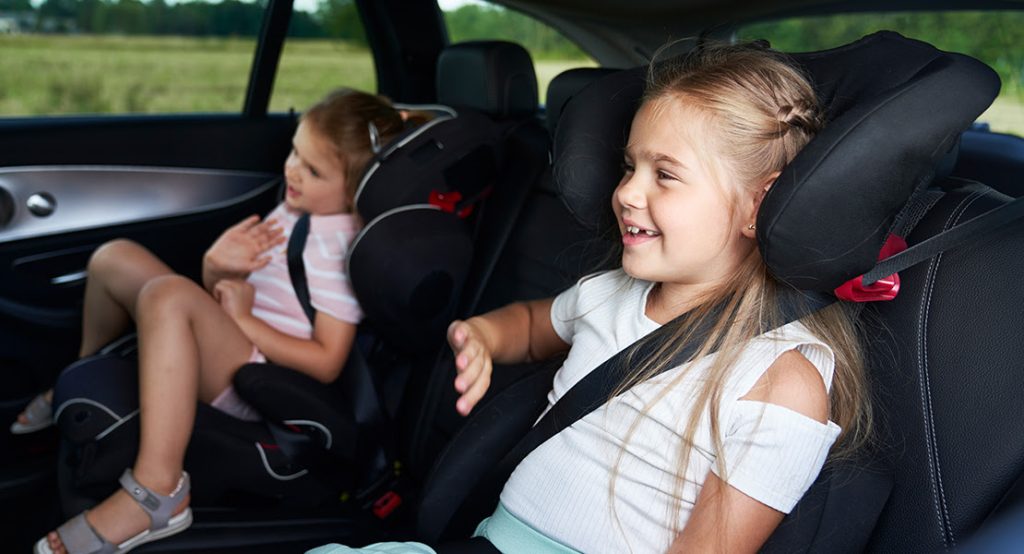
It makes sense if you look at where these car seats end up. Most rear-facing infant seats and convertible seats go in the back row of your vehicle. Those back windows are where California law has the most flexibility, and it means you can add a darker tint and get some great protection for your kid without any legal problems.
Most states have tinting laws that apply to every window on your car, and this doesn’t leave you with much to choose from if you want privacy or sun protection in the back. California’s approach is a little different, though – the law mostly cares about drivers being able to see well through the windshield and front windows. This gives you a lot more flexibility with how dark you can go in the back. For parents who have kids sitting in the back seat and want to protect them from sun exposure and heat, it’s actually pretty great.
The 70% limit for front windows will still give you some decent glare reduction and UV protection. What makes this work well for parents is what you can do in the back seat – the place where your child spends most of their time during every drive. Back there, you’re free to go much darker and to create a much more comfortable space for them, all without worrying about tickets or any other penalties.
Ceramic Film for Your Heat Protection
Ceramic window film tends to be the most popular option for parents who have babies in the car when heat protection is a top priority. A quality ceramic film can reject as much as 80% of infrared heat radiation, and it does this without any metal particles mixed into the material. Infrared heat is actually the main culprit for why your car feels so unbearably hot on a sunny day.
Babies don’t have the same ability to regulate their body temperature that adults do. Their small bodies heat up way faster than ours, and once they get overheated, it can take them much longer to cool back down. A car seat sitting right next to a window means your baby is going to have the sun beating down directly on them for your entire drive. Ceramic window film works to block out that infrared heat before it can even pass through the glass and enter the cabin of your vehicle.
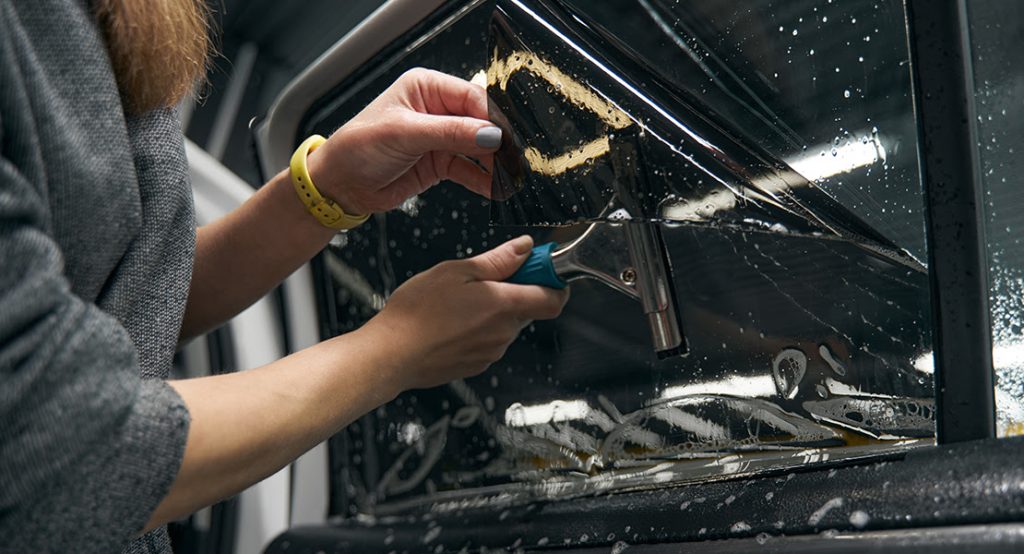
Ceramic film has a big edge over the metallic options – there aren’t any metal particles in it at all. Your garage door opener is going to work just fine when you get home, and your cell phone signal will stay strong, too. Parents who spend hours and hours behind the wheel already know how much it matters to be reachable at all times.
Ceramic film matters for temperature control during those intense California summers. The inside of your car stays noticeably cooler because the film blocks the infrared rays before they can heat up your interior. Your AC system doesn’t need to work nearly as hard, and everything cools down much faster when you turn it on. Parents especially love this benefit when they have a baby strapped into a car seat on a hot day.
Ceramic film technology is built around nano-ceramic particles instead of the dyes or the metals that traditional films use. The particles work really well to block the infrared heat. But they don’t get in the way of your ability to see through the glass. What this gets you is heat protection for your vehicle without needing an ultra-dark tint that would make it hard to see when you drive at night.
Clear Films That Keep Perfect Visibility
Crystalline films are another great option to protect your baby, and you won’t lose any visibility with these products. Products like 3M Crystalline and LLumar CTX are designed a bit differently than ceramic window tints. These films won’t darken your windows even a little bit – they block UV rays and reject heat without changing how see-through your glass looks. Plenty of parents like this when they want full visibility but still need protection from the sun.
Parents with babies in the backseat need great visibility – it’s a big deal when you’re behind the wheel. Most of us check the rearview mirror constantly just to monitor that little passenger. A quick glance will usually tell you if your baby is awake, asleep or in the middle of a meltdown. It’s also one of the easiest ways to see when something could be wrong during your drive, and it beats the need to pull over or twist around in your seat to get a better view.
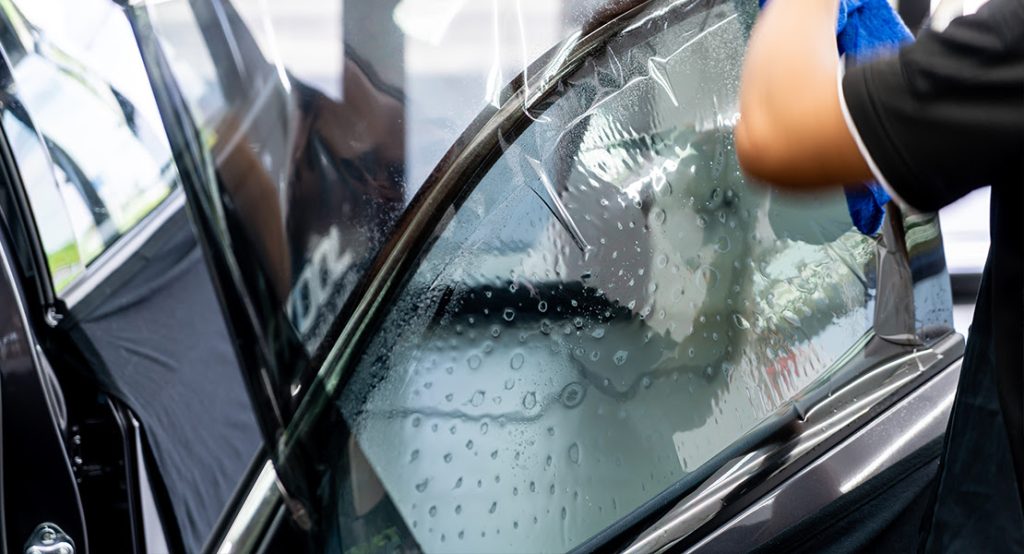
Crystalline film works differently because it uses a few thin layers instead of dyes or metal coatings. Each one of these layers works together to push heat away from your car, and they won’t give you that dark or mirrored look most tinted windows have. Your windows stay see-through enough for other drivers to see inside, and it helps with safety since you can still make eye contact with others at intersections.
California parents are big fans of crystalline films, and for an obvious reason – they work very well in bright sunshine. Park in the direct sun for even a few minutes, and the film blocks enough heat to keep your baby comfortable in the backseat. The UV protection is as strong. Harmful rays that would normally pass straight through regular car glass get stopped before they reach your baby’s delicate skin.
The one area where crystalline films don’t quite match up is in the price. Crystalline options usually run quite a bit higher than other window film varieties. Even at that price point, plenty of parents feel like the extra cost is justified because they get protection and perfect visibility at the same time. Not many products can block heat and UV rays and still give you an unobstructed view from the front seat.
Extra Dark Shade for Health Cases
Some babies and young children need a lot more sun protection compared to what standard window film can give them on its own. Kids who have skin conditions that get worse in direct sunlight, or those with medical problems where sun exposure creates risks that matter, may actually qualify for a medical exemption in California. This exemption lets parents install much darker window tints compared to what the state normally lets you have on vehicles.
To get a medical exemption in California, the whole process starts with your child’s doctor. Your doctor is going to need to write a letter that describes the medical condition and explains why your child needs that extra layer of protection from UV rays and direct sunlight. When you have that paperwork in hand, you can submit it to the right state department in California to get it reviewed and approved. When that approval comes through, you’ll be allowed to use darker window tints compared to what the average driver on the road is legally permitted to have.
A handful of medical conditions will usually qualify for these exemptions without too much trouble. Albinism and lupus are probably the two most common ones that will get accepted pretty fast. Very bad eczema might also get your child approved for an exemption if the exposure to sunlight tends to trigger flare-ups or make the symptoms more intense.
Medical exemptions are a legal option, and they’re available for families whose children actually need one. If your baby has been diagnosed with a condition that makes sun exposure risky or dangerous for them, it’s worth it to sit down with your pediatrician or dermatologist to talk through whether this could be right for your situation. Your doctor can explain what paperwork you’ll need to give them, and they can also help you work out if your child’s condition would make them eligible for the exemption.
Safe Installation Options for Your Baby
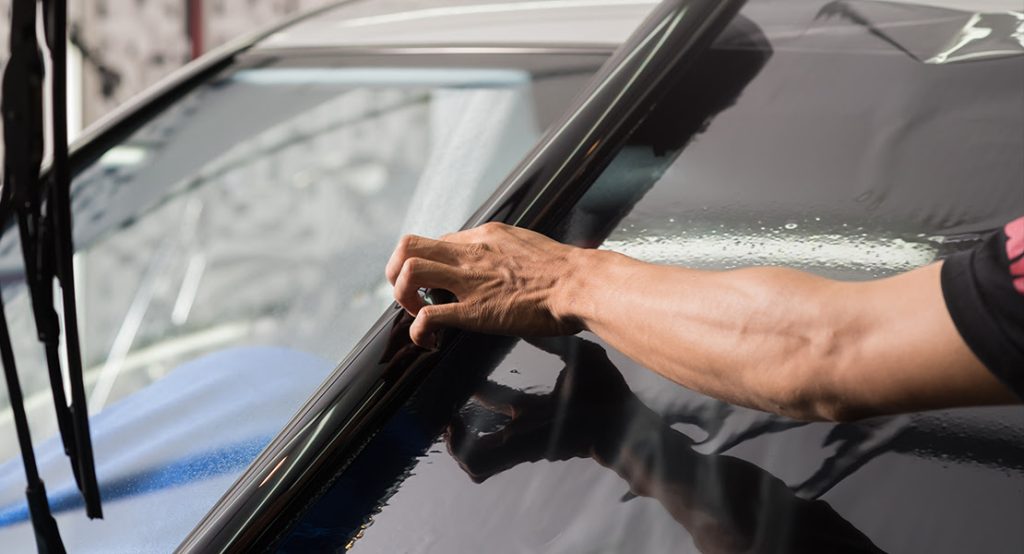
After you’ve picked out the right window film for your car, you’ll need to work out how you’re actually going to get it installed. You’ll need to decide whether to do this yourself or hire a professional who can take care of it for you. For films that are made to block heat and protect against UV rays, a professional installation is usually going to give you better results.
Window film actually takes a bit of time to cure after the installation is done. The whole process can take anywhere from a few days to a couple of weeks, and the exact timeline depends on the weather conditions and the humidity levels where you live. As the film is still in that curing phase, don’t be alarmed if you see a little haziness or some small water bubbles trapped underneath the surface. This happens with every installation, and those imperfections will disappear on their own once everything has had a chance to bond and dry out! Parents also sometimes worry whether fresh window film might give off any fumes or strange odors that could have been harmful around a baby. What’s great is that quality automotive window films are manufactured to be safe after they’ve been applied to your windows, and they’re not going to emit any dangerous chemicals into the air inside your vehicle.
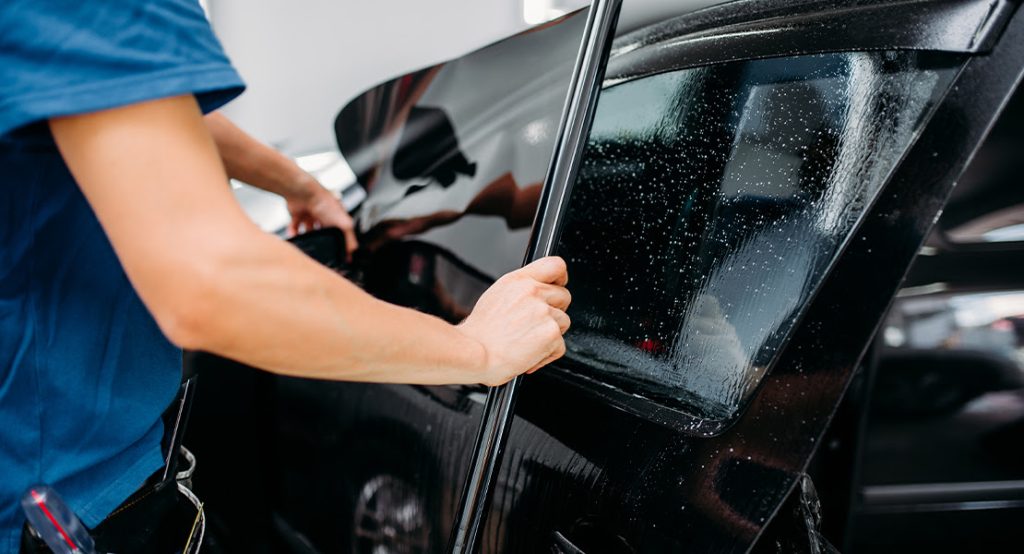
If the film starts to bubble or peel away from the glass, those loose sections can become a safety concern for anyone in the back seat – it’s another reason that I usually recommend professional installation if you have kids riding back there. A quality installer will make sure each edge gets sealed right, and the film sticks to your windows just the way it should.
Installation actually moves along pretty fast. An experienced installer can wrap up a full car in between 2 and 4 hours, sometimes faster. Leave your car with them in the morning, and you can pick it up later that same afternoon. A turnaround like that works when you’re trying to coordinate around nap times and still keep your usual schedule on track.
Pick the Right Film for Your Family
All three of these window films work well. But the right one for your family is going to depend on how you actually use your car with your baby. Mostly running short errands around town means you’ll have pretty different needs from parents who make longer drives across the valley a few times each week.
Heat rejection matters a lot more if your car sits in the direct sun most of the day or if you usually take longer drives with your baby. A quick 15-minute grocery run is manageable enough. A 2-hour drive to visit the grandparents creates different challenges for keeping them comfortable. And if your little one happens to have sensitive skin or any medical conditions that make sun exposure a genuine concern, that brings in another big consideration to the whole equation.
The price is going to matter when you’re picking which film to buy. The lower-cost options work well for most families and still give them plenty of protection from the sun. When you spend a lot of time in the car, though, or when your baby has some medical problems that make sun exposure more dangerous, it makes a lot more sense to spend extra on the higher-grade films.
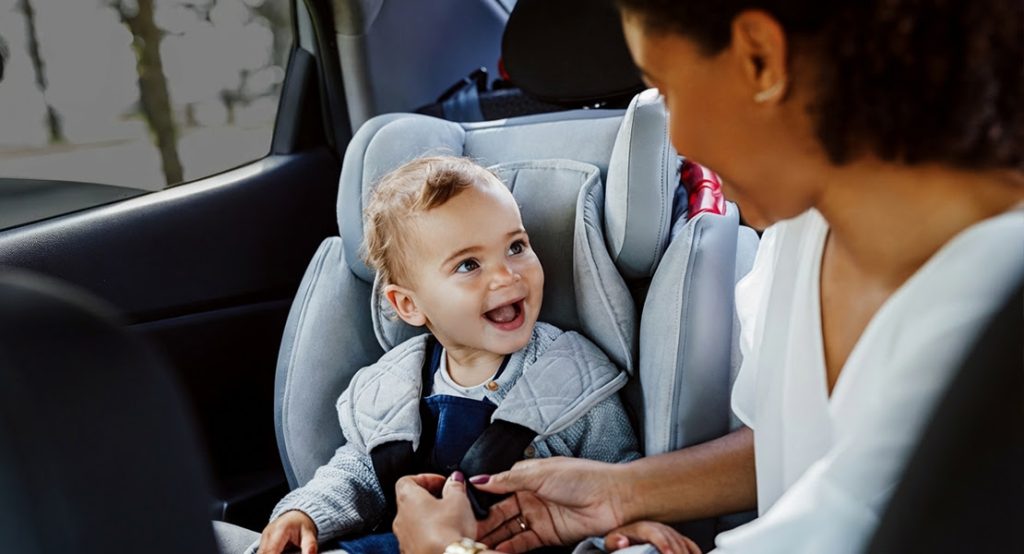
Another benefit that a lot of parents don’t think about right away is that these films will also protect the car seat itself from UV damage. Car seats are made with all kinds of fabrics and plastics, and those materials fade and break down over time when they’re exposed to direct sunlight day after day. That extra layer of protection helps you get a lot more life out of what is usually a pretty expensive baby gear item.
The right film is going to depend on what your family needs the most. Heat rejection will make your car cooler on hot days. Better visibility helps when you’re driving at night or in bad weather. Medical-grade protection matters if anyone in your family has health concerns or sensitive skin. Line these benefits up with what your family deals with on an everyday basis, and the choice makes a lot more sense.
Transform Your View with Professional Tinting
You can keep your baby safe from California’s harsh sun, and it doesn’t have to be hard. You can do it as long as you stay within the legal limits. California actually has tinting laws that account for parents with rear car seats and lets you install darker tint on your back windows right where your little one spends that time during regular drives. Ceramic film does an excellent job at blocking heat and doesn’t make your windows look overly dark. Crystalline film stays almost invisible to the eye as it protects your baby. Medical exemptions are available if your pediatrician determines that your child needs even more protection. It’ll serve you much better than the standard untinted windows when summer arrives and those afternoon drives turn your car into an oven.
Parents shouldn’t have to choose between a comfortable baby and what’s legal, and with the right window film, you won’t need to make any trade-offs. Every type of film does something a little differently, so the best option for your family depends on what matters most to you and what works with your budget.
OC Tint Shop has helped families all across Orange County for years, from Irvine to Costa Mesa and plenty of areas in between. Kids deserve to be safe and comfortable when they’re in the car, and most parents treat this as a top priority. We get why it matters to them. Every one of our installations follows legal standards, and we take pride in doing professional work that’s going to last. The window film materials that we use are specifically designed for California’s intense sun and heat without breaking down or losing their effectiveness.
We’d be happy to help you find the right window film for your family’s vehicle. Your baby deserves to stay cool and comfortable on every drive, and the right tint helps!