
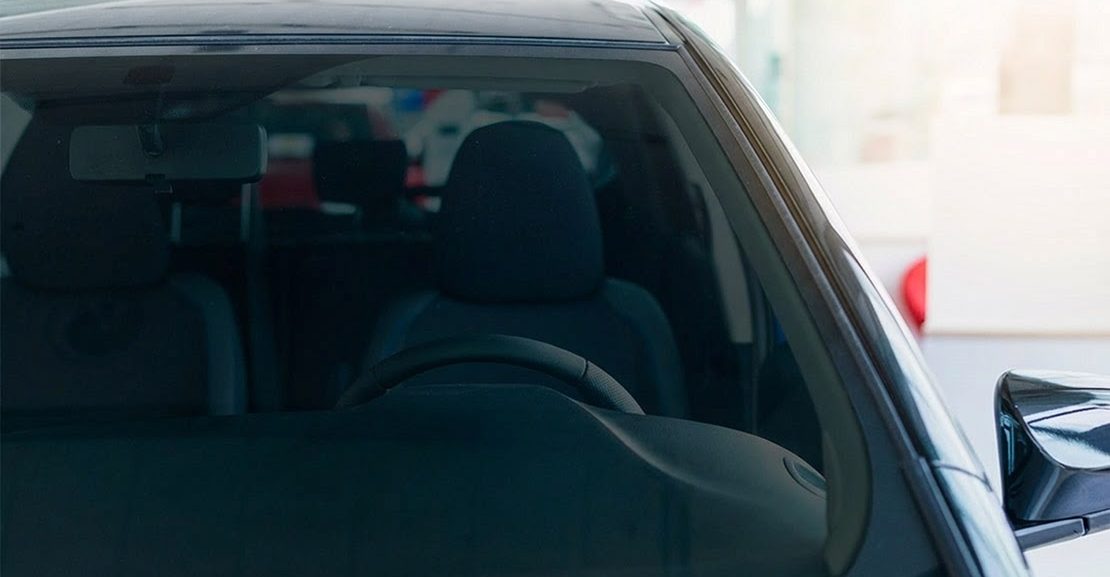
California drivers tint their windshields all of the time to cut down on the glare and stop their cars from turning into ovens during the summer. A lot of them don’t know until later that their FasTrak transponder might stop working once that tint is applied. Weeks go by, and then the violation notices for unpaid tolls start showing up in the mail – and this happens even when their account is active and has plenty of money in it. Thousands of drivers across California who use express lanes and the toll bridges to get around run into this exact same issue.
The metallic window tints will block the radio signal that your FasTrak transponder sends to the overhead readers at the toll plazas. Any film with aluminum, steel or other metal particles in it will disrupt the 915 MHz frequency that these transponders use to communicate.
Let’s go over what happens with window tint and your FasTrak transponder!
How Your FasTrak Radio System Works
FasTrak transponders work on a basic system, and it all runs on radio frequency communication. As you drive through a toll plaza, an antenna mounted above the lanes sends out a radio signal to your transponder. Once your device picks up that signal, it responds by sending back an identification code that’s connected to your account. This code tells the system who you are, and it lets the plaza automatically process the toll charge without you having to stop or roll down your window.
These systems run at a 915 MHz frequency, and that’s just the technical way of describing it – what type of radio waves the devices use to talk to one another. The signal needs to travel from the overhead reader down through your windshield to reach the transponder that’s attached to the inside of your car. Once it makes contact, your transponder sends its own signal back up through that same glass to finish up the exchange.
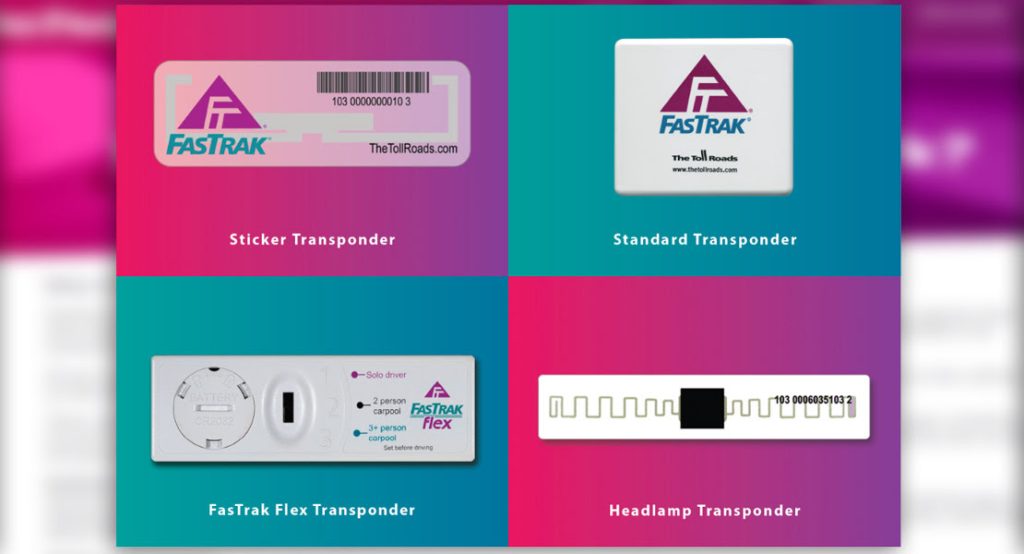
Radio waves have to travel in a straight line if you want them to work correctly, and your windshield happens to be positioned right in between the toll reader and the transponder in your car. When something gets in the way or weakens these radio waves, it can hurt how well the two devices communicate with one another, and you’ll start to run into problems.
Audio through a wall works as a comparison for radio frequencies. When you hear a person talking on the other side of a wall, some building materials will let most of that sound come right on through without much resistance at all. Other materials are going to muffle it heavily or block it out completely. Radio frequencies work the same way – some materials let the signal pass through easily. Other materials will either weaken the signal strength as it travels through them or they’ll stop it altogether.
The window tint material matters too. Not all tints are created equal – some of them have metals or other materials mixed in that block radio waves. Your transponder and the toll reader have to talk back and forth very fast as you’re passing through it, so if something is blocking or weakening that signal, you could run into problems.
Materials That Can Block Your Signal
Most window tints are going to work just fine with FasTrak and won’t give you any problems. A few types of film do have materials in them that can block or affect the radio waves that your transponder sends to the toll readers, and when that happens, you’ll run into problems at the toll plaza.
Metallic tints are responsible for most of the signal interference problems. These films have small aluminum or steel particles embedded right in the material. Metal blocks radio frequencies, and those particles stop the waves from making it through your windshield. Manufacturers add the metal to bounce back heat and to cut down on glare – not to cause problems for your transponder! The downside is that the same features that make metallic tint so effective at blocking heat also make it great at blocking your FasTrak signal.
Many ceramic films are sold as premium, high-end products with advanced technology built right into them. Some manufacturers will actually blend metallic parts in with the ceramic particles to help the film perform better. When films have this mixed formula, they can affect your transponder signal in just the same way that a pure metallic tint would.
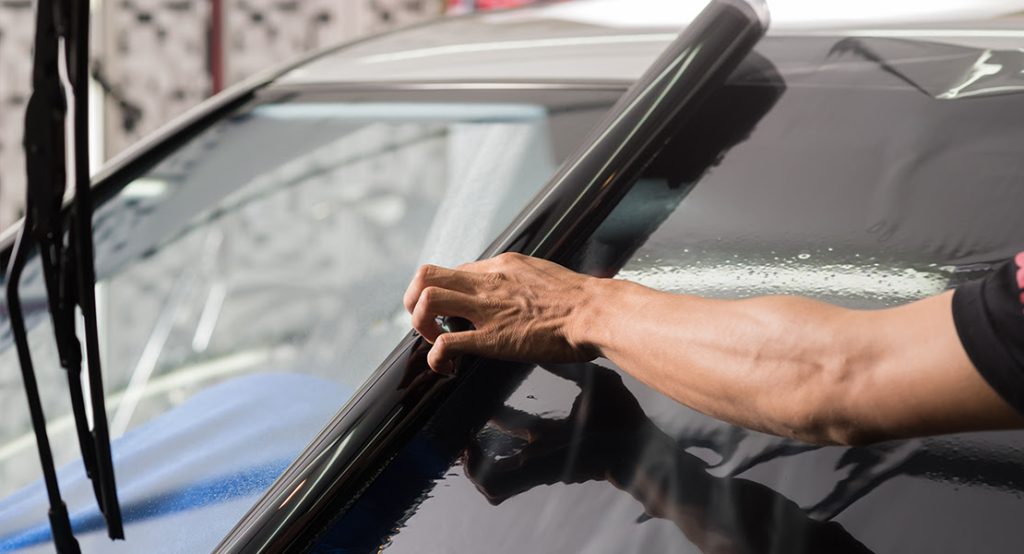
Window tints from the ’90s and early 2000s deserve some attention on this topic. Manufacturers back then relied heavily on metal in their film formulas because it was one of the best ways to block heat from entering your vehicle. These older films usually have much more metallic material than what you’ll find in modern products, which means they’re much more likely to block your phone and radio waves.
The great news is that you have plenty of tint options that won’t affect your FasTrak. Dyed window films are one option, and they work by layering colored dye to cut down on light and heat without any metal involved. Carbon-based films are another safe choice. Carbon particles do the heat-blocking work instead of metal and keep your transponder happy. In either case, your FasTrak signal will work just as it should.
When you shop around for new tint, make sure to ask about FasTrak compatibility before you move forward with anything.
Pick the Best Location for Your Transponder
The best place to mount your FasTrak transponder is right behind your rearview mirror. Most vehicle manufacturers use lighter window tint in that area, and some don’t apply any tint there at all. The reason is actually pretty basic – they need to leave that space open for features like rain sensors and cameras that won’t work the way they should through the darker tint. This also makes it a great place for your transponder because there’s far less material in the way to block the signal transmission. When the signal has a more direct path through it, your transponder reads more reliably at the tolling points.

Heavily tinted side windows are a bad choice, and I’d stay away from them completely. Mounting your transponder on a side window makes the angle pretty hard for those overhead readers to catch the signal like they should. The dashboard isn’t much better – you run into some similar problems. The angle from your dashboard to the toll readers ends up being too sharp, and you won’t get a reliable connection, usually.
After you mount your transponder, you should leave at least 2 inches of space between the device and any metallic window tint. Metal particles in the tint film affect how well the signal transmits, and that little bit of distance matters. The transponder performs much better when the signal has some open space before it needs to travel through anything that might block or weaken it.
The angle is actually a big factor with these devices, and it’s one aspect that can affect how well your transponder performs. The face of your transponder needs to point upward so it can communicate with the toll readers that are mounted on the overhead gantries. When it’s sitting flat or angled downward, the signal won’t be strong enough to register reliably. It takes just a few minutes to adjust as you’re installing it.
Test Your FasTrak After the Installation
After you get your window tint installed and your transponder mounted back where it goes, you should probably test it and make sure your FasTrak is still reading like it should. The best way is to go through a FasTrak lane when traffic is light, and there’s not a line of cars waiting behind you.
As you drive through the lane, listen for that beep and watch for the green light on your transponder. Those two signals are how you can tell that the sensor actually picked up your transponder and recorded your crossing. A green light and the familiar beep mean everything is set up correctly and working the way it’s supposed to be.
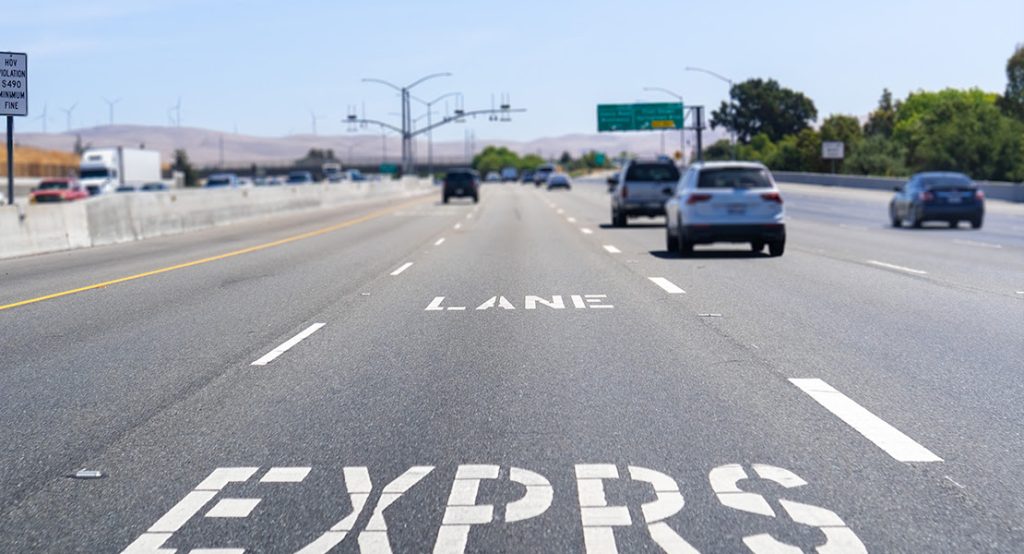
The test doesn’t stop after you drive through the toll plaza, though. Give it a day or two, and then log into your FasTrak account to make sure that the toll actually showed up and got charged to your account as it should. A transponder might beep and flash green as you go through the lane. But the system doesn’t always capture the info it needs on the backend to process the charge. Your online account is where you can double-check that the crossing got recorded right and the charge went through without any problems.
If something seems off during your test run, you should take care of it before doing anything else. Maybe the transponder didn’t beep at all, or maybe the light just stayed red when it should have turned green. Either of these problems means there’s a strong chance that your tint is actually blocking the signal. You don’t want to discover a few weeks later that you’ve been collecting toll violations just because your transponder wasn’t reading correctly through the new window film.
Other Ways to Mount Your Transponder
A FasTrak Flex transponder is a decent choice if you need more flexibility with the mounting options on your windshield. The newer models are much less picky about the placement, so you can mount it lower on the glass, where your window tint usually isn’t as dark.
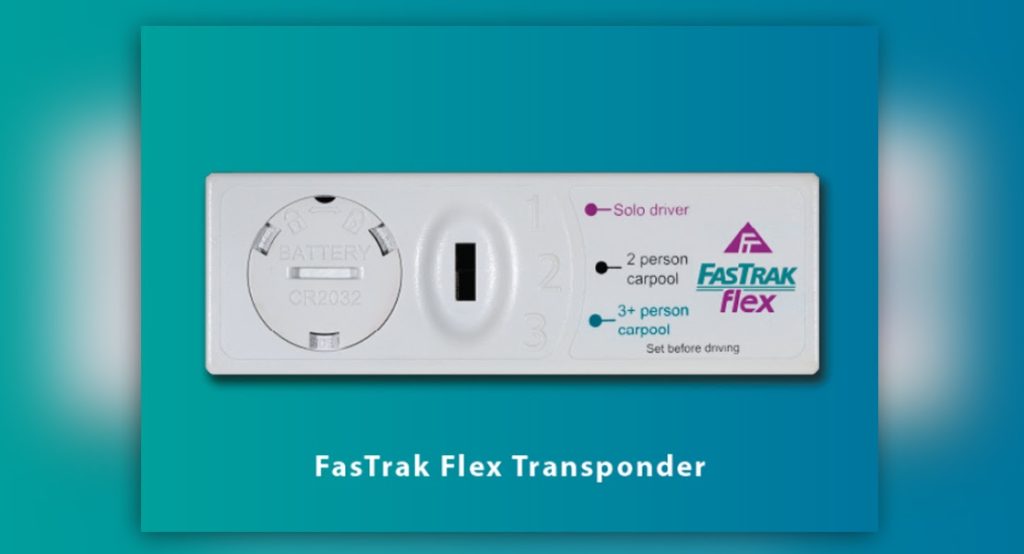
I’ve seen plenty of drivers who switched to velcro and mounted their transponder on the dashboard instead of keeping it up on the windshield. This setup works fine at most of the toll plazas, and you usually won’t have any problems with it. But it’s not going to work everywhere. Some locations have their readers mounted at different angles, and those angles just won’t pick up a dashboard signal with enough reliability. If your transponder just won’t read when you try, license plate tolling can be a reliable backup option. The way that it works is pretty simple – cameras take a photo of your license plate each time you pass through a toll, and the agency bills your account based on that photo instead. Your transponder doesn’t even need to work for this. Just remember that most agencies will charge you a bit extra per toll when they have to use your plate instead of picking up a clean transponder read.
Another way to handle this is to plan ahead before the tint even goes on your windows. You can ask your installer to leave a small patch of standard, non-metallic film right where your transponder sits. This gives your transponder signal a clean path straight through the glass, and the rest of your windows can still have whatever tint level you want. A lot of installers won’t bring this up on their own, and it’s frustrating. Most of them are willing to do it as long as you mention it before you book your appointment.
If the metallic particles in your film are blocking the signal too much, an external antenna kit can solve the problem. The kit connects directly to your transponder, and it gets mounted outside of the tinted area where the film won’t cause any more interference. Most passenger vehicles won’t need one since the other options usually work just fine. When nothing else works, though, these kits will fix it.
Transform Your View with Professional Tinting
Metallic window tints can interfere with your FasTrak signal – sometimes to the point where the reader won’t pick it up at all. The best part is that you don’t have to choose between convenient toll payments and quality window film. Not all tint materials are created equal for radio frequency interference, and the type of film you choose makes a difference. Learning which materials to avoid before installation prevents missed tolls and possible violations. Ceramic and carbon-based films deliver the same benefits you’d get from metallic tints (heat rejection, UV protection and privacy) without any of the interference problems that come from metal particles in the film.
If you already have tint on your windows and your transponder isn’t working right, you have options that won’t force you to rip everything off and start over. Placement matters a lot, and you can move the transponder to a different place or to an untinted area to fix the problem completely. If that adjustment doesn’t work, exterior mounting or alternative locations can get your transponder functioning again while leaving your tinted windows just as they are.
At OC Tint Shop, we believe California drivers shouldn’t have to choose between protecting their cars and a FasTrak system that actually works. We’ve tinted thousands of vehicles across Orange County (from Newport Beach to Anaheim), and our high-performance ceramic and carbon films deliver outstanding results while leaving your electronic toll transponders alone. Our team has spent years learning which films work well with the transponders you depend on every day, and we’re not going to recommend anything until we know what you actually need. Maybe heat and glare make your car unbearable, or furniture at home takes damage from UV rays, or your office could use more privacy. Book a free consultation, and we’ll show you everything we have (automotive window tinting, residential films, ceramic coatings and paint protection), all designed so you’re comfortable and connected each time you get behind the wheel.