
Window tint in Orange County gets complicated fast. You compare different percentages, work through laws that change depending on which window you’re tinting and make sense of pricing that ranges from $200 way up past $1,200. Plenty of customers miss how much these decisions matter until something goes wrong – maybe they get pulled over and cited, or their interior still fades from sun damage, or the film starts to bubble and peel after just a year or two. Orange County’s climate doesn’t give window film any help either. The UV exposure and heat buildup that your car deals with are a lot more intense compared to what you’d see in most other parts of California. We see over 280 sunny days every year.
What you can tint changes quite a bit depending on what type of window you’re putting the film on. Automotive windows (especially the front ones) have some pretty strict limits in most states, and the majority of aftermarket tint films just won’t pass unless they stay almost transparent. Residential and commercial buildings get treated very differently in California – there’s actually no VLT restriction at all for homes or office buildings at the state level. You’ll still want to check with your HOA if you have one, and Title 24 energy codes might also limit which films you can use in some situations. But those are separate restrictions from the state tinting laws.
Budget window tint has a tendency to fail right where you need it most. Going budget is a big gamble. A dark dyed film at that price won’t block infrared heat – your interior is still going to turn into an oven, and you won’t get any protection against UV damage either. Premium ceramic films cost more money at the register, but they deliver results that last for a decade or longer without fading. Legal limits are worth learning about, along with which grades work best for Orange County in particular and how you can stay away from wasting money on film that breaks down under our relentless sun exposure!
Here are the best tint grades for Orange County’s climate!
Legal Window Tint Rules for Your Car
California has some strict laws on how dark you can tint your windows, and if you’re looking to buy tint film, make sure what you’re looking at is actually legal before you choose anything. The main measurement that law enforcement and tint pros use is called VLT (short for Visible Light Transmission). It’s just a percentage that tells you how much light can get through your window once the tint is applied.
The front side windows (meaning the driver and front passenger windows) have pretty strict requirements for tinting. At least 70% of the light has to be able to pass through them, and anything darker than that puts you on the wrong side of the law. The back side windows are handled differently. You can go as dark as you want with those. The rear windshield gets the same treatment – no restrictions at all on how dark you’re allowed to make it.
Front windshields follow their own set of restrictions. The law only lets you tint the top 4 inches of glass, and it needs to be the non-reflective kind. That narrow strip along the top edge actually does quite a bit to cut down on harsh sun glare when you’re on the road. But it stays out of the way of your forward visibility.
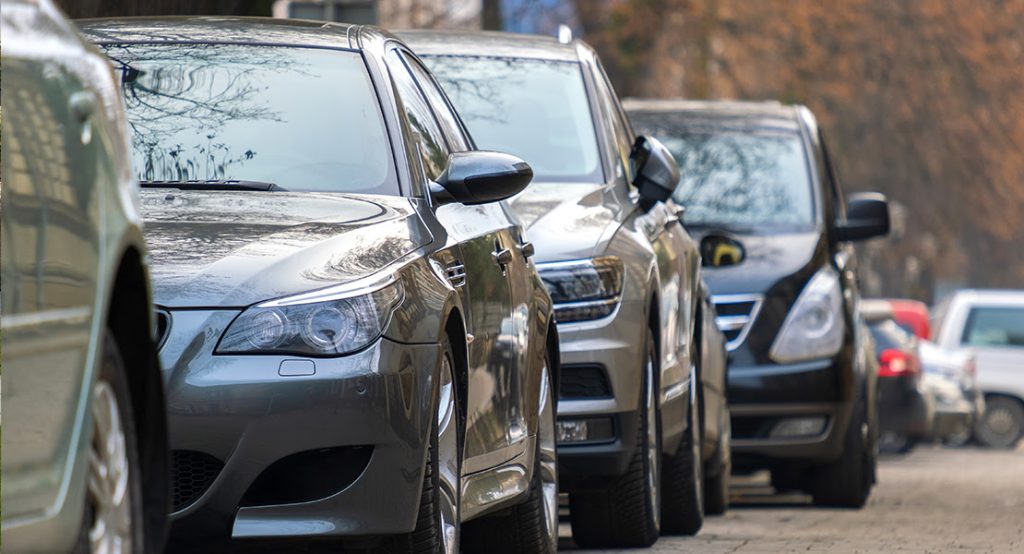
Law enforcement in Orange County takes window tint laws seriously – yes, they will write you a ticket if your car doesn’t meet the requirements. Usually, the police will check your tint after they’ve already pulled you over for something else (a tail light, speeding or whatever it may be). Once they’re at your window, if they see that your front side windows are darker than that 70% VLT limit, or if the tint on your windshield goes down past that 4-inch line, you’re looking at a ticket.
These numbers matter quite a bit because they tell you what tint products you’re legally allowed to install on your vehicle. A 70% VLT film is on the lighter side – it cuts down on the glare and heat coming through the glass. Privacy isn’t its strong suit, though. The rear windows on most vehicles give you a lot more flexibility for how dark you can go. Most states don’t have any minimum light transmission for the back of the vehicle at all.
Best Window Tint for Your Orange County Car
How your tint performs in day-to-day use is very important to drivers in Orange County. The climate in this area can do a number on window tint over time. A quality film should block heat without compromising visibility at night or during early morning commutes.
The 35% to 50% VLT range tends to work best for rear windows in Orange County. It gives you great heat rejection and doesn’t make the cabin feel like you’re driving in a cave. Visibility stays fine for backing up and checking your mirrors, and the tint is dark enough that your interior stays cool even after your car has been sitting in direct sunlight all afternoon.
Front windows are where I usually recommend 70% VLT ceramic film for most customers. It leaves you legal under California law, and it still does a great job of blocking out the heat – even though plenty of first-time buyers don’t know that ceramic film can do this. Window film technology has come a long way over the years. A darker tint doesn’t automatically mean better heat rejection.
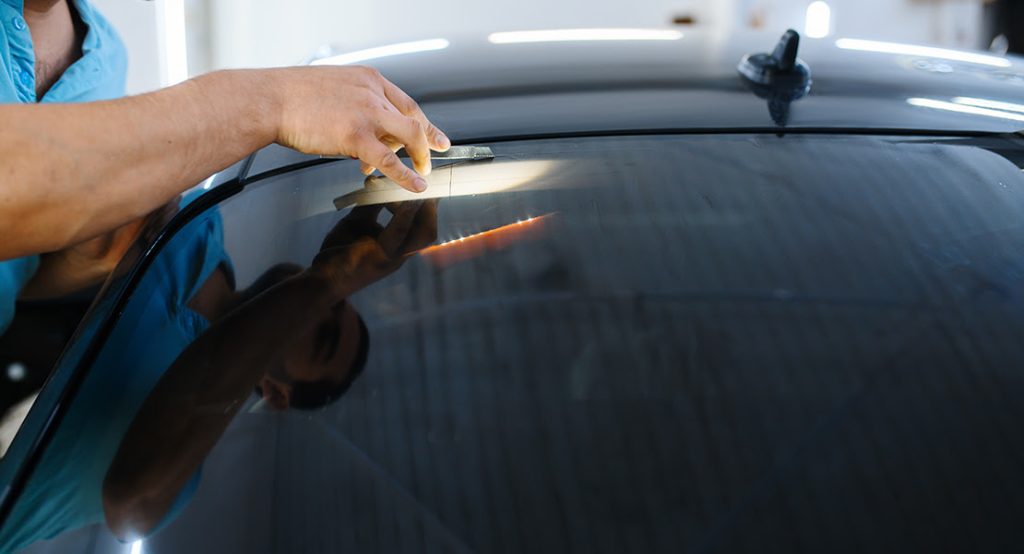
A lighter ceramic tint will block more heat than a darker dyed film. The shade level isn’t what determines heat rejection – it’s the technology in the film. Ceramic film uses a technology that blocks infrared rays without needing to be all that dark, which means that you get to stay comfortable and you still have great visibility as you stay well within the legal limits on your front windows.
The best strategy is to think through how you actually use your car and where it tends to sit during the day. If your vehicle spends most of its time parked in direct sunlight, a ceramic tint upgrade will deliver much better heat rejection and UV protection compared to standard film. The benefit is that you don’t have to go with the darkest option available to get great protection – you just need to figure out the right balance between the tint type and the shade level for your goals.
Home and Business Tint Rules Are Different
Your home or business windows aren’t held to the same VLT restrictions that California places on vehicles. Property owners have a lot more freedom with tint selection, so you can go darker or lighter based on what fits your particular needs.
Full freedom with your window decisions would be nice. But life in an HOA community tends to be a bit more complicated than that. Plenty of Orange County neighborhoods have homeowner association agreements that specify which window films you can and can’t install on your property. Reflective and mirrored finishes are usually the main sticking point for most HOAs, mostly because they can change the way your neighborhood looks from the street.
Commercial property owners have one more consideration with window film. California has energy codes called Title 24, and these codes dictate how much energy your building can use. The film you wind up going with can either help you stay compliant or make compliance much harder.
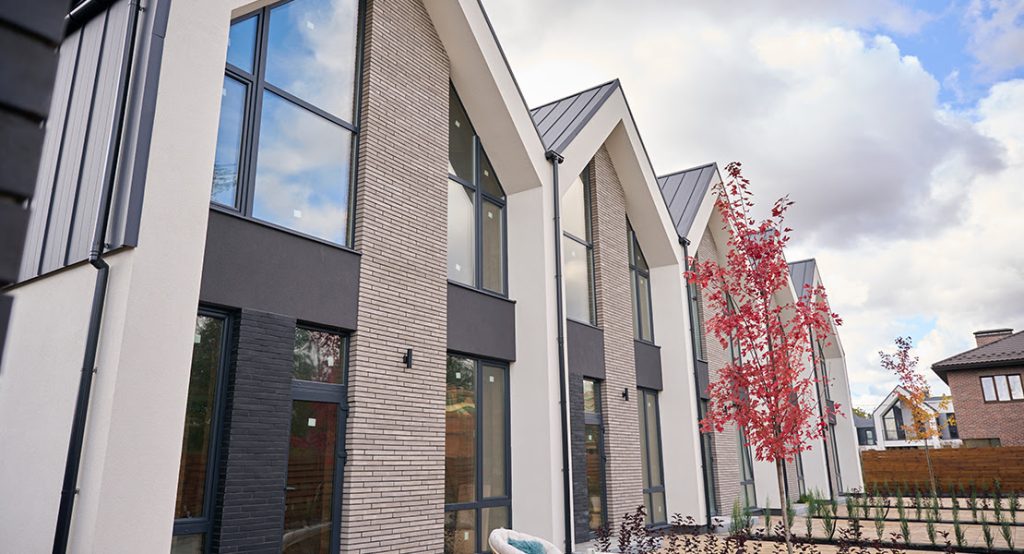
Sometimes, property owners find out about these restrictions only after they’ve already had the film professionally installed on their property. At that point, the film needs to be removed, which means you’re out of the money you spent on the product and the installation service. You wind up right back at square one, and you’ll have to go through the entire process all over again.
Make sure to check the restrictions in your area before you book an appointment for the installation. Commercial property owners will find that most established window tinting businesses already know Title 24 inside and out, and they can talk about the options that will make you compliant.
Regulations like this don’t come up all that much in day-to-day conversation. Sometimes these restrictions only become apparent when something has already gone wrong.
Best Tint Options for Your Property
Orange County gets plenty of sunshine throughout most of the year. But all that sun can turn your home or office into a greenhouse in no time. What you’re after is a way to block out enough heat and glare to stay comfortable. But not so much that your space ends up feeling like a dark cave.
For residential properties, most homeowners land somewhere in the 25% to 45% VLT range. The windows on the south and west sides of your house are the ones that take the worst of that harsh afternoon sun, and these are usually the places where tinting makes the biggest difference. A 25% film blocks out more of the light and heat, which is great if you want better temperature control. But it will make your rooms darker. A 45% film still cuts down on glare and heat gain, just not quite as much, and it lets more natural brightness filter through.
Different rooms in your home have different jobs, and this matters quite a bit when you choose a tint level. Darker tints usually work best in bedrooms and living rooms since you spend your afternoons in these areas and want to stay cool without harsh sunlight that streams in. Kitchens and dining areas are a bit different, though – lighter tints usually make more sense for these spaces because you don’t want to cook or eat in a space that feels too dark or closed off.
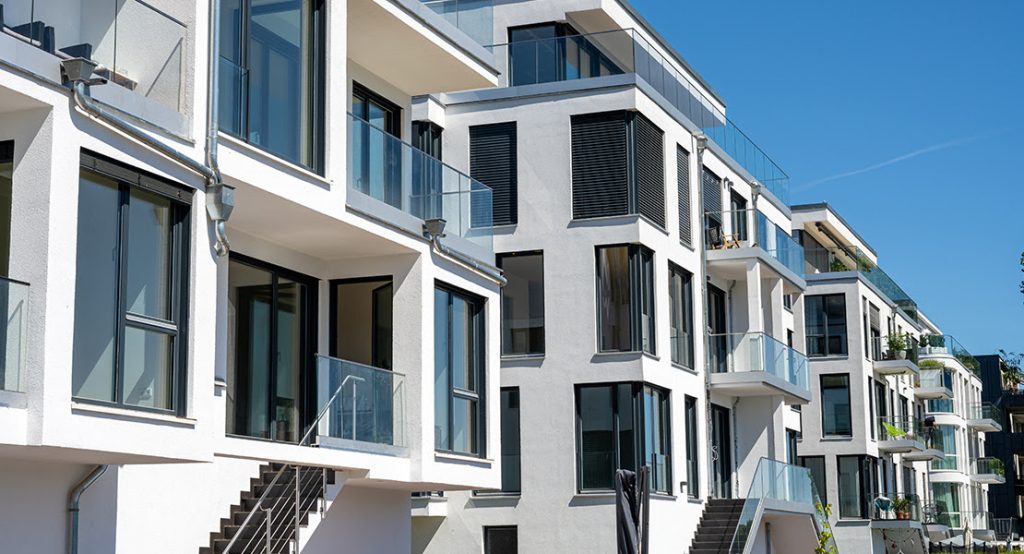
Commercial properties work a little differently. Office buildings and retail storefronts need to stay bright and welcoming for the employees and customers who come through every day. Films in the 40% to 60% VLT range are usually the best choice for these kinds of spaces – they cut down on the glare that bounces off of computer screens, and they protect your furniture and merchandise so they don’t fade over time. At the same time, they let in enough of the natural light to make sure that the space doesn’t feel dark or closed off.
Heat reduction and glare control are usually the two biggest benefits that property owners are after with window film. But those benefits don’t mean much if your rooms feel dark or uninviting because of it.
Film Options and What You Pay
Orange County’s sun is relentless. The particular film you pick matters quite a bit when you’re shopping for window tint because they don’t all handle that constant UV exposure equally well. Every type has its own way of responding to all that sunlight, and it matters in how your tint performs over the long haul.
Dyed films are the cheapest option you’ll find on the market. Installation will usually run between $200 and $400 for a full car with this type of film. But dyed film actually soaks up heat instead of reflecting it away from your windows. All that constant UV exposure will eat away at the dye layer bit by bit, and eventually the film will start fading, or it’ll turn a weird purple color. In a place with this much sunshine, the degradation process speeds up quite a bit.
Carbon films are a step up from dyed window tint. The carbon particles do the heat-blocking work instead of the dye, which means that they’re better at keeping temperatures down and they last way longer before they start to fade. The cost up front is higher than dyed film, no question. Carbon film will hold its color and heat-rejection performance for a few years, though when your windows are taking in direct sunlight day after day.
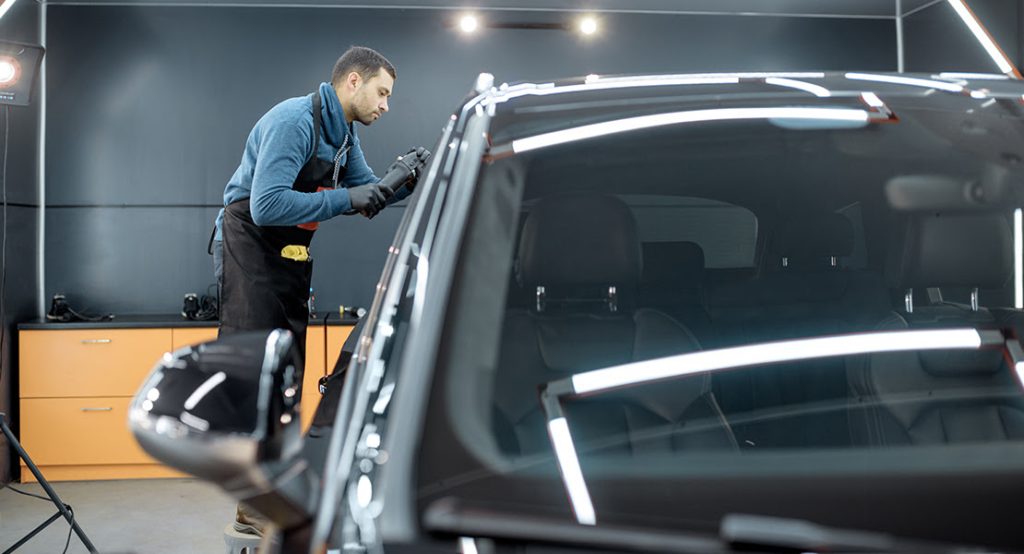
Ceramic film for your vehicle will usually run you between $600 and $1,200 or more for an installation, and the price can change based on the size of your car. For homes, the total cost changes quite a bit based on your square footage and on the total number of windows that need to be covered. Ceramic film does cost more than standard window film options, but there’s a reason for that price difference. These films have nano-ceramic particles that reject heat and UV rays while still allowing your cell signal to pass through without any interference. It’ll also last 10 years or longer in Orange County’s climate, and it won’t fade, peel or degrade as it ages.
How long you plan to own your car or stay in your home makes a difference. A dyed film will save you some money at first when you’re only thinking short-term. Dyed films usually need a replacement in just a few years, though, once they start to fade or peel. Ceramic films are going to cost you more at the beginning, and I won’t pretend otherwise. The benefit is that your first investment gets spread across a much longer lifespan, which means that you won’t be paying for another replacement anytime soon.
A reputable installer will stand behind their work with a warranty that covers common problems like fading and bubbling. A few shops take this one step further and will actually reimburse you for any traffic tickets you get because of the tint. Warranties and guarantees like these are worth paying attention to when you’re shopping around and comparing different installers.
Transform Your View with Professional Tinting
VLT percentage does matter. But it’s only one part of the picture. Two films can have the exact same darkness level and still perform very differently in terms of heat rejection, UV protection and how long they’re going to last before they start to fade or peel. The type of film you choose matters just as much as that number on the spec sheet – maybe even more. Ceramic and nano-ceramic films will cost you more money up front, no question about it. But they deliver the results that dyed or metallized films just can’t match, and in a climate like Orange County, where the sun beats down on your car all year long, that difference matters even more.
When you look for the right window tint company, you want to work with a team that actually knows Orange County’s laws, understands the science behind window films and can get the installation right the first time around. At OC Tint Shop, we’ve helped local drivers and property owners for years to find the best combination of comfort, UV protection and the right look for their needs. Maybe you’re tired of your car turning into an oven during your commute, or your couch has started to fade from all that sunlight, or you’d like a little more privacy in your workspace – whatever the case, our team can talk with you about the options and take care of the installation from start to finish. To get started, contact us to set up a free consultation, and we’ll show you what a quality window tint can do for your vehicle or building.