

California's Title 24 energy code matters for commercial property owners, and window film is a major part of meeting those standards. When a property owner in Orange County gets a permit letter (or a contractor bid with Title 24 compliance language buried in it), the first move is usually a quick Google search. What they find almost every time are dense technical documents written for engineers and code officials - not for a business owner with a full plate. The disconnect between what the code calls for and what a busy owner can reasonably work through on their own is where it starts to go wrong.
Windows, doors and skylights (collectively known as fenestration) can be responsible for as much as 50% of a building's total heating and cooling costs - it's no small number. Choosing the wrong film product or missing a certification step along the way can get a standard tenant improvement project held up at inspection. Replacement windows for a mid-size commercial space can run well over $180,000 - a figure that gets even harder to justify when a lower-cost film option was available the whole time but never vetted.
Four factors will make or break your project at inspection - Orange County's climate zones, the 2022 code update that took effect January 1, 2023, the updated NFRC rating standards and the documentation that inspectors actually check at the job site. All four connect, and a gap in any one area can put the rest of your project at risk, which is what I see derail otherwise well-planned projects. The sections below break each piece down in plain English so any Orange County business owner can take an honest look at their windows and make a better call before something comes up at inspection.
What Title 24 Means for Your Building
California's Title 24 is a section of the state's Building Standards Code, and it sets the requirements around energy use for commercial buildings. The code touches on areas (HVAC systems, insulation, windows and so on), but for most business owners in Orange County, the window standards are the part that tends to cause the most uncertainty.
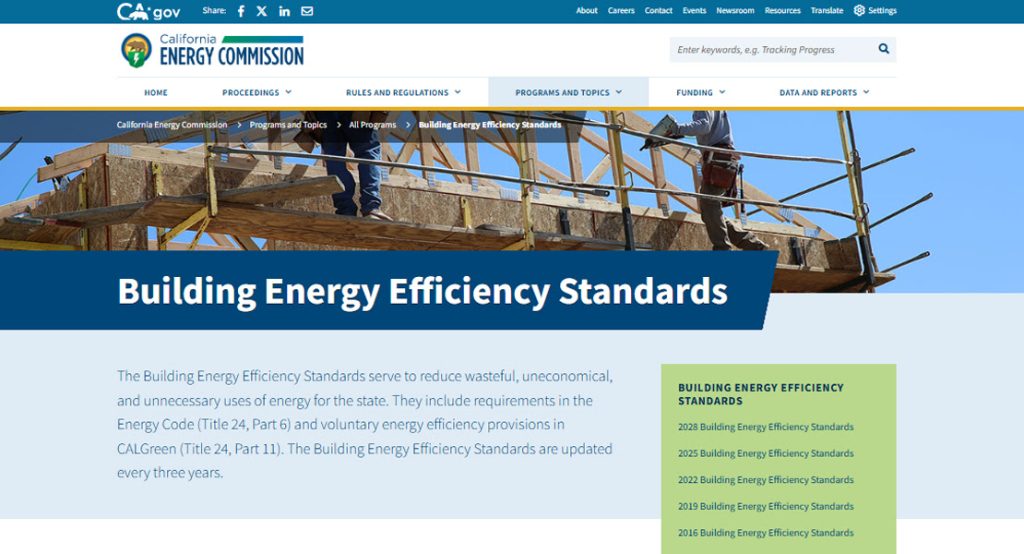
The logic behind it - pretty easy. California has been pushing hard to get its commercial buildings to use less energy on heating and cooling - and windows are a big part of that equation. Orange County's sun is intense and relentless for most of the year, and untreated glass can let in a massive amount of heat. That extra heat puts strain on your HVAC system, and you see it pretty fast on your energy bills.
Many of Orange County's business districts are filled with buildings that went up long before California's energy codes even existed. The windows in those buildings weren't designed with any modern efficiency standard in mind - they were picked out of a catalog, then installed and left at that.
Whether existing windows meet Title 24 tends to come up once a renovation or a tenant improvement project is on the table. It's one of the more manageable ways to bring that older glass into compliance without pulling anything out.
In any case, the best place to start is with what the standard actually calls for - and once you have that, the path forward gets much more straightforward.
Two OC Zones and Your Window Film Rules
Orange County actually falls under two separate climate zones in Title 24 - Zone 8 and Zone 9. The zone boundaries don't line up with the county lines at all, and it usually doesn't come up until you're already pretty deep into the permit process. That mix-up tends to create some problems early on.
Zone 8 covers the inland areas (cities like Irvine and Anaheim) where the summer heat has a tendency to build up and hang around for a while. Zone 9 falls a bit closer to the coast, with cities like San Clemente and parts of Huntington Beach in its territory. The two zones have pretty different temperature patterns throughout the year, and Title 24 accounts for that by holding each one to its own performance standards for window film.
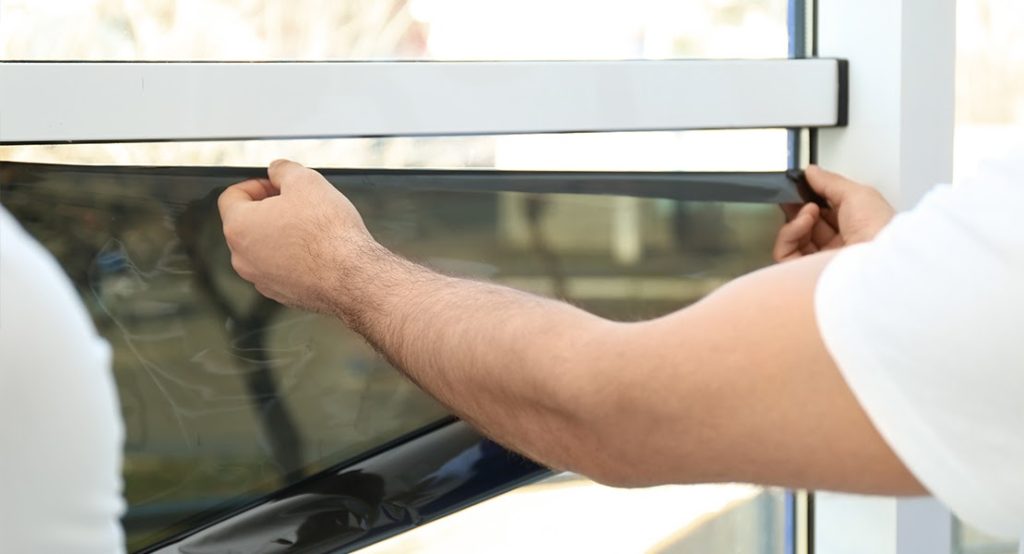
This matters more than it might feel. Pulling the wrong zone's specs when you're putting a window film project together means the product that you choose might not meet the solar heat gain or visible light transmission standards for your location. That can mean that you'll run into rework and delays or have to go back through the approval process from the start.
The best way to stay away from that is to confirm your zone before the project gets too far along. Your building's address is usually enough to look it up through the CEC's climate zone map, and most window film contractors who are in the area will know which zone applies to a given city. It's still worth double-checking on your own, so there's no uncertainty once the paperwork is in front of you.
What the 2022 Update Really Changed
The 2022 Title 24 standards took effect on January 1, 2023, and with them came noticeably tighter fenestration thresholds than the previous code cycle had. In case the word fenestration is new to you, it's just the industry term for any glazed opening in a building - windows, skylights, glass doors and just about anything else with a pane of glass in it. What changed with this update is that the code now puts stricter limits on how much heat and light those openings are allowed to pass through into a space. That's where it gets a little tough for OC building owners.
A number of these properties had window film put in years ago, and the general assumption at the time was that it was a permanent fix. What plenty of owners don't always see is that the film they went with under an older code cycle may no longer hit the numbers that the 2023 update calls for.

A side-by-side comparison of the fenestration thresholds between the 2019 and 2022 code cycles is worth your time. A small adjustment to the allowed solar heat gain coefficient or the visible light transmittance (even just a point or two in either direction) can be enough to take an installation from compliant to non-compliant. If your film went in before January 2023, the specs it was selected to meet at the time may no longer hold up under the updated code.
The codes have shifted since your last inspection, and what passed a few years back might not hold up against the 2022 code anymore. The best move is to pull the paperwork on your existing film and run those numbers against the updated code. From there, it's much easier to see if you're still in okay shape or if an update is needed.
What the NFRC Rating Really Means
Third-party testing is one of the areas where businesses usually have the most problems during their Title 24 inspections. Window film alone won't get you a passing grade - the film also needs to have verified performance data from an independent rating organization called the NFRC, or the National Fenestration Rating Council.
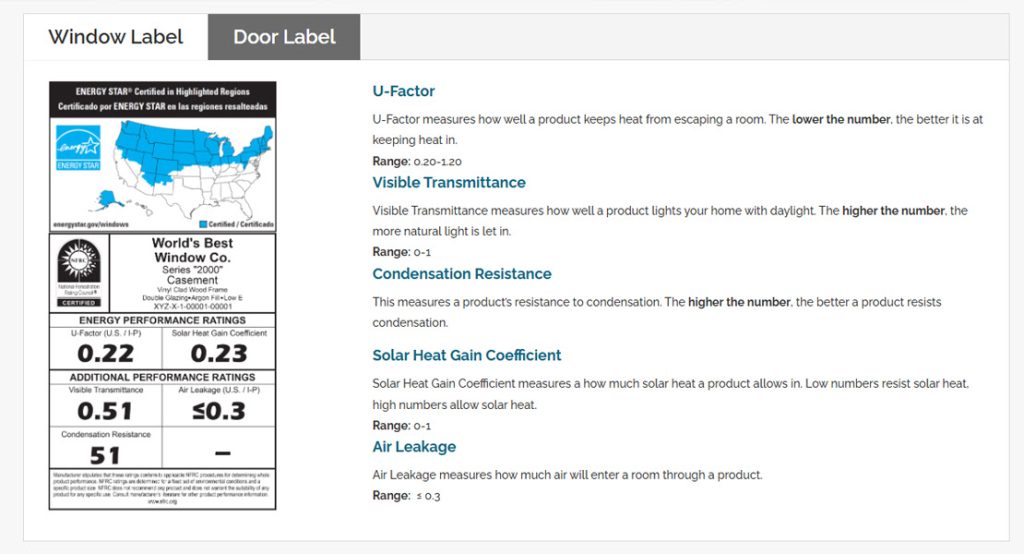
An analogy here is the nutrition label on a packaged food product. A label that the manufacturer printed themselves, with no outside verification behind it, would not mean much to anyone. The NFRC plays that exact same role for window film - it's the independent third party that validates what any product claims. Permit reviewers and inspectors know exactly what they're looking for when they walk in.
The NFRC certification data with your installation is what the inspector is after. If your contractor can't produce that paperwork when asked, the approval process tends to stall out pretty fast. The 2022 code updates made this process much stricter, and because of that, older installations and uncertified products have a much harder time making it past a modern inspection than they would have just a few years ago.
Certified products are not that hard to find. Where it gets a bit harder is on the installation side of it. A contractor who actually knows Title 24 will have the right documentation ready long before an inspector ever shows up - it's what separates a clean approval from a long one. The installer that you choose matters just as much as the film product itself, and it's something that doesn't get nearly enough attention. Most of the delays I see at this stage trace right back to the contractor instead of the product.
A little early preparation can save you quite a bit in the long run. Failed inspections, resubmissions and extra follow-up appointments are all very much preventable, and with the right prep ahead of time, you won't have to run into any of them.
Film Costs a Fraction of Full Replacement
After the ratings are settled, the cost tends to be the next big question for most business owners - and in Orange County's commercial market, that's a very fair place to focus your attention.
Parts of your space could sit closed off for days or weeks at a time. For a restaurant or retail shop, that sort of downtime is hard to absorb - foot traffic doesn't wait around, and neither does the day-to-day revenue.
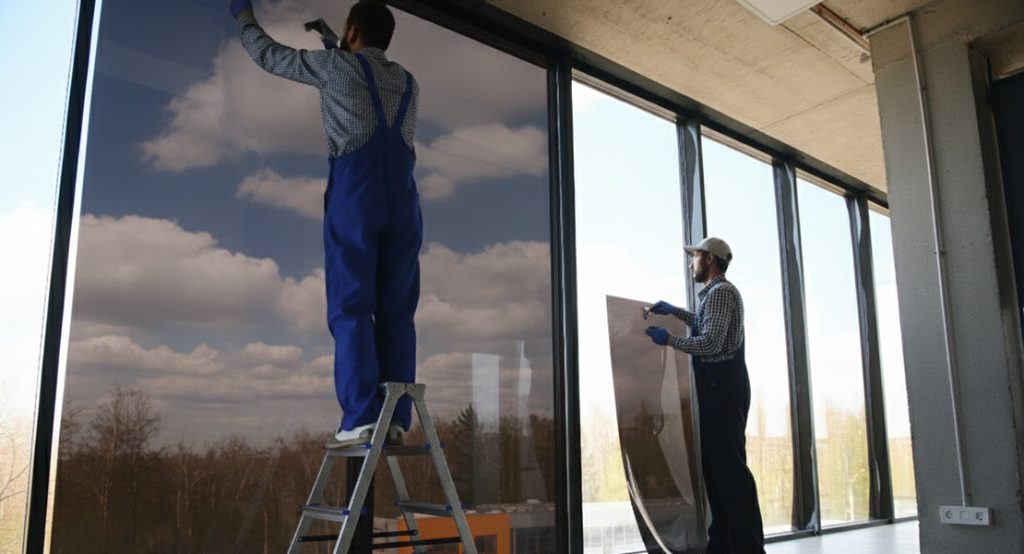
Window film does help for most commercial spaces. A professional crew can get through the job in a day or two - sometimes even less. The business stays open the whole time - the staff keeps working, and no one has to build their week around a construction timeline. There's a price difference between these two options, and it's worth a quick look at the numbers. A full window replacement on a mid-size commercial building can run well into the tens of thousands of dollars. Compliant window film comes in at a fraction of that cost - and it still gets you to the exact same place as far as Title 24 performance goes.
Older Orange County buildings are a perfect example of this - those original windows were never designed with modern energy standards in mind, and you can tell. A full window removal is usually not going to be the answer, though. A quality film applied directly to the existing glass can make those windows code-compliant without ever touching the frame or anything around it. From what I see, that's usually the part of the conversation where building owners are most relieved - and it makes sense because they actually have options.
That combination of low cost, a fast turnaround and minimal disruption is a big part of why the retrofit option stays so popular with local commercial property owners. A working business almost never has the luxury of going dark for days - and a retrofit just doesn't demand that.
Have These Documents Ready for Inspections
Film installation is only half of the job. The paperwork that comes along with it matters just as much - and it's usually the part that gets missed.
California's Title 24 compliance process revolves around a handful of documents, and it's worth learning about what each one does. The CF-1R is the compliance certificate that gets filed with your permit - it covers which products were planned for the project. The CF-2R comes next - it's what your installer fills out once the work is done to show that everything was installed correctly. Past those two, you'll also want to hold onto the installation certificate and the product spec sheet for the film itself, which can come up during inspections.

Plenty of Orange County business owners get the film installed, file the paperwork somewhere in the back office and never give it another thought after that. For the most part, this works out fine - right up until a tenant improvement project brings an inspector back out to the building.
No one wants to be looking for a spec sheet from an install that happened two years ago. That said, a little bit of organization early on takes almost no effort at all. When the job is done, ask your installer for the paperwork before they leave and put it somewhere that you'll actually remember to look. A single folder (physical or electronic) is all it takes to have what you need when the time comes.
Common Mistakes That OC Businesses Often Make
The laws themselves are easy enough to pick up. A clean compliance review with zero problems is a different matter entirely.
Price tends to be the first detail looked at when shopping for window film - and it's also where plenty of mistakes get made. The budget always matters, no argument there. A film that saves you money up front can still fall short of the Solar Heat Gain Coefficient or Visible Light Transmittance thresholds that your building type actually has to meet.

NFRC label verification is a close second on the list. You want to see the label yourself and check that the ratings line up with what your building's energy model calls for.
Plenty of business owners don't check whether their existing window film still meets code. Window film breaks down over time, and the code standards around it get revised every few years. A product that passed inspection 5 or 10 years ago might not hold up under the latest standards - the same goes if your space is going through a tenant improvement that triggers a fresh code review.
That leads us right into permits. Tenant improvements are one of the more common triggers for a full compliance review, and plenty of property owners have no idea that the window film (new or replacement) can fall right into that category. Pulling a permit for a renovation means any film already on the property will get looked at. If it doesn't meet the latest standards, then you'll need to get corrections done before anyone signs off on the project.
Day-to-day operations don't leave much room to track every building code update. Slip-ups like these are easy enough to make when your attention is already stretched in a dozen different directions.
Transform Your View with Professional Tinting
Energy code compliance doesn't win any popularity contests with commercial property owners in Orange County - most of them would skip straight to the finished product and move on. The great news is that if you match up your climate zone, your film's performance ratings and the right documentation, the whole process gets more manageable than it probably looks from the outside. It's really less about memorizing code numbers and more about the right questions to ask before any buy or contract.
A certified film product, an installer who actually knows what your zone calls for and a paper trail from day one - those three alone will put you in a strong position when inspection time comes around.
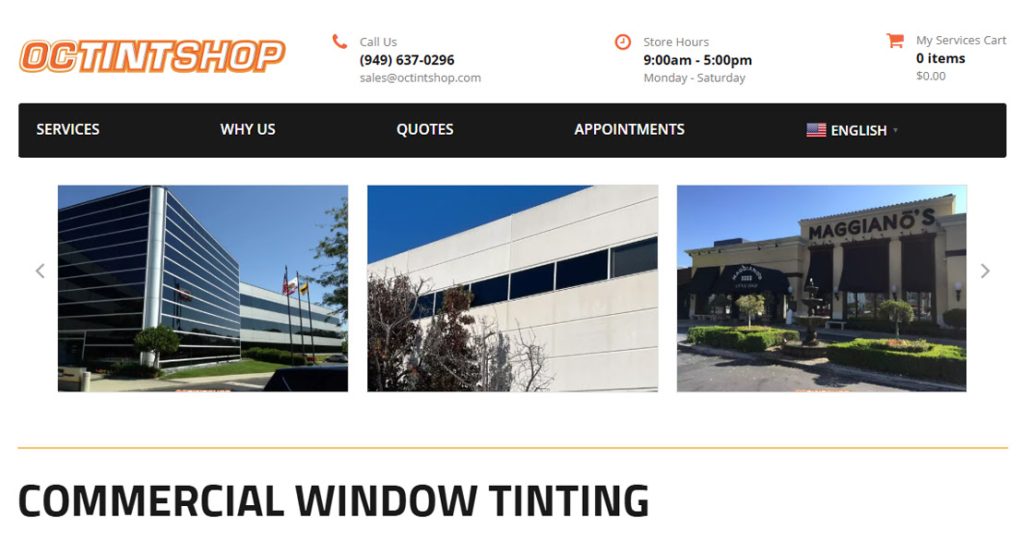
A Title 24 energy consultation (before you've even picked a product) is one of the best moves you can make at this stage. In my experience, it takes the guessing out of it and gives you something concrete to bring to your installer and your permit reviewer. We're set up for that at OC Tint Shop. Our team works with Orange County commercial property owners every day, and we know what the local inspectors want to see - we've been through this process on buildings of every size and age across the county. We'd love to work through it with you whenever you're ready to move forward. Give us a call to schedule a consultation, and we'll take it from there.