
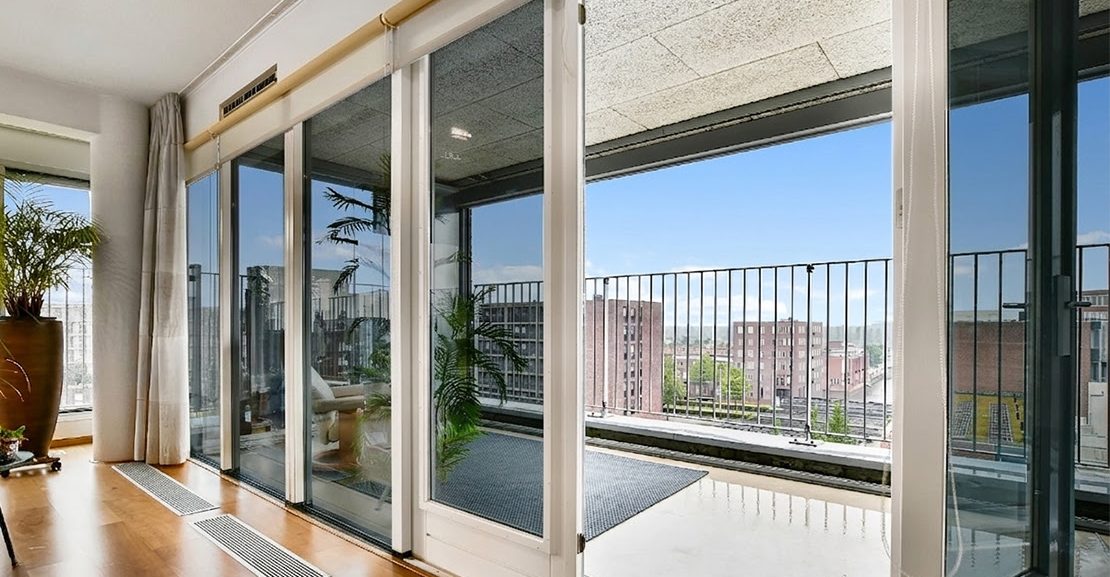
California is one of the most seismically active places on earth. Anyone who owns a home or manages a building here knows glass is probably the biggest vulnerability. Large windows, sliding glass doors and glass storefronts all look fine on a normal day - until the ground starts shaking, and then that glass turns into a problem very fast. The shards move fast and cut deep. The data from big earthquakes shows that glass-related injuries are among the most widespread and preventable consequences.
Window film gets plenty of attention from property owners as an easy fix, and the reasoning makes sense - it costs a fraction of what a full window replacement runs, the installation doesn't need to tear the place apart, and manufacturers write their marketing in a way that makes their products sound like they give genuine protection. But not every film performs the same way - and in my experience, installation quality is where issues tend to surface. A film that goes in correctly can hold up through actual seismic stress - but one that doesn't can just peel right off at the worst possible time.
A quality film can still underperform if the installation isn't done right - and most of the failures seen in the field trace back to poor edge attachment instead of the film grade itself. You need each one to be right for the product to actually perform the way it should.
Let's see if window film can protect you during a quake!
Most Earthquake Injuries Come from Broken Glass
In a big earthquake, walls might crack, and furniture might move around - but glass is usually the first casualty. A window can go from whole to shattered in a fraction of a second - and when that happens, the shards scatter fast and can cover a wide area.
The 1994 Northridge earthquake in Los Angeles is an example of just how bad glass injuries can get. A large number of glass-related injuries were reported in the aftermath, and many involved residents who had just been inside their own homes when the shaking started. Distance from a window doesn't protect you much at all - glass moves fast, and it can reach you well before the quake has even settled down.
When a window fractures, everything happens in just a few seconds. The pieces fly inward with force - some shards travel across the room, and others drive into walls, furniture or whatever else gets in their path. The floor ends up covered in broken glass before the shaking has even had a chance to settle.
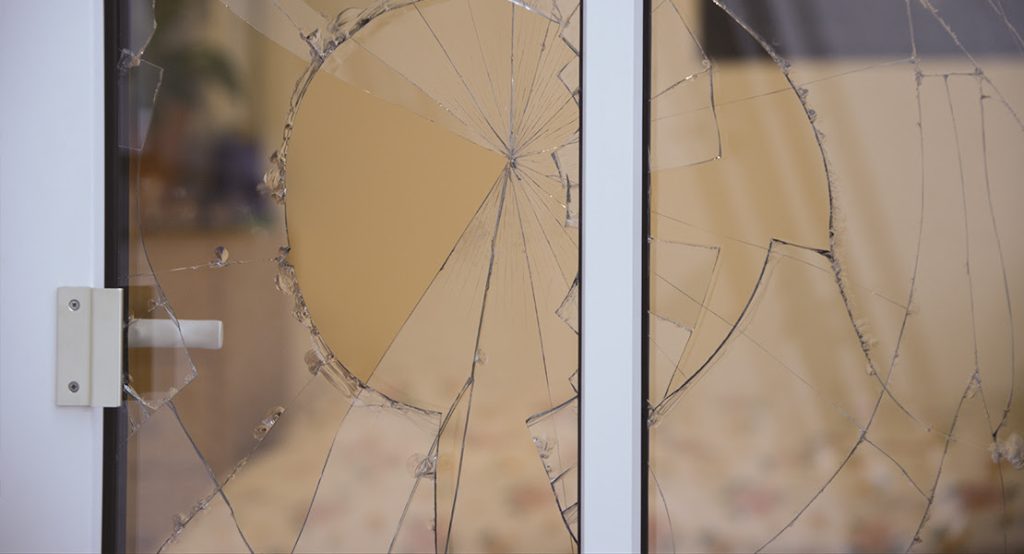
Glass has almost no flexibility to it, and that's a big part of why it tends to break so easily. Walls and frames are actually built with a bit of give - they're designed to flex and absorb movement, and they do a decent job of it. Glass doesn't have that same ability. It's rigid, and when the frame around it starts to distort, the glass can't move with it - it just breaks (it's a physical limitation of the material itself).
That brittleness is a big reason why broken glass accounts for a large number of earthquake injuries every year. It almost never gets the same attention as structural collapse - and yet in a home setting, it's usually the more pressing danger of the two. Glass does warrant its own dedicated conversation around earthquake prep, and from what I've seen, most homeowners just never have that conversation.
How the Film Holds Broken Glass Together
Window film won't stop your glass from breaking in a big earthquake - and that's okay because it was never meant for that.
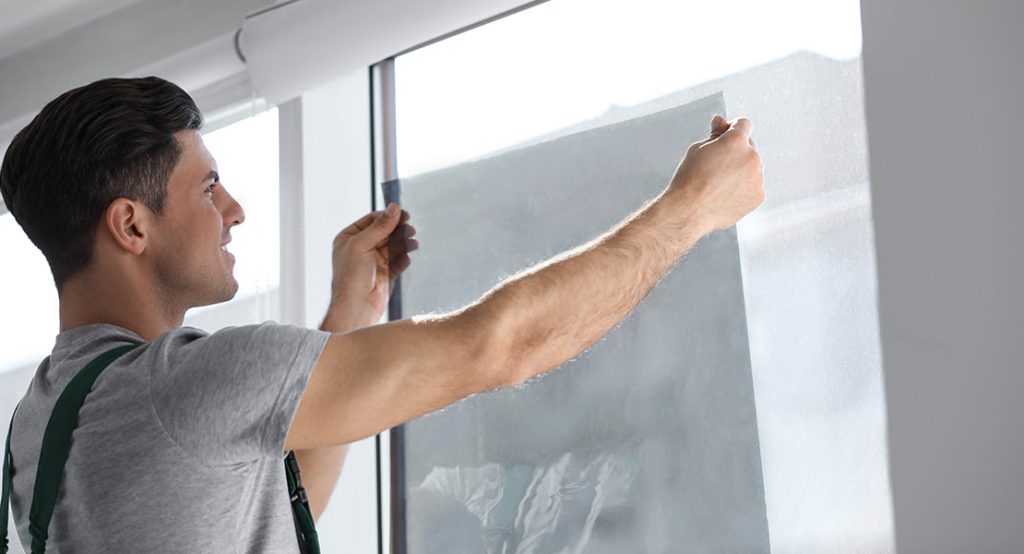
The film itself is a thin sheet of polyester that bonds directly to the glass. If the glass breaks, it stretches and flexes right along with it, and it holds the broken pieces in place so they don't scatter across the room. A window without film can explode into a spray of fragments when it gets hit - a window with film will crack. But the glass stays more or less in one piece within the frame - it's not a small distinction when safety is what you're after.
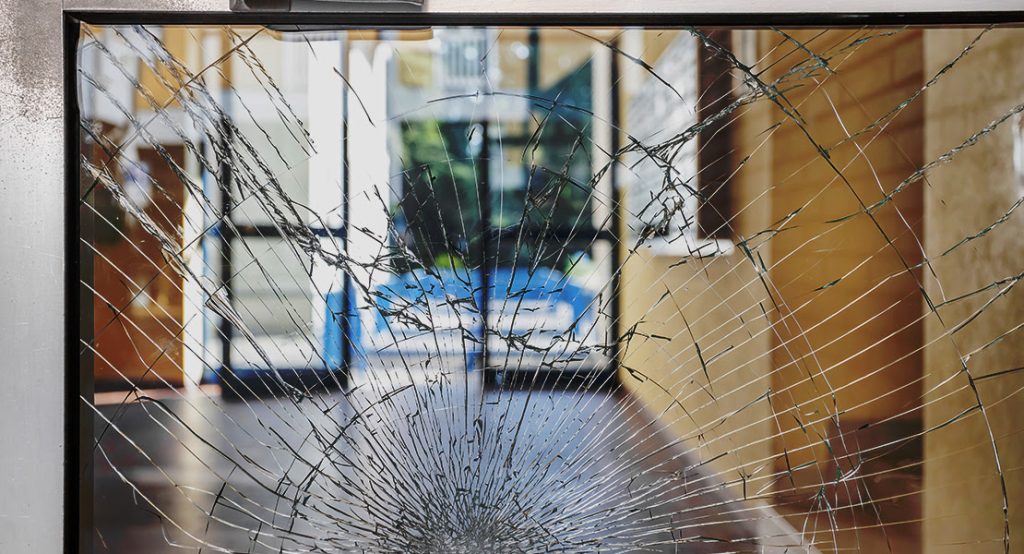
The film won't make your windows unbreakable - a strong enough hit will still break the glass, full stop. What changes is everything that happens after that. Instead of scattering into a floor full of sharp hazards, the broken pieces hold together in that familiar web-like pattern. For anyone who is inside or near the building at that point, that detail matters quite a bit. Flying glass is actually one of the leading causes of earthquake-related injuries, and most of these injuries are very preventable with the right precautions in place. Window film is one of the easiest upgrades that you can add to a building, and it doesn't need any structural modifications at all - it can be applied to existing windows without any disruption to the structure, which makes it a helpful option for new construction and older buildings alike.
Not Every Film Will Protect Your Windows
With that in mind, here's the part where homeowners get turned around - and it's worth a close look. Each window film is built with a very different job in mind.
Decorative films and basic UV-blocking films are usually pretty thin (sometimes just one or two mils), and their whole job is to filter the light or add some privacy. They're not designed to hold shattered glass in place when a window flexes and twists during a quake. The wrong film can leave you with a false sense of protection - it's one of the more common mistakes I run into.
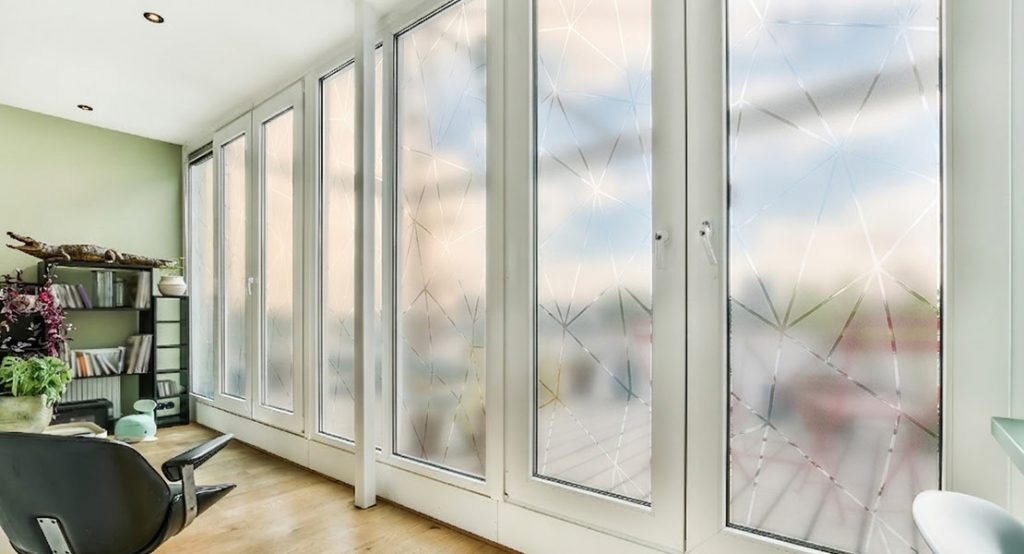
Safety and security films are in a very different category of product. They run from four to eight mils thick with stronger adhesive layers and sturdier polyester materials than your average window film. That extra thickness is what gives the film the ability to stretch and absorb energy instead of giving out the second the glass moves or breaks. The material grade matters just as much as the mil number itself.
The more material a film has, the better it can spread and absorb force - that extra buffer is what gives it time before it gives way. A one-mil decorative film just doesn't come close to that capacity. Glass can flex in some pretty dramatic ways during an earthquake. That movement puts a fair amount of stress on whatever is holding it together. A film that works fine on a calm day can fall apart fast once that pressure hits.
Before you buy anything, check the mil rating and confirm the product is actually labeled as a safety or security film.
The Frame Bond That Makes Window Film Work
Even the best window film money can buy will underperform if it isn't anchored to the frame - it's a detail that almost never gets enough attention.
The film bonds directly to the glass itself. But there's no connection to the surrounding frame. In a strong earthquake or a heavy blow, all that filmed glass can pop right out as one heavy sheet. A massive pane of glass moving that fast is still very dangerous to anyone nearby, which defeats the whole point of having the film installed.
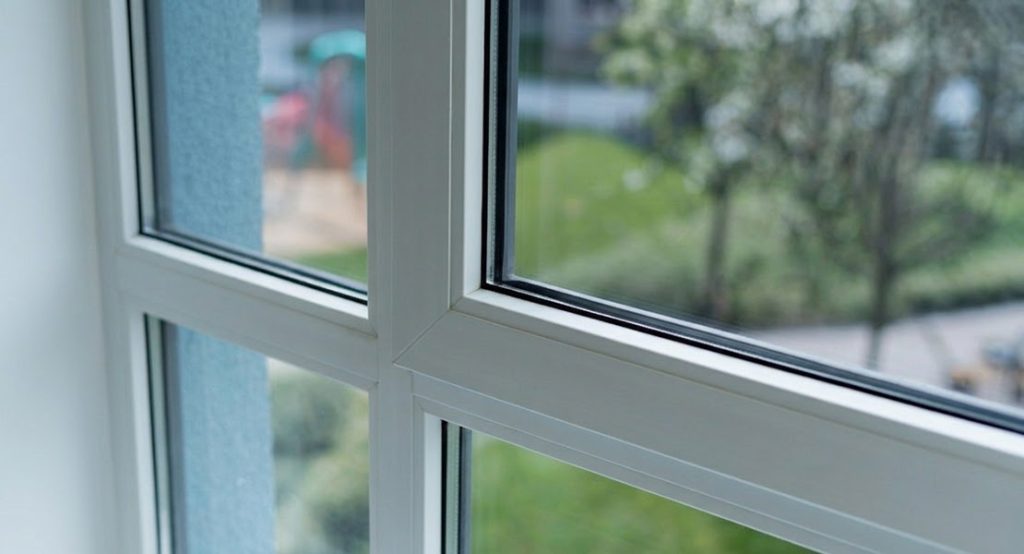
An anchoring system is what bridges that gap. A structural adhesive bonds the film's edges directly to the window frame - that connection gives the glass somewhere to go when pressure starts to build. Without that bond, the film can hold the broken pieces together as one unit - but it won't do anything to stop that whole unit from going somewhere it shouldn't.
It's the step that gets skipped more than anything else in a window film installation - and in my experience, it's usually either a time issue or something that never got brought up with the customer. But anything short of that and the whole setup just isn't done right.
A quick look at your own windows can tell you whether that frame attachment is actually there. An anchoring system can be added to an existing installation - the film doesn't need to come off, and nothing has to start from scratch. A short assessment will tell you pretty fast whether or not this needs attention.
California Rules for Safer Glass in Buildings
Of the states in the country, California holds some of the strictest glazing standards for commercial buildings and schools. And those standards didn't come out of nowhere - they were put in place specifically to protect everyone inside.
Full window replacement is the most direct way to meet those standards - and in a perfect world, that's just what everyone would do. In practice, it's expensive and disruptive - and for older buildings with tighter renovation budgets, it's just not a viable option. Window film tends to be where building owners land, and frankly, it's a remarkably capable solution.

California's seismic retrofit programs have put a lot of pressure on building owners to find affordable ways to bring older structures in line with the latest code - and safety window film has become a genuine answer to that problem. In some cases, it can meet the glazing code standards without the need to tear out and replace the existing glass. For schools, government buildings and commercial properties that need to get into compliance but can't afford a full overhaul, that flexibility matters quite a bit.
Glass is actually one of the more dangerous hazards in a seismic event - it shatters fast and ends up scattered across the exact areas where everyone is standing or trying to take cover. Window film holds the broken pieces together at least to a large degree, and that alone can meaningfully cut back on the number of extreme injuries. That level of protection can legitimately save lives in a school gym or a busy office lobby.
Before any final decisions are made, it's worth a quick conversation with a qualified glazing contractor or your local code official to find out which standards apply to your building. The standards do change based on the occupancy type - what works fine for a warehouse won't necessarily be enough for a school.
What Film Cannot Do in a Big Quake
California sits on top of some of the most seismically active ground in the world, and window film is a decent layer of protection - to a point. But full-frame distortion is a different matter altogether. When a building bends and moves under that force, window film is up against something far bigger than any glass treatment was ever designed to manage.
No film product on the market can hold the glass in place when a building's frame actively twists under extreme seismic stress - and we should be upfront about that. The glass may crack, and the frame may warp. At that point, the film has already done its part - it just wasn't meant to save everything.
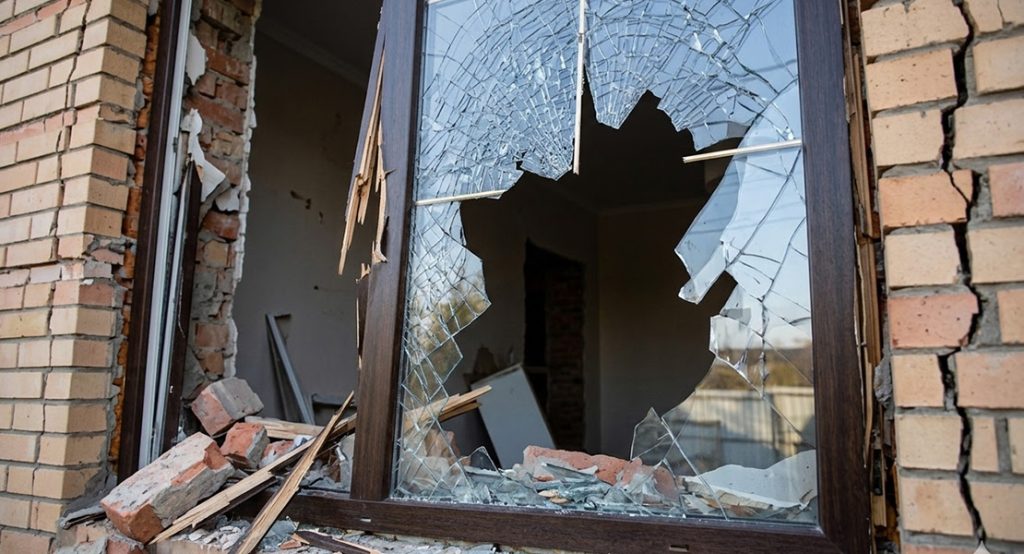
That said, window film still has value even in a large earthquake. It can stop the glass from shattering into dangerous shards in moderate earthquakes - and in a seismic event, that ends up mattering quite a bit. The whole point of window film was never to make the glass unbreakable - it was always meant to make broken glass far less likely to hurt anyone.
A little worry about that makes sense if your home or building sits near an active fault zone. No single product can fix everything in a worst-case earthquake scenario - and window film is no exception. It's still a layer of protection that's well worth having and one that doesn't get nearly enough credit for what it does. From what I've seen, it works best as one part of a bigger safety plan - not as your only safety measure.
Add Window Film to Your Safety Plan
Window film does work, and it's a place to start. It was never designed to carry the full load on its own. It's just one layer in a wider set of steps that are worth taking to get your home or office ready before a quake hits.
During a strong tremor, the film can do its job and hold your glass in one piece - but that won't stop a heavy bookcase from tipping over and blocking your only way out. Water heaters, large appliances and tall furniture all need to be physically anchored to the walls - it's a whole separate project from anything that you do with your windows.
An emergency kit is one of the easiest items to put off until later - and later has a way of arriving at the worst possible time. At a minimum, water, a first aid kit, a flashlight, and a few days' worth of food should all be stocked and ready well before you ever need them. Each item serves a different role, and they all work best together.
If a structural assessment hasn't been done on your building, it's worth scheduling one. A professional can look over your property and find just where your walls, foundations and connections are falling short. Window film is a great protective layer. But it can't make up for the deeper structural problems - and once you know where those weak points are, at least you have a path forward to fix them directly.
Glass is one of the most common hazards during a shake, and window film cuts down quite a bit on the chance of it shattering into dangerous shards. Every layer of protection that you add to your home works together with the rest, and a layered setup like that's what a safety plan actually looks like.
Window film is one of the stronger parts of that plan.
Transform Your View with Professional Tinting
Most property owners who take the time to research window film walk away with a much better picture of what it can do - and what it can't. It's a product that works, and it does deliver. What it needs is the right expectations and the right grade for your situation. The film itself matters. The way it's anchored matters. And where it fits within your security plan matters just as much.
And none of this has to be a big project. A few small decisions can make quite a difference - the right film thickness, as another example, or whether your installer anchors the film to the frame. These are the details that are easy to miss. But they're just as easy to get right if you know what to ask for.
A skilled installer makes all this a whole lot easier - it's just what we're here for. At OC Tint Shop, we've put in years of work alongside homeowners and business owners all across Orange County (Newport Beach to Anaheim and everywhere in between) to help them find the right film for their property. We know the difference between a film that looks great on a spec sheet and one that actually holds up in the real world. Ready to move forward with a professional installation? We'd love to talk through your options with you. Contact us to schedule a free consultation and see what a well-installed window film can do for your space.