
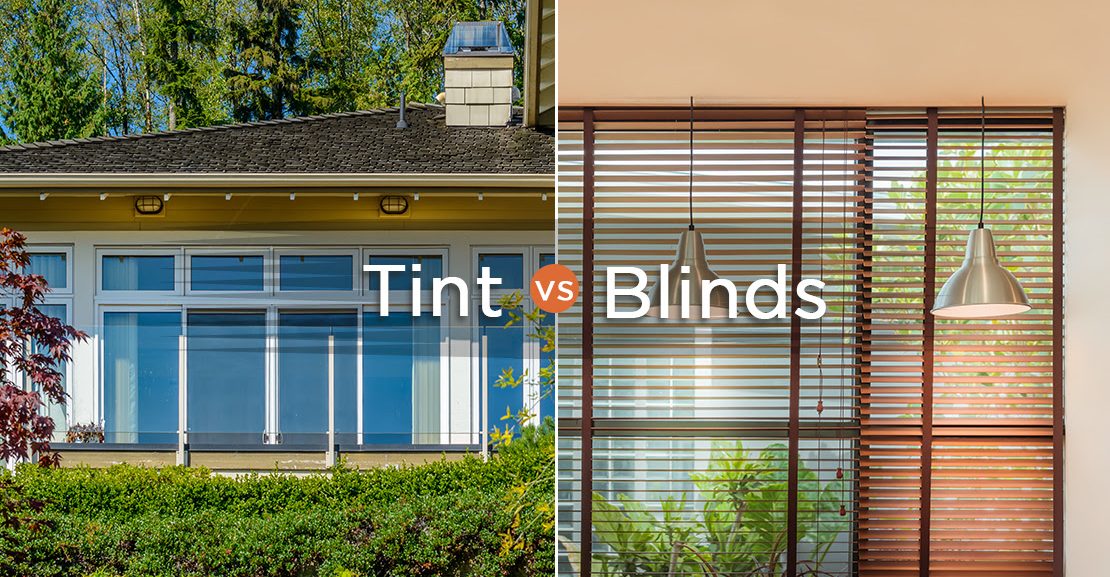
One of the most common mistakes OC homeowners make is to believe that blinds will fix the heat problem. Blinds block light well. That part works fine. Heat is a different matter, though. It passes right through the glass and builds up in a room, whether the slats are open or closed (this matters quite a bit in Southern California, where the sun delivers over 270 days of direct exposure per year). It's more sun than almost anywhere else in the country, which means your windows are actively working against you for a large part of the year.
The two most popular options that homeowners reach for are window tinting and cellular shades. Each of them works a little differently against the heat. Window tinting is a film applied directly to the glass, and it blocks the solar heat before it can even enter the room. Cellular shades are installed on the interior side of the window and trap a small pocket of air between the shade and the glass, which works as an insulating layer. They're both options, and in my experience, the right call can depend on your home's layout, your budget and what's actually driving the problem. They have actual trade-offs that deserve a hard look before you spend a dime on either.
Here's how each one resists the heat during those brutal Orange County summers!
How the Summer Sun Beats Your Windows
Orange County summers are no joke, and your windows take the full force of it. Cities like Anaheim, Irvine and Orange are positioned in a way that sends intense afternoon sun straight into rooms that face south and west. Mid-afternoon, those rooms feel far more like a greenhouse than a place that you'd want to be.
When energy bills start climbing in July and August, most homeowners go straight to blaming the insulation or the AC - which is a fair place to start. Windows don't get nearly as much blame, but they should. Untreated glass can let as much as 80% of the sun's heat pass straight through and into your living space. Once you see that number, it changes how you think about your windows on a hot day.
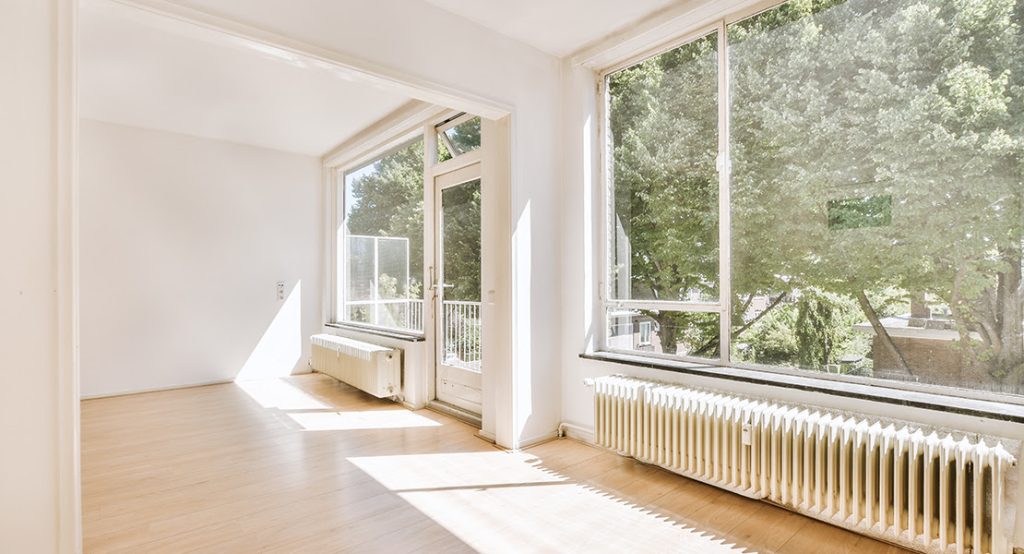
All that heat adds up, and your air conditioner has to work harder to keep up with it. That extra effort shows up directly on your monthly utility bill. Windows that face west are usually the biggest culprits for this, as they take the full brunt of the late afternoon sun right at the same time that outdoor temperatures hit their peak.
The heat that moves through your glass is very real. It's one of the more ignored sources of indoor heat gain that I come across in California homes. Your body already has a sense of what's going on if you've ever walked into a sun-drenched room and turned right around to grab a fan. A little knowledge about where that heat is actually coming from matters when it's time to choose the right fix for your home.
Where Blinds Fall Short on Heat
Blinds are one of the most popular window treatments out there, and it's pretty easy to see why. Affordable and available almost everywhere, blinds let you choose just how much light comes into a room. That control is hard to beat.
Blinds are actually made to block light - not heat. On a hot Orange County afternoon, your blinds will cut the glare if you close them - but the glass right behind them is still pulling in heat from the sun. That heat doesn't have anywhere to go, so it starts to build up in the narrow space between the window and the blinds themselves.
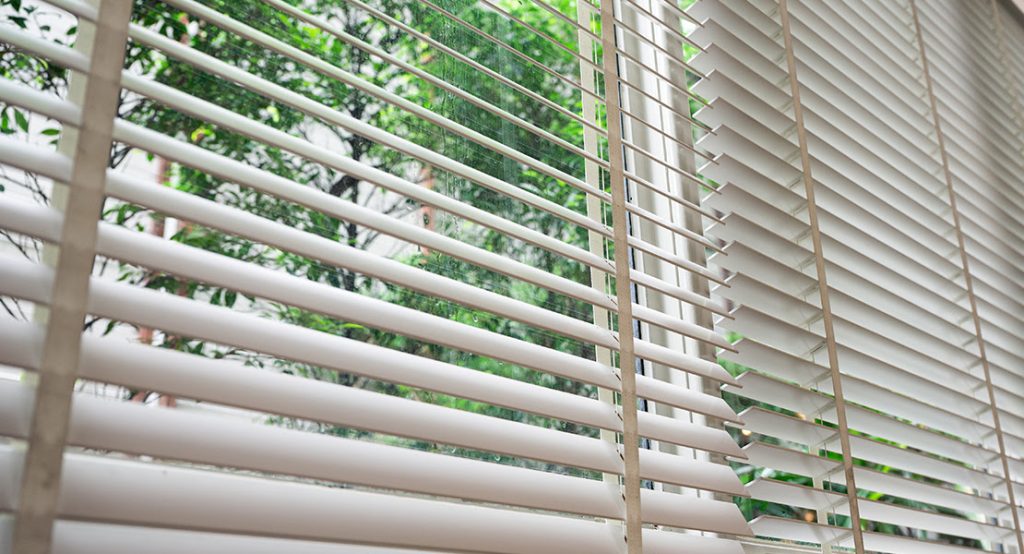
That space is where a big part of the problem lives. The air that's trapped in there warms up pretty fast, and from there it slowly bleeds its way into the rest of the room. A blind that's closed doesn't do much about this - your window is still pushing heat into the room, just more slowly. Your air conditioner ends up working overtime, and the room still never gets as cool as you'd want it to.
None of this is meant as a knock on blinds, to be honest. Blinds earn their place in a home for privacy and light control. That counts for something. But heat and light are two very different problems, and blinds were only ever built for one of them. It usually takes a full summer of rising energy bills and stuffy rooms - even with the blinds closed - before this clicks.
With that covered, the rest of it can depend on what your windows need to make your home comfortable all year.
Window Film Blocks Heat at the Glass
Most window treatments (blinds, shades and the like) wait until heat is already in the room to do anything about it. Ceramic window film works a bit differently. It doesn't wait for heat to get inside first - it acts right at the glass and blocks solar heat at the source before it ever has a chance to come in.
Where you place your window film actually matters quite a bit. Glass is the connection between the sun's energy and your home, which makes it the most natural place to stop heat before it ever gets inside. Ceramic films are designed to block infrared radiation right at the source, so heat never gets a chance to build up in the room.
A quality ceramic film can block as much as 80% of solar heat gain through the glass, and that means quite a bit for your air conditioner. With less heat entering from the start, your AC doesn't have to work nearly as hard to keep the room comfortable. It's not up against heat that's already baked into your walls and floors - it only has to cool a space that never got that warm. It's easier on the equipment and easier on your energy bill.
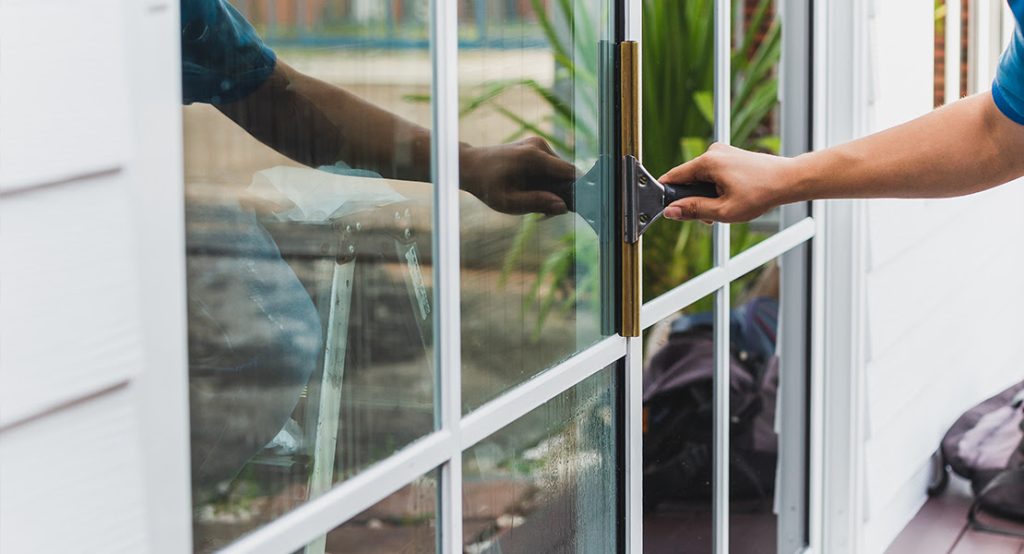
One of my favorite parts of ceramic film is how hands-off it stays once installed. There's no cord to pull, no angle to adjust and nothing at all to remember. The film just takes care of it all day on its own - whether the sun sits low on the horizon in the morning or beats straight down at midday.
Orange County summers are brutal - the sun is relentless, and the heat just doesn't let up until well into the evening. Ceramic window film works around the clock without any input from you. All that passive heat rejection means a whole lot over a long summer. A room with ceramic film will run noticeably cooler than one without it. On a hot July afternoon, you're going to feel that.
Stay Cool Without Losing Your View
Plenty of homes in Orange County carry a premium for one reason - the view. Canyon views, ocean glimpses, distant hills or just a landscaped neighborhood street - whatever caught your attention during the tour was probably a big part of what made you put in an offer. That's still something to see as you look at your heat control options.
Blinds do block light, and nobody's going to argue otherwise. The trade-off is that they cut off your light for it - your line of sight included. On a hot July afternoon, the only way to get any comfort is to close them all the way, and at that point, the view just disappears. Summers run long in Orange County, and the sun beats down hard for most of the day, so the trade comes up over and over again.
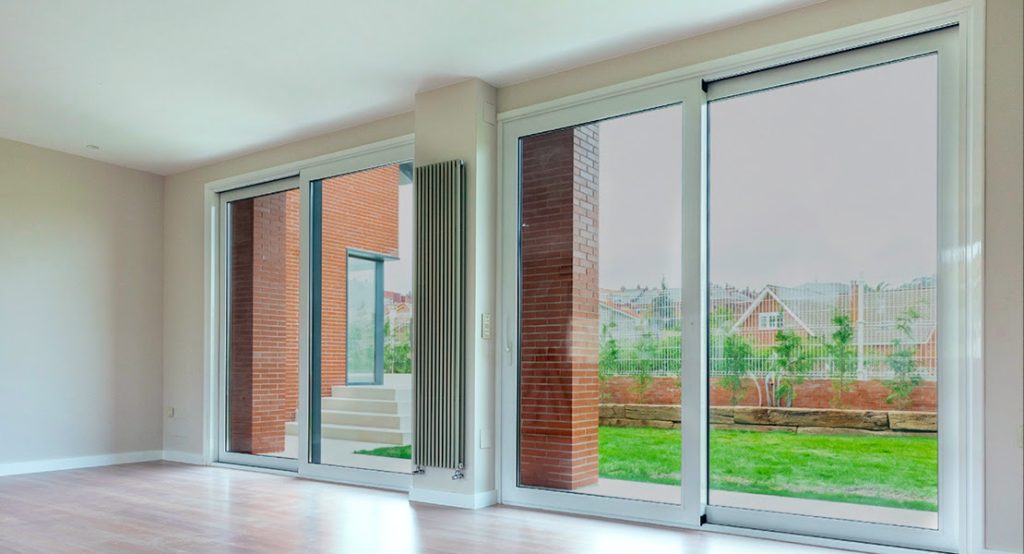
Window film works a whole different way - it goes directly onto the glass itself and from that point on it quietly filters out the heat and UV (no levers, no cords and nothing to open, close or fuss with). The view stays just as it was, whether it's a Tuesday afternoon at the peak of summer or a bright winter morning where the light hits at that low sideways angle. Nothing is physically mounted in front of your windows, so nothing ever gets in the way of what's on the other side.
For plenty of homeowners, that's what counts. If the view was part of what drew you to your home, a covered window every afternoon does carry a cost - even if that cost never shows up on a receipt. Window film gives you a way to stay comfortable without giving up one of the main features that made your home worth buying.
Window Tint for Energy Savings and Title 24
Window tint and blinds are two decent options for light and privacy control, and for most needs, they get the job done. Tint works around the clock to block heat right at the glass, which means your air conditioner doesn't have to work nearly as hard to keep the temperature down. Blinds let heat into the room before they can do anything about it - the extra heat load will show up on your energy bill over time.
The financial side of it is only part of the picture, though - there's also a regulatory angle to keep in mind. California's Title 24 energy code has been moving steadily toward window film, and it now applies to new builds and home renovation projects. If any remodel is on your radar, the window treatment that you choose can make or break whether your project passes inspection - it's not something that you want to find out for the first time halfway through the permit process.
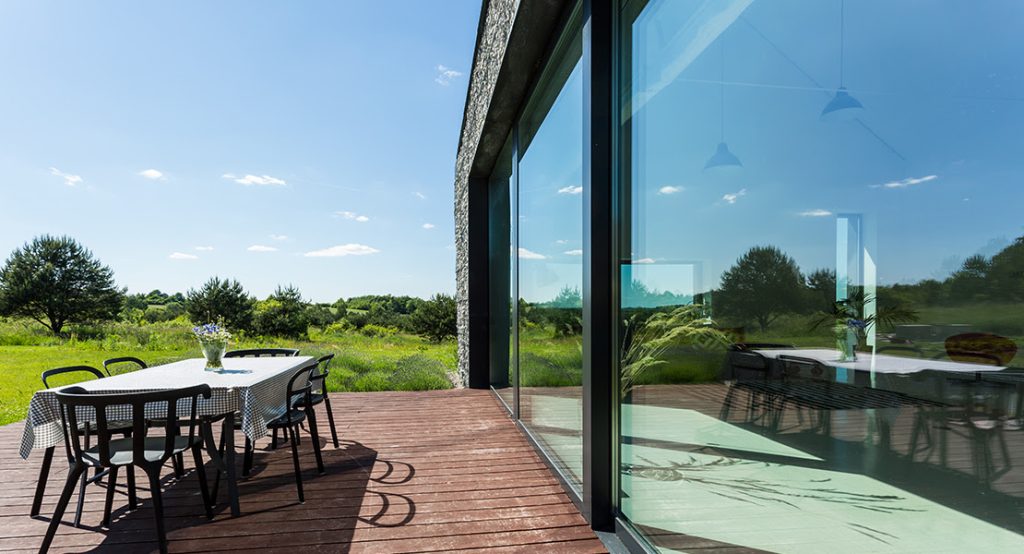
During an energy compliance review, a contractor might flag your window setup - and blinds alone won't always meet the code for some project types.
None of that means blinds are off the table. When you're already putting money into a renovation anyway, window film gets you the energy savings and the code compliance all wrapped up in one product. The cost of tint is higher than a standard set of blinds - no question about it. With how California's energy codes have shifted over the years, though, film has become a much better long-term play for plenty of homeowners out here - and in my experience, it's the upgrade that ends up paying for itself in more ways than one.
Why Tint and Shades Work Better Together
What makes this pairing work well is that each product covers what the other one can't do on its own. Window tint is invisible once installed (no adjustments needed, no moving parts), which makes it a passive option for windows that face south and west and take the brunt of direct sunlight all day long. Cellular shades let you control how much light comes in at any given time, and they'll also block the view from outside once it gets dark and your interior lights are on.
The whole "tint vs. shades" debate tends to feel like a competition where you have to choose a side. Quite a few homeowners who start out by comparing the two wind up with both, and once they've spent some time with the combination, most of them will tell you that it performed better than either product would have on its own. The point is how well the two of them work together.
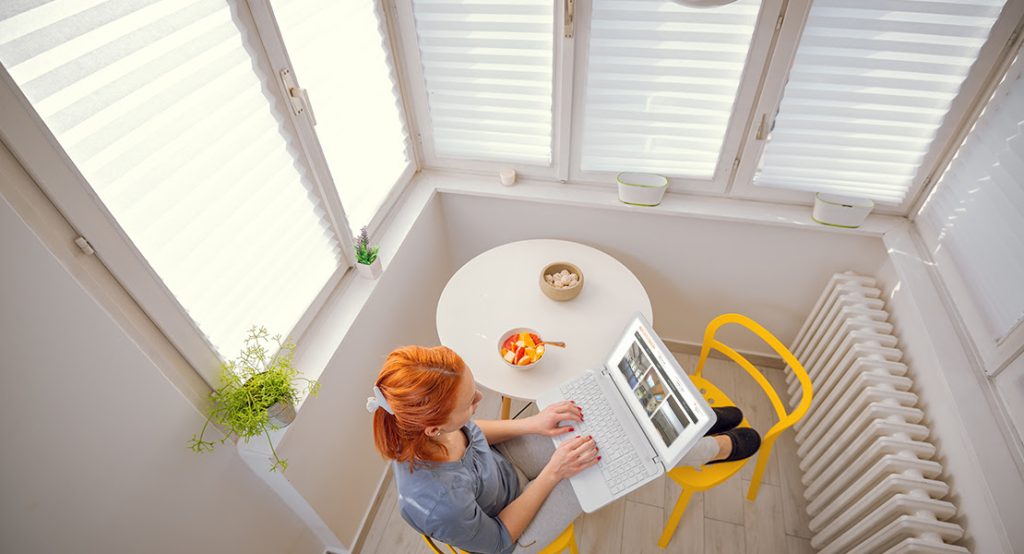
One bonus of the combination is what it does to your budget. You can go with a more basic option (a thinner fabric or a lower price point) and still get great results, since window tint is already taking care of most of the heat reduction, and your shades don't have to carry the full load on their own. Without tint in the mix, that same shade would probably need to be heavier or more insulating just to manage the job well - and the extra material is what ends up adding to the price.
As window treatment pairings go, it's underrated - and I've seen it change rooms that had no answer for it. The two products divide the workload between them, and the cost stays in check, and what you wind up with is a more polished result than either one could deliver on its own.
The Real Cost of Tint and Blinds
The price tag on blinds always looks pretty fair, and a chunk of the time it is. Orange County summers are pretty brutal on window coverings, though - most sets will start to warp, fade or fall apart within just a few years. From there, you're looking at replacements, and those costs add up in a pretty short amount of time.
Window tint also has a much longer lifespan going for it. A single up-front cost gets spread across far more years, since a quality installation can hold up for well over a decade and never needs to be redone.

The price difference between the two options starts to look a whole lot smaller once you run the numbers on a per-year basis. The other big factor here is what each option actually does to your energy bill. Window film blocks most of the solar heat before it ever gets into your home, which alone takes a load off your AC system. After a hot Orange County summer, those monthly cooling savings pile up into real money on your bill, and that continues year after year.
Blinds do give you some control over light and heat - it's not nothing. The actual issue is where they sit - heat has already built up at the window by the time the blinds can do anything about it, since they're on the inside of the glass. Window film works differently because it blocks heat from the outside and stops it before it ever gets through the glass, which is what makes it quite a bit better at cutting back on the load on your AC.
A straight price comparison between the two options almost never tells the full story. To get the actual number, you have to account for replacements, any repairs that do come up and the energy savings that accumulate over 5 to 10 years. Put all that together, and window tint tends to pull ahead - usually by a wide margin.
Transform Your View with Professional Tinting
Every home is different, and every homeowner has different priorities. Energy savings could be at the top of your list, or maybe keeping your views unobstructed matters more (or maybe your living room just turns into an oven by three in the afternoon) - it's what brought you here. No single answer works for everyone. But a better fit for your home usually exists - start with what your windows are doing to it.
Heat and light are actually two separate problems - start treating them that way, and the whole choice gets much easier to think through. A window can block one without blocking the other, or it can let both in at the same time - and the right covering makes the difference. What's on your windows, or what isn't, is what determines which side of that you're on.

With that in mind, if you're ready to see what your windows could be doing for your home, OC Tint Shop is a great place to start. We've worked with homeowners all across Orange County, from Anaheim to Newport Beach - and the right film can make a pretty dramatic difference in a home that takes a beating from the afternoon sun. Our team is happy to talk about your options with zero pressure, so the choice that you make fits your home, your budget and the way you want to live in your space. Contact us to set up a free consultation and find out what professional window tinting can do for your home.