
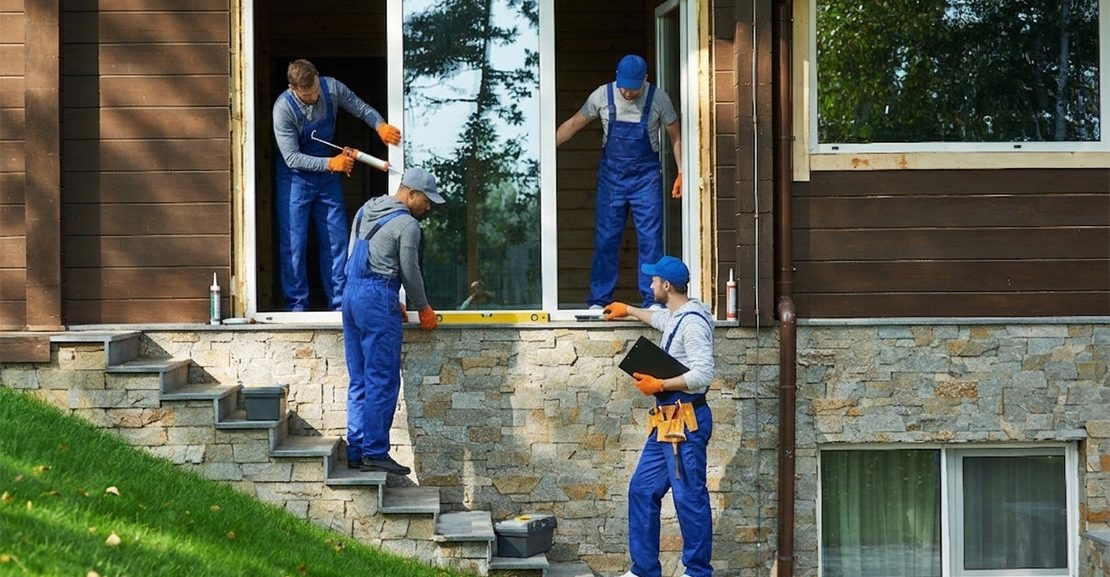
California's Title 24 energy code got much tighter when the 2022 standards took effect on January 1, 2023 - and Orange County home builders have had to adapt ever since. The permit timelines got shorter, window specs that had passed inspection a year earlier came back as failures and buyers still expected premium glass and plenty of natural light. The pressure to keep everything on track without letting the project schedule slip can put a strain on any build.
Window film tends to be where most of this pressure lands. The assumption that most builders make is that if a film is marketed as "energy efficient," it'll pass a building inspection - and most of the time that's what gets projects into hot water. NFRC certification, CF1R documentation and SHGC limits for each climate zone are all separate boxes to check, and each one needs to be dealt with on its own. A film that passes inspection on a coastal Huntington Beach project could fall short on an inland Yorba Linda build - a problem that might not come up until the inspector is already on-site. With two projects only 20 miles apart, the climate zone difference alone can be enough to derail the whole job.
The calls a builder makes will affect homeowner satisfaction for years after that certificate of occupancy gets signed, since fenestration accounts for as much as 30% of a home's heating and cooling costs. From where I stand, it gets ignored far too much.
Let's dig into the Title 24-compliant window films for your OC home build!
What the Title 24 Update Means for Builders
Title 24 is California's energy code, and it covers quite a bit - insulation, lighting and the windows in a building, among other components. For home builders, the window part of it (what the code calls fenestration) is usually where the permit process starts to get a bit tough.
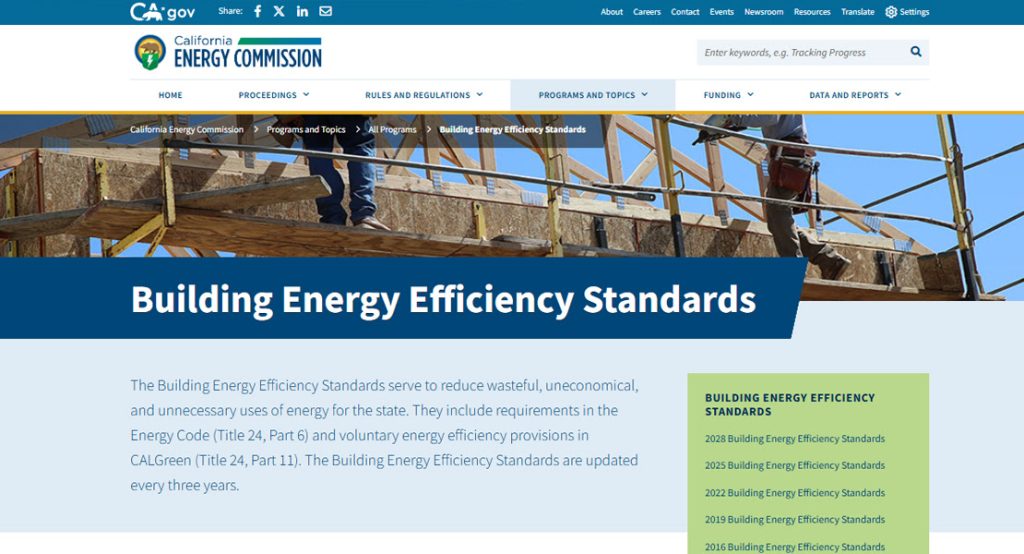
The 2022 update put stricter limits on something called Solar Heat Gain Coefficient, or SHGC (this number measures the amount of the sun's heat that actually passes through a window and into a home). A lower score means less heat gets through. The number itself is easy enough to track. But those updated thresholds carry actual consequences for what gets approved at the inspection.
The 2022 version pushed the acceptable SHGC thresholds lower than they were under the previous code. A window spec that had passed inspection a few years ago might not pass. That puts plenty of builders in a pretty tough position - especially when the plans are older, or the windows are ones they've ordered for years without a single issue. It's the sort of update that doesn't get much attention until a project gets held up at the permit counter.
Window film is one of the more workable ways to bring a window into compliance without having to replace the glass. A film on the interior or exterior surface can pull the SHGC reading down far enough to meet those thresholds - and in plenty of cases, it's considerably faster and cheaper than it would be to replace the glass altogether. That said, the film does need to be well tested and rated to back up the numbers it shows. The documentation needs to go in with your permit submission. Inspectors are going to want to see it, and a product claim on its own won't cut it.
How Your Climate Zone Decides the Right Film
Orange County actually spans two separate climate zones, and the one that your project falls into will decide which window films are going to pass inspection. The coastal cities (Dana Point, Laguna Beach and Newport Beach) all fall under Climate Zone 8. Head inland toward Yorba Linda or Anaheim Hills, and the zone changes over to Climate Zone 10.
Every climate zone carries its own performance standards for windows and window films, and Zone 10's are some of the strictest. Inland areas see much hotter summers and far wider temperature swings than coastal regions do, and that's what pushes the standards higher out there.
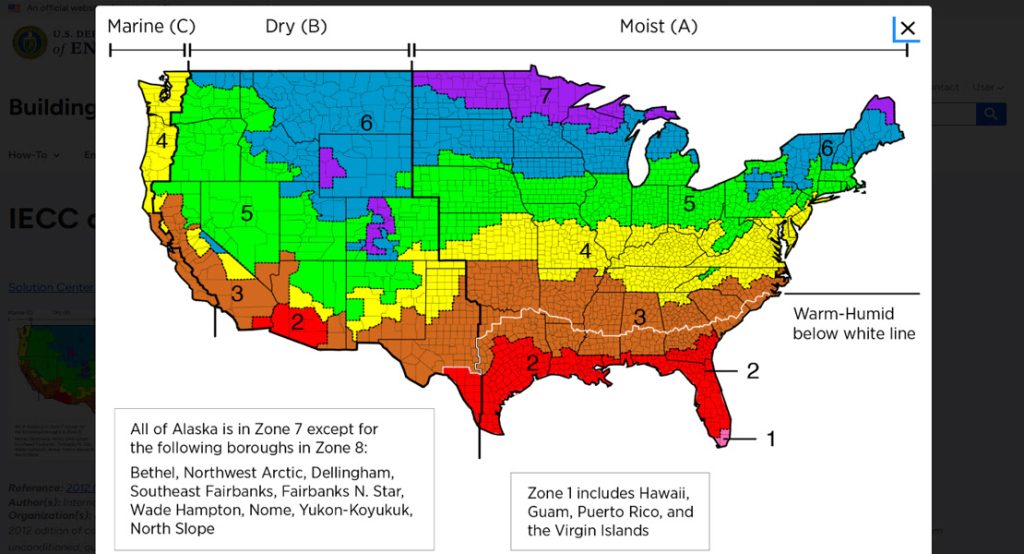
A window film that gets approved for a Dana Point build might not pass inspection on a Yorba Linda project. The film itself could be identical (the same product and the same specs), but the zone standards between those two locations are a different story. That's where plenty of builders run into problems, and it's almost never because they picked the wrong product. In most cases, it's because the zone that their job site falls into wasn't part of the conversation early enough in the process.
These details should be confirmed before a project gets too far along. Orange County's zone boundary doesn't follow a single clean line across the map, and a handful of cities have neighborhoods that straddle the two zones. A parcel in one part of Anaheim can fall under a whole different set of specs than the one just a few miles away. A fair number of the spec errors that I see on these projects trace right back to that step. The most reliable way to know where your project lands is to pull up the California Energy Commission's climate zone map and check your parcel against it before you put your material specs together.
What the SHGC and U-Factor Numbers Mean
Pull up any window film's spec sheet, and two numbers are going to show up. They matter quite a bit, and it's worth learning about what each one is telling you.
SHGC stands for Solar Heat Gain Coefficient - it's the number that tells you how much solar heat makes it through the glass and into your home. A lower SHGC means less heat gets through, which is what you want in a warm Orange County climate. The scale runs from 0 to 1, and the closer that number gets to zero, the harder the film works to block solar heat.
The U-factor is actually a separate measurement altogether. Where SHGC is focused on solar heat gain, the U-factor is about how well a window can resist heat moving through it - even the kind that doesn't come from direct sunlight. On a hot evening, once the sun has already gone down, the U-factor is the number that does most of the work.
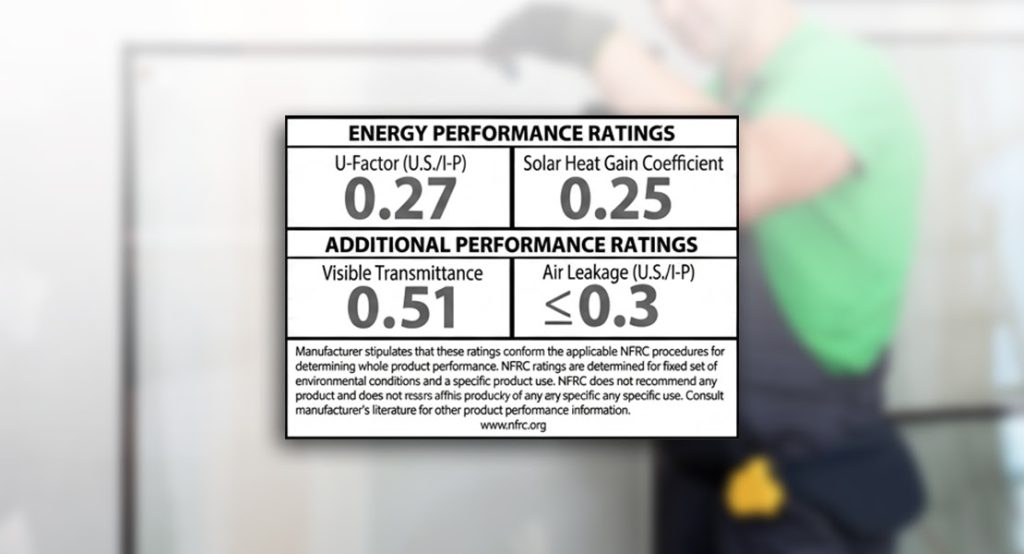
For builders, that's where the two numbers start to matter together. A film can have a great SHGC rating and still fall short on energy performance if the U-factor isn't where it needs to be. Title 24 looks at both values for just that reason - a window that blocks solar heat but still leaks ambient heat hasn't fixed anything. One number alone is only going to get you halfway there. Figures need to fall within the thresholds for your climate zone - it's why the full picture matters when you spec a film.
The NFRC Certification Is Not Optional
Numbers on paper will only get you so far. The verification process is where builders lose the most time on a project, and it's worth having that in mind well before you're deep into it.
The National Fenestration Rating Council is actually set up for just this - they test the film and glass together as one combined unit and document the results that way, instead of as two separate line items. That distinction matters.
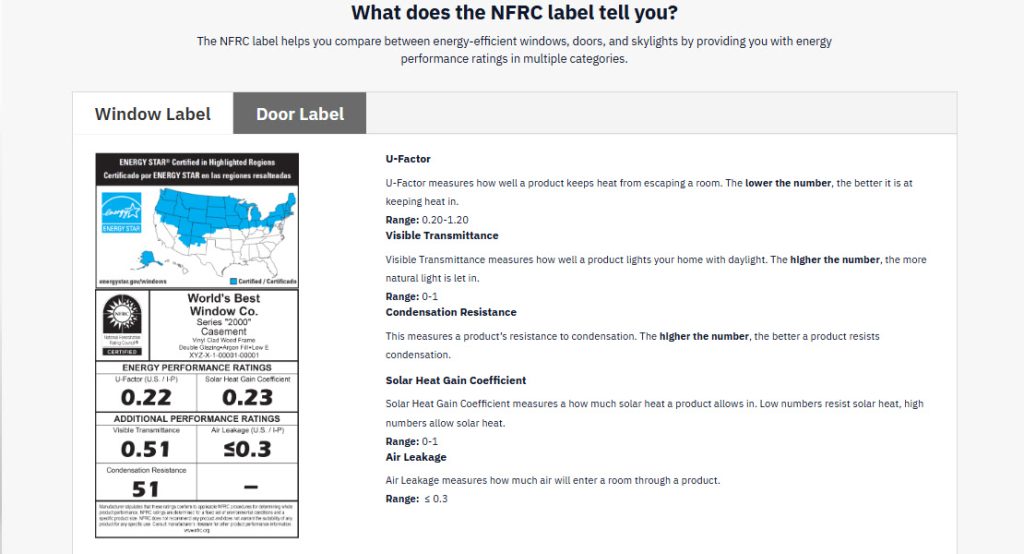
A standalone film rating doesn't tell you everything. The same film can score well on standard glass and then perform noticeably differently on a low-e or tinted substrate - every glass type reacts a little differently when it's paired with the same film. A combined test of the film and the substrate gives inspectors a clean number that they can reference in their records, with no guessing involved - it's a much easier position to be in when an inspector shows up and starts asking questions.
Most of the big-name film manufacturers out there have already done the work on this - they'll usually have a number of NFRC-tested film-and-glass combinations on file with supporting paperwork to back it up. Once you settle on a film product, it's worth a call to your manufacturer or distributor to ask whether a pre-tested combination already exists for the glass that you're working with. It usually does. If one isn't out there for your glass type, they can usually point you toward a close match or let you know what your options are.
That paperwork is what an inspector will want to see.
Window Film Specs and the CF1R Form
The right window film is only part of the job. The part that actually holds back so many otherwise solid projects is whether that film is listed correctly on your CF1R compliance forms - with everything squared away well before anyone stamps an approval.
The CF1R is the form that documents your home's energy compliance - it's what inspectors reference to verify that every part of the build is meeting Title 24 standards. Any window film on the property needs to have its specs listed on that form, or as far as the inspection goes, the film might as well not be there at all. That missing information alone can put a permit review on hold as somebody has to track down the right paperwork - and delays like that can run much longer than you'd want.
Builders run into this all the time. When it does happen, the only option is to put the project on hold, track down the missing specs and resubmit it - and on a tight deadline, that sort of delay can cost you.

A handful of film manufacturers put together full Title 24 documentation packages specifically for this. The whole package is built to work directly with the CF1R process, with the numbers, ratings and certifications already organized in one location and ready to hand off. A manufacturer that has this sort of support built in can cut out the unnecessary back-and-forth with your energy consultant or permit office - and sometimes you'll stay away from a few rounds of it altogether.
Bring this up early in the planning process - well before the inspection stage even comes up. In my experience, the projects that go the smoothest are usually the ones where this was handled at the front end instead of scrambled together at the last minute.
When a Film Is Not Enough
You don't have to hit a fixed target on every window - the building's design as a whole can pick up some of that load on its own.
Tools like EnergyPro let you model the entire building all at once - there's no need to look at each component on its own. What that means in practice is that strong wall insulation, a high-efficiency HVAC system or other upgrades elsewhere in the build can compensate for a window assembly that wouldn't pass by itself. The whole building gets scored as one package, instead of as a series of separate parts.
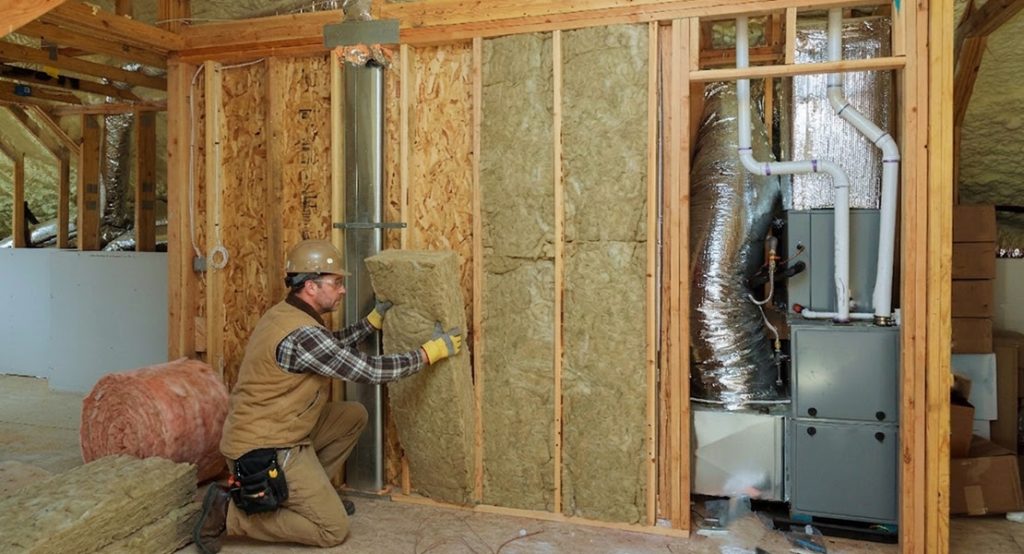
Lots of builders ask why they'd go this way when it means more work on the front end - it's a fair question. On some jobs, it can be cheaper to upgrade insulation somewhere else in the build than to track down the right film for every window on the plan. That trade-off is very real, and it's worth doing the math before settling on a window spec.
Neither path is always the right call - it's about the scope of the project and how tough it is. On smaller jobs, the prescriptive path tends to be faster and easier to follow, with less modeling, fewer variables and a more predictable finish line. The performance path gives you far more flexibility on bigger builds - one strong part of the design can make up for another area that falls a little short.
From what I've seen, builders who know both paths usually make their spec decisions much earlier in the process. That knowledge puts you in a much better position to see what actually works for your project.
Transform Your View with Professional Tinting
The great news is that once you get a feel for what the code is asking for (and why it's asking for it), the whole process starts to feel quite a bit less uncertain. From there, it's just a checklist, and if builders are great at anything, it's a checklist.
A home that works just the way it's supposed to (no last-minute fixes, no delays, no homeowners calling you after move-in day) is a home that earns your reputation on its own. Word gets around fast in this industry. A builder who actually delivers on what they promised is one that clients come back to and refer their friends to. That reputation is worth a whole lot more than the extra time it takes to get the window film specifics right from the start.
For anyone working on a project in Orange County who wants a local team that already knows what inspectors are looking for, OC Tint Shop is worth a call. We've partnered with builders all over the county, in the coastal neighborhoods near the water and the hotter inland communities. We know how much it all matters out here. The film choice, compliance documentation and installation - we've been through it enough times that I'd rather help you get ahead of any problems early than have to fix issues after the fact.
Reach out by phone or online, and we can cover your options, answer any questions that you have and make sure that everything is in order well before an inspector ever sets foot on the job site.