
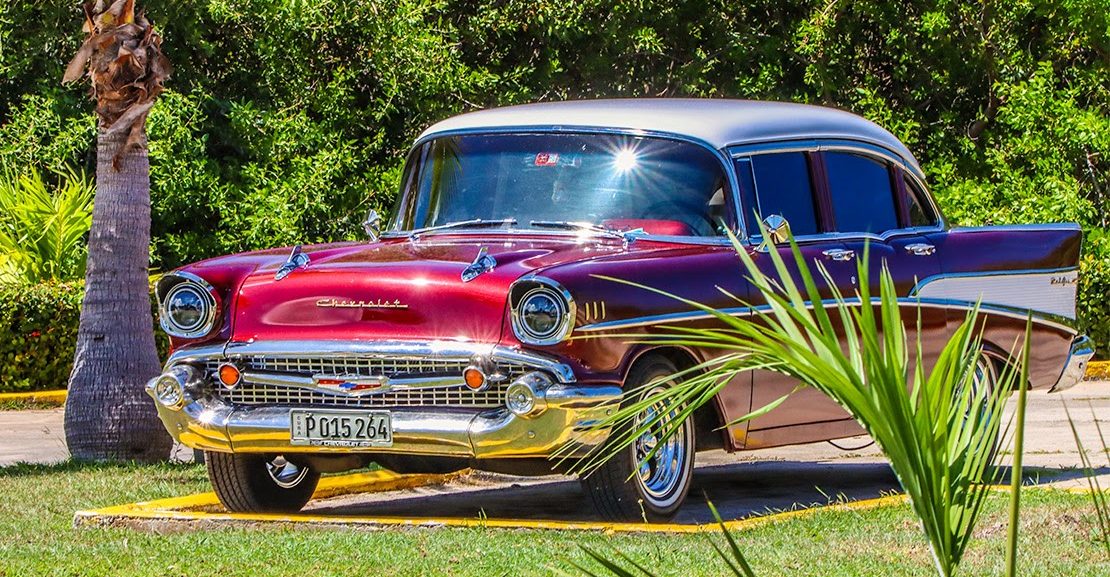
Owning a classic car along the California coast is a true source of pride - and with reason. The scenery is beautiful, the drives are pretty great, and a beautifully restored vintage car fits right into that whole picture. The catch is that the very same Pacific sunlight and salt-heavy air that make the whole experience so worthwhile are also working against your original leather, dashboards and trim - slowly and relentlessly, day after day.
For most vintage car owners, window tint never enters the picture until something goes wrong - a cracked dash or a faded seat that no amount of conditioning will ever fix. At that point, the damage is done, and it's not coming back. It's the kind of job that's easy enough to put off, and by the time most owners get around to it, it's already too late.
California's window tint laws are pretty strict, and the penalties are very real if you're on the wrong side of them. Add a coastal environment to the combination, and you've also got the salt air working against low-quality film at a much faster rate than you would see with an inland installation. With vintage glass thrown into the mix, there's almost no margin for error during the install - one wrong move and you're looking at damage that's expensive and pretty hard to undo.
And collectors just won't go near any modification that changes the factory look of their vehicle - it's a fair stance and worth respecting from the start. Pull this together, and it's a much bigger call than a quick stop at whatever tint shop is closest. Do it right, though, and the payoff is well worth it - the car holds its value, stays road-legal and keeps the character that made it worth restoring.
Let's find the perfect tint to protect your classic car along the coast!
California Tint Limits for Your Classic Car
California law holds all front side windows (on any car, classic or not) to a minimum of 70% visible light transmission. That percentage is a direct measure of how much light actually passes through the glass. Anything darker than 70% on your front side windows is flat-out illegal in the state, no exceptions.
Classic car owners are in a slightly different situation. Vintage vehicles already draw more attention from law enforcement during traffic stops - mostly because older cars have a long history with aftermarket modifications. A tinted window on a 1967 Mustang will get more scrutiny than the exact same tint would on a brand new sedan.
The fines alone can run into the hundreds of dollars, and an officer has the legal authority to order the tint removed before the car is allowed back on the road. Plenty of owners have run into this exact problem, and the costs pile up in a hurry - a citation, a shop fee to strip the old film and then another bill to have legal tint put back on. All in, it turns into a pretty painful hit for something that's been on the books the whole time.
A classic car that fails a window inspection is also going to be a much harder sell when the time comes. Most buyers don't want to take on another owner's compliance problem (especially one that's going to cost money to fix), which alone can slow the process down or derail a sale.
California's tint laws are set at the state level. But a quick check with your local county is always a smart idea before any final decisions. Some jurisdictions have their own standards on top of the state ones, and vehicles that are older or have been modified can fall into gray areas that the standard state summary doesn't always address. It's worth taking that extra step before committing to any tint.
Salt Air Will Ruin the Wrong Tint
Coastal California is a different world for window film. The salt air and humidity that make places like Malibu, Santa Barbara and Monterey so beautiful are also pretty hard on adhesives. Inland cities stay much drier, and film installed there has far less working against it over the years. The coast is a very different situation, though.
Low-grade film and salt air are a rough combination. Over time, moisture creeps into the edges of the film and slowly eats away at the bond between the adhesive and the glass. Once that starts to go, it won't be long before bubbles, peeled corners and a hazy delamination effect start to appear - and on a classic car, that damage is the last problem you want.
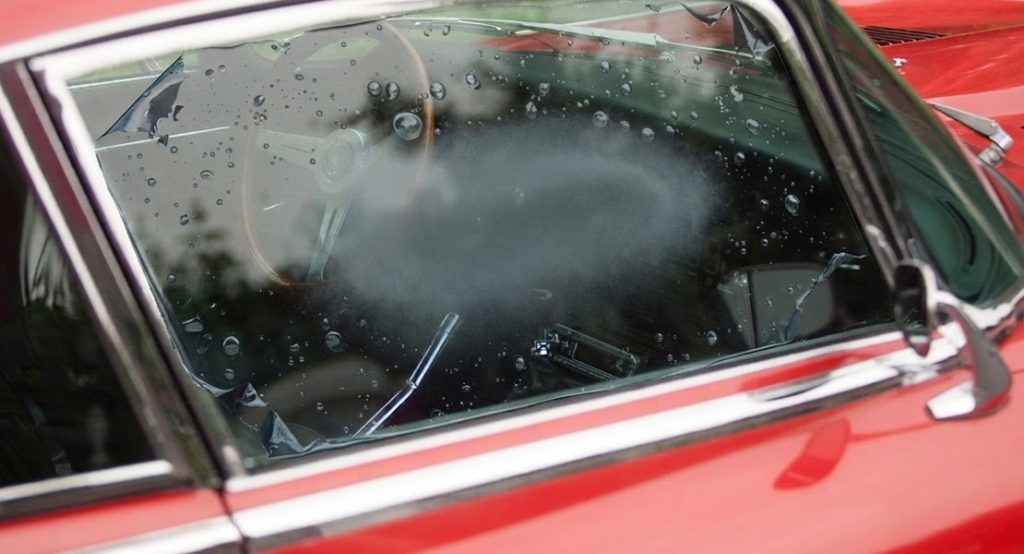
Marine-grade adhesives are specifically designed for this type of environment - they grip glass and hold up much better against steady moisture and salt exposure. If your classic car lives near the coast, the grade of adhesive that your installer uses is one of the bigger details worth asking about before moving forward with an installation.
The film itself matters just as much as the adhesive, though. Even a skilled installer can't compensate when the film isn't right for the job - coastal environments are unforgiving, and inferior materials will eventually show it. The right film paired with the right installer is the only way to go on a coastal job. It's the combination I always point classic car owners toward when coastal installs come up, and it's what lets a classic car look the way it should for years to come.
Why Ceramic Film Works for Classic Cars
Ceramic film has slowly become one of the most popular window film options for classic car owners up and down the California coast, and it's not hard to see why. With no metal layers anywhere in the film, it can still block as much as 99% of UV rays - and your radio signal and your external antenna come out untouched. For a vintage car with all its original factory electronics still working as they should, that actually matters quite a bit.
The interior of a classic car is usually the hardest part of a restoration to get right. Original leather seats, factory dashboards and period-correct trim panels are either flat-out impossible to find or absurdly expensive if you ever do track one down. A few years of coastal sun on unprotected glass is enough to crack a dashboard, fade the upholstery and lift the edges of the original trim right off - and once that damage sets in, it's nearly impossible to undo.
For collectors, an untouched factory interior means a great deal - and its value is tied directly to originality. A car with its original parts still in solid condition will hold its value much better than one with replaced or refinished parts. Sun damage is one of the quieter threats to long-term preservation, largely because it doesn't happen all at once - it works its way in slowly over time, and by the time it's visible, the damage is already done.
Ceramic film installs between the glass and the interior, doesn't add any heat or distortion, and it does its job all on its own (no maintenance, no fuss), which makes it a great fit for a car that spends its weekends near the water or out on sunny coastal roads. Dashboards that have been exposed to years of direct sunlight can fade, whiten and crack in ways that are pretty hard to reverse, and plenty of owners will tell you that they wish they'd done something about it sooner.
With a car that already has this much going for it, the interior is well worth the investment.
Clear Film That Keeps the Factory Look
For some classic car owners, the whole point is to have everything look just the way it rolled off the factory floor - no tint, no added gloss, no hint of anything applied at all. Nearly invisible UV-blocking film was practically designed for that. With a visible light transmission rating between 80% and 90%, it gets about as close to invisible as window film can get.
At that level, the film is nearly invisible to the naked eye - with full UV protection and zero visual change to the car, inside or out. No tint, no haze, no nothing. For most owners, that's the perfect result.
Car show judges have a very sharp eye for anything that doesn't look factory, and even the slightest hint of tint can cost you points. In the collector world, a vehicle's original appearance is everything - and a nearly invisible film is one of the very few ways to protect the paint without affecting any of that.
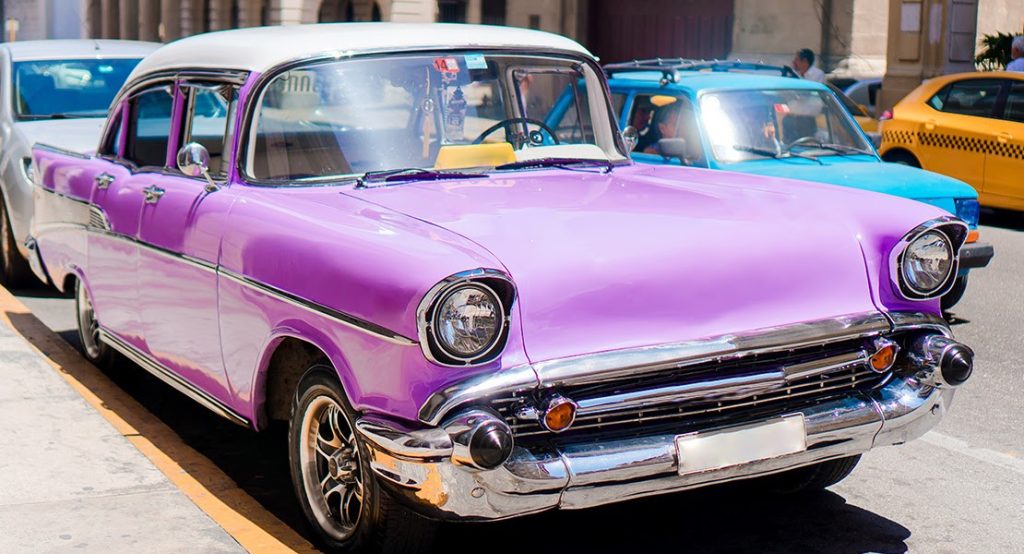
The trade-off is worth pointing out, though. A darker film would do a much better job at cooling the cabin and keeping the heat from building up - it's not a small matter. Nearly invisible film puts preservation first and performance second, and for a car that spends more time on a show floor than out on the road, that's a sensible way to go.
That said, if what you're after is protecting the original upholstery and trim without anyone ever being able to tell the glass has been touched, nearly invisible film does deliver on that. The UV protection is still there, the interior materials are still covered, and the car looks every bit as stock as the day it left the factory.
That's the whole appeal. Nearly invisible film does its job without drawing any attention to itself - no visual compromises, no changes to how the car looks, just the car as it should be. For collectors who want the car to look as it did from the factory, it's usually the right call.
Old Glass Is Best Left to a Pro
Classic cars were rarely built with flat glass. Windows on older vehicles have all kinds of curves and angles that you just don't see on modern cars - that geometry alone makes window film a whole lot harder to work with.
A standard DIY tint kit's built with modern windows in mind. Try to press film onto a sharply curved or unusually shaped surface, and you're going to get wrinkles, air pockets and edges that just won't lay flat - no matter how much effort you put into it. What's worse is what can happen when something goes wrong on the vintage glass. A bad install can leave permanent scratches or stress marks on windows that are just hard to come by.
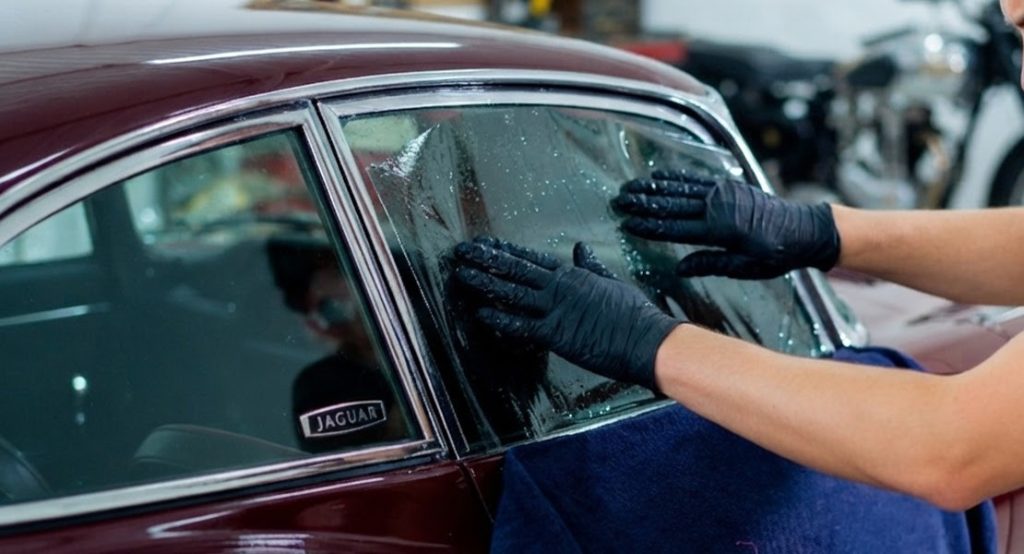
What makes this especially frustrating is that classic car glass isn't something that you can just reorder. Many of these windows haven't been manufactured in decades, and a cracked or permanently scratched pane can mean months of hunting for a replacement - sometimes without ever landing on an exact match. In my experience, this tends to spiral into a much bigger project, and it's almost never a quick fix.
None of this is meant to steer anyone away from a DIY project altogether. With a classic car, the stakes are a bit higher, and the margin for error is a bit thinner. A professional who has had experience with vintage vehicles will know how to read the glass long before they ever touch it - the way it curves, the places where it tends to be most vulnerable and how to work the film around those contours without putting any stress on it. Those windows have already held up through decades of heat, cold and weather. A little extra care at this point is well worth it.
Get the Shade and Film Right for You
With a show car, how it looks is everything. The tint needs to work with the body lines without stealing attention away from the paint itself. Lighter ceramic films are usually a great fit for something like this - the color and finish stay the focus, and you still get UV protection so your interior doesn't fade over the years.
Coastal cruisers are a very different situation. Salt air is brutal on window film - a product that performs just fine in an inland climate can start to lift, bubble or discolor when it's exposed to ocean air day after day. For whatever reason, this almost never comes up when owners are out there shopping for their tint.
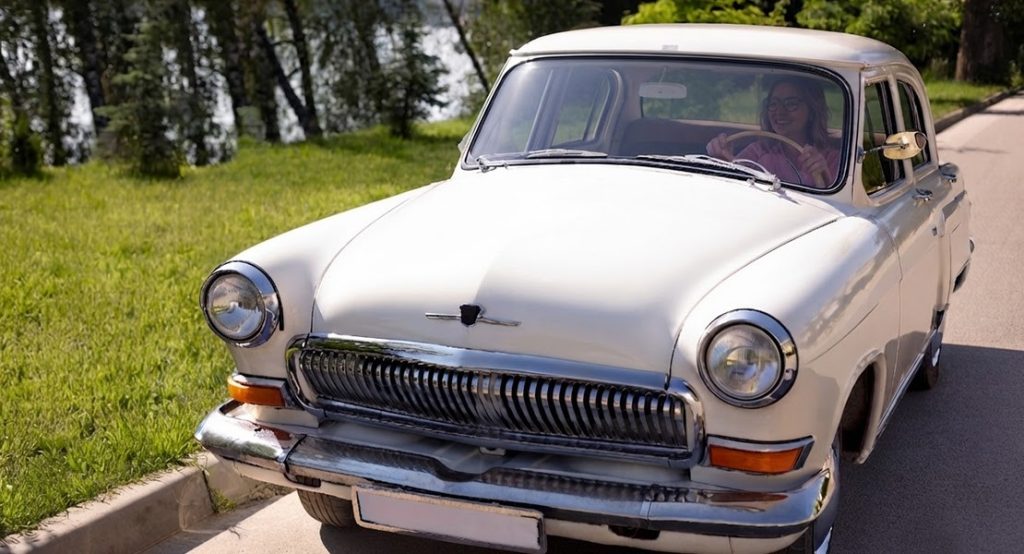
There are a few points worth thinking through before anything else. Think about how much direct sun this car gets in a week, whether you park it outside near the water and what the darkest tint California lets you run on each window. That last one matters, because California's tint laws apply to classic cars just as much as they do to any standard car out there.
Once you work through those answers, the choice gets much easier - it just comes down to matching the right film to your lifestyle and to how you store your car. And the vehicle that needs the most protection is usually the one that's parked in an open garage, a block from the beach, day after day without ever moving. That car is still being damaged whether anyone's actually driving it or not.
Transform Your View with Professional Tinting
Coastal California is beautiful. But it's legitimately brutal on vehicles. Salt air, intense UV and the steady marine layer moisture - it all takes a toll over time. The film type, adhesive quality, shade and the installer that you pick all matter quite a bit here. Get those right, and the protection will hold up for years. Get them wrong and it won't.
The ideas covered here are simple - make sure everything stays legal, use materials that are built for a coastal environment and get the work into the hands of a technician who actually knows their vintage glass. All three matter as you try to preserve something that only gets harder to restore with each passing season. The sun and the salt don't take breaks, and they will grind away at the unprotected glass and trim for as long as you let them.
The team at OC Tint Shop has spent years working with vehicle owners all across Orange County who legitimately care about the little details. From Newport Beach to Anaheim, we've handled everything from daily drivers to show cars, and every project that comes through our doors gets that same level of care and attention. Our technicians know what separates a standard installation from the precise work that vintage glass calls for - and we use materials that are built to hold up in the exact environment that your car lives in. When you're ready to take the next step, we'd love to be the ones to help. Contact us to schedule your free consultation and find out what a quality installation will do for your car.