
Glass almost never makes it onto most earthquake preparedness lists - at least not until you wish it had. For homeowners in Orange County, that's a gap worth accounting for. The Newport-Inglewood Fault runs roughly 10 miles west of most local communities, and the Elsinore Fault sits about 20 miles to the east, and each has the potential to cause damage in a seismic event. During the 1994 Northridge earthquake, which measured 6.7 in magnitude, broken glass was one of the leading causes of cuts and injuries reported in homes across the region.
Most homeowners concentrate on structural problems (the roof, the foundation, the chimney) and windows usually get pushed to the back of the list, which makes sense given that glass safety almost never comes up outside of contractor conversations. FEMA data on seismic retrofits shows that non-structural measures can cut glass-related injuries by as much as 40% during a quake. That's quite a number.
Safety film is one of the most direct ways to close that gap without a big renovation. With safety film on your windows, shattered glass stays in place - the broken fragments stay bonded together even after the glass breaks and won't fly inward toward anyone nearby. Homeowners are skeptical the first time they hear about it, and that's understandable - it does sound almost too easy for what it does.
Below I'll cover how safety film actually works at a technical level, which thickness to choose for protection, what professional installation costs here in Orange County and how the film stacks up against the other options out there.
Let's start with how safety film can protect your home during an earthquake.
The Glass Danger in Orange County Homes
Orange County sits close to active fault lines. The Newport-Inglewood Fault runs right through the region, and the Elsinore Fault sits about 20 miles to the east - and they are very much still active and are more than able to cause ground movement.
The Newport-Inglewood Fault has a pretty rough history behind it - it's the same fault that triggered the 1933 Long Beach earthquake, a 6.4-magnitude event that left a massive amount of destruction across the area.

Glass is one of the first materials in a home to respond when the ground starts moving. A window panel in your living room or a sliding glass door that opens to the backyard can seem harmless on any given day - and under normal conditions, they are. During a strong quake, those panels flex, rattle hard and can shatter into fragments that travel at dangerous speeds. Airborne glass is a hazard, and this all happens in a matter of seconds.
Windows aren't something that you think about on a normal day, and that makes sense. Glass feels strong and permanent - and that's usually true. But with active fault lines this close, the ground beneath your home could move in ways that put your windows under a fair amount of stress. In my experience, window safety is one of the most important parts of earthquake preparedness to plan for. Taking a little time now to look at what the dangers actually are and what you can do about them goes a long way before anything ever comes up.
How the Film Holds a Broken Window Together
A window with no film on it is already a safety hazard. When a plain window breaks, the glass doesn't hold together - it shatters and sends pieces flying in every direction. Those shards can move fast enough to reach the other side of a room, and at that speed, anyone nearby can get very badly hurt.
Safety film changes everything the second the glass breaks - it bonds directly to the glass surface, so when a window gives way, the broken pieces stay grouped together instead of flying apart. Everything holds in place right where it broke, and none of it ends up scattered across the floor or into the room.
For any parent whose kids spend quite a bit of time near big windows or sliding glass doors, this matters. An untreated window can become a room full of flying glass in an instant if something hits it or rattles it hard enough. A filmed window will still break (no film on the market can change that). But it holds the pieces together well enough to protect anyone nearby from harm.
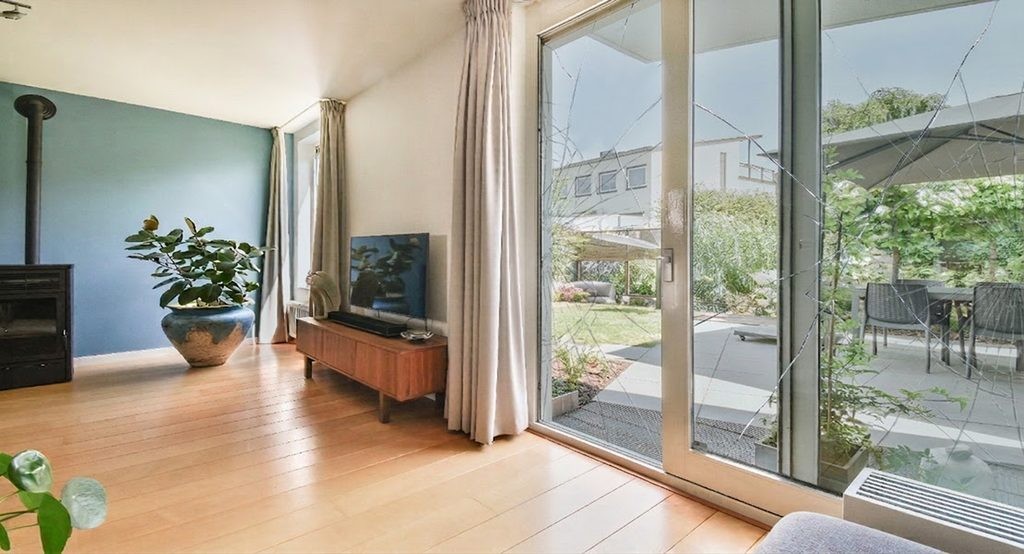
The difference between those two situations matters. In one case, the broken glass stays mostly right where it broke. In the other, it's now scattered across the entire room as an active hazard. What safety film actually does is give you control over where the glass ends up after a break.
Most homeowners don't give window film much thought until after something breaks - and in my experience, that's the worst possible time to learn it matters. A sudden storm, a burglary attempt, an earthquake - any of these can put whoever is inside in the exact same position. The glass has to go somewhere when a window gives out, and without film on it, you have no say at all in where that ends up.
Film Thickness and the Windows That Matter Most
Window safety film thickness is one of the first details to get right. It's measured in mils, and the range available to you usually runs from around 4 mil on the lighter end to 12 mil on the heavier side.
More material means more holding power - a thicker film holds shattered glass together better after a hard hit. A thinner option can hold up against hairline cracks well enough. But once a pane shatters, it just doesn't have enough strength to hold everything together when the damage gets that bad.
The cost argument for thinner film makes sense on paper - lighter film costs less, and it's not hard to convince yourself that it'll be enough. The issue is that during an earthquake strong enough to shatter glass, a film that's too light might not hold up at all. A film that fails at the worst possible time is a film that never did its job.
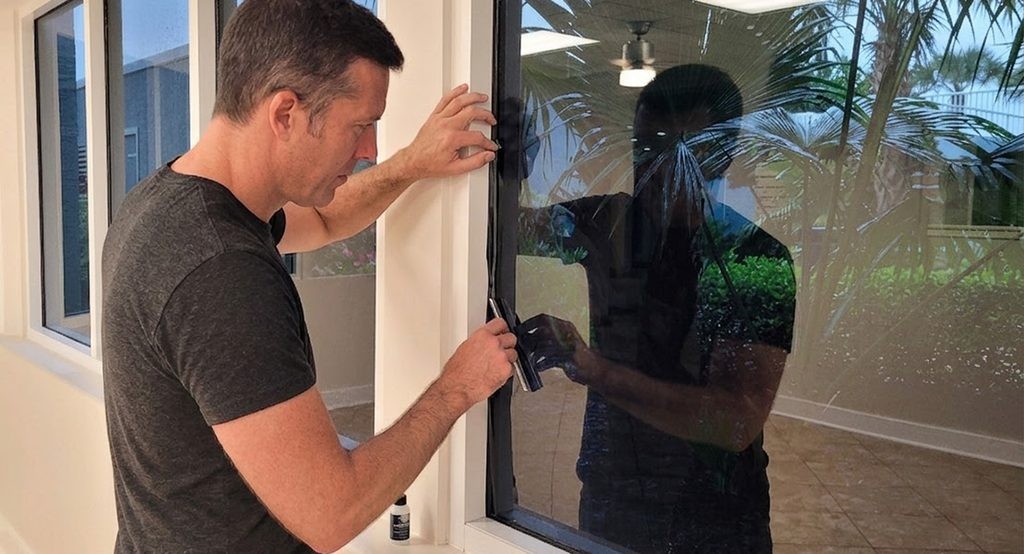
Thickness is only part of the equation - location matters just as much. Your glass patio doors, large picture windows and any window near where your family sleeps should all come first. A window that opens onto a walkway or sits right next to a high-traffic area of your home does need heavier film than a small bathroom window on an upper floor. The exposure level between those two just isn't the same.
Not every window in your home needs the same treatment, and that works in your favor - it leaves you some room in your budget to work with. Take a quick walk around your space before anything else. Jot down which windows are the largest, which ones see the most foot traffic nearby and which ones are closest to the bedrooms. Once you have that list, it's much easier to work out where heavier film actually makes sense.
How Much Will the Job Cost You
Once you've landed on a film thickness that works for your home, the next question on everyone's mind is what it's all going to cost. Professional installation in Orange County tends to run anywhere from $8 to $20 per square foot - and a handful of factors can move that number up or down from there.
Thicker and higher-performance films will usually run toward the upper end of the price range - the added protection costs a bit more to produce and a bit more to install correctly. Window size matters as well - bigger panes need more material and labor to cover, which will push your final total up. Even so, safety film is still a small fraction of what a full window replacement would cost you - it's a number to have in mind when you're putting your budget together.
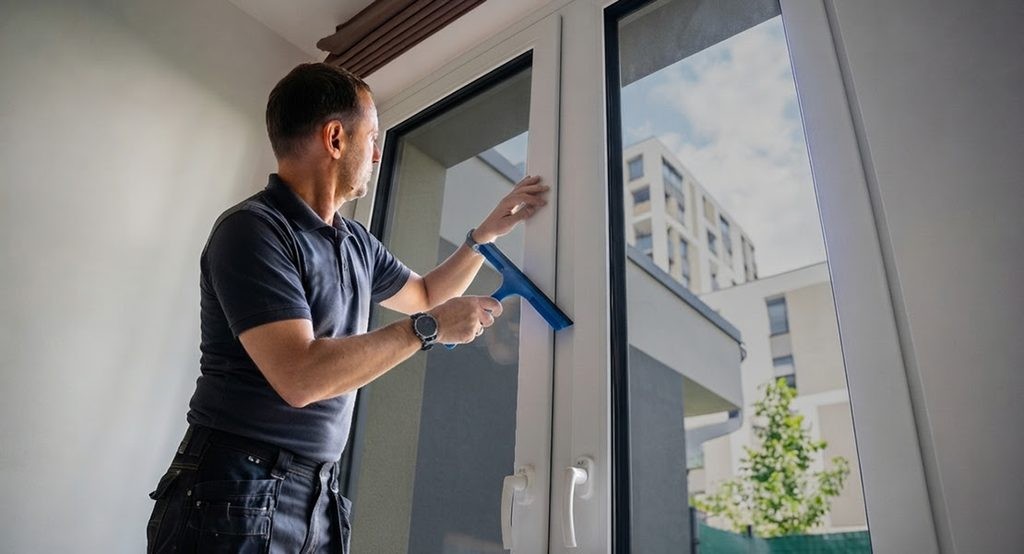
A rough estimate is actually pretty easy for anyone to come up with. Take the width and height of each window that you want to cover in feet, multiply them together to get the square footage and then plug that number into the $8 to $20 range. A few windows, a calculator and about 10 minutes is all it takes to put together a working estimate.
A quick side-by-side look at the alternative puts that number in perspective. Full window replacement in Southern California can run into the hundreds of dollars pretty quickly, and for bigger or specialty windows, the cost per window can push well into the thousands.
Other Window Protection Choices for Your Home
Safety film is a choice for earthquake window protection - and a pretty popular one at that. What most homeowners don't know is that other options are available to them. A few decent alternatives are out there, and based on your home setup and your budget, one of them might actually turn out to be a better fit.
Laminated safety glass is probably the best-known option on this list - it's a plastic interlayer built right into the glass itself. That layer is what holds the whole pane together even if the glass breaks. It's a long-term fix - and legitimately one of the better ways to reinforce your windows. The main drawback is that you'll need to replace your existing windows, which can drive the cost up quite a bit.
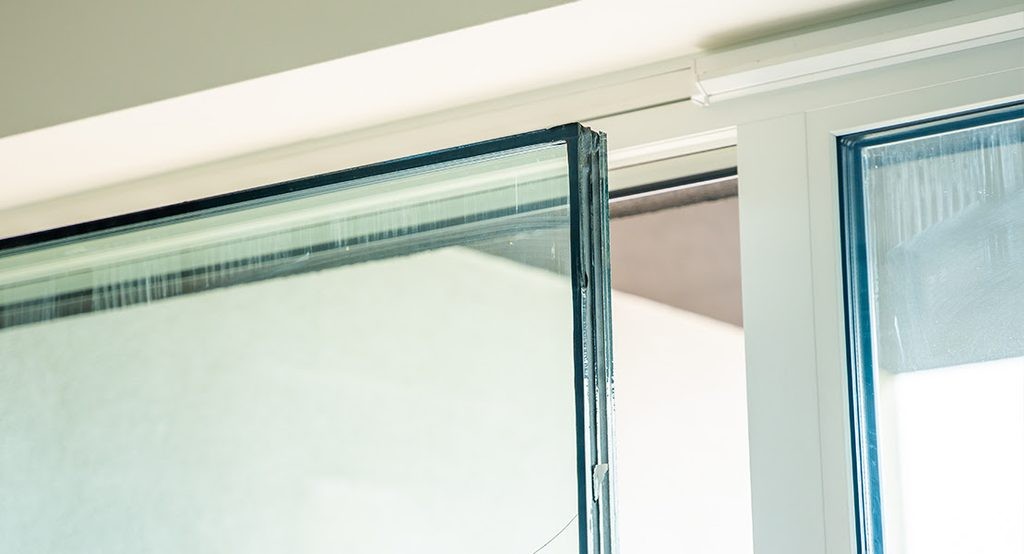
Interior storm panels are also worth a look - especially if a full window replacement isn't in your current budget. These are rigid panels that mount on the inside of your window frame, and they create an extra layer of protection between the glass and your living space. They're not a permanent fixture - and some homeowners do find them a little awkward to work with every day. Even so, for most homes in that situation, they can turn out to be a solid option.
The best option for one window in your home might not be the right call for another. A large picture window that faces the street has very different needs than a small bathroom window, and what matters to you, your budget and your home layout will all weigh into the final call. For most homeowners, safety film is the easiest place to start - it's lower cost, there's no glass replacement needed, and you can usually get it done without any big renovation work. Laminated glass and storm panels are options as well, and each of them works a bit differently based on what you're up against.
The Frame Matters as Much as the Film
Window film is one of the better investments that you can make for earthquake preparedness - it's specifically designed to hold glass in one piece and stop it from shattering if a quake hits. That said, the frame that holds the glass in place matters just as much as the film itself.
Even if the film holds the glass together just fine, a loose or damaged frame can let the whole panel slide or fall out the second the shaking starts. The film and the frame work together - if either one fails at its job, there's a gap in your home's protection. A window is only as strong as its weakest part, and that weak point is usually the frame.
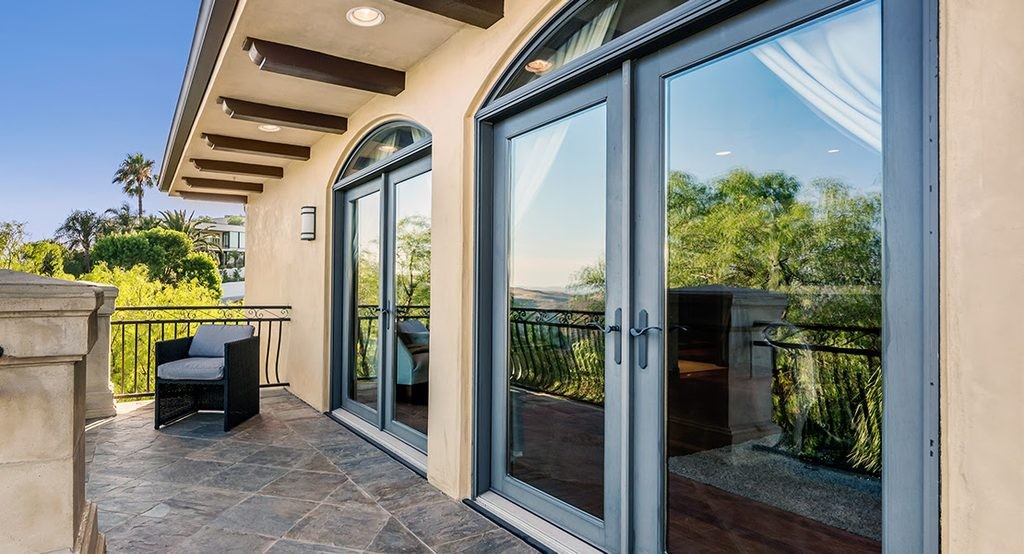
It's worth taking a close look at the condition of your frames before any film goes on the glass. A wood frame that's softened over the years, or a metal frame that's worked itself loose from its anchor points, will slowly undermine everything the film was built for. A professional frame check, done either before or during installation, is one step that too few homeowners take - and a failing frame is one of my least favorite problems to find after everything is already done.
A few simple upgrades can do quite a bit for the frame side of this. Some installers will add adhesive or mechanical fasteners to anchor the frames more tightly to the surrounding wall structure. Neither of these is a tough add-on, and neither takes much extra effort to get right. What they do take is a bit of care during installation, and in return they help in how well everything holds up when the ground moves.
Glass tends to get most of the attention in earthquake safety conversations - and that's understandable. But the frame is not something to treat as an afterthought - it's what actually holds the entire system in place when the ground starts to move.
The Film Holds Up Well Over Time
Safety film is one of the easiest home upgrades to live with once installed - that's one of the best parts about it. A soft cloth and a little mild soap are all it takes to get it clean. Just a light wipe-down every once in a while and you're all set.
The main issues that appear over time are peeled edges and small bubbles under the surface. Either one is a sign that the film has started to lift, and once that happens, it probably won't hold together the way it should during an earthquake. A quick visual check every few months is all it takes to catch any problems before they get out of hand.

Sun exposure is another big factor - especially somewhere like Orange County. That year-round direct sunlight means a pretty heavy UV load, and over time, it will slowly break down the adhesive that holds everything in place. The heat and light will eventually wear it down, so it's worth keeping in mind.
Most homeowners barely think about their window film once installed - and that's perfectly fine. The day-to-day upkeep really is that easy. What matters more is the occasional bubble or edge lift - those are the two main issues that come up over time. When either one does show up, a quick call to a professional is the right move. A minor repair or a partial replacement can get your windows back to full protection - no need to pull everything off and start from scratch.
Transform Your View with Professional Tinting
Window treatments are a home project that can sit on the to-do list for a long time. It's pretty tempting to push it back when nothing has gone wrong yet. But the time before a big earthquake is the best time to get it handled.
The reassurance that comes from glass that's ready for whatever the ground decides is very hard to put a price on. A full renovation isn't needed to get there - and neither is a massive budget. Window film is a low-effort fix with a very high upside, an investment that works in the background and never asks for your attention again - it just takes one call and a little bit of follow-through. That sense of security is very real, and it's easy to put off - right up until you actually wish you hadn't.
When you're ready to move forward, OC Tint Shop has helped Orange County homeowners get it done for years - and our team knows what a quality installation looks like from the measurement to the final walkthrough. For one window or an entire home, we'd love to talk through your options and land on something that works for your space and your budget. A free consultation is the best way to get started - no pressure, no commitment, just an honest conversation about what's going to work for your home.
Give us a call or stop by when you're ready - and we'll take care of everything from there.