
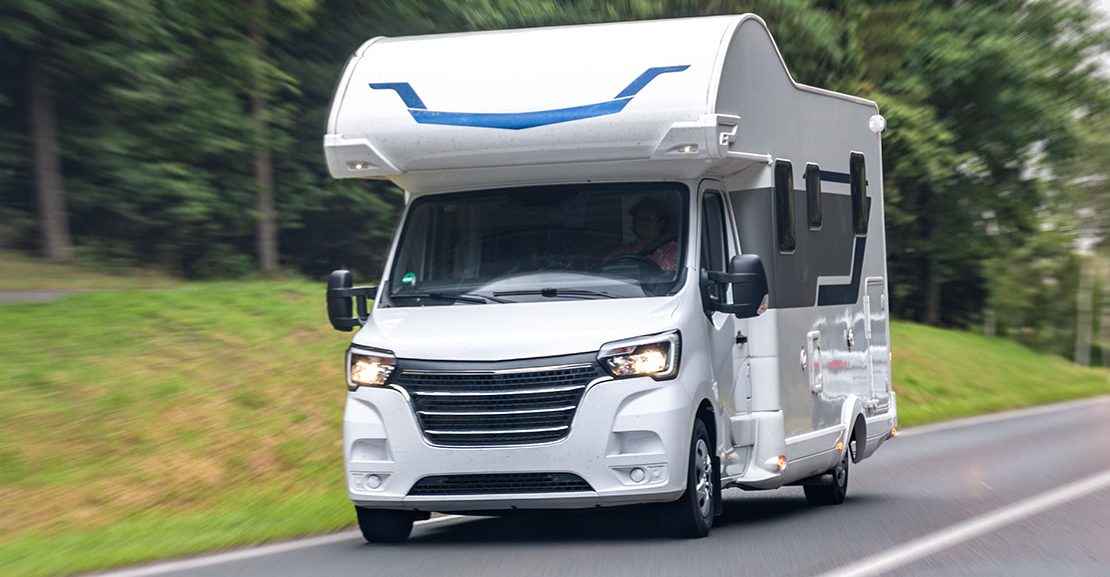
RV owners in California have to take care of their own set of window tint laws, and they’re not necessarily simple to understand. Many RV owners believe that the same tint restrictions for normal cars and SUVs will carry over to their motorhome as well.
California roads are full of motorhomes cruising around with a very dark tint on the rear windows. Plenty of RV owners see these and ask themselves if they’d legally do that with their own rig. Ask around at a few different tint shops, though, and you’ll probably get conflicting answers about what’s actually allowed. The uncertainty happens because California separates vehicles into different categories, and the windows aren’t all treated the same way under the law. Some of them fall under safety laws, and the others count as part of the living space.
Once you choose the right darkness level for your windows, it’s going to protect your interior belongings from the harmful UV rays, it’ll keep your vehicle much cooler when you’re driving through hot summer weather, and it gives you some much-needed privacy whenever you have to park overnight somewhere.
Here’s how California’s tint laws apply to RVs!
RVs and Cars Have Different Rules
California deals with RVs and passenger cars differently, and it makes plenty of sense when you see what sets these vehicles apart. Motorhomes don’t fit into the same category as your regular car or SUV, so the state treats them with a different set of standards.
California has separate standards for Class A, B and C motorhomes that don’t apply to standard cars like sedans or hatchbacks. The weight is a big reason why they get a different treatment, and the amount of space that they take up on the road is another factor. Plenty of owners use these vehicles for their work, and quite a few have made them into their full-time home.
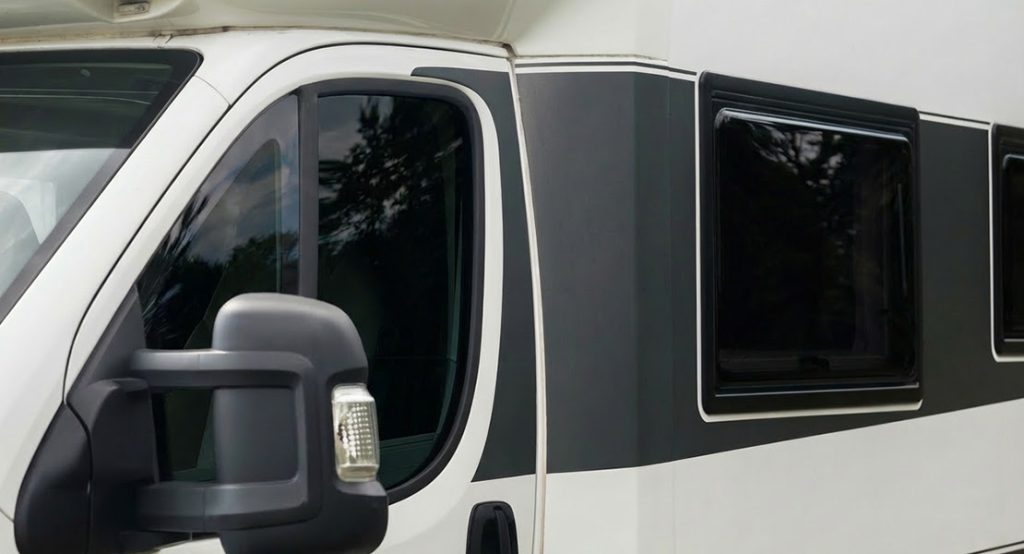
For RV owners, this separate category usually ends up being a big benefit. Privacy is pretty important when you have to change your clothes or catch some sleep in the back of it during a road trip. Sun protection helps a lot during those long drives or when you’re parked out at a campsite for a few days at a time.
California has separate tinting standards for motorhomes, and it makes plenty of sense why. A motorhome is a mobile home that drives on public roads alongside normal traffic. Because of this, the state lets you tint and modify the windows on it in ways that wouldn’t be allowed on a standard passenger car.
Front Windows Have the Same Rules
Window tinting laws for RVs can be a little confusing. But the front windshield and front door windows (the driver and the passenger side) actually have to follow the same exact legal standards as any car on the road. Whether it’s a compact sedan or a massive 40-foot Class A motorhome, it doesn’t matter – the law is going to treat these particular windows the same way.
The reasoning is pretty simple. Every driver on the road needs to be able to see well, and it doesn’t matter what type of vehicle they’re behind the wheel of. A compact car and a full-size truck are different in size. But the basic safety standard is the same – you’ll have to have an unobstructed view of your surroundings to drive safely. These laws are in place mainly for safety reasons on the road. Drivers have to be able to see other cars around them, watch for pedestrians, check their mirrors frequently and read traffic lights and road signs in all sorts of lighting. A motorhome still has to meet these same standards, even if it does have a bedroom and a kitchen built into the back of it.
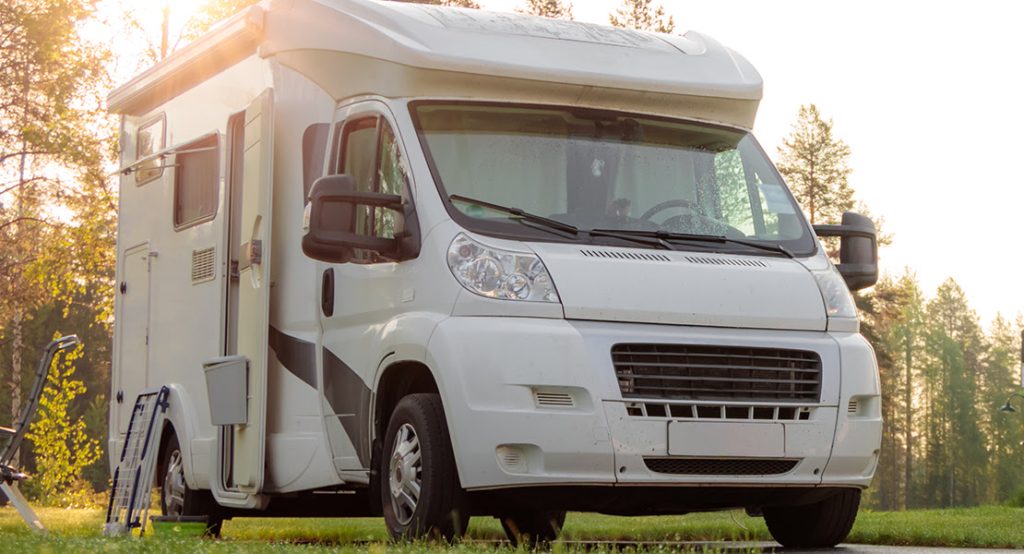
Most RV owners are pretty understanding about this and don’t push back on it too much. The front cab section of an RV is still just a vehicle at the end of the day, and when you’re actually sitting behind the wheel, it operates like any other car or truck on the road. You’re traveling on the same roads as everyone else, you face the same traffic patterns, and you have the same responsibility to drive safely around the other drivers out there.
These laws protect everyone on the road – you, your passengers and the other drivers out there.
Your Back Windows Have More Freedom
The windows behind the driver’s area in your RV actually work a bit differently compared to the ones up front. The law treats those back windows more like house windows instead of vehicle windows, and it means you can go much darker with your tint back there.
Most RV owners spend their time parked at campgrounds, rest stops or scenic pullouts – places where they sleep, eat and hang out for hours or days at a time. Privacy in your living space matters just as much during these stops as it would at your own home, and that’s where this distinction comes into play.
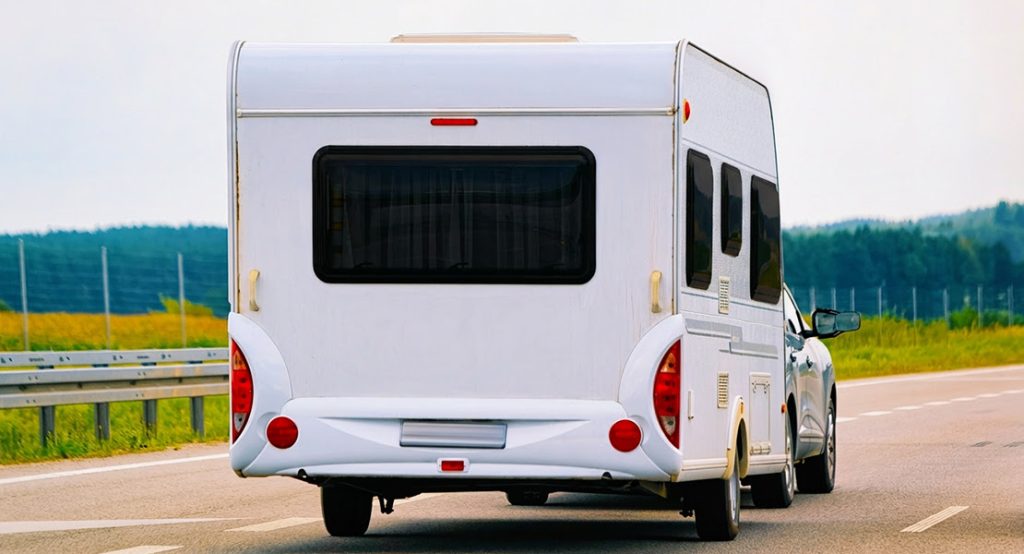
This actually follows the same logic that applies to SUVs and vans. The back windows on those vehicles are allowed to have much darker tint because those seats are for passengers – not the driver. Nobody operates the vehicle from back there, so the visibility standards are different. RVs fall into this same category for the exact same reason.
There are a few reasons why this flexibility matters to RV owners. For one, privacy is a big deal – nobody wants strangers or other campers to watch them make breakfast in their pajamas. A darker tint has the freedom to relax and go about your morning without worrying about who can see in through those massive windows. On top of privacy, temperature control is another benefit, especially when the sun hits those windows for hours on end. A darker tint helps keep your interior cooler throughout the day.
Medical Exemptions for All Your Vehicles
Medical conditions that cause sensitivity to light or direct sunlight qualify you for darker window tint in California, and the state lets you use this same medical exemption for RVs just like it does for cars and trucks. Conditions like lupus and some skin disorders fall into this category, and your doctor can write the medical documentation that California needs to make darker tint legal. It doesn’t matter if we’re talking about a small sedan or a 40-foot motorhome – the medical exemption applies equally to each of them.
The process is the same for all vehicles. Your doctor writes up the paperwork that explains why you need darker window tint compared to what’s normally allowed. When you have that documentation in hand, you can use the same exemption for any vehicle you own or drive.
Your medical needs don’t magically change based on the vehicle you’re in. If bright sunlight causes problems for you in a Honda Civic, it’s going to cause those same problems when you’re in a Winnebago, too.
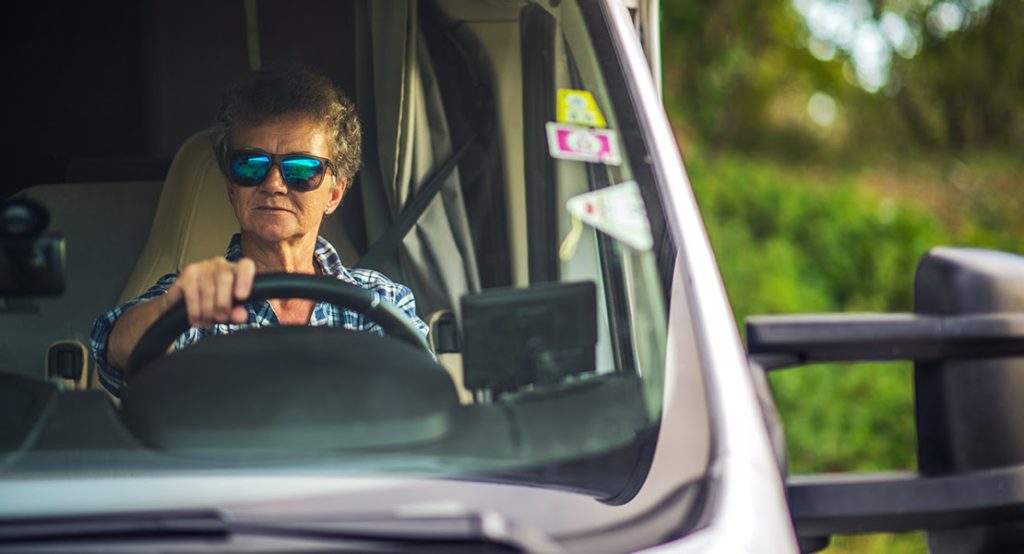
California knows that some drivers do need more protection from UV rays and intense sunlight, and that’s why medical exemptions for window tinting are actually available. This gives drivers a legal way to protect themselves and stay comfortable behind the wheel without the worry of a traffic stop for darker tint compared to what’s normally allowed.
What matters for your exemption is that you have the right medical documentation from a licensed healthcare provider. The vehicle you drive doesn’t matter for qualifying. A Thor Motor Coach gets treated in just the same way as a Toyota Corolla.
How Police Handle RV Traffic Stops
An RV traffic stop just doesn’t feel the same as being pulled over in a normal car. When an officer walks to a motorhome, they act differently right from the start. They’re more interested in the vehicle itself and what you have set up inside, instead of jumping right to the usual concerns like window tint or registration problems. The size and visibility of an RV play a large part in this. A massive motorhome on the highway sticks out, and window tint won’t draw anyone’s attention first. Police officers who work on busy routes will see dozens of RVs during any given day, and the majority of them already know that these are mobile homes with privacy needs that are a bit different from what you’d expect in a normal sedan.
The location you’re driving through really affects how much attention law enforcement actually pays to window tint laws. Some states and jurisdictions focus more on commercial vehicles like semi-trucks and buses – that’s why it’s where they direct most of their enforcement work. Other places pay more attention to regular passenger cars, particularly if the vehicle looks like it’s been modified with aftermarket parts or custom work. RVs usually land somewhere in between these two categories. But it depends on the state or the county you’re driving through at the time.
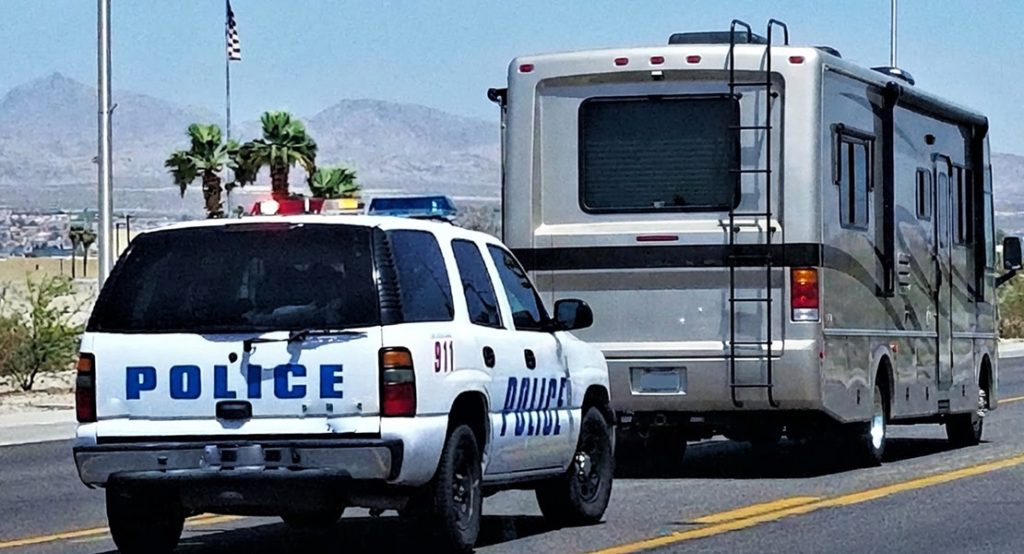
RV owners usually get much less scrutiny about their window tint compared to those who drive normal cars, and this probably comes from the living quarters in the back and the need for more privacy. Law enforcement also tends to treat recreational vehicles a bit differently than they would treat a standard driver, and this could explain why tint violations aren’t enforced as strictly in these cases. Your experience will change quite a bit depending on which part of California you’re in. A small mountain town probably has a different enforcement focus than a busy city area. Coastal highways get patrolled differently than remote desert routes, where you might not see another car for miles.
Window tinting laws still apply to RVs. These laws tend to be enforced more flexibly in practice than the written statute suggests. Officers can make judgment calls when they deal with tint violations, and most of them are going to treat an RV very differently than they would a normal passenger car.
Pick the Right Tint for Your RV
RV window tinting seems pretty simple until you get to the part where you have to choose how dark you want to go. The darkness level is going to be one of your first decisions in this whole process. For the back windows (the area where you’ll be sleeping and spending the majority of your downtime), darker tints are usually what most RV owners pick because they give you much better privacy. The front windshield and driver’s side windows are a different story, though. You need great visibility up there when you’re on the road, especially when you’re changing lanes or merging into highway traffic.
RV owners usually combine different tint shades instead of going with the same one throughout the entire vehicle. A lighter shade on the windshield and front side windows is what most RV owners go with because you get the visibility you need up front, where you’re actually driving. The living areas toward the back of your RV are a different story. Darker tint works well in those areas for a couple of reasons. For one, you get a lot more privacy when you’re parked at campgrounds with other RVs that are nearby. Also, darker tint blocks more heat and helps to make the living space comfortable. This type of setup has the privacy and temperature control that you want, and it doesn’t make it any harder to drive safely.
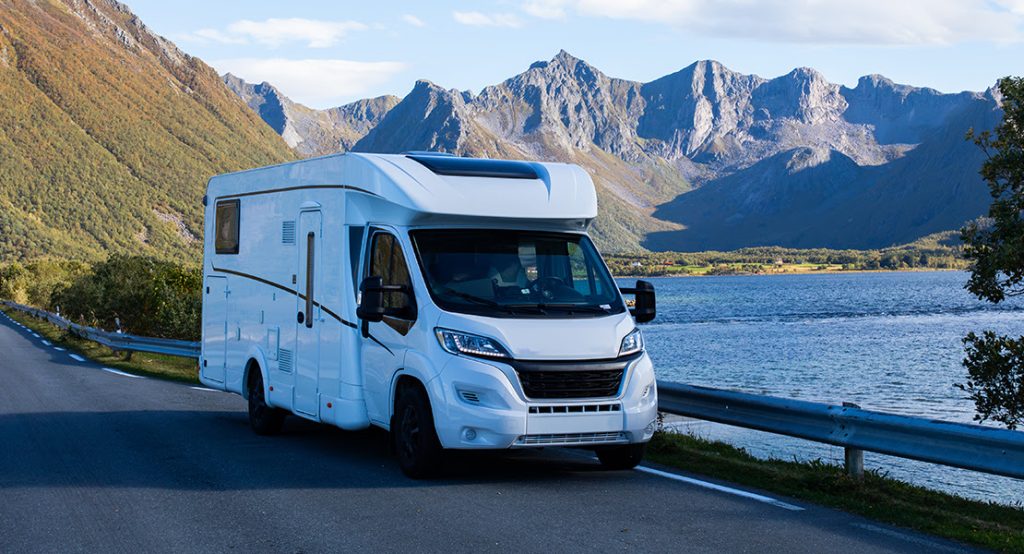
Comfort and privacy matter quite a bit when you’re living in an RV, and the right window tint makes a difference. At OC Tint Shop, we work with RV owners all over Orange County who want more privacy and better heat control, and they want to stay legal under California’s tinting laws at the same time. My team knows just what’s allowed and what’s not for tinting RV windows, and we’ll help you pick out the right film that has the privacy and heat rejection you’re looking for and stays legal. Whether you take your RV out for road trips, head to the beach on the weekends or live in it full-time, we can set you up with the right tint.