

Tesla Model Y owners in California have an issue to work with. That massive glass roof and those oversized windows let heat into the cabin on warm days, and the AC has a hard time taking care of that level of sun exposure - especially during a California summer.
Most owners already know they want darker windows, which is a great starting point. Front windows have legal tint limits that don't leave much room. Ceramic film runs a bit more than dyed or metallic options, and the reasons behind that price difference are real - even if most owners never actually hear about them. Tesla's delivery centers don't cover any of this at delivery, so owners usually sort through advice from forums, shop reviews and a pretty long list of conflicting opinions.
A Tesla Model Y is a big financial investment, and a bad tint job creates real problems - fix-it tickets, GPS interference and signal issues that trace straight back to cheap film and a rushed install. The right film at the right percentage, locked in from day one, is a choice that pays off every time you get in the car. California's climate already pushes these vehicles to run warm without tint, and the comfort gap catches up with you. Get the tint right, and your Model Y will feel noticeably better to drive on a day-to-day basis.
Let's find the perfect tint percentage for your Tesla Model Y in California!
California Window Tint Rules for the Model Y
California has its own window tint laws, and the Tesla Model Y follows them just like any other passenger vehicle registered in the state. The main number to know is 70% VLT (which stands for Visible Light Transmission), and it applies to your front side windows. Any film that you put on those windows has to let at least 70% of visible light pass through. At that level, the tint is very close to factory glass, and most drivers won't even be able to tell it's there.
Rear side windows and the rear window are a very different situation. California law doesn't place any darkness limit on those, which gives you more freedom to go as dark as you want back there. A nearly blacked-out rear end is perfectly legal, and it's one of the more popular customization options for a reason.
The windshield has much stricter laws. Only the top 4 inches can be tinted. That narrow strip actually has a name - it's called an "eyebrow." Everything below that line is off-limits, with no exceptions.
These laws are there mainly so law enforcement can see into your vehicle during a traffic stop - visibility is a genuine safety concern, and the law was written around that. A stop like that is neither cheap nor all that convenient.
A mistake I see pretty commonly is drivers who tint all four windows to the same darkness level - what's perfectly fine for the rear windows could violate the laws for the front ones. When that happens, the front windows have to be redone, which means an extra cost that was avoidable from the start. A quick conversation with your installer before your appointment is worth the time.
Why Ceramic Tint is the Right Film
With the legal side out of the way, the next big question is which film to actually put on your Model Y.
The Model Y relies on a fairly tough network of antennas, sensors and cameras that work together to run everything from GPS to Autopilot. Metallic tint films are bad news for that - they generate interference that gives you dropped calls, unreliable navigation and other features that just stop working the way they're supposed to. Dyed films are not a great alternative either. Over time, they break down and create some of the same problems.
Ceramic film is the right call for a vehicle like this. It does a great job of cutting down heat without interfering with any of your car's electronics (cameras, sensors, GPS), and everything stays untouched. Everything just works as it should. A combination like that (strong heat rejection with zero compatibility problems) is hard to come by, and it's a big reason why the price tag is worth it.
Price is always part of the equation, and it's worth tackling. A cheaper metallic film is tempting at checkout, and the lower price is desirable. What changes that math pretty fast is a navigation system that starts acting up, or an Autopilot camera that just doesn't work the way it should anymore. Those are problems that don't fix themselves. The up-front cost of a quality ceramic film is always the better call, and over time, it's much less expensive than a return trip to the shop.
Heat rejection is also a big deal in California. The sun is relentless for a large chunk of the year, and ceramic film works with that well without giving anything up in return.
For Model Y owners in this state, that point alone is reason enough to go with it.
The Legal Limit for Your Front Windows
California law locks the front side windows on a Tesla Model Y at 70% VLT - that's the number, and there's no flexibility on it in this state.
70% is barely any tint at all, and yet a quality ceramic film at that level still does quite a bit more than the number lets on. It'll cut a decent amount of heat and knock down the glare, all without looking like anything is even there. A long drive through the Central Valley in July with it versus without it will answer that question pretty quickly.
The appeal of darker front windows is understandable. Tesla Model Y owners just love that sleek look when the tint matches all the way around the car, and a bit of extra privacy up front is a welcome bonus on top of that.
The question is whether privacy is the priority - or whether heat rejection is the goal. A quality ceramic film at 70% still cuts back on cabin heat noticeably - even on the hottest days of the year. The front window privacy is a different situation in California (the law makes that a much narrower target), and it's the tradeoff that you're working with. It's not a perfect situation, and it's just part of what you work with as a driver in this state.
The rear windows are a very different situation. California law is far more relaxed back there, which opens up options for darker tint and much stronger heat rejection - the level of performance that the front windows just can't legally deliver. For most Model Y owners, the rear is where the build starts to come together and where you finally get to make the calls that actually matter to you. These windows deserve attention, and they're worth the effort to get right.
How Dark Should Your Rear Windows Be
California gives you more flexibility on the rear side windows and rear windshield of your Model Y, and most owners are more than happy to make the most of it.
For the rear side windows, most Model Y owners land somewhere in the 20% to 35% range, and it tends to be a comfortable middle ground that blocks a decent amount of heat, gives you genuine privacy back there and doesn't make the whole cabin feel dark or closed in. Families with car seats, strollers or lots of gear in the back will usually lean toward the darker end of that range - and for that setup, it's a pretty easy call.
The rear windshield gets a little more leeway. Plenty of owners go much darker back there (anywhere from 5% to 20%), and at those levels, the glass can get very dark. Privacy goes way up, and the back of the car stays much cooler as a result. The tradeoff is in rear visibility. Very dark tint can make it harder to see pedestrians or other objects behind you - it's still true even with a backup camera in the mix.
That's actually where plenty of owners second-guess their choice. The ones who went with 5% and drive quite a bit at night or reverse in tight low-light spaces - that's the regret I hear about the most. During the day, it's a total non-issue, and you'll barely see any difference at all. At night it's a whole different experience. If any of that fits your day-to-day, a shade in the 15% to 20% range will give you a noticeably better result without giving up as much privacy.
The Glass Roof That Lets the Heat In
Tesla's panoramic roof is one of the best features on the Model Y - right up until a California summer arrives. The factory glass does a pretty decent job with UV rays. The catch is that UV protection and heat rejection are two separate matters. All that built-in UV blocking doesn't do much to stop the solar heat from pouring straight into the cabin on a hot day.
A 95-degree day stuck in stop-and-go traffic is rough enough on its own - but when the sun is also pouring straight down through that wide glass panel above you, everything gets quite a bit worse very fast. The AC is working overtime, the seats feel noticeably warmer, and the whole interior just gets hotter. A layer of ceramic tint on the roof is what actually fixes that.
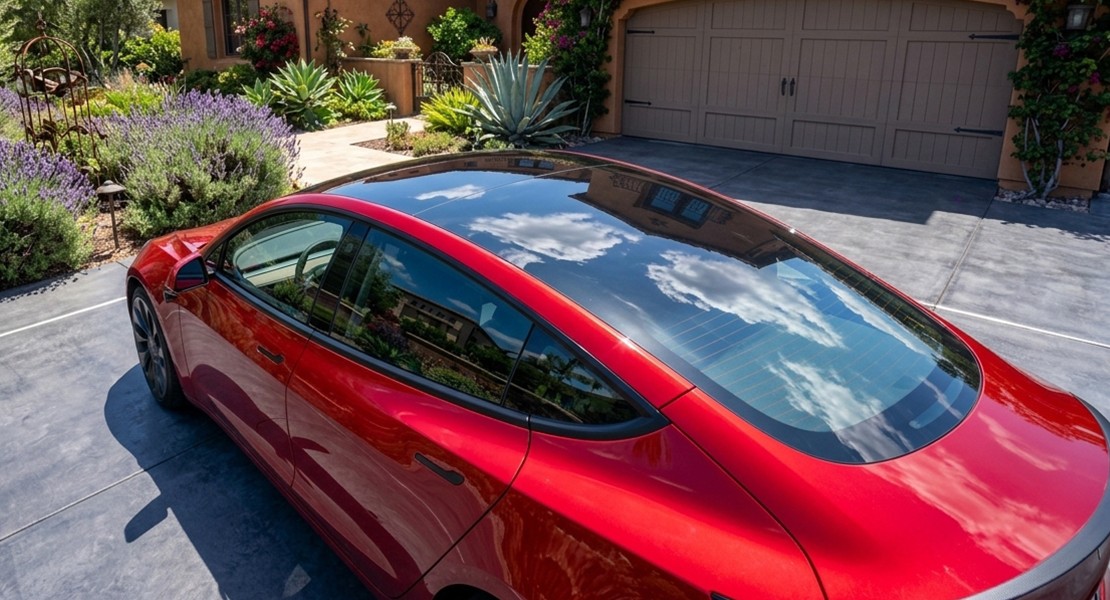
The roof panel is usually the first area that Model Y owners want tinted - and it's not hard to see why. No other panel on the car takes on as much direct sunlight throughout the day, and after a hot summer drive with the new tint, the investment tends to pay for itself in pure comfort alone.
One of the most common mistakes I see with window tinting is when someone treats the roof like an afterthought. The side windows get done, the rear gets done, and the roof ends up on the "maybe later" list. The sides do help (they do), but the roof is where the majority of the heat finds its way into the cabin. Leave it untreated, and the interior is still going to get uncomfortably hot, no matter how well everything else was handled. The factory glass looks great straight from the factory floor. But it was never designed with California summers in mind.
Why the Factory Tint Is Not Enough
Plenty of Tesla Model Y owners assume their rear windows already come tinted straight from the factory - and it's a pretty fair assumption. The glass does have a noticeably darker look to it, after all. The factory glass sits at around 26% VLT, which does take some of the edge off glare. But not by much.
The weak point is heat rejection. A 26% VLT rating doesn't tell you much about how well a film blocks thermal energy, and anyone who's spent time in the rear cabin of one of these cars on a hot California day can attest to that. On a Tesla, that extra AC demand pulls straight from the battery - and no EV owner wants less range per charge.
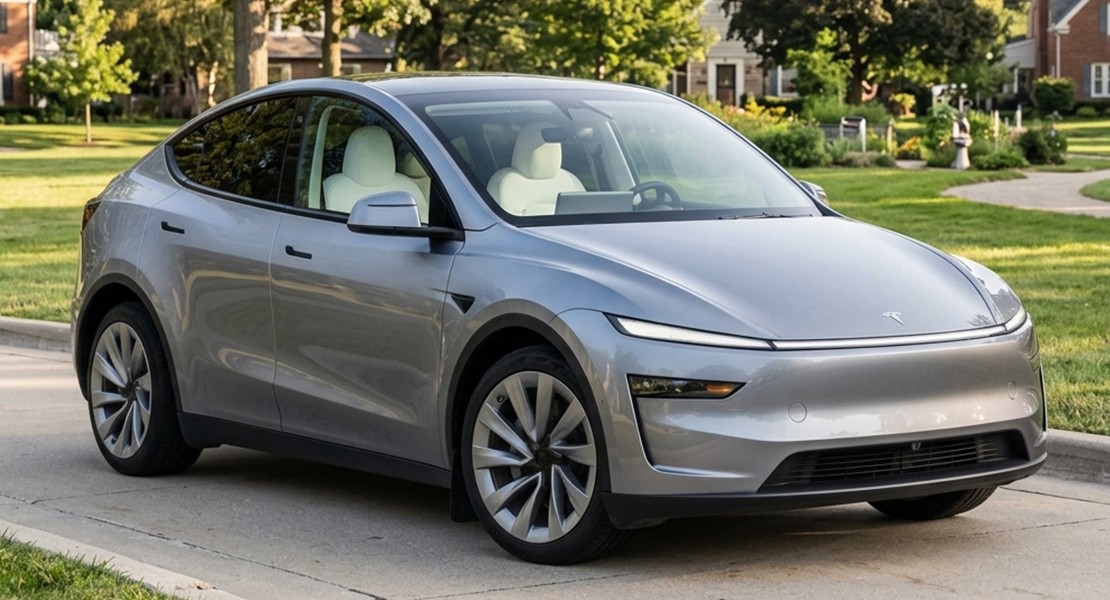
A ceramic film on the rear glass can help quite a bit with this. Ceramic films do cost a bit more than the standard options. But they're built to block infrared heat (the kind that passes right through the glass and heats up the cabin), and they manage it without having to go too dark. A film at 40% or 50% VLT can still make a pretty dramatic difference in how much heat gets into the back of the car. Passengers in the back seat will feel the difference, and on hot days, your battery won't have to work nearly as hard to cool the cabin.
California doesn't cap the VLT on rear side windows, so window film there keeps you road-legal no matter how dark it gets. The factory glass on the Model Y already comes in at around 26%. A 50% film layered on top of that 26% factory glass brings your combined VLT down to about 13%, and at that level you're actually blocking enough light to keep the back of the car from baking all summer long.
The Right Tint for Your Life
The right tint for your Model Y can depend on what your life looks like - not anyone else's. A setup that you saw online or heard about from a friend might sound great on paper, and for them, it probably was. What they care about and what you care about just aren't going to line up in the same way.
The front windows are the easy part - California law takes that choice off your plate. The legal minimum is 70% - it's right where you're going to land. The back windows are where you actually have some room to work with. If most of your common driving means city traffic and lots of stop-and-go, or you usually have passengers with you, a darker rear tint helps quite a bit with comfort and privacy.
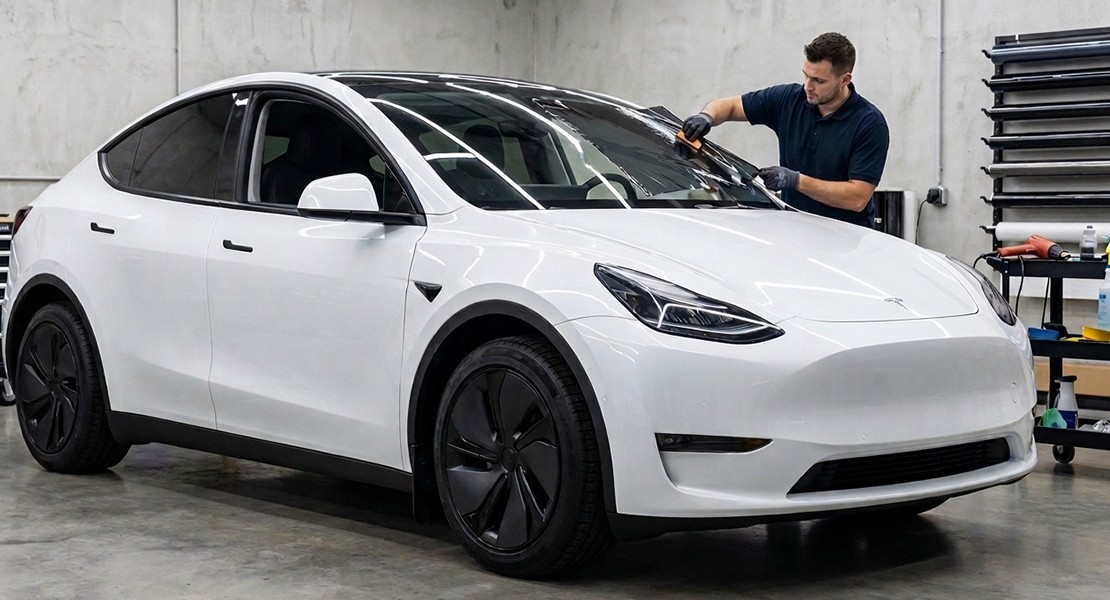
The roof panel is worth a separate conversation. Tesla's panoramic glass is beautiful (no argument there). But it also lets in a massive amount of light. On long drives or just a hot afternoon sitting in a parking lot, that heat builds up in a hurry. A ceramic film at around 50% VLT hits a middle ground - it cuts out heat, and the interior still feels open and bright.
Where you park every day plays a big role. A covered garage in a mild climate is a very different world from an exposed outdoor space in a city like Fresno or Palm Springs. No single right answer exists across the board, and that's okay - the right setup is whatever fits your day-to-day life. My best advice to anyone working through this is to be honest with yourself about what you need. Comfort, looks, and the law all have to work together at the end of the day.
Transform Your View with Professional Tinting
Window tinting on a Tesla Model Y in California is manageable. The front windows have a set legal limit which takes most of the second-guessing out of that choice for you, and the rear windows leave you plenty of room to dial in the level of privacy and heat rejection that fits your day-to-day driving. Ceramic film is the right call for any Tesla because it blocks the heat and won't get in the way of the sensors and electronics that these cars depend on. The roof panel deserves attention (most owners treat it as an afterthought or skip it altogether). But it's the single biggest glass surface to get done if you want to feel a difference inside the cabin.
No single tint setup will work right for every driver in every situation. That legitimately matters. A combination that's great for a driver who commutes through Los Angeles every morning probably isn't the right call for a person who takes weekend desert road trips. Once you weigh where you drive, how much direct sun your car sees and what you care about most (comfort, looks, privacy or maybe all three), the right combination gets much easier to figure out. The law gives you a framework to work within, and ceramic film delivers the performance to make that work.
The shop that you choose matters just as much as the percentage that you pick. A Tesla deserves a precise installation with materials that are actually built for the job - and not every shop out there will deliver that. Ready for cooler and more comfortable drives? We'd love to help make that happen. Get in touch to schedule a free consultation and check out our gallery to see what a professional installation looks like.