
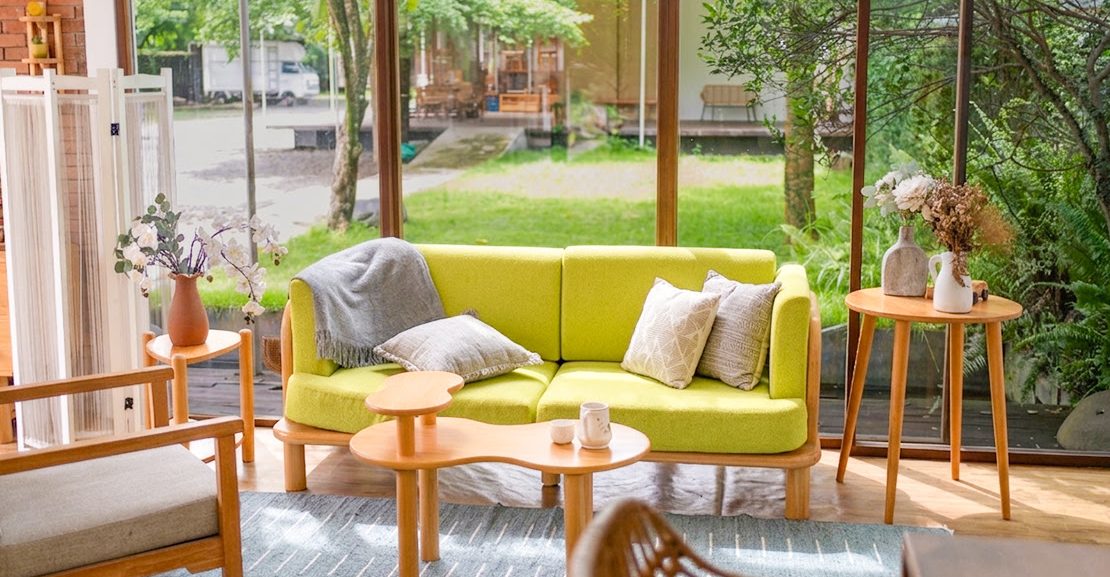
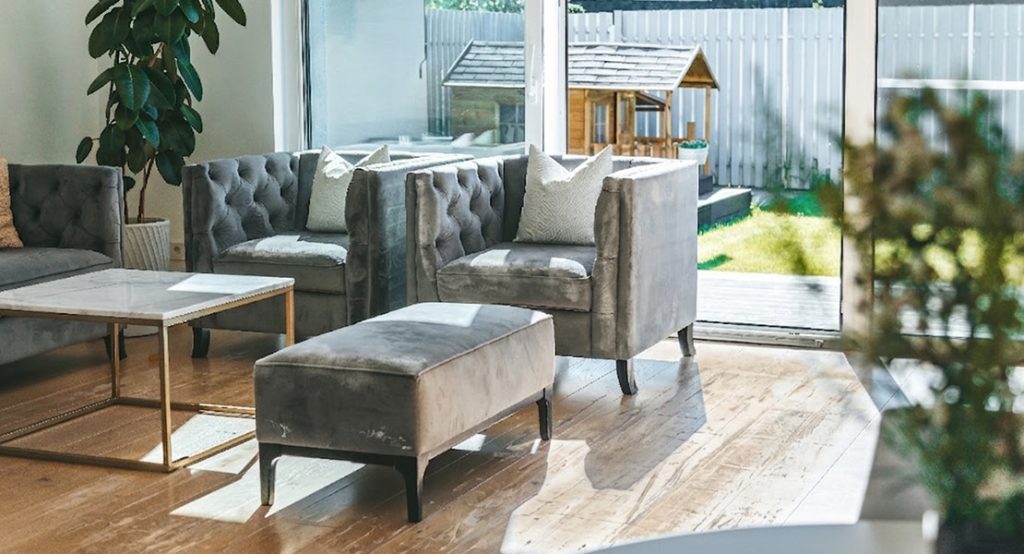
An Orange County home with great natural light sounds ideal. That same sunlight that floods through your windows and lands on a cream linen sofa or an oil painting from a trip abroad works against you the whole time (it doesn't happen all at once) and creeps in slowly. By the time you see the bleached cushions or the washed-out canvas, the damage has already been done.
What makes this even more frustrating is that you've already tried the usual fixes (curtains, blinds and even upgraded low-E glass) and none of them block the UV radiation that accounts for as much as 40% of all interior fading damage. Untreated glass lets more than 70% of UV rays pass right through it, which means that every sunny afternoon quietly damages your hardwood floors, leather furniture and any artwork that you actually care about - all with no visible trace.
Something to keep in mind - UV damage doesn't play favorites. A $200 throw pillow will fade just as fast as a $5,000 rug, and your antique furniture will take the same beating as a brand-new sectional sofa.
UV protection window film changes that equation and still preserves the light and views that make Orange County homes worth having. A quality film will block as much as 99.9% of UVA and UVB rays, hold up for anywhere from 15 to 20 years and go on your windows in a single day. Put that next to a $3,000 sofa replacement or a $2,500 floor refinishing bill, and it's a pretty easy call to make.
On top of all that protection, most films won't noticeably change the way a room looks or feels. Your views are still there, and the natural light still comes through just as well. The interior of your home just doesn't age as fast as it once did.
Let's get into how UV protection film can keep your OC home's treasures safe!
Why the Sun Here Hits So Hard
Orange County deals with intense UV radiation almost all year long, which puts homes here in a very different position from most parts of the country. A number of coastal and hillside properties in OC have large windows that face south or west, and with that orientation, some rooms can have direct sun on them for hours at a time every day.
UV damage to furniture and artwork builds up slowly over time in cloudier parts of the country. That same level of damage can happen in a fraction of that time in OC - the sunlight here is more intense and far more steady. It just doesn't let up for most of the year.
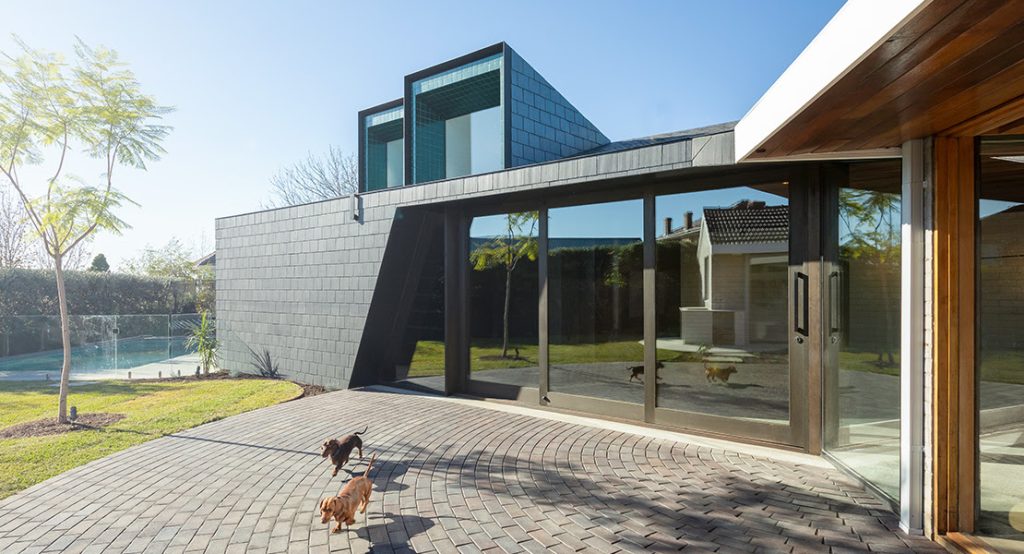
Fabrics fade, wood finishes break down, and artwork loses its color - not from one dramatic event but from years of day-after-day UV exposure that comes right through your windows. A painting or an antique chair near a west-facing window in Laguna Hills is in a very different environment than that same piece would be in Seattle or Boston.
Quite a few homeowners who moved here from the Pacific Northwest or the East Coast don't think much about UV protection - it's understandable. Back home, the sun just wasn't strong enough to make it feel like something worth worrying about. Out here, the intensity is far greater, and by the time you see visible fading on furniture that you love or a favorite work of art, a great deal of damage has already been done - and at that point, the chance to stay ahead of it has already passed.
It makes sense that UV protection is treated with this level of urgency around here.
What UV Film Can and Cannot Block
UV rays are the number one reason why fabrics, wood and artwork lose their color over time. At a molecular level, UV light actively breaks down the pigments and fibers inside your materials - and this damage can accumulate for years before anything ever looks different on the surface.
UV exposure is a big part of the problem. But it's not the only factor working against your belongings. Visible light and heat that pass through your windows can also wear them down over time - just at a much slower pace. Don't just think closed curtains take care of it. Both still find their way through. The fading and deterioration don't stop - they just slow down a bit.
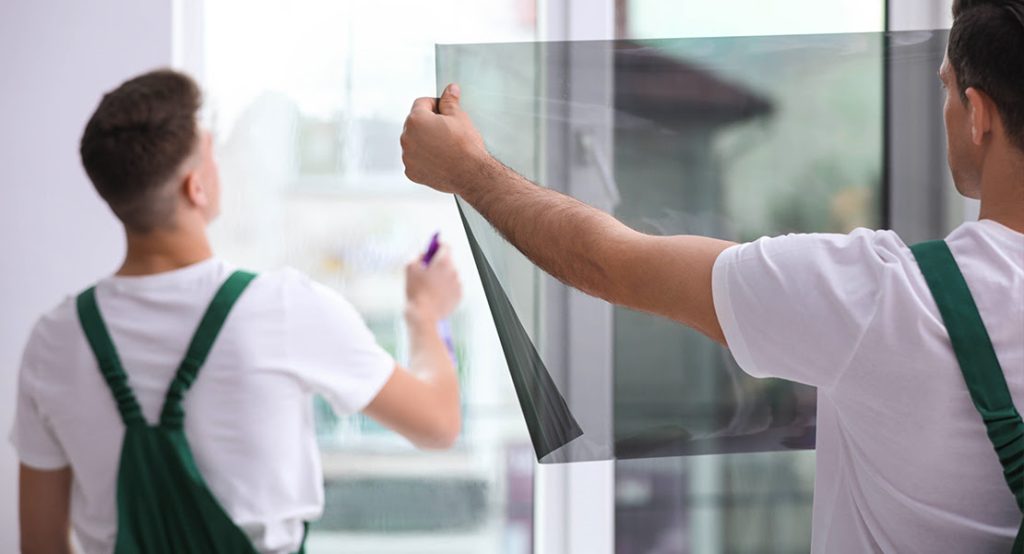
UV protection window film works a bit differently from other options because it lives right on the glass itself - it does its job whether your curtains are open, closed or anywhere in between. A film can block as much as 99% of UV rays and still let plenty of natural light into the room, which is one of the biggest perks. It also cuts back on the heat that comes through throughout the day, so the materials around your windows aren't under non-stop stress from the temperature swings.
What you get is a setup where the light still comes in freely. But most of the damage that would normally follow just doesn't. For anyone with nice furniture, artwork or hardwood floors anywhere near their windows, it's the upgrade that quietly pays for itself over the years.
The Real Cost of Sun Damage
Sun-damaged furniture is not a cheap fix. A single sectional sofa alone can run anywhere from $2,000 to $5,000 or more - that's before delivery fees or whatever it costs to haul the old one away.
Hardwood floors are another big expense to factor in. A professional refinish job for a standard-sized living room can run anywhere from $3,000 to $5,000 - that's only if the damage hasn't gone deep enough to need a full replacement. Artwork deserves a mention as well - restoration work on a faded painting or print can cost as much as the piece itself and sometimes even more than that. In a home with a few sun-exposed rooms, those costs can add up to a pretty large total.
Window film installation usually runs anywhere from $5 to $15 per square foot, and the final price can depend on the product and who does the job. For a large window or an entire wall of glass, that total might land somewhere in the few-hundred-dollar range. Compare that to a $3,000 sofa that's going to fade past saving in just a few years, and the numbers start to feel pretty one-sided. The film is tempting to write off as an unnecessary cost - until you actually look at the numbers.
No single afternoon makes a dramatic difference on its own. The color fades a little bit at a time, and then one day it crosses a threshold where replacement is no longer optional. At that point, the damage is already done, and the cost is already locked in.
Window film is the buy that feels optional - until it doesn't anymore. The value of it tends to go unnoticed, and the price tag stays low enough that it's easy to pass on - right up until the point where you add up everything that you could have avoided if it had been installed from the start.
UV Film and the Other Options
Window film is one of the better ways to protect your home's art and furniture from UV damage. But it's nowhere near the only option out there. A few alternatives are worth a look before you settle on anything.
UV-filtering window glass is probably the most effective option available - it stops UV light right at the source, and unlike most of the alternatives, it holds up well over time without needing much attention. The main trade-off is the price - it's noticeably more expensive than window film. For most homeowners, it makes the most sense as part of a window replacement or a bigger home renovation project that's already in the works.
UV-filtering curtains and shades are a decent budget-friendly option if you want to cut down on sun exposure without a big investment to get started. The drawback is that they can only do their job when they're closed, so the protection that you get can depend on how consistent you are about keeping them closed.
For anyone with a piece or two that they care about, museum-grade picture glazing is worth a close look. It's the UV-protective glass or acrylic that gets used to frame fine artwork, and it does a great job of protecting whatever's behind it. The trade-off is that it only works for the pieces it's actually framing - it won't do much for the rest of your room. For a treasured painting or photograph, though, it's a great standalone option.
Window film sits somewhere in the middle of all this - it covers the full window without being in the way of your view, and it costs much less than replacing the glass and does its job around the clock without any extra effort on your part. For most homeowners in Orange County who want protection without taking on a big project, it's the most sensible way to go.
Start With the Rooms That Matter Most
A quick walk around your home in the late afternoon will show you quite a bit about where the sun is hitting hardest. Windows that face south or west usually get the most direct sunlight over the course of a day - and those are the ones to have done first.
From there, it pays to look at what's actually inside each room. A hallway with original artwork or a living room with a leather sofa has quite a bit more at stake from prolonged sun exposure than a spare bedroom does. Hardwood floors near a sunny window can warp, fade and dry out over time, and the same goes for upholstered furniture and anything made from natural materials. That wear and tear piles up fast.
It's usually a better idea to go room by room than to take on the whole house at once. Most homeowners choose just one or two rooms (usually whichever ones have furniture or valuables they'd hate to lose), which turns out to be a low-pressure way to get a feel for it without any big commitment up front. From there, you can always add more rooms once you've had a chance to see how the film performs over time.
Any room that holds something that you can't replace needs to be your first priority. A painting passed down from a family member or a vintage rug that's been in the family for generations just can't be replaced if something goes wrong. Those are the rooms that deserve the most protection.
It's usually a pretty short list - it's right where we should start.
Once you have an idea of which windows and rooms matter most to you, it's time to cover what the installation process looks like.
What Should You Expect on Your Install Day
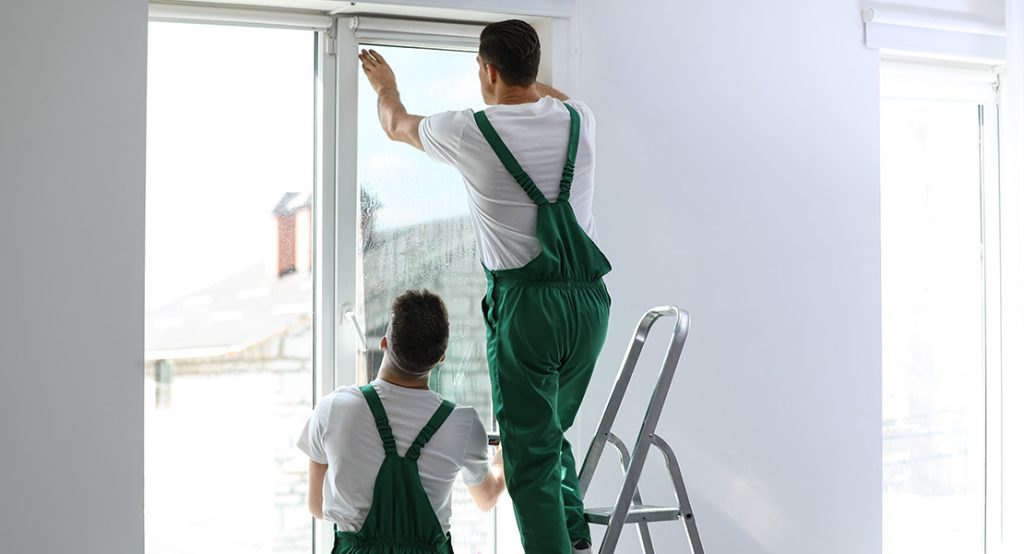
The installation itself is pretty quick, and most homes are finished in well under a day. A professional installer will go room to room and take care of it all.
Once the film is applied, there's a short curing period to plan around. The timeline can vary quite a bit (anywhere from a few days to a couple of weeks), and it mostly depends on the film type and how much direct sunlight those windows get. During this time, a few small water pockets or a slight haze near the edges might pop up (it's all normal and just part of the curing process). Everything will sort itself out on its own without any effort on your end.
One of the most common questions homeowners ask me is whether the film can come back off later if they change their minds - and the answer is yes. A trained installer can remove it cleanly without any damage to the glass, and plenty of films are actually designed with future removal in mind right from the start.
Warranties are another topic that comes up quite a bit with window film. Before anything gets scheduled, it's worth a quick call to your window manufacturer - some warranties do include language around films or extra coatings. The upside is that plenty of film products are made to be warranty-compatible, and an installer will know which options are the right fit for your windows.
Installation day itself takes very little preparation on your end. The first step is to move any fragile items away from the work area. Everything else can stay put. Just go about your normal day as the work gets done, which is one of the better parts of the whole process.
Transform Your View with Professional Tinting
The good news (and there's plenty of it) is that there's no need to darken your rooms, block your views or spend money before anything has even gone wrong.
Homeowners are relieved once they actually look into it. We're talking about one day of installation, and from there, you'll have years of protection without losing any of the brightness or openness that makes your home feel like yours.
Once you run those numbers, window film starts looking like a fairly easy call.
OC Tint Shop has been helping Orange County homeowners with decisions just like this for years, from Laguna Beach to Anaheim Hills and everywhere in between. Our team is legitimately proud of the work we do and makes sure everything is right, no matter the size of the job. For a single room or a full home, we'll help you find the right film options for your windows and your lifestyle. We're not a company that hands you a product and disappears - we want to make sure that you're still happy you called us long after the installation is done.
A free consultation is one phone call away - and if you want to see the work that we do first, our project gallery is a great place to start. We'd love the opportunity to make your home look the way it should now and for years to come.