
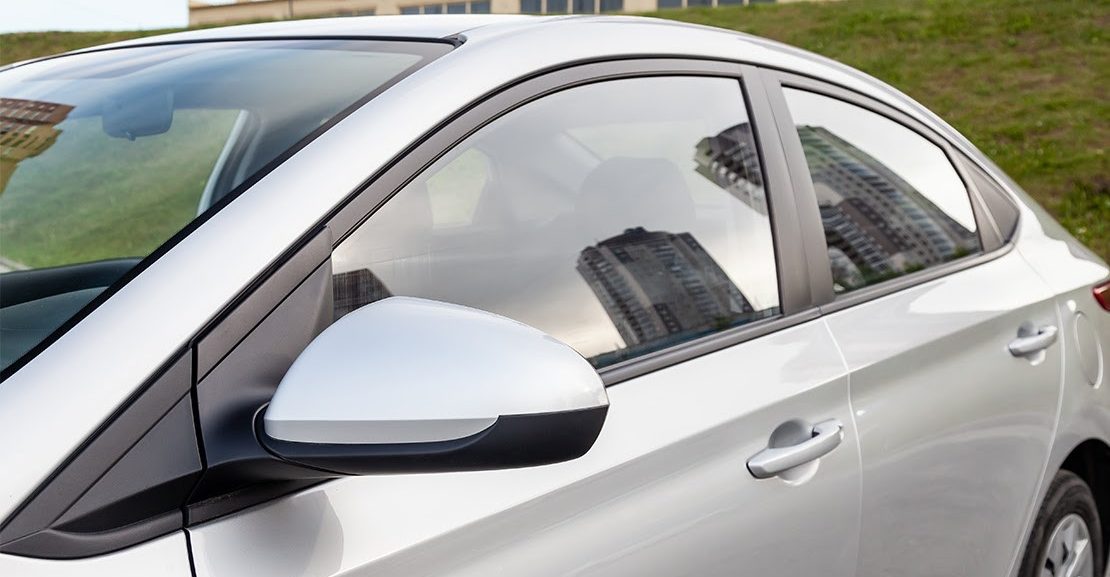
California's window tint laws have two separate parts to them, and most drivers only know about one. Darkness is what gets most of the attention - drivers ask about VLT percentages, pick a shade they like and walk out of the shop feeling confident about it. Reflectivity barely ever comes up in conversation. That gap in their knowledge is what ends up causing fix-it tickets. A window film can pass the darkness test just fine and still be illegal if it bounces too much light back at oncoming drivers.
The two laws do work as a pair. A film can have perfectly legal VLT levels and still fail inspection if its surface is too reflective.
Overly reflective tint creates dangerous glare for other drivers. That's especially the case in bright sunlight - and it's what the law was designed to stop. The concern is real - very metallic or mirror-like films can bounce light at angles that legitimately affect visibility on the road.
The great news is that California Vehicle Code Section 26708 is actually pretty manageable once you know what it calls for. The reflectivity rules are straightforward, and there are plenty of film options on the market that fall well within them. What follows covers the exact reflectivity limits for each window position, the reasoning behind those laws and which film options can keep your car cool and comfortable without putting you in any legal trouble.
Let's get started on California's 2026 window tint reflectivity limits so you stay compliant.
How the Reflectivity of a Window Tint Works
Reflectivity and darkness are two separate measurements, and California's window tint laws cover each of them on their own terms. Darkness is more or less what you would expect - it's a measure of how much light can pass through the glass, and the less light that gets through, the darker the tint. Reflectivity is a different measurement altogether - it measures how much light bounces back off the glass and toward other drivers or pedestrians on the road.
Tint shade and reflectivity are actually two different measurements. A window can have a very light tint and still give off a mirror-like reflection, and at the same time a very dark tint can have almost no reflective quality to it at all. One doesn't dictate the other.
Law enforcement pays attention to reflectivity, and it matters every time. A metallic or mirrored window finish is hard to miss from the road. That look tends to get an officer's attention, even on a normal traffic stop where everything else is fine.
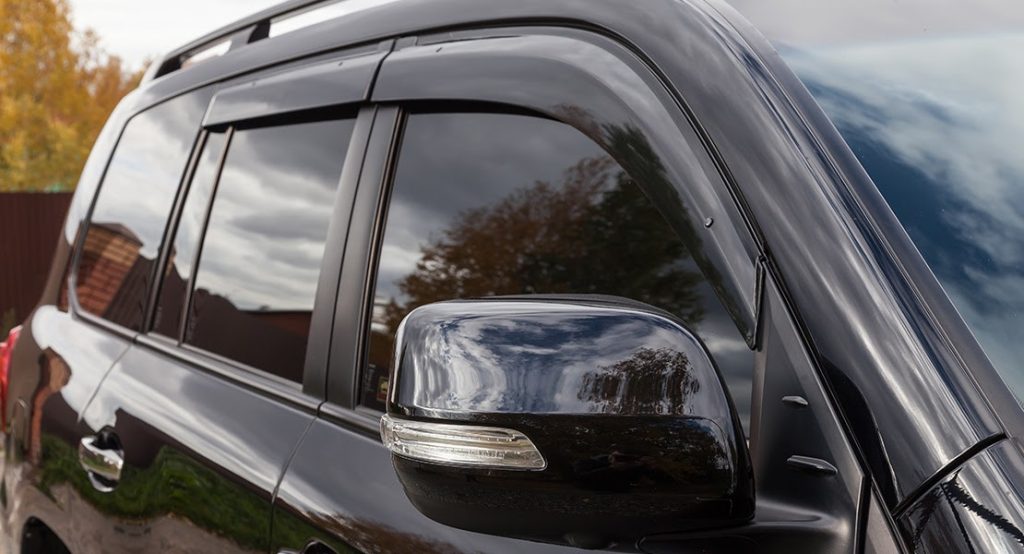
That mirrored look comes from a metallic or reflective layer built right into the film itself - something that manufacturers add either for better heat rejection or just for the look of it. The downside is that reflected sunlight has to go somewhere and ends up aimed directly at the eyes of drivers in nearby lanes. California's reflectivity laws are there for that reason, and they're kept as a separate regulation from the darkness limits.
Reflectivity and darkness are two separate matters, and California law treats them that way. When window tint reflectivity comes up, what we're talking about is the glare and light bounce - not how dark or shaded the glass looks. A vehicle can pass the darkness test with no problems and still have a window that's technically illegal, all because of reflectivity.
With that in mind, the next part covers the percentages that California sets for the front and rear side windows.
How the Window Tint Reflectivity Cap Works
Window tint reflectivity is capped at 35% in California, and the limit applies to your front and rear side windows.
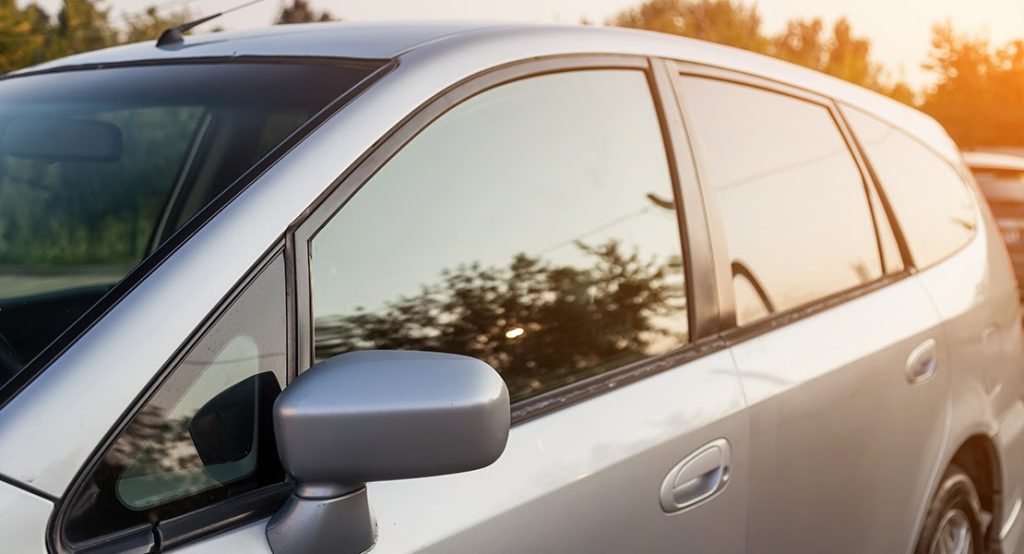
The law itself is pretty easy to follow - your tinted windows can't be more than 35% reflective. If you're thinking about metallic or mirror-style films, remember that they like to look very sharp at the shop but can push your reflectivity past the legal limit and get you flagged at your next inspection.
The reflectivity cap and California's light transmission law are connected, and you should keep them in mind at the same time. Your front side windows need to let in more than 70% of visible light (that's what VLT means), and a film can pass that threshold just fine while it still fails on reflectivity. These numbers are enforced and will get checked.
To check the source on any of this, California Vehicle Code Section 26708 is right where you want to look. The code language covers which windows it applies to, what the legal limits are and what a vehicle owner can expect if their car gets flagged during an inspection. You should read through it at least once - secondhand summaries leave out specifics that actually matter.
The 35% reflectivity cap and the 70% VLT minimum are the two numbers that like to cause the most uncertainty at the shop. Some buyers choose a particular film, and it won't pass inspection - and by the time they find out, the tint is already on the glass. The best way to stay away from that is to know the limits before you choose a film. When in doubt, have your installer double-check the film's specs against California's legal limits before any work begins.
Why California Has Limits on Reflective Tint
Reflective window tint laws exist for a few important reasons - a window that's too reflective can send direct sunlight right into the eyes of an oncoming driver, and at just the wrong time, that glare can be very dangerous.
A left turn gives a driver maybe a second or two to choose whether it's safe to go - and a mirrored window on a nearby car can make that already-tight call a whole lot harder. Add direct afternoon sun at just the right angle into the mix, and a pretty normal left turn can get very dangerous in a hurry.
Law enforcement had a strong hand in shaping these laws as well. Officers need to be able to see into a vehicle during a stop, and a window that works like a mirror makes that nearly impossible.
Plenty of these laws actually came straight from driver complaints. Drivers were reporting that some vehicles were nearly impossible to share the road with on a bright day, and lawmakers ended up paying attention. Reflectivity got regulated right alongside tint darkness levels as a result.
For anyone who just wants that mirror-like finish on their car, it makes total sense to feel like these limits are a bit much. A high-gloss tint does look great in the right lighting. But that same reflectiveness is also what makes it a genuine hazard out on the highway or in direct afternoon sun. These limits aren't about stripping away your own style - they're about drawing a line at the point where one driver's style preferences start to create a problem for everyone else sharing the road.
Front and Rear Windows Have Different Tint Rules
California's tint laws don't treat every window on your car the same way. The front of the car faces the strictest limits, and as you move toward the back, the laws get progressively more relaxed - once you see how it all maps out, it's pretty easy to follow.
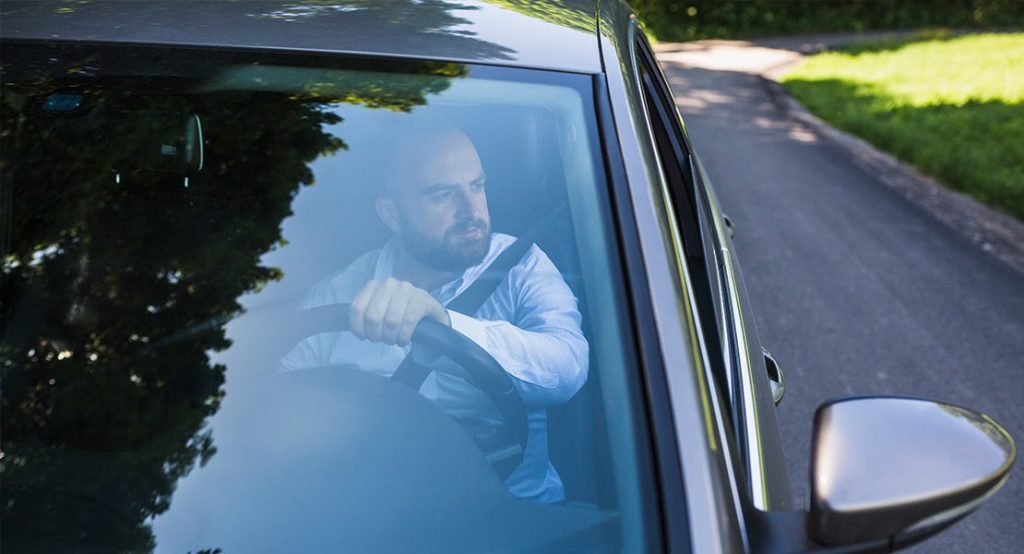
Your front side windows (the ones right next to the driver and the front passenger) face the most scrutiny from lawmakers. Visibility from the driver's seat is a big deal up front, and it's also the area where law enforcement needs to see right into your vehicle during a traffic stop. For those two reasons, California puts a cap on how reflective the tint on these windows can be. A window that's too reflective ends up blocking the view from both sides, to the point where neither side can see through it.
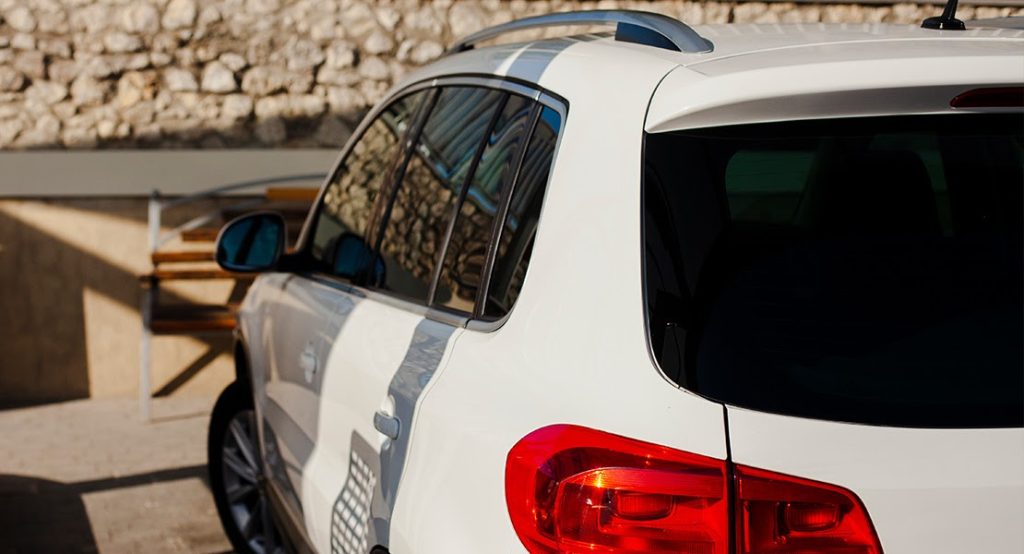
From the driver's seat, a side window that's too reflective works against you in two directions - your view of oncoming traffic gets cut off, and the officer standing right outside can't see in either.
The rear side windows and the back window actually follow a different set of laws. California gives you a fair bit more freedom back there - those windows don't affect your direct line of sight, and they're less of a concern during traffic stops. A darker tint toward the rear of your vehicle is fine under state law. With that said, some limits do still apply, and they can vary depending on what you drive - a sedan and an SUV or van aren't always treated in the same way, so it's worth a quick check before you settle on anything.
Stay Cool and Follow the Law
A hot car is miserable. But comfort and legal tint levels aren't mutually exclusive. There are plenty of options out there that will keep your car cool and still fall within the legal limit - there's no need to settle for anything less.
Ceramic tint films are a great example of this. Ceramic films are designed to block a large amount of heat and UV rays without the high reflectivity that could get you pulled over. These films land well within California's reflectivity limits, and the interior temperatures stay much cooler as a result. For anyone who drives through the Central Valley or anywhere else inland where summer heat piles on, a quality ceramic film makes a real difference in how comfortable your car gets. They also tend to hold up well over time, which makes them a long-term investment compared to cheaper alternatives.
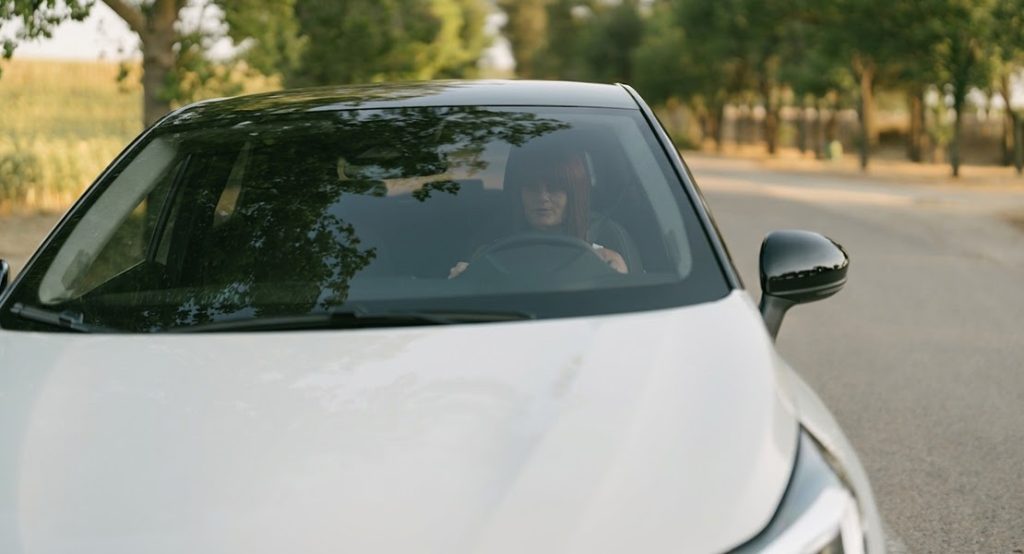
California does allow for medical exemptions, which can matter quite a bit for drivers who actually need darker tint for health reasons. A licensed physician can provide a signed certification that allows for window tint that goes past the standard legal limit, as long as you have a documented medical condition to back it up. It's wise to keep that certification in your car. Law enforcement can ask to see it if your tint looks darker than the standard limit. Light sensitivity, heat sensitivity and other related conditions are some of the more common qualifying reasons - and if any of that sounds familiar, it's worth talking to your doctor about it.
The Cost of a Tint Violation
A tint that's out of compliance with California's reflectivity limits will most likely land you a fix-it ticket. Officially, it goes by the name "correctable violation" - you get a set period to remove or replace the tint, bring the proof of the fix to the court and put it all behind you. In practice, it's more of a warning than a punishment. But it's also not nothing. A fix-it ticket still costs you a fair chunk of your day - it's the last way you want to spend it.
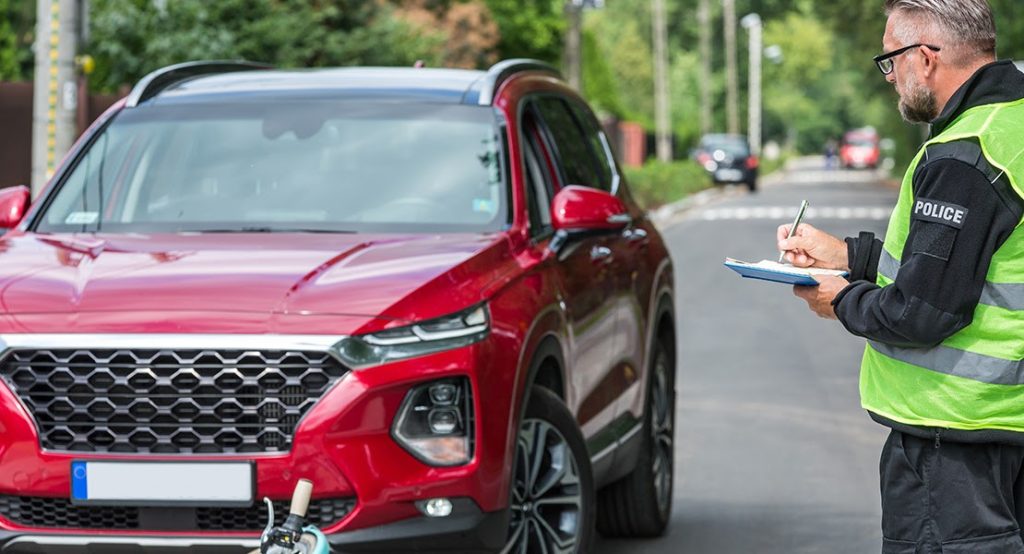
The longer you wait on this, the more expensive it gets. Another stop for the same violation can mean fines, and those fines pile up with each new offense. At that point, on top of everything else, a full re-tint will come out of your own pocket too.
These costs all add up. A full re-tint is not cheap, and if the first film was too reflective, you're paying for it twice.
Plenty of drivers think that reflective tint is hard for officers to catch, or that it hardly ever comes up during stops. Neither one is true. Reflective film is literally designed to be seen - it catches light and draws the eye, which is what makes it one of the easier violations for an officer to spot. The whole point of a legal tint is to have a film that does its job without drawing extra attention to your vehicle.
See if the Tint Laws Have Changed
California's tint laws do get revised every now and then, and it's worth a few minutes of your time to verify the laws before you go ahead with a tint job. The best place to start is CVC Section 26708 - that's the section of the California Vehicle Code that covers window tint specifically. The California DMV website is another reliable resource to have bookmarked, and since everything on there comes directly from the state, it's as up to date and accurate as you're going to find.
Forum posts from a few years back can be tempting to use - they're quick to find and free. The problem is they go stale fast, and there's no way to know if the laws have changed since they were written. For California specifically, a licensed tint installer who works in the state full-time is one of the best resources that you have access to. These installers have to stay up to date on the latest changes because their livelihood rides on it - and in my experience, a decent installer will talk about the local laws before you even ask.
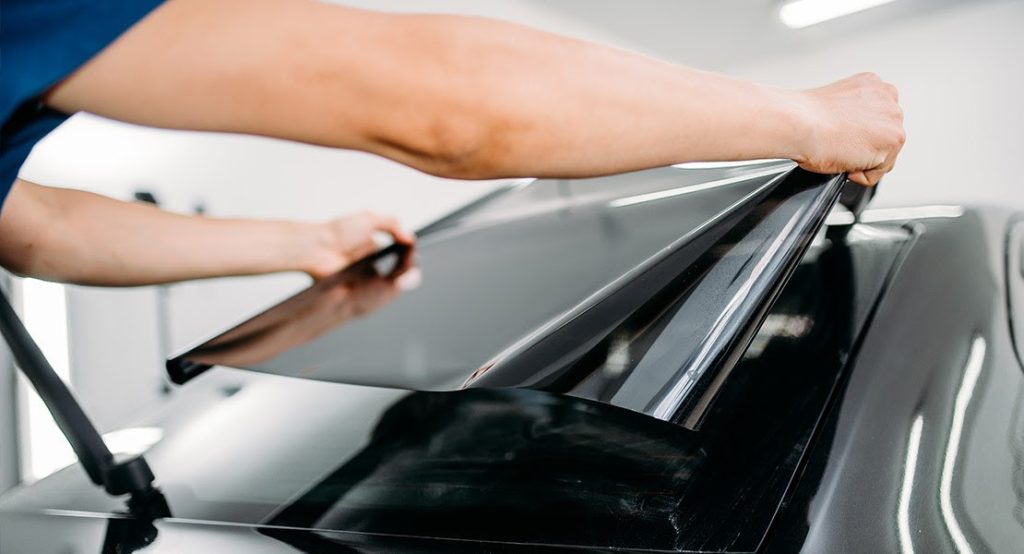
Legal wording can be hard to get through - it's fair. When the official language gets hard to follow, a professional can sit down with you and translate it into plain language - it's the easiest way to get the answers that you actually need.
One last point to keep in mind - if your tint was installed under a medical exemption, make sure to hang onto that paperwork in your vehicle at all times. It's a small detail. But it could save you a headache if you ever get pulled over for it.
Transform Your View with Professional Tinting
Window tint actually has two separate numbers in play - how dark your windows are and how much light they bounce back. Most drivers only think about one of them, which is usually where the confusion starts. Get a feel for both, and the whole choice gets much easier. You can absolutely have a cool car that stays street-legal.
Film technology has come a long way over the last few years, and if you've had your eye on something more performance-oriented, the timing couldn't be better. The products available make it very possible to get actual heat and UV protection and still come in under that 35% reflectivity cap - it does take a little more intention in your conversation with your installer and a bit of research if you have your eye on a mirrored finish at the shop.
Take a quick look at the latest tint laws, just to make sure nothing has changed since you last checked. California's tint laws do get updated from time to time. Any installer will already know what's legal and what isn't - but it never hurts to walk in with at least a little knowledge of your own.
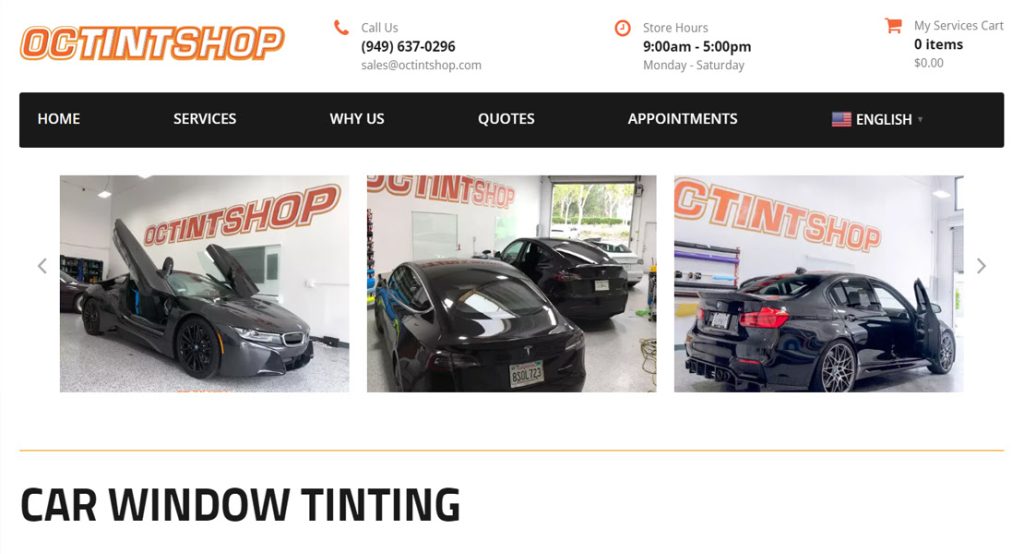
For anyone who needs an installer that legitimately knows California's window tint laws inside and out, OC Tint Shop is the right call. Our team works with these laws every day, and we take pride in every installation - as much in how it looks as in whether it stays street-legal. If your goal is to protect your interior, cut down on the heat buildup or just give your vehicle a sharper look, we have the right film for it. Give us a call now, and we'll help you find the best fit for your car, your lifestyle and your local laws.