
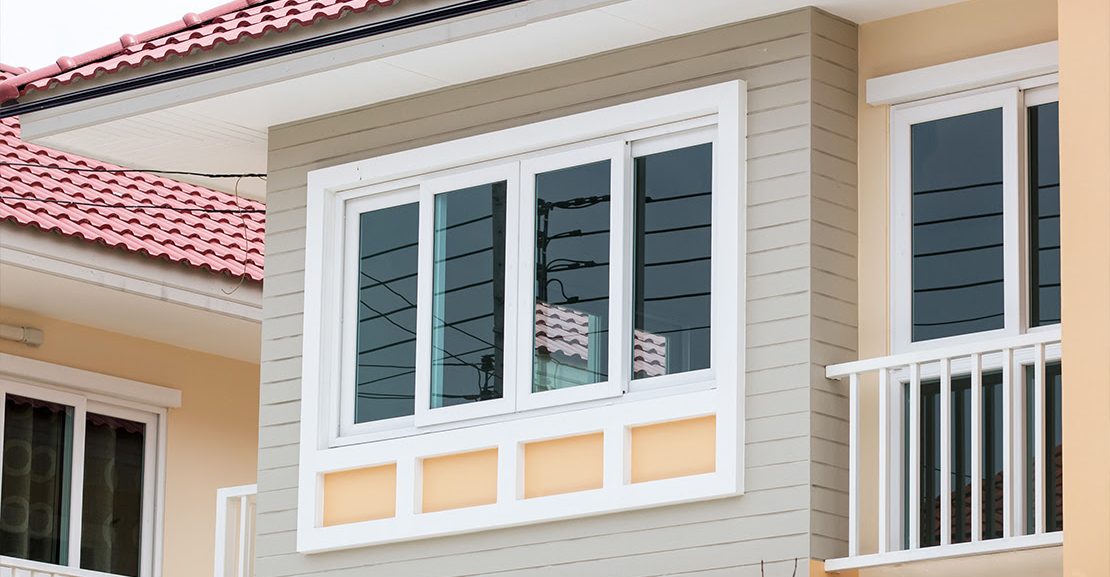
Southern California is one of the most competitive real estate markets in the country, and buyers here aren't easy to impress. Most of them arrive already well-researched - they've done the math on energy costs and their definition of "move-in ready" has quietly raised the bar quite a bit over the last decade. Whether window tint is worth the investment before a listing is a fair question.
The hesitation makes sense. Most sellers want upgrades that actually translate into value - not features that photograph well for a listing but don't hold up the minute an appraiser walks through. Window tint sits in a strange middle ground for homeowners - it doesn't feel big enough to qualify as a renovation, but it's far too helpful to just dismiss outright. That gray area is worth thinking through before you choose either way.
Southern California's climate legitimately does set it apart from most other real estate markets, and that has a direct effect on what buyers will pay. A home that holds up well on a hot day (with lower energy bills and less strain on the HVAC) is a more interesting buy, and the gap in value adds up over time.
Window tint has a real effect on home value. It's not a big renovation by any measure. In a market where buyers are already focused on energy costs, small touches like these can work in your favor. Energy efficiency comes up in negotiations - and from what I've seen, window tint is a quiet upgrade worth having in your corner.
Let's find out if window tint can increase your Southern California home's value!
Why SoCal Buyers Want a Cooler Home
Buyers in Southern California think about heat differently than buyers almost anywhere else in the country. Almost everyone who tours a home out here is already doing the math in their heads on what monthly costs are going to be, and a house that feels uncomfortably hot during a showing can hurt an otherwise strong listing. Even when the price is right, the layout works, and the location is perfect, that discomfort has a way of sticking around long after the visit's over.
Homes in the Inland Empire, the San Fernando Valley and other inland areas work with afternoon heat that turns brutal from June through October. Anything that even hints at lower utility bills will grab a buyer's attention in those markets. A feature doesn't have to be flashy to land well with buyers - it just has to feel like a worthwhile addition. Window tint fits that description and comes across as a helpful upgrade instead of a decorative one. For a buyer who's already a little nervous about the month-to-month costs of owning a home, that difference does matter.
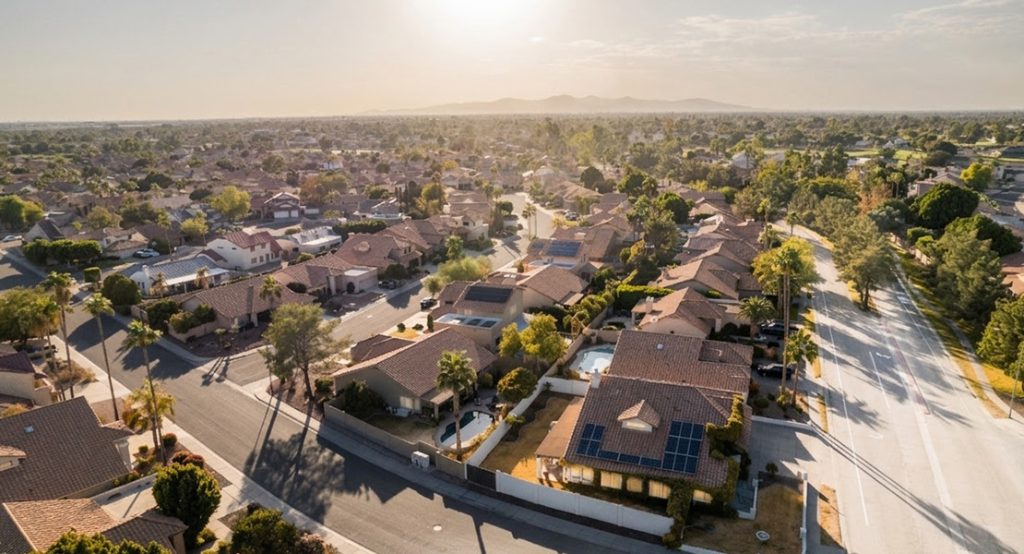
Buyers are on edge. The market has been a bit rough, and most buyers who come through the front door are already in full scrutiny mode before they've even glanced at the kitchen. A home that has already dealt with one of the most common frustrations in the region (the heat that makes the electric bill painful) will start that conversation from a much stronger place.
Window tint won't fix a bad listing. The facts do add up in a market like this, though. It's a quiet upgrade that buyers pick up on (even if they can't quite say why). Something about the house just feels a bit more livable than the last one they toured. For SoCal in particular, this detail helps, and it's never one I'd leave off the list.
Lower Your Energy Bills with Window Film
The energy numbers behind window film are actually worth a look. A quality film can cut solar heat gain by as much as 80%, and that puts much less of a strain on your air conditioning system. In a place like Southern California, where the heat sticks around for months at a time, that reduction can mean actual money saved on your energy bills by the end of the year.

The U.S. Department of Energy has cited window film as one of the better tools for cutting cooling loads in hot climates, and that carries some weight given how much energy air conditioning alone burns through in this region. With less heat coming through the glass, your AC doesn't have to work nearly as hard or run nearly as long. As an added bonus, the home also holds a more even temperature throughout the day instead of climbing and dropping every few hours. The International Window Film Association has data to support this as well - treated windows can make a real dent in your cooling costs in areas that get plenty of direct sun. Homes in SoCal with large windows or glass that faces west usually see the biggest gains from this, and a large number of the homes in this area fit that profile.
The best part about this for home sellers is that it's all documentable. A homeowner can pull up their utility records and show a prospective buyer what the average monthly bills have looked like over time. That verifiable track record is far more persuasive than just pointing to a feature and promising it'll pay off eventually - those lower bills give a buyer something concrete they can verify. In a competitive market, that detail can quietly matter quite a bit when it comes time to negotiate.
Can Tint Add to Your Home Value?
Window tint installation runs about $5 to $15 per square foot, and a full treatment for an average-sized house can land somewhere in the few-thousand-dollar range. At that price point, it's worth asking whether any of that money comes back to you at closing.
Most appraisers won't assign a direct dollar value to window tint the way they would to a remodeled kitchen or a new bathroom. It doesn't show up as a line item that pushes your appraised price any higher - and if you go in expecting it to, you'll probably come away a little disappointed.
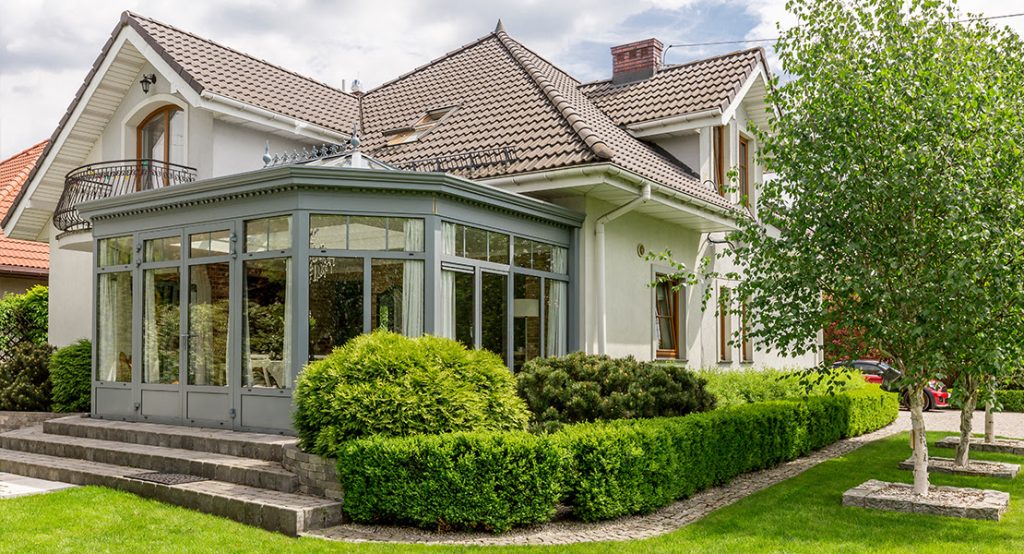
Where sellers sometimes miss the bigger picture is in how they're measuring the return. The value of window tint doesn't always show up as a higher number on an appraisal report - a large chunk of it lands in places that are harder to put a number on. In a Southern California market where heat and UV exposure are real concerns for buyers, a home that already has those issues handled is one less item on a buyer's wishlist. Most buyers won't say it out loud, and they might not even consciously register it. But it shapes how they feel about a home.
Sellers who are very focused on dollar-for-dollar returns might not find window tint all that desirable on paper. For sellers who want their home to feel move-in ready (a place a buyer can picture themselves in from the second they step through the door), the return on it tends to be much wider. Anything that takes some friction out of a sale has value even when that value doesn't show up on a spreadsheet. A buyer who walks in and sees that the home has been well cared for is already much closer to making an offer.
Why Buyers Remember the Homes That Feel Good
A buyer spends an entire afternoon at home showings in 95-degree heat. When they finally walk into a living room that somehow feels noticeably cooler (and just more comfortable) than every other house they've been in all day, that feeling sticks with them, though they might not be able to explain why.
Real estate agents in Southern California will tell you that the physical feel of a home during a walkthrough has quite a bit to do with how buyers rate its quality. It's not usually a conscious choice on their part - most buyers aren't walking through with a mental checklist of sensory cues. A buyer might not walk out and say, "The window tint made this house feel better," but that space will stick with them long after they've forgotten about the square footage and the listing price.
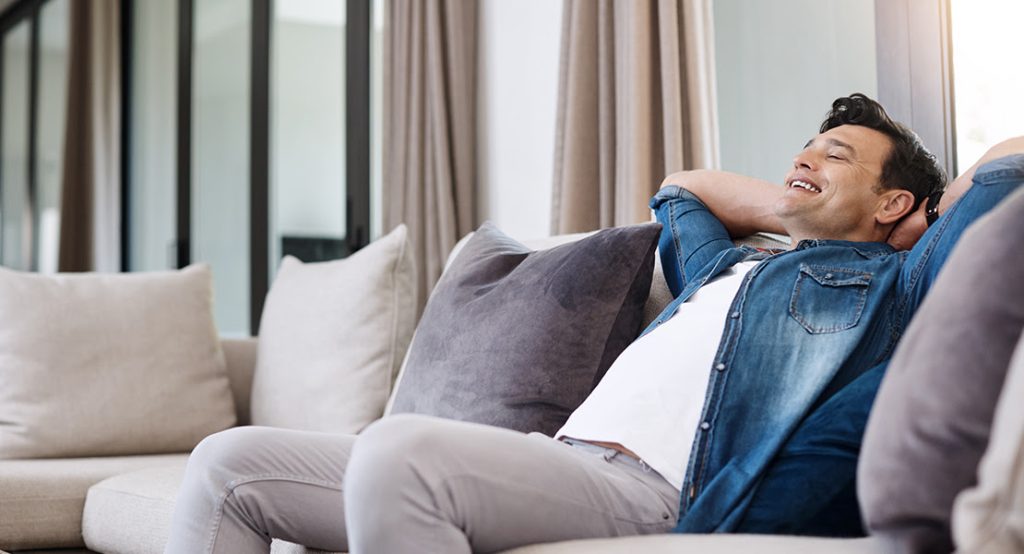
Glare is something most buyers won't pick up on until they're standing in a home that doesn't have it under control. With no window tint, the afternoon sun can wash out an entire room and make it very hard for buyers to see the space for what it has to offer. A tinted home tends to feel more polished and put-together - and a big part of that comes from more balanced light and an even temperature from room to room. It's a small detail, but it can do quite a bit for how a space feels during a showing.
Comfort and quality go hand in hand for most buyers. A home that feels very comfortable to be in will leave a much stronger impression - and in a market like Southern California, where the summer heat can turn a beautiful open floor plan into a pretty unpleasant place to be, that's something plenty of sellers don't give nearly enough weight to. It also plays a big part in the personal story a buyer starts to build in their head about whether or not the place actually felt like home from the minute they stepped inside.
Does Your Older Home Meet Title 24 Standards
California's Title 24 energy standards set the bar for how energy-efficient a new home needs to be - and the gap between those benchmarks and older homes is something that buyers and home inspectors are paying far more attention to. If your home was built in the 80s or 90s, then you'll want to read up on this.
Window film is one of the better upgrades that you can make to older glass without a full window replacement. A quality film can meaningfully cut down on solar heat gain, which is actually one of the main areas that Title 24 targets anyway. It won't make an older home code-compliant on its own (no single product will), but it does signal that the home has been updated with efficiency in mind. With the right buyer, that detail carries weight.
A home with single-pane or low-performance glass can become a concern the second a motivated buyer walks through the door - well before an inspector has written anything down. Buyers in Southern California have high expectations around energy efficiency. Anything that makes it look like the home has fallen behind can give them a reason to pause or at least push back on price.
Window film gives older homes a way to close some of that gap. It's a low-cost upgrade that works with savvy buyers - and those are usually the ones who push the hardest in a negotiation. A newer build down the street will usually have double-pane windows and a tighter envelope from the start. A well-maintained older home with documented upgrades can still hold its own. Window film won't erase the age of a home - what it does do is make an older property much easier to stand behind when the conversations about price and condition come up.
How Tint Helps Your Home Stand Out
Window tint doesn't usually make it onto the first draft of a pre-sale to-do list - and that's fine. It's the type of upgrade that works best as a final step instead of a starting point. The order in which you do these steps does matter.
Right before the listing, most sellers have already taken care of the big items - fresh paint, cleaned-up landscaping and a staged interior. Window tint at that point is a pretty easy upgrade that helps a home stand out from the other listings in the same neighborhood.
That last part deserves more credit than it tends to get. In a neighborhood where every house on the block looks more or less the same, the small touches can still be the detail that gets a buyer to choose one home over another. A home that runs cooler, has less glare through the windows and feels a little more private from the street gives buyers one more reason to try it over the house right next door.
Window tint is also worth a bit of context - it's not a big renovation, and it won't add square footage or update an old kitchen. What it does do is make the home more comfortable to live in and a little more refined when it's ready to go on the market.
The best time is either right before the listing goes live or during a pre-sale refresh when you're already taking care of the other cosmetic work. Do it too far in advance, and most of the benefit ends up being for you - not for the buyers who need to be impressed. Paired with a few other small updates, it all comes together as a polished and move-in-ready package instead of a random last-minute add-on.
After the bigger projects are taken care of, window tint is one of the finishing touches that can make a home feel polished and put together.
Transform Your View with Professional Tinting
Window tint is an upgrade that doesn't have a dramatic before-and-after (it's the whole point). It does its job quietly in the background, and the home ends up feeling noticeably better for it without the upgrade ever drawing attention to itself. In a market like Southern California's, buyers walk in well-researched and their expectations are high, so understated value tends to land well.
Whether tint actually raises resale value doesn't have one clean answer - it's fine. The better question to ask is whether it makes your home easier to sell, more comfortable to spend time in and interesting to buyers who are already thinking about long-term energy costs. In an energy-conscious market like SoCal's, it points in the same direction.
If window tint is part of your plan to get the house ready to list (or you'd just like to make your home a fair bit more comfortable), the quality of the installation matters just as much as the film that you choose. At OC Tint Shop, we've helped homeowners all across Orange County do this with premium materials and a level of care that holds up over the years. If a listing is on your radar or you're just tired of the afternoon sun taking over half your house, our team is happy to help. Give us a call to schedule your free consultation and find out what the right window tint can do for your home.