
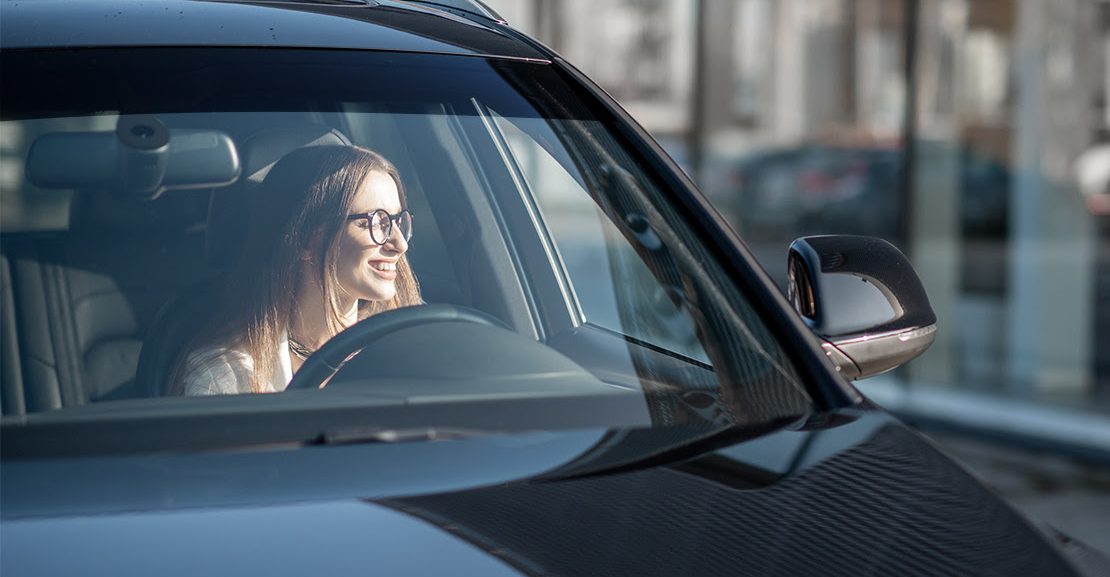
Most California drivers walk out of the tint shop really happy with their new windows - right up until a traffic stop changes everything. Plenty of drivers just assume one set of standards covers the whole vehicle - that assumption alone can get you a citation on the first day that you own the car.
Tint shops in other states work under much looser laws, so drivers who relocate to California usually arrive with a non-compliant install already on their car - and in some cases, no one ever told them otherwise. Even long-time California residents make this mistake - they'll place their tint based on a factory marking instead of on a tape measure. That half-inch mistake is all it takes to land a fix-it ticket and another trip back to the shop.
California's windshield tint laws are pretty strict about placement, color and reflectivity - and in my experience, law enforcement does take them seriously. Officers know exactly what to look for with non-compliant tint - and a windshield strip that's even slightly out of bounds is one of the easier violations for them to flag on a normal traffic stop.
These laws are in place for visibility and safety - the placement limits are tied directly to driver sightlines.
Let's get into California's windshield tint strip laws so you stay legal!
What a Windshield Tint Strip Actually Is
A windshield tint strip is a band of tinted film that runs along the very top edge of your windshield (not across the whole glass, just that narrow section at the top). This detail actually matters quite a bit in California, because the law treats that upper portion of your windshield very differently than the rest of it.
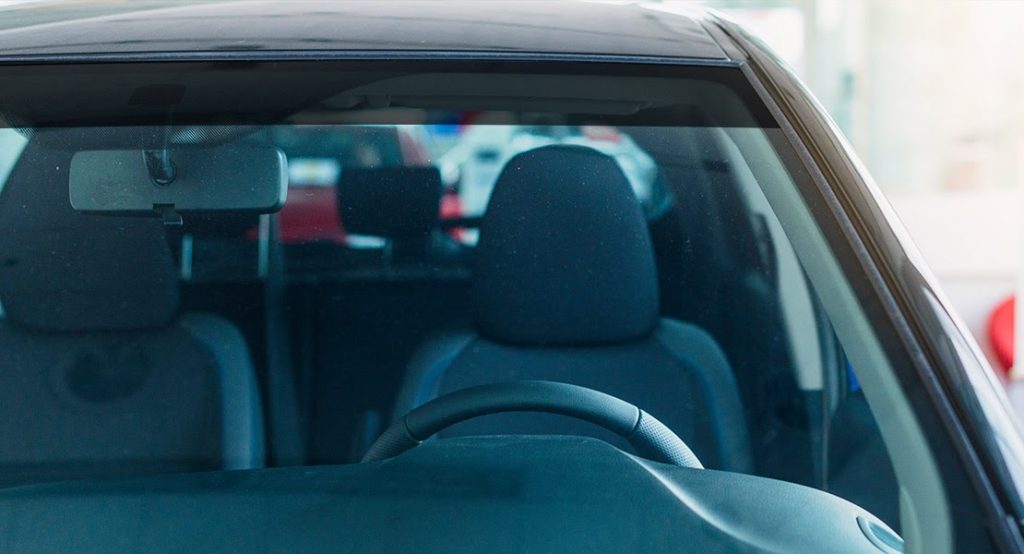
Drivers reach for these strips for a few very real reasons. The most common one is glare reduction from that low sun angle you get during an early morning commute or on the drive home at the end of the day. Anyone who's been on the 405 at that hour with the sun just above the horizon and blasting straight into your eyes knows the appeal is pretty obvious. A tint strip takes the edge off that intense glare without blocking your view of the road ahead. These strips also work well at blocking UV rays from reaching the driver and the front passenger directly. That exposure does add up over the years of day-to-day driving.
Before we get too far into this, a quick heads-up on the wording - a windshield tint strip refers to that narrow band of film along the very top of your windshield and nothing past that. It's not the same as a full tint application across the entire windshield glass. California has plenty to say about where these strips can and can't go, so keep that definition in mind as we get into it.
The 4-Inch Rule for Your Windshield
California's Vehicle Code Section 26708 only lets you put tint on the top 4 inches of your windshield - that's the whole deal right there. The law is pretty strict about where that line falls, and it doesn't leave much room for interpretation.
The whole idea behind this law is to leave your direct line of sight as open as possible while you're behind the wheel - anything that drops below that threshold starts to cut back on what you can see straight ahead. It's a pretty tight restriction, and California doesn't take it lightly for just that reason.

That said, 4 inches on a windshield looks much smaller in person than it does on paper. Plenty of drivers lay a tint strip against the glass and expect it to reach farther down than it does once placed. What you're left with is a pretty narrow strip right along the very top edge of the windshield - and it's worth knowing before you go ahead with anything.
Drivers who've recently moved to California from another state should pay a bit of extra attention to this one. Windshield tint laws are pretty different across the country, and a number of states allow tint strips to go farther down the windshield than California does. What was perfectly legal back home might not meet California's 4-inch limit. It's smart to check where your strip actually falls before you drive around with it.
For a new installation, ask your tint shop directly whether they know California's limits before any work gets started - not every shop is up on the laws in every state.
How Dark Can Your Tint Strip Go?
VLT stands for Visible Light Transmission - it's just a way to measure how much light passes through tinted film. A higher VLT number means more light gets through. California law calls for front side windows to allow at least 70% light transmission, which makes the missing VLT percentage for windshield strips a pretty common source of uncertainty.
That missing number exists because the windshield strip gets its own treatment under the law - it's viewed less as a window and treated more like a glare shield. The idea is that a short strip across the very top of your windshield won't cut off your line of sight in any actual way. The law gives you a little more room here, though that flexibility does have its limits.
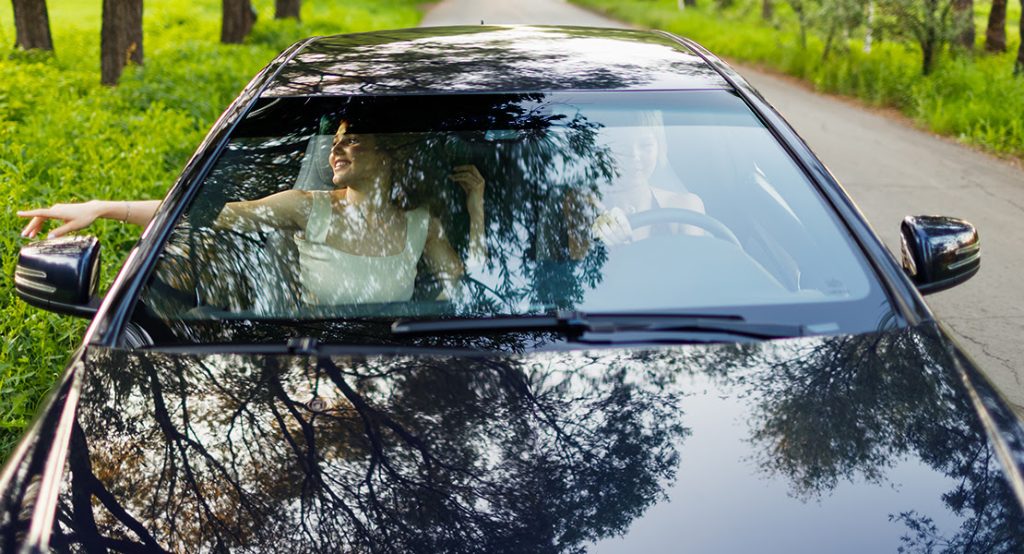
Dark tint options are where it can get a little more nuanced. A very dark strip can technically land within the legal limit and still cause problems once the sun goes down. At night, with ambient light already working against you, streetlights, headlights and traffic lights can all look noticeably dimmer through heavily tinted film. One drive probably won't make this obvious - the effect tends to build up over time, and it's most noticeable on long commutes or on roads that you haven't driven before.
None of that makes a dark strip illegal, to be fair about it. The law doesn't set a hard VLT limit for the strip itself, so there's no number that you'd actually be violating. What it does mean, though, is that the darkest option that you can legally use isn't always the right call just because it's available. The shade that you land on for your windshield strip is worth a little more thought before you lock it in - especially if you spend quite a bit of time behind the wheel after dark.
What the AS-1 Line Really Means
California's law for windshield tint strips is pretty easy to follow - your tint can only reach 4 inches down from the top of the glass with no exceptions. Most windshields actually have a small reference mark built directly into the glass called an AS-1 line. It's placed there by the manufacturer specifically so drivers and installers know roughly where the top of the windshield's critical viewing area falls.
The AS-1 line runs across the windshield about 5 to 6 inches from the top, and it was first put there to mark the boundary of the area that needs the clearest, most distortion-free glass - right where your line of sight needs to be at its best. Many drivers use it as a natural reference point for where to end the tint strip, and it seems like a pretty logical place to stop.
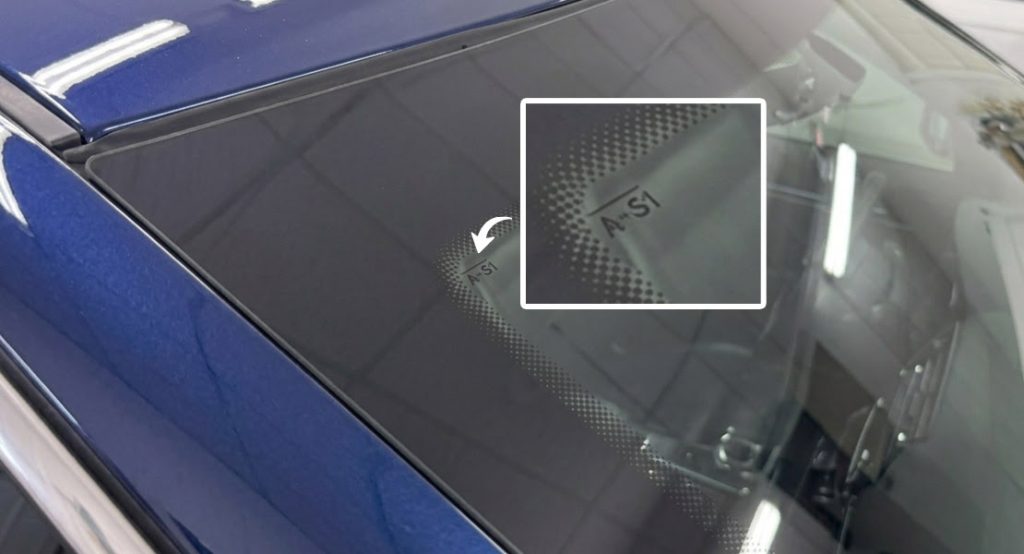
The AS-1 line and California's 4-inch limit aren't the same thing - it's a distinction that matters quite a bit when you get your windows tinted. On most vehicles, that AS-1 marking sits lower than 4 inches from the top of the glass. If your installer just follows that line, your tint strip could come down more than the state lets - it's something to remember when your car goes in for a tint job.
The only reliable way to make sure that your tint strip is within the legal limit is to grab a tape measure and do it yourself. Place one end at the very top of your windshield, then measure straight down to where the tint ends. If that number comes in over 4 inches, your tint is out of compliance - and it doesn't matter where the AS-1 line happens to fall on your particular windshield.
The whole check takes about 30 seconds and costs you nothing at all, so there's no reason to skip it. Do it before your tint gets installed if at all possible - a redo will cost you more money and more frustration than a quick tape measure ahead of time ever would.
Side Windows and Windshields Have Separate Rules
Drivers get their front side windows and windshield tinted at the same time, and it's a natural assumption that one standard covers the whole car. California law doesn't actually work that way.
The state treats these two areas as two separate zones. Front side windows fall under a 70% VLT minimum, and the windshield has its own separate standard - tint is only allowed above the AS-1 line. The fact that each film went on during the same appointment doesn't automatically mean the same standard applies to each of them.
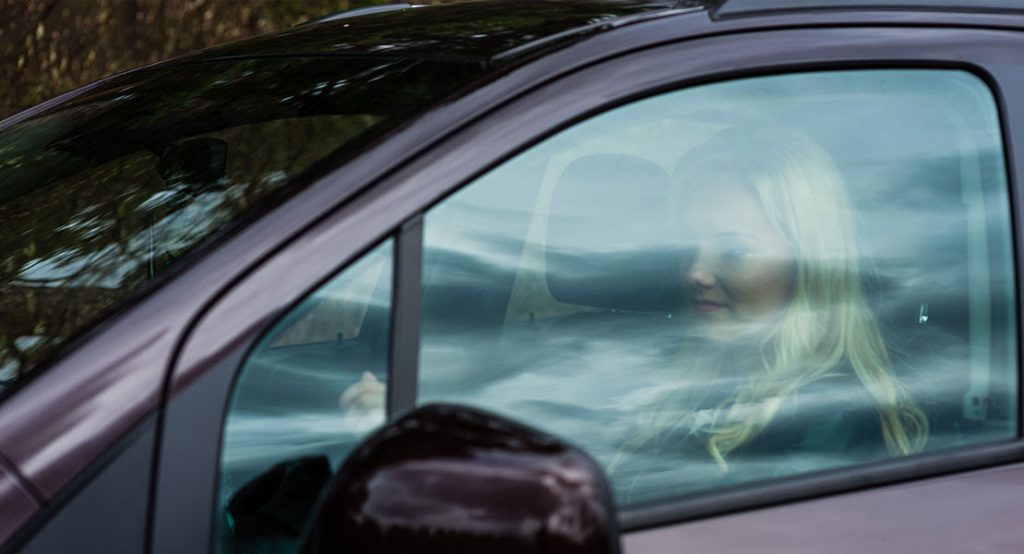
Drivers run into hot water at this exact point. A windshield strip that looks just fine right next to a legal front window tint can still be out of compliance all on its own - that detail matters. The darkness level that gets your side windows past an inspection won't automatically carry over to the windshield area. Those are two separate tests, each with its own set of rules.
Each area of your vehicle's tint has its own standards, and each one deserves its own look - you can't treat the whole job as either legal or not. When you're done, have your installer break down the compliance for each section individually so you know where you stand with each one.
What a Fix-It Ticket Means for You
A tint strip that goes past the four-inch limit falls under California Vehicle Code 26708. The upside is that this type of violation won't automatically get you a fine - at least not immediately.
In most cases, a fix-it ticket is what you'll deal with. To resolve it, get the tint removed, have a law enforcement officer or a certified inspector confirm the fix and then submit that proof to the court to have it closed out. It's a pretty easy situation to work through, and what matters to you the most is how fast you move on it.
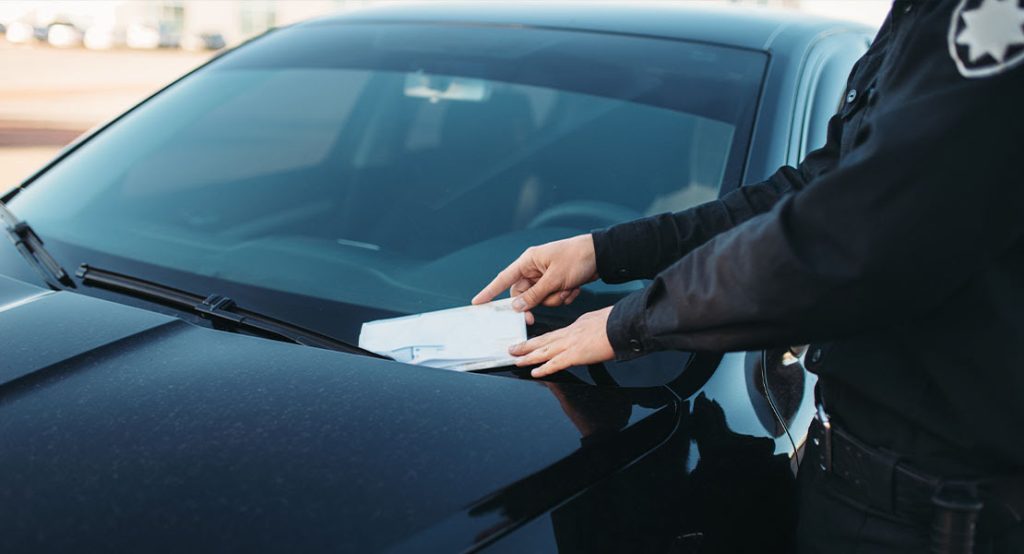
A fix-it ticket only gives you some leniency before that window closes. Wait too long to handle it, and what started out as a basic correctable issue turns into a money problem - one that no signed proof of repair will get you out of. And if more violations come in on top of it, those fines can grow into a very expensive situation.
The penalties for violations start on the lighter side, and enforcement has become stricter about it over time.
A fix-it ticket for your tint strip is one of the easier situations to be in - the next steps are already laid out. Pull the tint off, get it verified and close out the ticket. Moving on, it soon means all of it can be behind you in just a few days.
How to Avoid a Fix-It Ticket
Before a tint strip ever gets near your windshield, a little prep work does pay off in how it all turns out. Out of the whole process, the biggest step (and the one most worth your time) is to measure from the top of the windshield down. Whatever you do, don't skip that part.
A tape measure is worth the extra minute - you won't get accurate results by eye alone. A half-inch too low puts your strip directly in the restricted zone - even if it doesn't look off while you're still mid-installation. That restricted zone exists for a reason - it's the area directly in front of the driver, and most states have laws about how it can be covered. The fines and failed inspections that you'd have to face are not worth the shortcut.
A small mistake at this stage is much easier to fix than after the film is already on the glass.
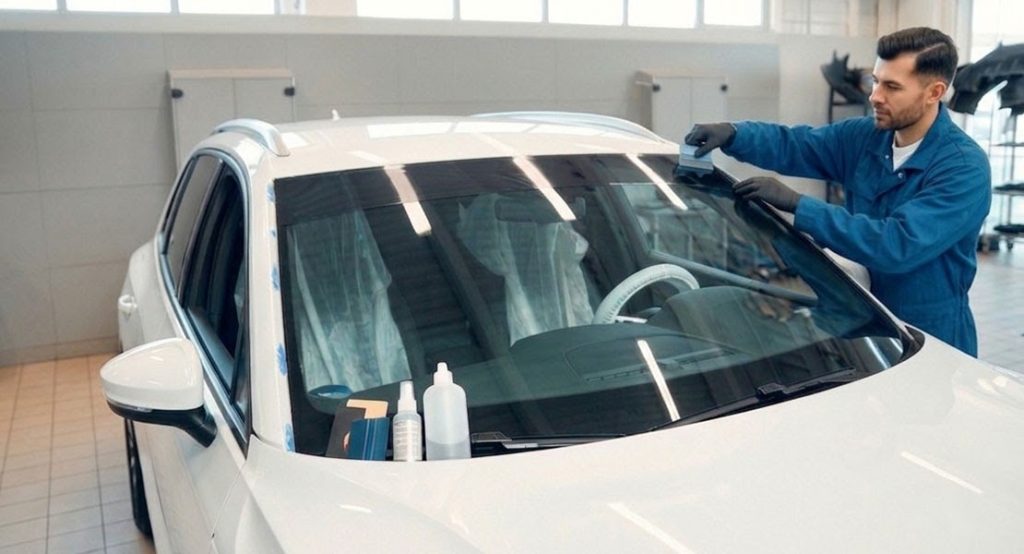
If the whole process seems like more than you want to handle on your own, a professional installer is a valid option. An experienced installer will know the exact measurements for your state and how to apply the film correctly, with no chance of you ending up in a legal gray area. The peace of mind alone is worth quite a bit - and when you weigh it against possible fines and a failed inspection, the extra cost starts to look pretty reasonable.
Transform Your View with Professional Tinting
It pays to get it right on the first try. California's windshield tint strip laws are straightforward - just read what the law is asking for. They're particular enough that a small mistake here or there can cost you money and a genuine headache.
A lot of these laws make more sense once you see where they actually came from. When the logic behind them clicks into place, the whole process is much easier to work with - and before long, it just starts to feel natural.
In my experience, the jobs that go the smoothest usually get a quick conversation well before installation day. A professional can take the uncertainty out of it and make sure everything is done right from the very beginning. At OC Tint Shop, we've tinted thousands of vehicles all across Orange County, and everything matters to us. From Newport Beach to Anaheim, our team knows California's tint laws from front to back and makes sure every customer walks away with a result that they feel great about. From a basic tint strip to full window tinting, ceramic coatings or paint protection film, we're happy to help you choose the best option for your vehicle.
No one wants to pay for a tint job twice. A bad install brings on peeling edges, air bubbles and an expensive redo. Contact us to set up your free consultation and see what a professional installation can do for your vehicle.