
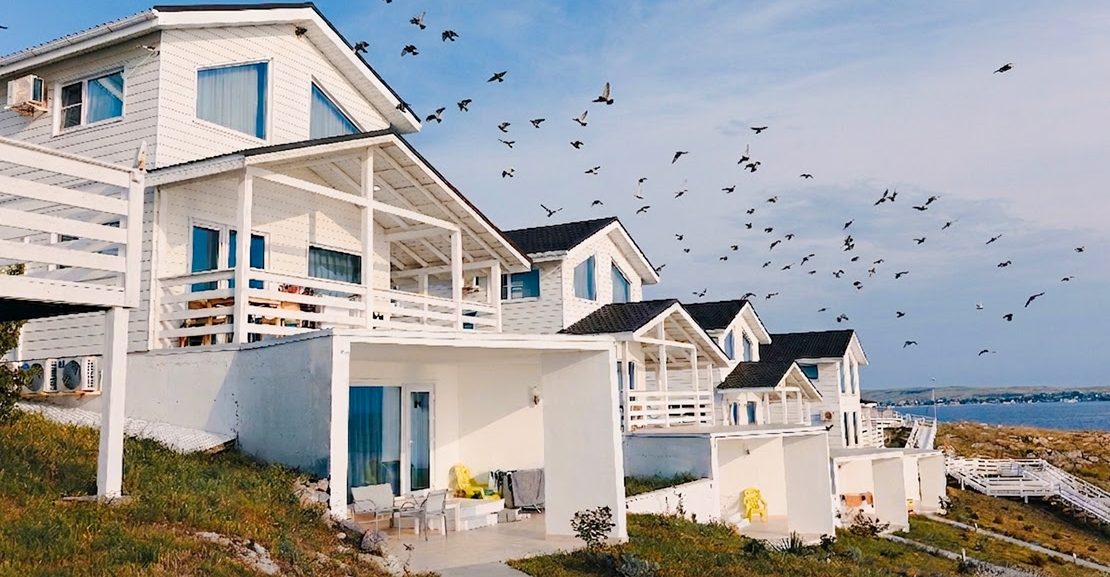
Plenty of homeowners come here right after a bird has flown into one of their windows. At that point, the natural instinct is to just find a quick fix and move on - which is understandable. The tough part with window film is that a rushed choice can wind up making it worse.
The options out there can vary quite a bit in how well they perform and how long they last. Newport Coast homes face the conditions that most generic products just weren't built for. The salt air alone speeds up how fast a lower-quality film starts to break down - and most manufacturers won't mention that in their product descriptions. A film that does just fine a few miles inland can start to peel, haze or fade within a season or two of steady coastal exposure. Any time I see an install that's failed ahead of schedule, salt air is usually a big part of the reason.
A bad product choice will usually put you right back at square one within a year or two. With no product in place at all, the bird strikes just continue, which is a genuine wildlife concern and not very pleasant to deal with on top of everything else.
Bird strike window film, when it's matched to your glass type and installed with the right spacing pattern, does a great job of protecting birds without sacrificing any of the views that make Newport Coast homes worth having. The panoramic sightlines, the ocean light and the open feeling of the space all hold up. From inside the house, the film is virtually invisible. But to a bird on the outside, it reads as a strong visual barrier.
Let's get started on protecting your Newport Coast home's glass!
Why Newport Coast Glass Is a Bird Trap
Newport Coast runs directly along the Pacific Flyway - one of the most active bird migration corridors in North America. Hundreds of species pass through this stretch of coastline every year, and a fair number of them are moving very fast through low-light or high-glare conditions.
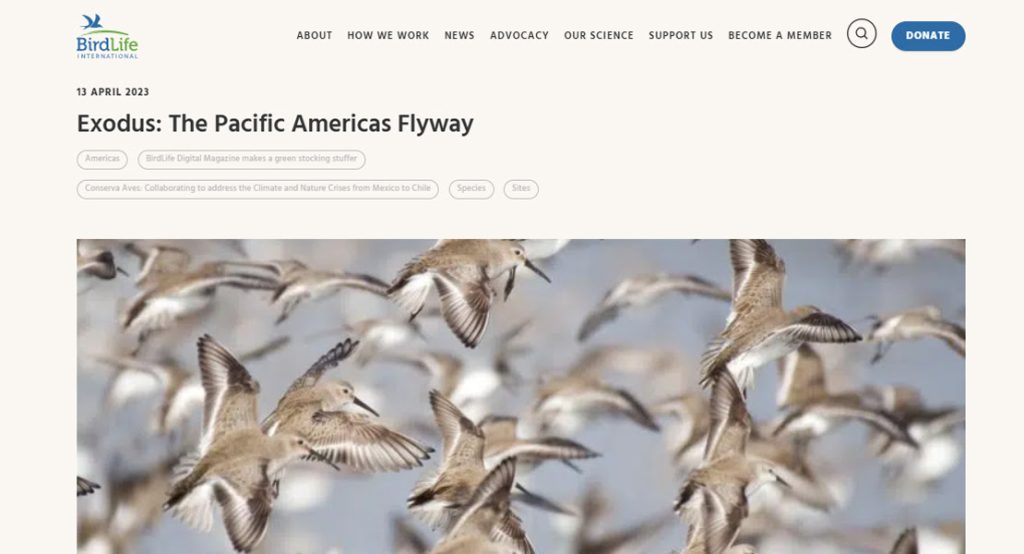
The surrounding open space preserves only make it worse. Crystal Cove State Park and the Irvine Coast Wilderness Area push large bird populations almost directly into the residential neighborhoods, and there's virtually no buffer at all between the wild habitat and the glass walls of a luxury home.
The architecture itself is actually a big part of the problem. Newport Coast homes are designed around their views, which means uninterrupted glass surfaces that mirror the sky and the tree line. From the outside, that glass reads as open space.
A bird heading toward your home sees a reflection of the hillside, the chaparral and the open sky. Nothing in that picture says there's a "hard surface," and without any physical intervention on the glass itself, these collisions are very hard to stop - as far as the bird is concerned, it isn't making an error at all.
There's a pattern to it, too. Homes with wraparound glazing, corner glass panels or large window walls that face preserved land take the hardest hits - and Newport Coast just happens to have all of these features packed into one area.
How Birds See UV Patterns on Glass
Birds don't see the world quite the way we do - their vision extends into the ultraviolet range, so a window that looks transparent to you can register as something very different to a bird in mid-flight. UV-reflective window films work on an easy principle - birds and humans see the world very differently. Products like Feather Friendly and Collid Escape lean into that with fine dot or stripe patterns that are nearly invisible to us. But birds can pick up on them with no problem at all. What that means for you in practice is a treated window that doesn't feel like you've put a grid or a decal over your view.
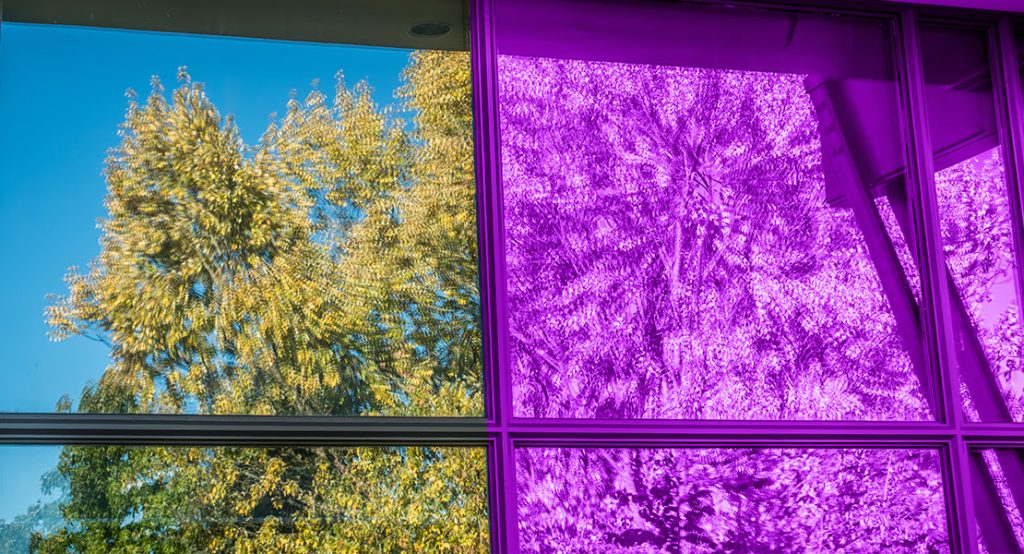
Newport Coast homes with floor-to-ceiling glass and those ocean sightlines have a lot riding on that choice. A bird deterrent that ends up ruining your view defeats the whole point of living there. These films were actually designed with that exact concern in mind - the dot or line patterns are minimal enough that most homeowners barely even register them after the first day or two of normal life in the space.
It's worth saying from the start - these films are not what you picture first. We're not talking about frosted or tinted windows or anything that's going to darken your space or put a color cast over your view. Light still comes through the same way it always has - colors stay true, and your view out the window stays just the same. The film just sits on the glass and does its work - no visual trade-offs and no competition with whatever's on the other side.
For a home where design revolves so heavily around glass, a low-profile option like this is hard to beat - it does its job and your view stays - and after a little while you probably won't even think about it.
Why the 2x4 Pattern Rule Really Matters
The pattern elements need to be no more than 2 inches apart horizontally and 4 inches apart vertically - and most product packaging does a pretty poor job of conveying just how much that measurement matters.
What makes this matter is how birds read what they see. Any gap in a pattern looks like open space to them - somewhere they can fly right through. Once the spacing gets too wide, the pattern stops working, and the glass might as well be invisible to them. Even a film with visible patterning can still be invisible to a bird if the spacing is off.
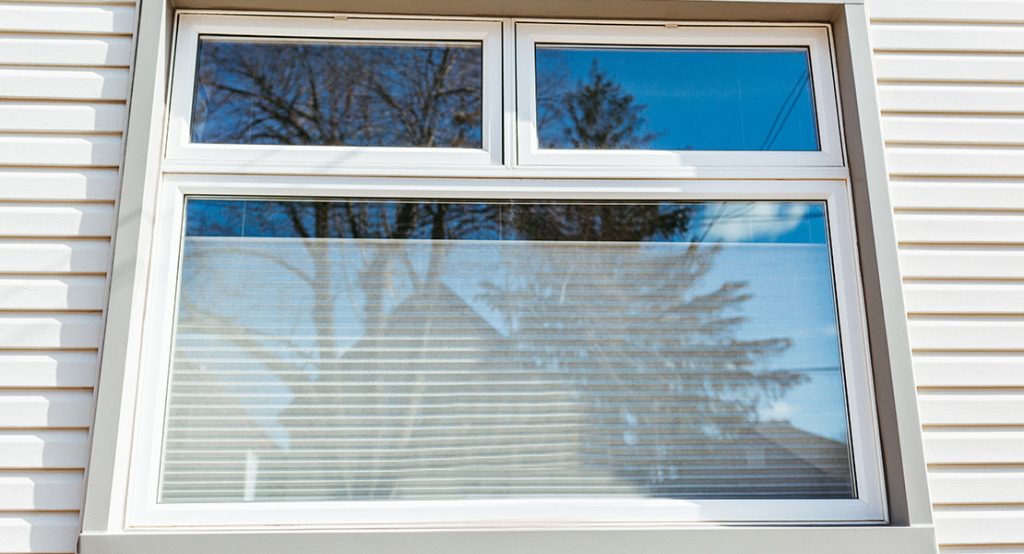
Newport Coast homes usually have large, uninterrupted glass panels - the kind that run floor to ceiling or stretch across an entire facade. With that much glass area, even a small spacing error has more room to multiply across a single pane. A smaller window can be a little more forgiving when the measurements are slightly off. But an 8-foot glass wall leaves no room for that error.
With that in mind, if you're looking at a film, pull up the product specs and check whether the pattern actually meets the 2x4 standard. A fair number of films get marketed with bird-safety claims on the label that don't hit that threshold. The label and the spec sheet don't always agree - and in my experience, that gap is where most of the buying mistakes happen. Before you buy, pull up the pattern dimensions and compare them against the standard.
Heat and UV Protection Come as a Bonus
Most homeowners don't come across this until they're already well into the project - it also cuts down on heat gain, and it filters out the UV rays that would otherwise slowly fade your furniture, flooring and artwork over time. That second layer of protection is well worth the investment in Newport Coast. The homes out there get direct sun for most of the year, and the interiors are usually well put-together - with hardwood floors, quality upholstery and original artwork. UV damage to any of that is a slow and expensive problem. And it doesn't announce itself - by the time you start to see it, most of the damage has already been done.
What makes this film worth the money is that it solves two separate problems at once. The pattern spaces birds away from your windows, and the film itself blocks heat and UV light, which protects your furniture, floors and everything else inside from sun damage. It's one product, two fixes - and when one product covers that much, it's pretty hard to question what you're spending.
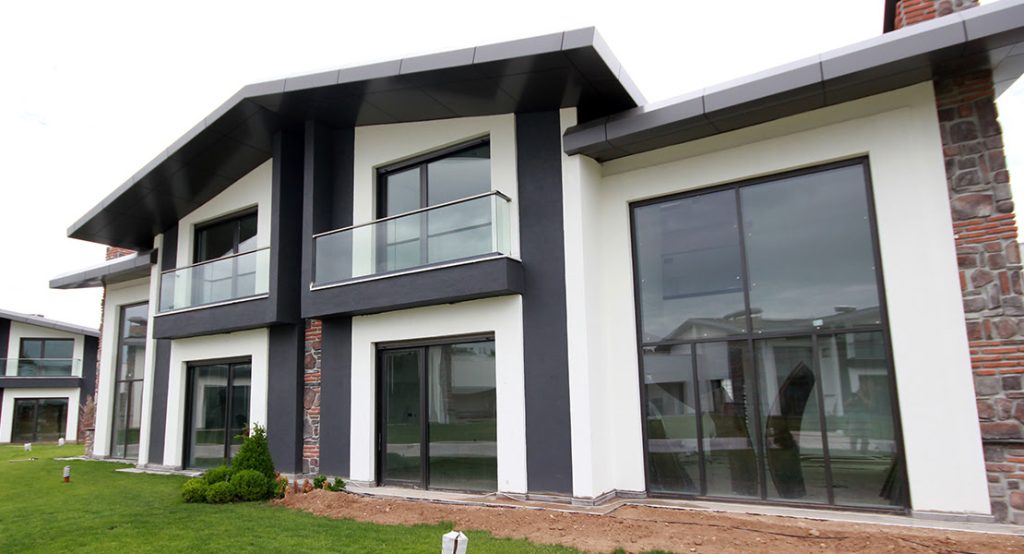
Most homeowners come to window film from one of two very different places, and I see it split in either direction quite a bit. Some come in with bird safety as their first concern and then find out about the energy savings and UV protection as a bonus. Others come at it from the opposite angle (energy efficiency or furniture and floor protection) and discover the bird safety benefits along the way. Either way, both groups walk away with the exact same product and the exact same results. Where you started doesn't matter all that much because these benefits are already built right into the film, and one of them doesn't add anything to the cost of the other.
Other Ways to Make Glass Safer for Birds
Window film gets attention for this, but it's just one of a few ways to make glass more visible to birds.
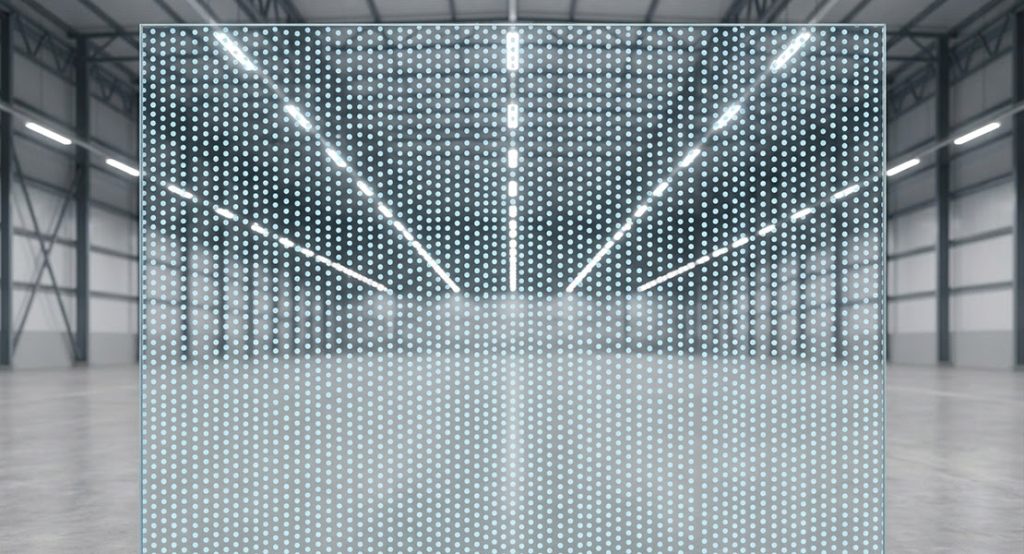
Fritted glass is also worth a look - and a great one, at that. The pattern gets built right into the glass during production, which makes it a strong choice if you're starting a new build from scratch. For an existing home, that would mean a full window replacement - it's a much bigger project (in cost and logistics) than most homeowners want to take on. That said, if a bigger renovation is already in the plans, it's worth bringing up early. Once the glass is in, there's no way to add the fritting after the fact.
Screens can cut down on some of the reflective glare coming off the glass, which makes the windows much easier for birds to see and stay away from. The trade-off is that they have to stay at least partially closed to make a difference. For a home that was designed around open views and a genuine sense of connection to the outdoors, that sort of compromise starts to add up. At some point, the answer works against the very reason the windows were put there.
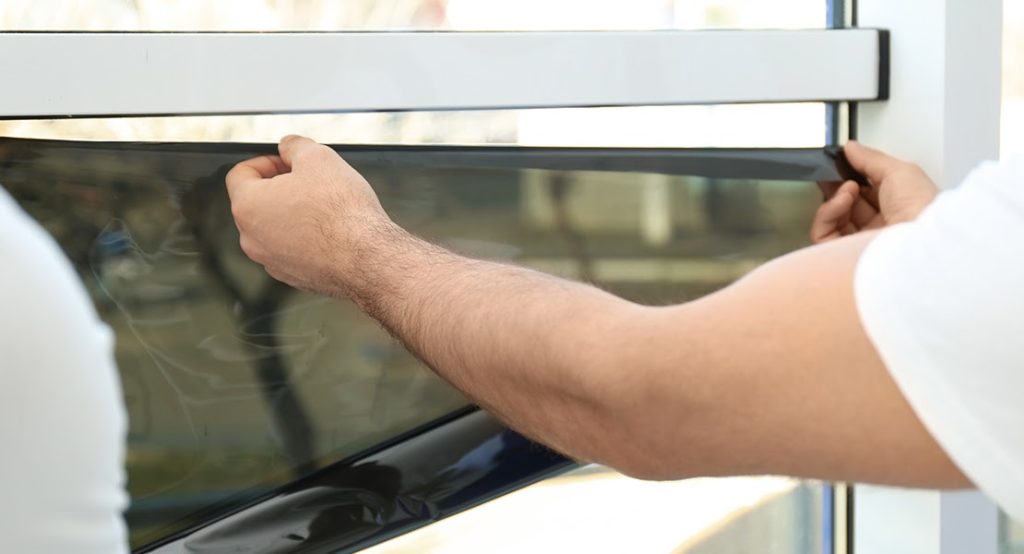
Window film tends to sit somewhere in the middle of all this - it can be applied to existing glass without much disruption, the cost is pretty low compared to replacement, and some options are nearly invisible from the inside.
What to Look For in a Coastal Film
Not every window film on the market is built with a coastal environment in mind. Salt air, steady humidity and strong oceanside sun are a brutal combination - they break down adhesives and coatings far faster than anything that you'd ever run into at an inland home.
A glass wall with a direct view of the Pacific will take on a whole lot more sun and salt exposure than, say, a window on the side of the house that sits under an overhang. Those are two very different environments, and the film that you choose needs to match whichever one you've actually got.
One of the first details worth asking your installer about is the adhesive. Water-based adhesives are fairly common. But they do have a weakness in high-humidity environments - they can lift and bubble over time. In a marine setting, that type of failure is a pretty big headache after the fact. A dry or pressure-sensitive adhesive will hold up much better in those conditions, and it's a quick question to ask before you agree to anything.
Warranty coverage is another area to look at closely. Plenty of films have warranties that look good on paper, and a lot of them are legitimately great. What they don't always advertise first is that a fair number of the warranties quietly exclude damage from coastal or marine environments. The fine print is worth a read before you lock anything in.
It also helps to know what glass type you have if you ever need to ask about it. Tempered, laminated and insulated glass each work with the film a little differently and not every product is rated for every glass type.
Coastal installs mean a bit more than your average residential job - different materials, different codes and environmental variables to account for. None of it's hard to work through as long as you go in with the right questions.
Transform Your View with Professional Tinting
The facts do matter here, and each one has an effect on whether a film holds up and does its job over the long run. A film that looks great on day one but starts peeling or bubbling within a year is just a problem that you'll have to deal with all over again. The time you put into that prep work before committing to anything is what separates a result that actually lasts from one that ends up having to be redone from scratch.
The right expertise makes a massive difference - it's just what we bring to every project. At OC Tint Shop, we've worked on homes all across Orange County (coastal properties included). Those conditions are far harder on materials, and the visual bar is set way higher. Salt air, intense sun exposure and premium glass don't leave you with much room for error. Newport Coast homes in particular usually have large glass spans and high-end finishes, which means the margin for a bad product choice or a sloppy application is pretty slim. We know how to pair the right film with the right window, and in my experience, that combination (the right product with a clean install) is what separates a film that performs the way it should from one that eventually lets you down.
Whether you're ready to move forward or just want to talk through a few options first, we'd love to hear from you. A free consultation is a great place to start - no pressure and no commitment - just an honest conversation about what's a fit for your home. Get in touch with us whenever you're ready, and we'll take it from there.